A buyer looking for a security camera manufacturer in 2026 can receive three very different quotes for what appears to be the same camera. One may come from a source factory. Another may be issued by a trading company that combines several factories. A third may pass through an agent who owns the customer relationship but not the production line. The lowest unit price does not identify the best route.
The real comparison is about responsibility. Who owns the approved configuration? Who can explain a component change? Who handles a failed sample, a packaging revision, or a repeat order six months later? For an importer, distributor, or project buyer, the answer affects landed cost, product consistency, communication speed, and the amount of technical work left after payment. This guide puts those differences into a practical camera sourcing framework.
Why the Buying Route Changes the Real Cost
The words “factory,” “supplier,” and “manufacturer” are often used as if they mean the same thing. They do not. A source factory may make the housing, manage assembly, and coordinate inspection. A trading company may provide a useful package while purchasing cameras from several production partners. An agent may add local communication or market access. The right route depends on the order, not on the label alone.
What Each Channel Actually Owns
A direct security camera factory usually has the clearest line to production details, but it may not offer every accessory, language pack, or compliance file a project needs. A trading company can consolidate products and negotiate across suppliers, yet the buyer must ask which party is accountable when the camera, app, carton, and spare parts come from different sources.
A CCTV camera supplier can still be valuable when the order is mixed, small, or time-sensitive. The question is whether the supplier can identify the actual maker, keep the bill of materials stable, and provide one accountable after-sales process. A polished catalog is not proof of manufacturing ownership.
Match the Route to the Order
Direct buying is often attractive for a repeat model, a private-label range, or a program that needs changes to the housing, logo, app, or packaging. A middleman may make more sense for a mixed container, a one-off project, or a buyer that needs several product categories from one commercial contact.
The decision should be made with a written list of responsibilities. Include product configuration, firmware, packaging, inspection, spares, shipping documents, warranty handling, and change notices. That list turns a vague channel comparison into a measurable commercial choice.
How To Verify a Security Camera Manufacturer
Verification does not require a dramatic factory tour. It requires consistent evidence across the company name, product ownership, sample, quotation, and production explanation. A genuine security camera manufacturer should be able to connect the item being quoted with a repeatable process and a person who can answer technical questions.
Look For Production Evidence
Ask for the legal entity on the quotation, the production location, and the stages handled in-house. Relevant evidence may include mold work, injection molding, chip processing, assembly, sampling, inspection, packing, and shipment records. None of these alone proves every component is made internally, but together they show whether the supplier has a real production role.
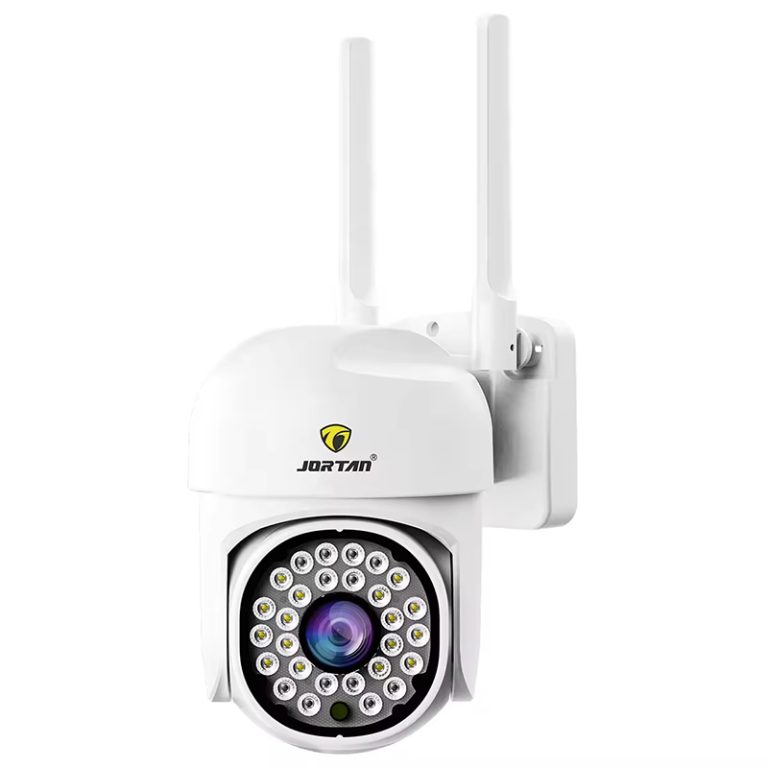
Jortan supports consumer security products with factory-backed mold and injection capacity, alongside assembly, inspection, packing, and shipment processes. Its OEM/ODM offer covers logo, packaging, color, appearance, mold-opening, and app customization. The OEM/ODM security camera service is therefore relevant when the buyer needs more than a box-moving transaction.
Test the Sample and the Records
A sample should be checked against the quote, not judged only by the live image. Record the exact model, lens, resolution, night mode, storage route, app, power input, housing, accessories, and carton markings. Then ask how those items are kept consistent in production.
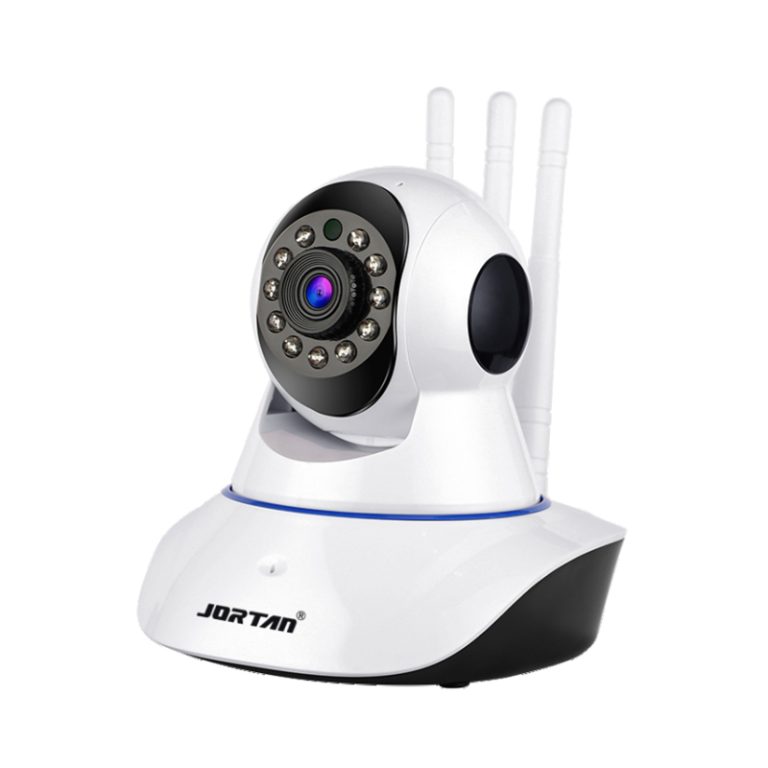
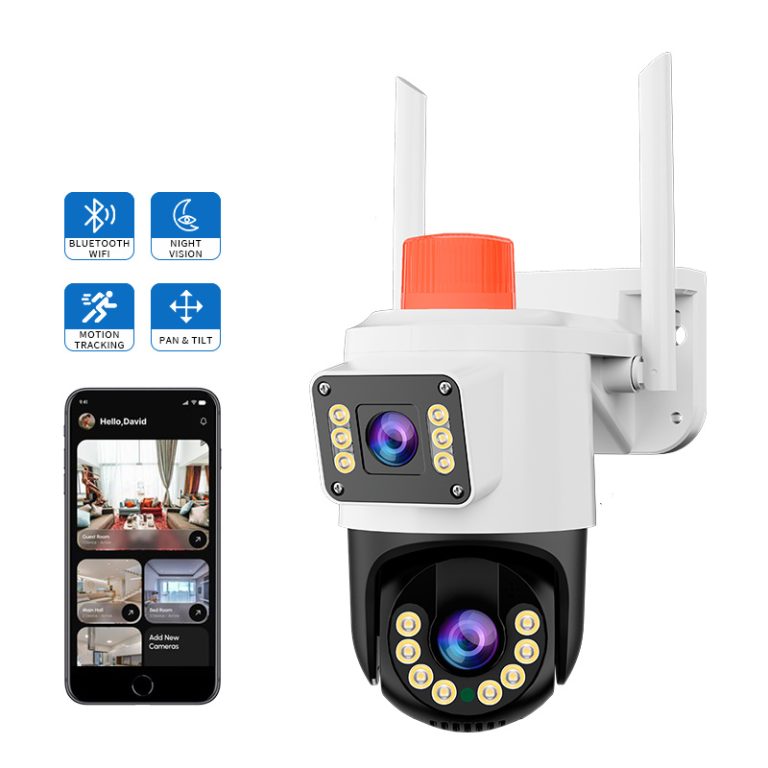
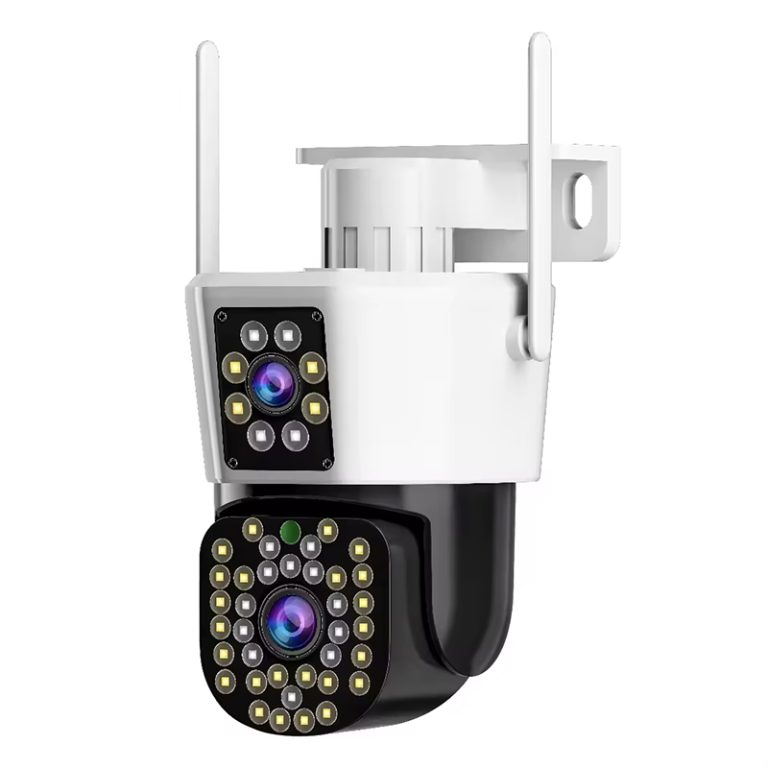
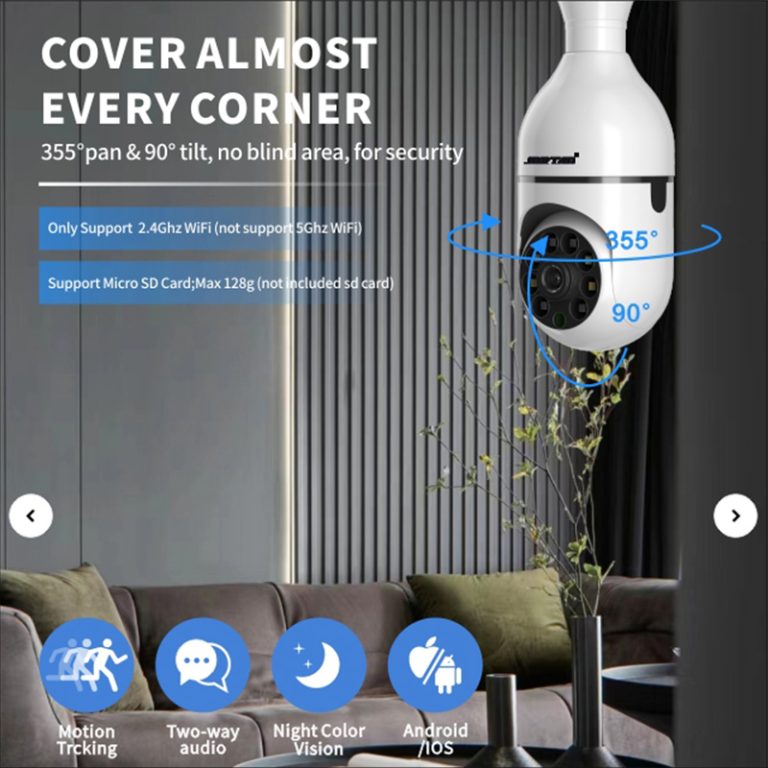
Jortan describes network cameras as capturing, compressing, and transferring video over a network, with product choices that can include WiFi, TF or SD storage, cloud services, app management, and basic intelligent detection. These details matter during sourcing because a camera is a hardware and software package, not just a shell and sensor. The IP camera range gives a suitable category starting point for comparing that package with the approved sample.
Jortan has the 8906ZL3-8 as an 8-channel CCTV system with 2MP cameras, P2P, two-way audio, H.265, night vision, motion tracking, and SD card, cloud, and NVR storage options. Those published fields are useful in an RFQ, but they still need to be checked against the sample and the final production configuration. 8906ZL3-8 CCTV system.
Write An RFQ That Exposes Hidden Risk
A weak RFQ invites a unit-price contest. A strong RFQ makes the commercial differences visible before the first purchase order. The document should let a direct factory, trading company, or agent respond to the same technical and operational questions. It should also make unclear ownership difficult to hide behind a broad product name.
Lock the Approved Configuration
List the camera type, lens options, image resolution, compression, storage, connectivity, night-vision behavior, power arrangement, housing, accessories, firmware version, language, logo, carton, and label requirements. If a feature is optional, mark it as optional. If a component is subject to change, define the approval process.
Jortan covers network and analog product directions, consumer camera functions, and storage choices such as local cards, NVR, NAS, cloud, edge, and PC-based management. The Jortan8 can be used as a product reference, while the actual RFQ should still state the required configuration rather than relying on a model name alone.
Price the Whole Order
Compare more than the camera line. Add sample charges, mold work, packaging, accessories, spare ratios, inspection, export cartons, freight assumptions, payment terms, warranty handling, and the cost of mixed-source coordination. For wholesale security cameras, a small difference in packaging or failure handling can matter more than a small unit-price gap.
Ask who issues the commercial invoice, who receives quality claims, who approves substitutions, and who owns the firmware or app issue when a shipment contains several models. A dependable CCTV manufacturer or sourcing partner should answer these points before the order becomes urgent.
The 6115AHD-8 with an 8-channel AHD DVR direction, H.265, a 4K DVR direction, IP66, a 1080P/2MP outdoor package, online technical support, and a two-year warranty. The record is a useful reference for quotation questions, not a reason to skip confirmation of the actual camera mix, recorder, drive, and warranty terms. 6115AHD-8 DVR kit.
Choose the Channel For Repeatable Growth
The best route becomes clearer after the first sample and the first reorder. Direct factory buying can simplify technical communication and private-label development, while a capable middleman can reduce the buyer’s coordination burden. Neither route removes the need for inspection, written specifications, and a clear owner for problems.
When Direct Factory Buying Fits
A direct route is a strong fit when the buyer has a defined product line, expects repeat volume, or wants to develop a differentiated housing or package. It can also make it easier to discuss a mold revision, app adjustment, product family, or long-term replacement plan with the team closest to production.
Jortan’s consumer security focus, factory scale, self-owned molds, injection capacity, and customization support can help distributors build a more consistent range. Jortan is best approached with a clear product brief, target market, sample requirements, and reorder expectations. Those details give the factory a useful basis for a commercial response.
When a Middleman Adds Value
A middleman can add value when the buyer needs supplier consolidation, local language support, several unrelated product categories, or a small initial order. That value is real when the intermediary adds inspection, documentation, forecasting, or after-sales coordination. It is less convincing when the intermediary only forwards a catalog and adds another layer to every technical question.
Before choosing, ask for the maker’s identity, a sample path, a change-notification process, and the name of the party responsible for defects. The final choice should reflect the project’s risk and reorder plan, not a slogan about buying direct or buying cheap.
Conclusion
A source factory and a middleman can both be the right answer, but they solve different procurement problems. Compare production evidence, configuration ownership, RFQ clarity, landed cost, inspection, and reorder support before selecting a security camera manufacturer or CCTV camera supplier. For samples, private-label development, or a repeatable camera sourcing program, contact kingjin@safejortan.com.cn.