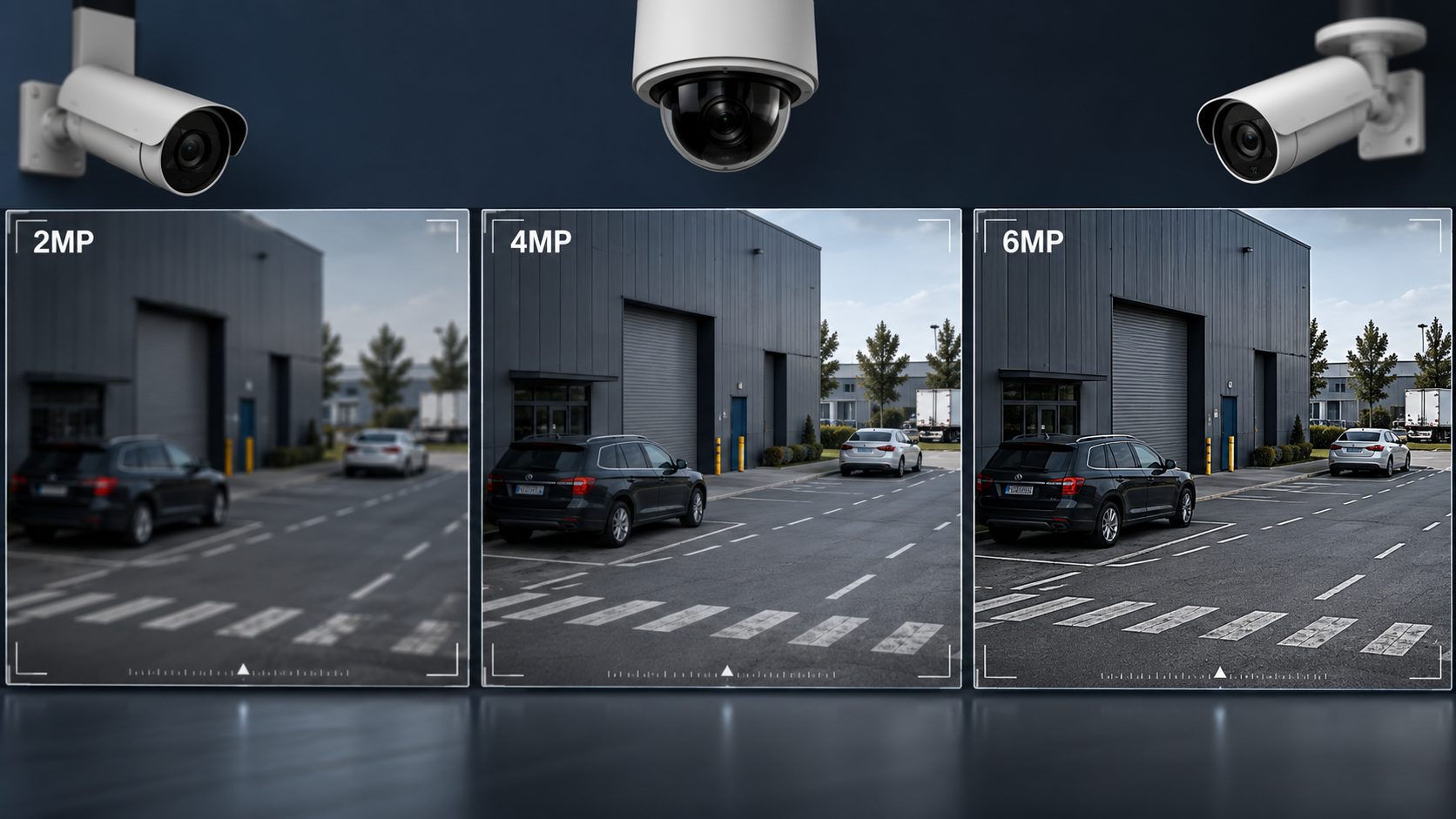
Camera resolution still sounds like a simple number, but in real projects it touches many things at once: recognition distance, night footage, storage cost, WiFi load, installation height, and even how easy the product is to sell in a local channel.
What 2MP, 4MP, and 6MP Mean in Daily Monitoring
The resolution refers to the number of pixels utilized to create each video frame. When talking about resolution for surveillance cameras, one should note that buyers normally encounter such figures as 1080p, 2MP, 4MP, 6MP, 8MP, or 4K. An increased number of pixels will provide additional image details; however, it is going to put more demands on the processor, encoding process, bandwidth, storage card, NVR system, cloud subscription, and application playback. In this regard, camera storage capacity plays a role in determining the right resolution as well.
2MP is still useful for close-range monitoring
A 2MP security camera is commonly linked with 1080p Full HD video. It is not outdated for every project. In small rooms, reception desks, cashier counters, apartment entrances, and simple indoor monitoring, 2MP can give a clean enough image while keeping product cost, storage use, and network load under control.
The problem starts when buyers use 2MP for wide or high-mounted positions. If the camera is placed too far from the target, faces, small goods, and license plates may lose detail. Digital zoom will only enlarge the pixels already captured.
4MP gives more room for shops, warehouses, and entrances
A 4MP camera gives more image detail than 2MP without moving straight into the heavier storage pressure of higher-end models. For many channels, it becomes a practical middle option. Small shops, warehouse aisles, loading doors, outdoor walls, and parking entrances often need this kind of balance.
6MP works better when the scene is wider or more valuable
A 6MP security camera starts to make sense when the project needs more coverage, more visible detail, or stronger selling value. Outdoor yards, warehouse gates, farms, parking areas, factory perimeters, and building entrances are common examples.
Matching Pixel Levels to Real B2B Project Scenarios
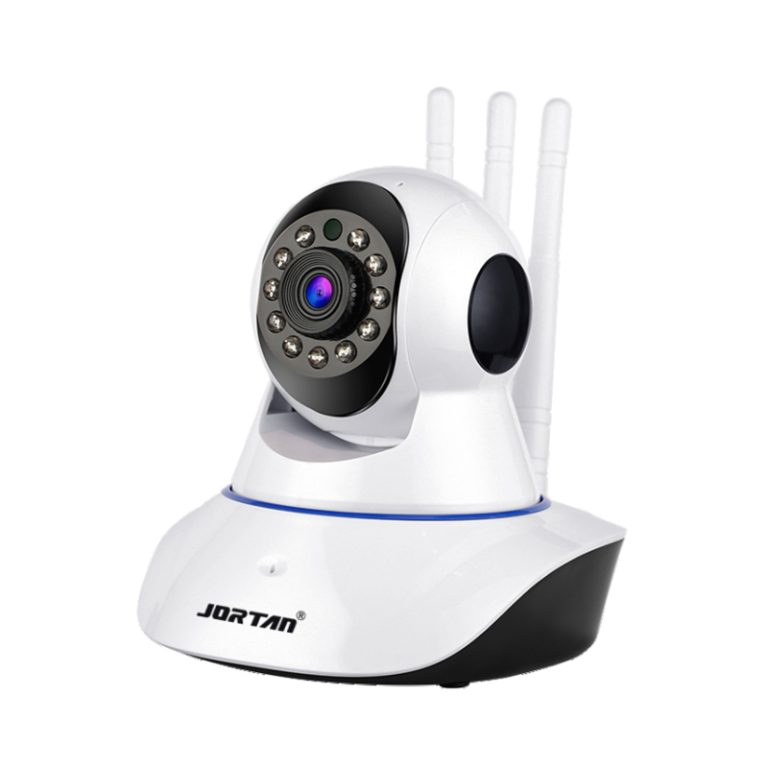
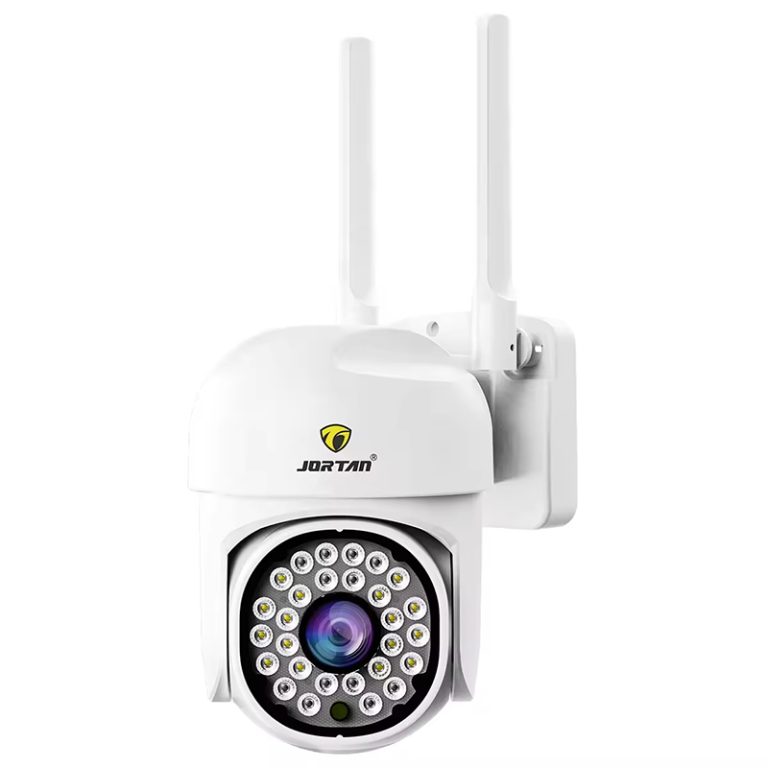
Indoor projects usually start with a shorter viewing distance. Offices, small stores, reception areas, living rooms, and baby-monitor-style channels may not need high pixel levels in every position. A model like Jortan’s JTZ-160B fits this kind of close-range indoor WiFi camera demand with 2MP resolution, Yoosee app use, H.265 compression, two-way audio, night vision, cloud storage, and local memory card support up to 128GB.
For small shops, 2MP may work near the cashier or shelf area, but 4MP is often easier to sell when the camera watches both the entrance and product display.
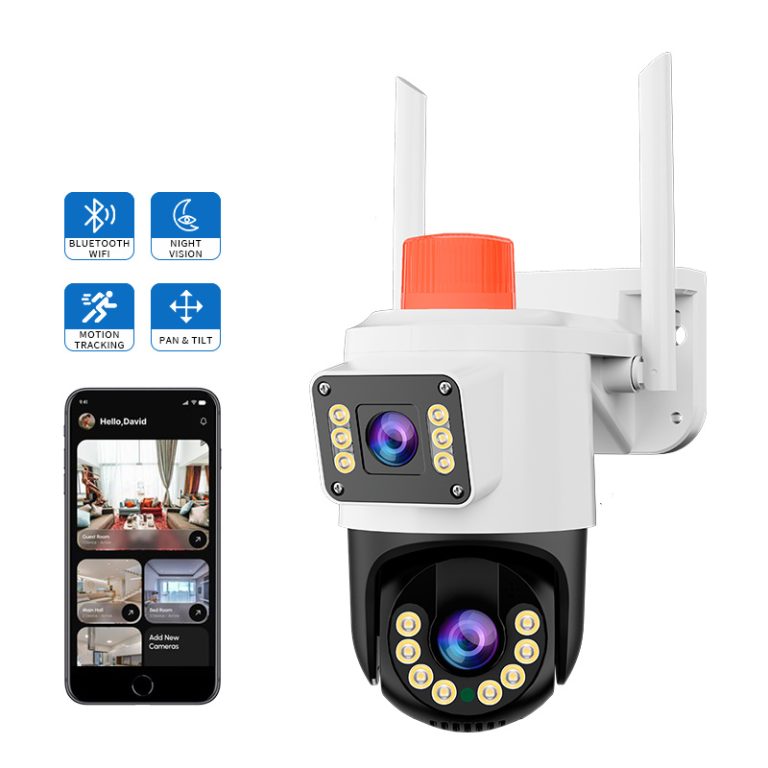
Warehouses need a different mix. A loading bay, truck gate, or high-mounted wall camera needs more detail and better night performance. Here, a 4MP outdoor PTZ option such as JT-9689UQJ can be used as an example: it combines 4MP resolution, H.265, IP66 protection, and 3.6mm + 6mm HD lenses.
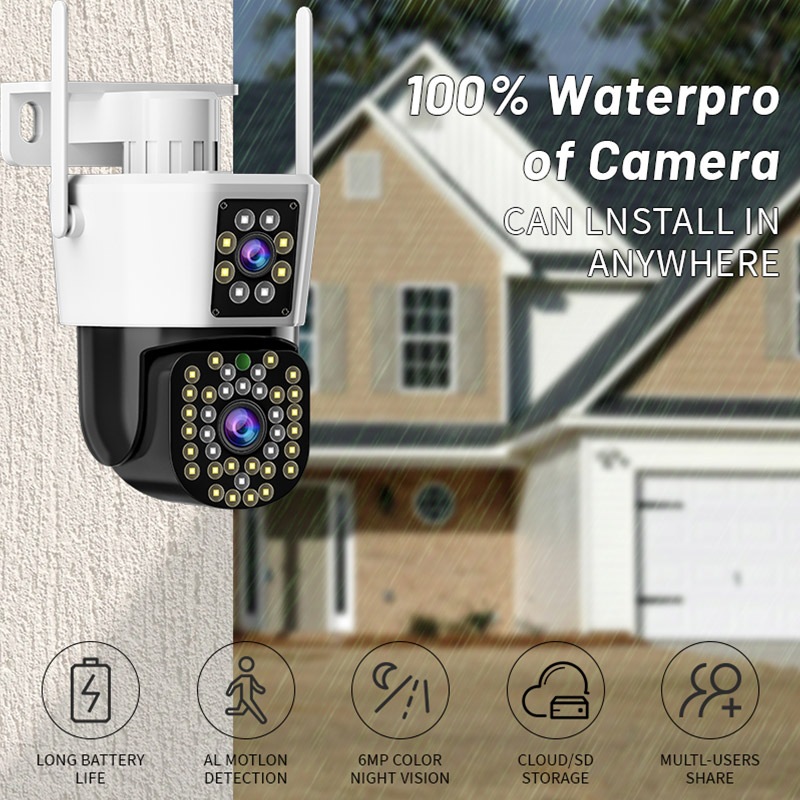
Outdoor projects usually punish weak selection faster than indoor jobs. Rain, dust, glare, insects, reflective metal, and long mounting distance all reduce the real value of higher pixels. A buyer may receive a clear daytime sample video, then face complaints after the first rainy night.
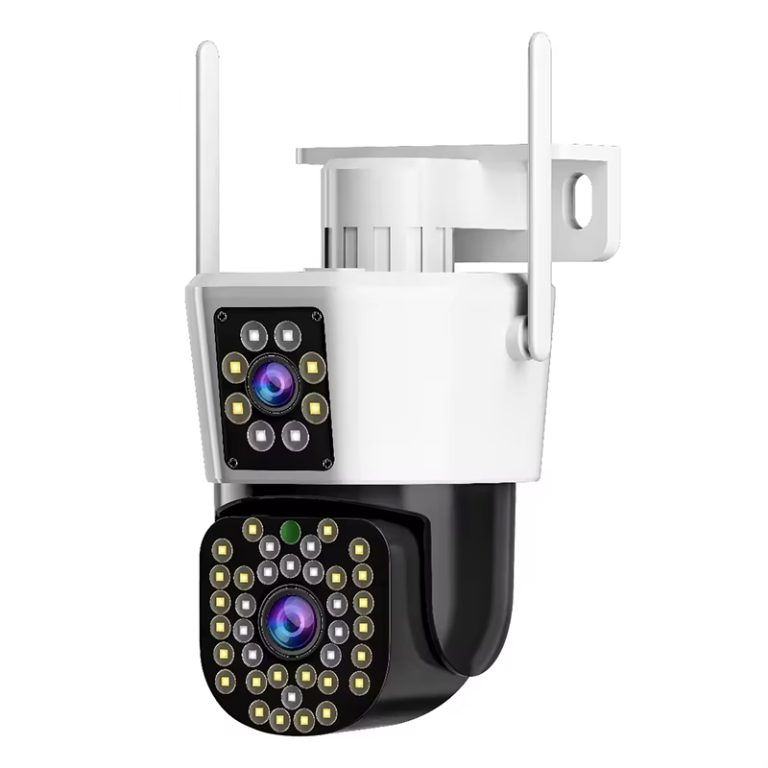
For larger outdoor scenes, a 6MP dual-lens PTZ camera gives the channel a stronger project product. JTZ-9690PRO is a useful example for this level. It is positioned as a 6MP outdoor PTZ camera with dual lenses, H.265 video compression, and IP66 waterproof protection.
What Buyers Should Compare Beyond Megapixels
- The first item is lens design. Pixel count tells how many dots the image has. The lens decides what those dots actually capture. A 2.8mm or 3.6mm lens may suit wide indoor views. A longer lens helps when the target is farther away.
- The second item is low-light performance. Knowledge from real security projects is consistent here: night clarity depends on sensor quality, lens aperture, infrared lights, white lights, noise reduction, and image processing.
- The third item is encoding. H.265 can reduce storage and bandwidth compared with older compression methods, and H.265AI appears in several modern camera specifications. For importers, this affects cloud storage camera plans, TF card life, HDD recording time, and app playback smoothness. A higher-resolution camera without efficient compression may become harder to sell in markets with unstable internet.
- The fourth item is batch consistency. Samples should be tested in the same light and distance expected in the project. If the sample uses one sensor or lens but the bulk order changes components quietly, the final image may look different. That creates returns, installer arguments, and channel complaints. Buyers should fix key specs, app version, lens, power supply, storage support, packaging accessories, and firmware before confirming MOQ.
Building a Practical Resolution Mix for Distribution
A distributor does not need one resolution for every customer. A cleaner product line usually works better. Keep 2MP for basic indoor and low-cost channels. Use 4MP for shops, small warehouses, entrances, and outdoor general monitoring. Add 6MP for higher-value outdoor projects and dual-lens sales points.
The mix also depends on local internet and storage habits. Some markets still prefer TF card recording for single cameras. Some warehouse and commercial projects need HDD recording through an NVR. Some retail channels sell cloud plans together with the camera.
For private label or channel orders, Jortan OEM/ODM camera customization can support logo, packaging box, product appearance, APP customization, chip processing, assembly, and inspection work. A resolution plan is easier to manage when the supplier can keep the configuration repeatable across samples, trial orders, and bulk orders.
Buyers comparing multiple security camera lines can also use Jortan as a broader reference point for indoor WiFi cameras, outdoor PTZ cameras, dual-lens options, and related monitoring categories.
FAQ
Q1: Is 2MP still worth buying for security camera orders in 2026?
A1: Yes, if the camera is used indoors or at close range. 2MP is still practical for small rooms, cashier areas, apartments, and entry points. It becomes weak when the camera is mounted high, faces a wide area, or needs clear details from a long distance.
Q2: Should small shops choose 4MP instead of 2MP?
A2: Many small shops can use both. 2MP can cover narrow indoor points, while 4MP is better for entrances, shelves, and spaces where owners may need more detail during disputes. For distributors, 4MP often works well as the main-selling upgrade SKU.
Q3: When does a 6MP security camera make sense?
A3: A 6MP model makes sense for outdoor yards, warehouse gates, farms, parking areas, and dual-lens PTZ projects. Buyers should test night footage, WiFi distance, TF card or cloud recording, and app playback before placing a large order.
Q4: Can Jortan support different resolution options for OEM/ODM orders?
A4: Yes. Jortan can support different camera categories and customization work such as logo, packaging, product appearance, APP-related requests, assembly, and inspection. For buyers building 2MP, 4MP, and 6MP lines, the key is to confirm the sample configuration before bulk production.