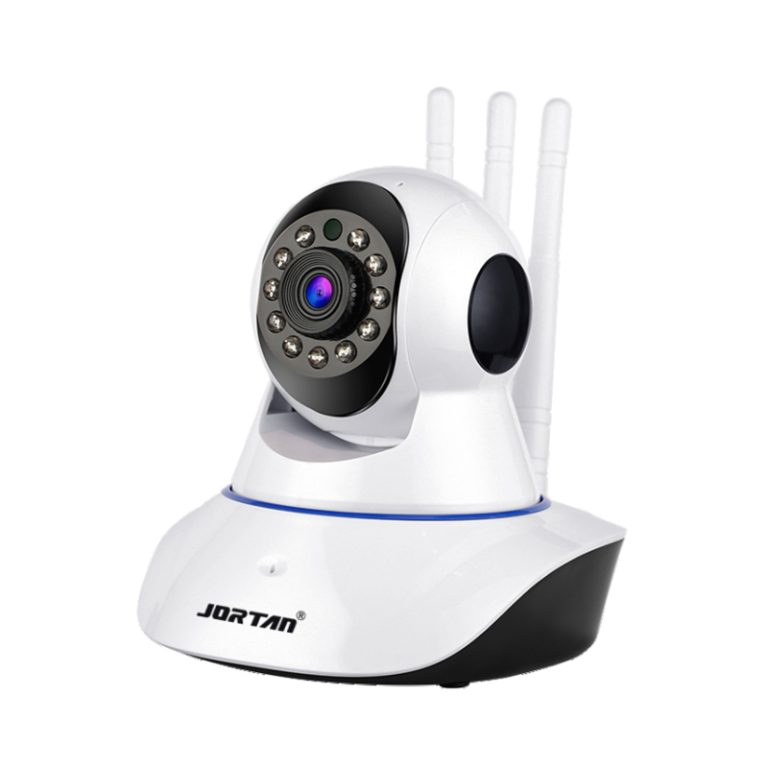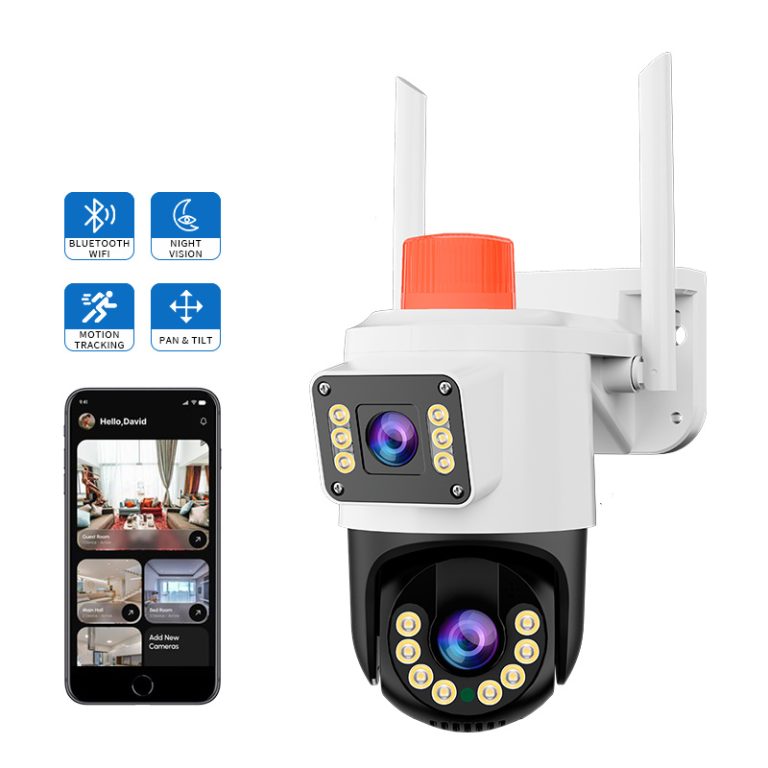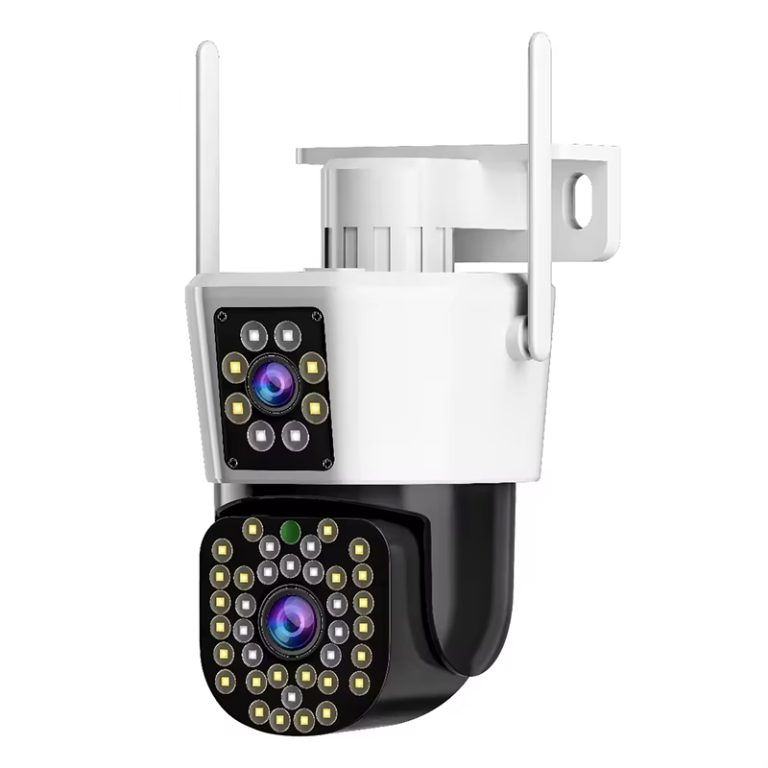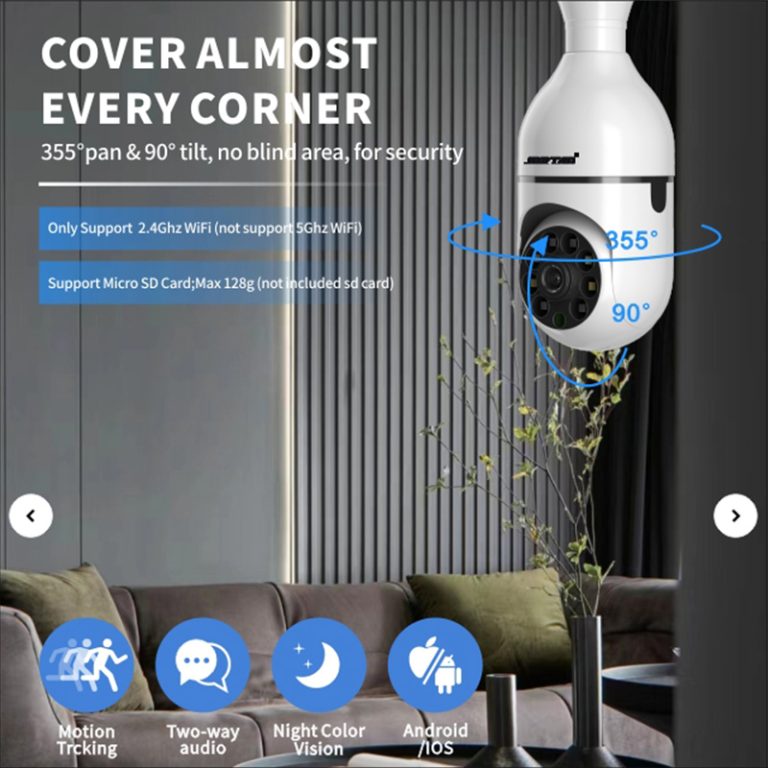
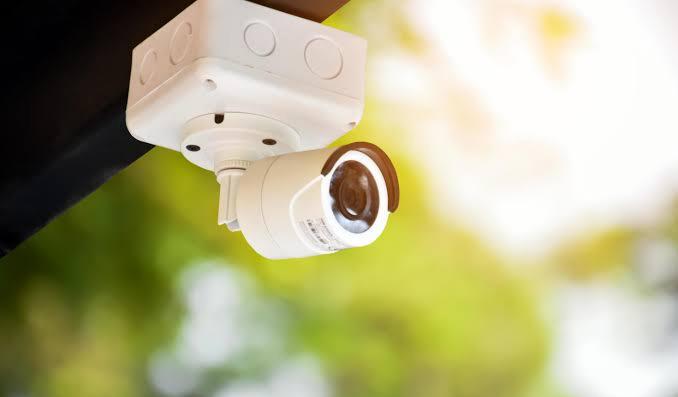
Outdoor camera demand is no longer coming only from simple storefront monitoring. Warehouses, farms, parking lots, small factories, and remote sites are all asking for outdoor cameras with better weather resistance, night coverage, and easier deployment. For B2B buyers, the product line now has to match real installation work, not just a neat catalog page.
Why Outdoor Cameras Are Still in Strong Demand for 2026
Outdoor security projects keep expanding because more business activity now happens outside the main building. Loading bays need visibility after working hours. Farms want low-maintenance monitoring. Small factories need gate and yard coverage. Retail chains want cameras that can survive rain, dust, and heat without creating constant service calls.
For distributors and project contractors, this demand is good news only when the product line is planned properly. A low-cost indoor-style camera placed outdoors may sell once, but it can create returns, complaints, and a damaged channel relationship. Outdoor cameras need stronger structure, cleaner installation logic, and features that fit several project types.
The pressure is also coming from end users. Many customers now ask for PTZ movement, two-way audio, better night vision, WiFi setup, cloud or memory card storage, and app-based viewing in one package. That does not mean every model needs every feature. It does mean a 2026 outdoor camera line should have a clear structure, with entry models, stronger IP66 models, and options for more demanding sites.
What Outdoor Cameras Need for Real Project Use
Weatherproof Design for Long Outdoor Use
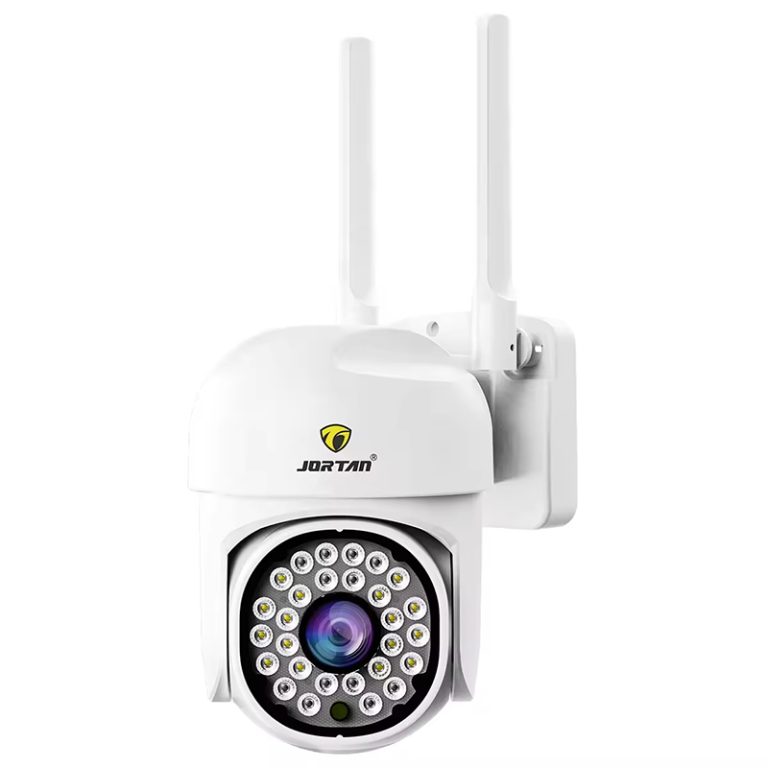
Weatherproof design is usually the first filter. For many open-air projects, IP66 is a practical level because it gives stronger rain and dust protection than basic outdoor claims. It also fits the way installers work in real sites, where mounting positions are not always perfect and cable protection may vary from one project to another. For example, Jortan’s JT-9697QJ fits projects where IP66 weatherproofing, pan-tilt movement, dual-lens viewing, two-way audio, and motion tracking are more valuable than a basic fixed camera.
Night Vision, PTZ, and Wider Coverage
Outdoor cameras often work hardest at night. A warehouse yard or parking lot may look simple during the day, then become a very different site after dark. Good night vision, clear image detail, and wider coverage reduce the number of cameras needed and make the project easier to sell.
PTZ and dual-lens designs are useful when one camera needs to cover a gate, road, or open yard. Some installer-led projects care more about night image quality and detection distance. In that case, JT-9687PRO is a better example to compare because it combines 4MP resolution, color night vision, human motion tracking, two-way audio, and 30-50m IR night vision for outdoor monitoring.
Power, Network, and Storage Flexibility
A 2026 outdoor camera line also needs flexible deployment. Some sites have stable power and WiFi. Others need solar power, local storage, or a setup that can be installed without heavy wiring. Buyers should check whether the camera supports the common app, storage method, and network conditions in the target market before ordering a full batch.
Storage is not only a technical detail. It affects after-sales work. Some customers prefer memory card storage because it is simple. Others need cloud service or NVR connection. A distributor that sells into several markets may need more than one storage path across the product line.
OEM or ODM: Which Path Fits Your Business Better?
OEM is usually better when the buyer already has a mature brand plan. The logo, packaging style, sales channel, app expectation, and target price range are already clear. In this case, the supplier needs to follow buyer requirements closely and keep repeat production stable.
ODM is different. It works better when a buyer wants to build or refresh an outdoor camera line faster. The buyer may not want to spend months developing a new shell, testing several boards, or building a full feature set from the beginning. A mature ODM base can shorten that process and still leave room for branding, packaging, and functional adjustment.
For many importers and regional distributors, ODM is the more realistic route in 2026. Market demand changes quickly. Customers ask for PTZ, IP66, night vision, two-way audio, solar options, and app support. Starting from a tested product base can reduce trial cost and make sample selection faster.
When ODM Makes More Sense for Outdoor Cameras
ODM makes sense when buyers need a product line, not just one SKU. A distributor may need one model for parking lots, another for small shops, another for remote farms, and another for a brand channel that wants a stronger visual design. Building every model from zero is usually slow and expensive.
A supplier with IP cameras, solar cameras, monitoring packages, and OEM/ODM experience can help keep this work more organized.Jortan supports outdoor camera supply, logo work, packaging discussion, product appearance adjustment, app-related requirements, and project communication without turning every order into a fresh development case.
ODM is also useful when buyers need samples quickly. Instead of waiting for a fully new product design, the buyer can test an existing model; check image quality, app behavior, night performance, housing structure, and packaging options; and then decide what needs to be changed for the target market.
What to Check Before Choosing an OEM/ODM Supplier
Before placing a bulk order, the buyer should check more than the product photo. Ask about sample availability, MOQ, warranty, packaging options, lead time, app requirements, plug type, language materials, and whether the supplier can keep the same configuration in repeat orders.
Quality control should be discussed early. Outdoor cameras may fail because of small details: loose cable sealing, weak bracket design, poor heat handling, unstable app connection, or inconsistent night vision components. A supplier that can explain testing and repeat production control is safer for long-term cooperation.
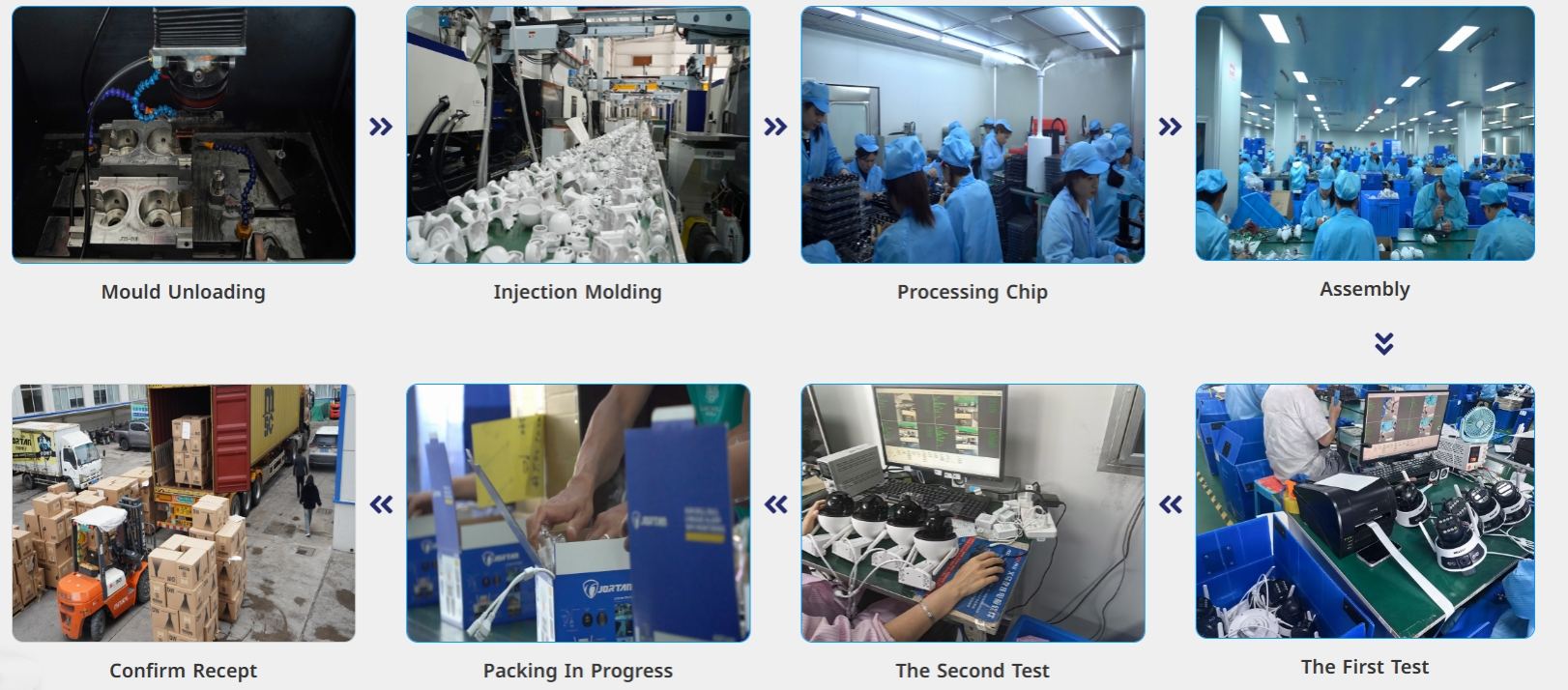
The production side also matters. Jortan OEM/ODM work includes logo customization, packaging box design, appearance customization, mold opening, APP customization, injection molding, chip processing, assembly, packaging, testing, and shipping. This kind of full line is useful when the order involves private label work or several models at the same time.
Procurement Advice for 2026 Outdoor Camera Buyers
Start with the target customer. A farm buyer, an installer, a retail channel, and a municipal project buyer will not value the same features. Build the product line around these groups instead of forcing one model into every site.
For most outdoor projects, keep IP66 as the main weatherproof direction. Add solar or special remote-site models only when the market really needs them. Add multi-lens or higher-pixel models when the sales channel needs a stronger shelf or quotation difference.
Samples should be tested like a real project, not only viewed on a desk. Check the night image, app connection, PTZ movement, audio, cable sealing, bracket strength, and packaging.
If ODM changes are needed, settle them before bulk production. For samples, customized packaging, or model selection details, contact Jortan with the target market and application scene clearly listed.
FAQ
Q1: What outdoor camera features matter most for B2B buyers in 2026?
A1: IP66 weatherproof design, stable night vision, PTZ or wider coverage, two-way audio, storage flexibility, app stability, and reliable repeat production matter most for B2B buyers.
Q2: Should outdoor camera buyers choose OEM or ODM?
A2: OEM fits buyers with a clear brand and product plan. ODM fits buyers who want a faster way to build or refresh an outdoor camera product line using mature product bases.
Q3: How can Jortan support ODM outdoor camera projects?
A3: Jortan can support model selection, logo customization, packaging design, appearance changes, APP-related requirements, production, testing, and after-sales communication for outdoor camera orders.
Q4: What should buyers confirm before placing a bulk outdoor camera order?
A4: Buyers should confirm MOQ, sample quality, IP rating, night vision, app compatibility, storage method, packaging, lead time, warranty, and whether the same configuration can be kept in repeat orders.