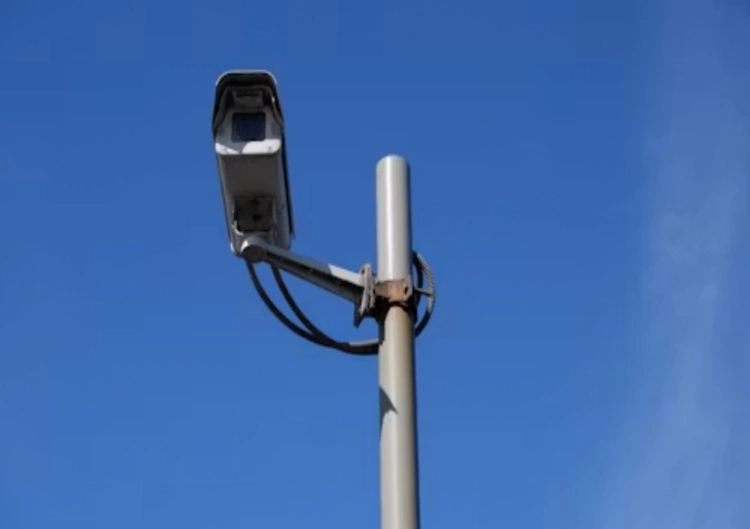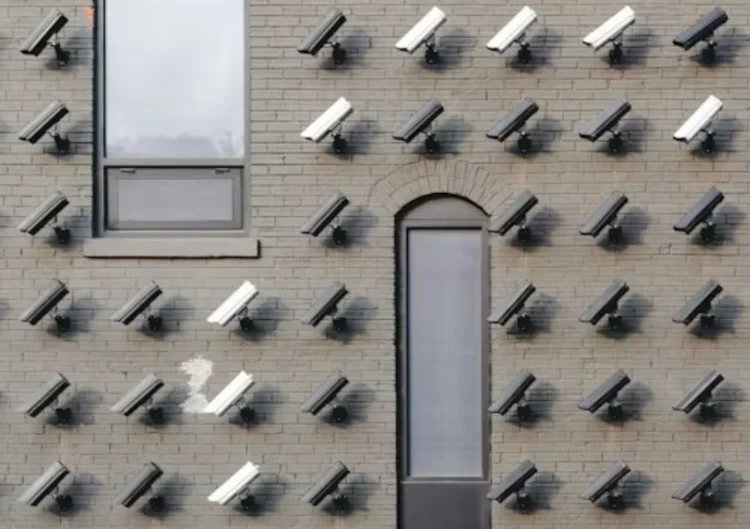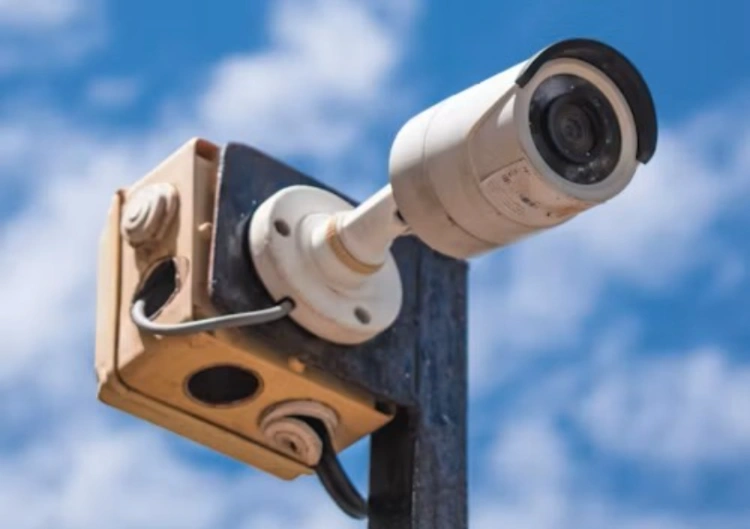

Security camera buying decisions in 2026 often center on the choice between human shape detection and standard motion detection. Both technologies serve important purposes in perimeter defense, access control, and smart surveillance systems.
Overviewing Human Shape Detection and Motion Detection Technologies
Core Principles of Human Shape Detection
Human shape detection uses deep learning to spot human forms with high accuracy inside a watched area. Based on a human-shape detection algorithm, it automatically tracks and captures the trajectory of human shapes, zooms in, sees more details clearly, and retains key evidence. This feature lets cameras tell humans apart from animals or other moving things. As a result, it cuts down false alarms that commonly affect ordinary motion sensors.
Modern AI-based cameras depend on large collections of images for training. These allow them to identify outlines even when objects are partly blocked or lighting is poor. Optimized and upgraded human-shape detection algorithm. The human-shape detection distance can reach 15 meters, and it supports multi-target human-shape detection, making alarms more accurate and effective.
How Motion Detection Works in Security Systems
Motion detection continues to be one of the most common technologies because it is straightforward. It picks up changes in pixels or infrared signals from one frame to the next in order to notice movement. Once triggered, it sends alerts no matter if the object is a person, an animal, or a moving shadow. This quality makes it a good fit for basic CCTV setups or low-cost installations where simple activity checks are enough.
However, because motion detection reacts to any kind of movement, including leaves stirred by wind or shifts in light, it often creates false positives. Security staff then need to check these alerts by hand.
Technical Comparison Between Human Shape Detection and Motion Detection
When reviewing system details for procurement or tender projects, it helps to understand the technical differences. This knowledge leads to improved cost-performance balance.
Accuracy and Reliability Differences
Human shape detection delivers better accuracy since it screens out motions that do not come from people, such as those from pets or vehicles. On the other hand, motion detection has no ability to understand context and may treat normal environmental shifts as dangers.
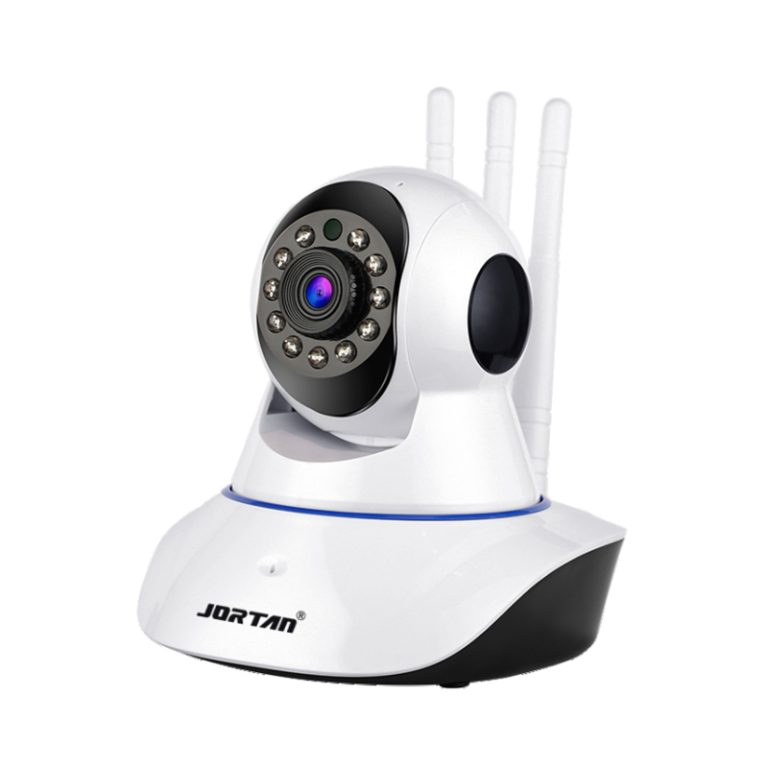
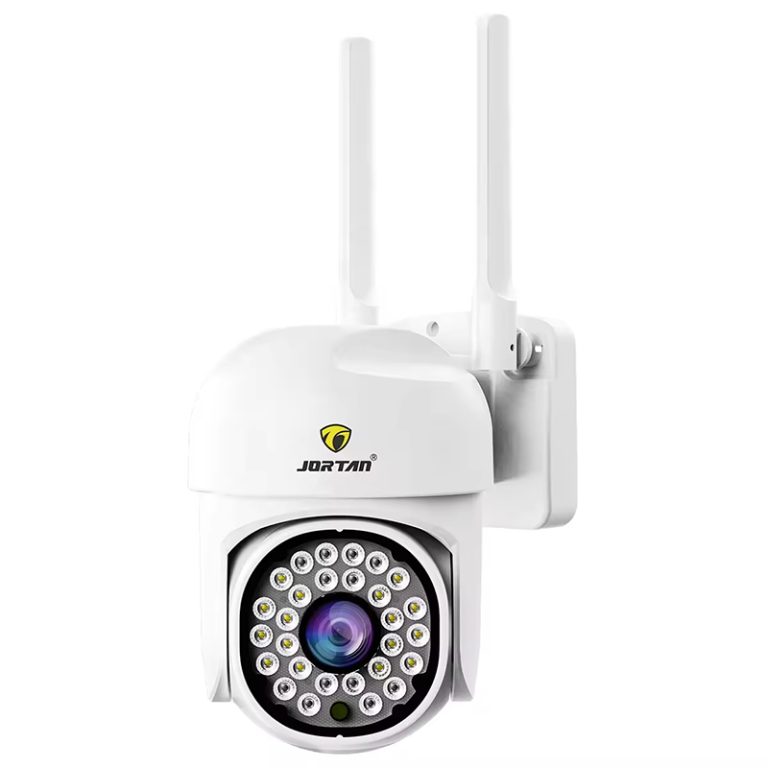
AI-based models keep getting better through machine learning updates that sharpen recognition results as time passes. This kind of learning helps maintain reliability when surroundings change. The Jortan JT-8698PRO includes human shape detection and human shape tracking, which means the camera can focus more specifically on people rather than reacting to every general movement.
Processing Requirements and Hardware Implications
Human shape analysis needs more computing power because it depends on neural networks and GPU support. Systems that use edge computing manage this well by carrying out the work on site instead of sending information to the cloud. Motion detection runs easily on basic hardware with very little demand on the CPU. Therefore, it suits small-scale projects.
For integrators planning hybrid systems, combining both methods offers layered protection. Motion sensors can trigger preliminary alerts while AI modules confirm human presence before escalation.
Integration with Modern Surveillance Systems
AI-driven cameras fit smoothly with cloud analytics platforms that allow central control and forward-looking threat review. Motion-based sensors still act as helpful additions in multi-tier setups where backup is necessary. Compatibility with existing network video recorders (NVRs) or video management software (VMS) remains a key point during procurement reviews.
Evaluating Performance in Real-world Security Scenarios
Choosing between these two technologies also relies on the surrounding conditions and the main operational goals.
Indoor vs. Outdoor Applications
Outdoor locations gain from human shape detection because they deal with changing light levels, moving plants, or passing vehicles. All of these can set off false alarms in systems that rely only on motion detection. Indoor spaces such as offices or retail stores may do well with motion detection alone due to steady lighting and fewer types of movement. Environmental elements like shadows or pets affect accuracy in different ways for each system.
Response Time and Event Verification
AI-powered cameras give alerts with useful context because they include image verification tools. These let operators review live video before they send out guards.
Traditional motion detectors react more quickly, yet they cannot classify what they see. They are unable to tell if an intruder is a person or simply something moved by the wind. Finding the right balance between speed and accuracy matters a great deal in high-security areas like factories or logistics centers where every second is important.
Cost Considerations in 2026 Security Planning
Procurement teams must evaluate not only upfront pricing but also lifetime value when planning large-scale deployments.
Installation and Maintenance Factors
Human shape detection cameras usually call for a larger upfront cost because of their advanced processors. Still, they lower running expenses by producing fewer false alarms that need attention. Motion-detection devices cost less at the start but can lead to extra spending on manual checks or repeated adjustments. Maintenance plans vary with firmware update schedules. AI models call for regular software improvements, while basic sensors only need occasional tuning of their sensitivity.
Long-term Value Assessment for Organizations
AI-enhanced analytics support proactive prevention rather than a reactive response. By storing suspicious facial images and defining abnormal behavior on the platform, the system automatically analyzes the surveillance footage in the monitored area and automatically issues alerts when it detects individuals or behaviors that meet the defined criteria. This predictive approach reduces manpower requirements over time and strengthens situational awareness across enterprise networks. Data-driven insights derived from human shape analytics also assist corporate security managers in optimizing patrol routes and resource allocation.
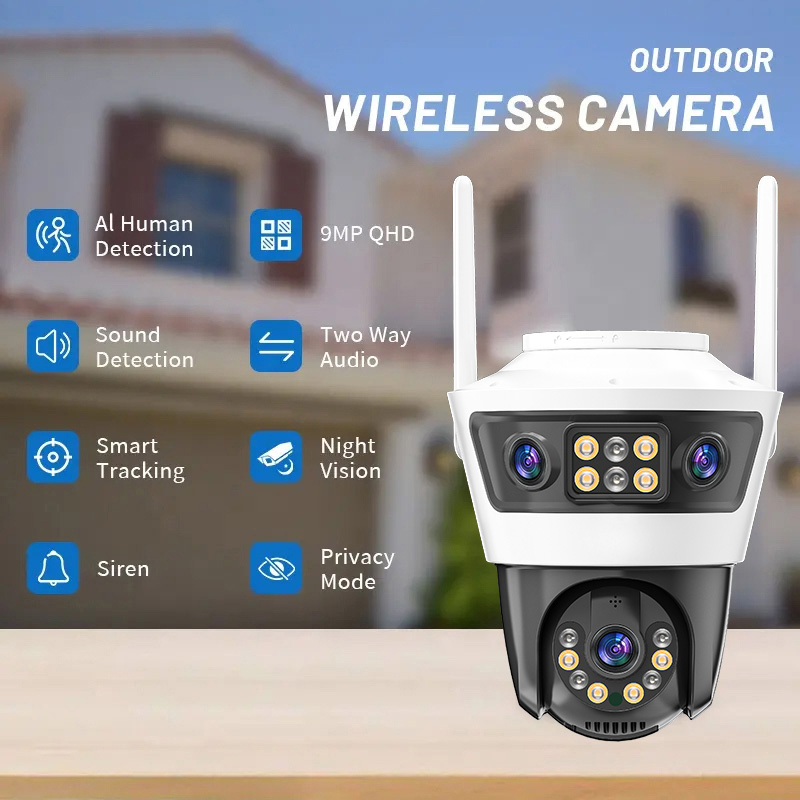
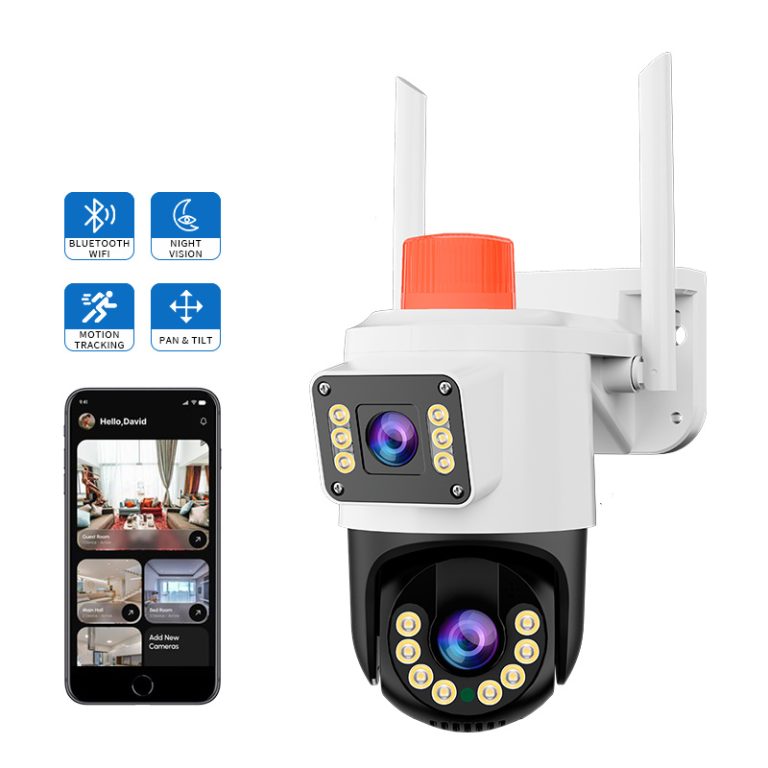
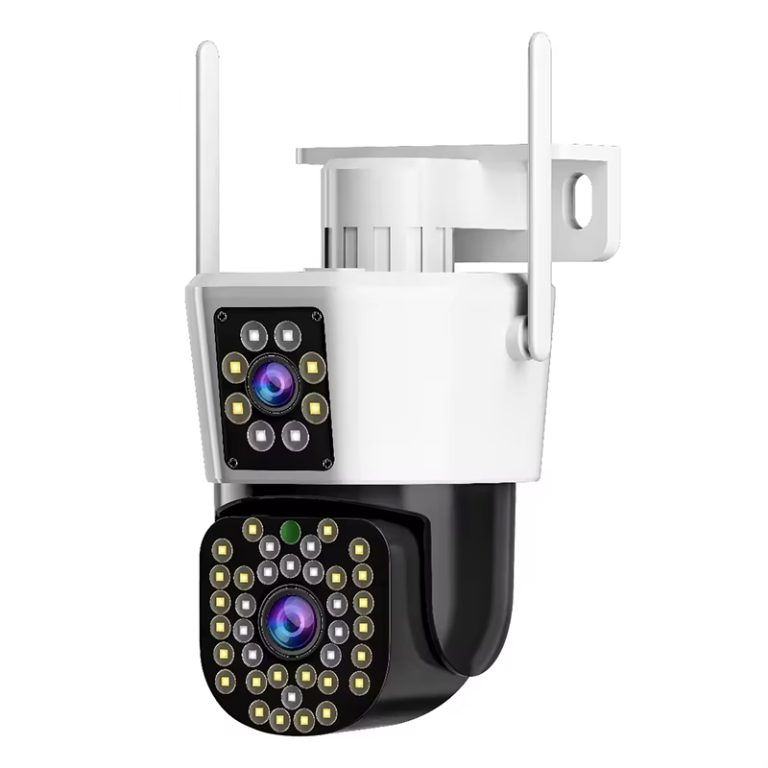
For buyers seeking cutting-edge solutions integrating both AI recognition and efficient encoding performance, Jortan 6 supports H.265 video compression and 2.4G wireless digital signal transmission, helping the camera deliver practical outdoor monitoring through the ICSEE app.
Procurement Advice: How B2B Buyers Should Choose Detection Functions
Decision-makers responsible for large-scale deployments should align technology selection with operational risk levels and budget constraints before finalizing supplier contracts.
Match Detection Type to Project Risk and Budget
Projects requiring precise identification—such as industrial parks or transportation hubs—benefit from AI-enabled human-shape systems capable of multi-target tracking up to 15 meters. Low-risk residential areas might rely on traditional motion detectors, where cost efficiency outweighs advanced analytics needs.
Test False Alarm Control in Real Application Scenarios
Before bulk purchasing, conduct pilot installations under representative lighting conditions to measure actual false alarm rates. Vendors offering demo units can help validate algorithm performance against environmental noise like rain reflections or vehicle headlights.
Check Supplier Support for Firmware, App Stability, and After-Sales Service
Reliable suppliers provide long-term firmware updates, ensuring continuous improvement of AI models along with stable mobile applications for remote monitoring. Evaluating after-sales responsiveness is essential for integrators managing multiple client sites simultaneously.
Plan SKU Options for Residential, Commercial, and Remote-Site Projects
Different project types demand tailored SKUs balancing resolution, power consumption, connectivity options (PoE/Wi-Fi), and analytics depth. Vendors capable of customizing configurations across these categories simplify supply chain management during phased rollouts.
For organizations prioritizing scalable AI surveillance ecosystems integrated into smart park frameworks, Smart Factory Dynamic Control Solution demonstrates how structured video analysis algorithms enable early warning functions linking people, vehicles, and object trajectories seamlessly within one platform.
FAQ
Q1: What are the main advantages of choosing human shape detection over standard motion detection?
A1: Human shape detection minimizes false alarms by recognizing actual human forms instead of generic movements. It supports features such as automatic tracking of human trajectories at distances up to 15 m while retaining key evidence through zoomed imaging functions—capabilities absent from conventional motion sensors.
Q2: How should project managers balance cost versus performance when selecting between these technologies?
A2: Managers should consider total cost of ownership rather than unit price alone; although AI-based cameras are more expensive initially, they reduce long-term labor costs associated with manual event verification thanks to intelligent filtering mechanisms.
Q3: Which camera model is suitable for general outdoor surveillance projects?
A3: Jortan offers a professional range, including the Jortan 6, which supports H.265 video compression and 2.4G wireless digital signal transmission, helping the camera deliver practical outdoor monitoring through the ICSEE app. Its PTZ structure, 9MP resolution, IP66-rated housing, and night vision design make it suitable for home, yard, and general outdoor surveillance projects.