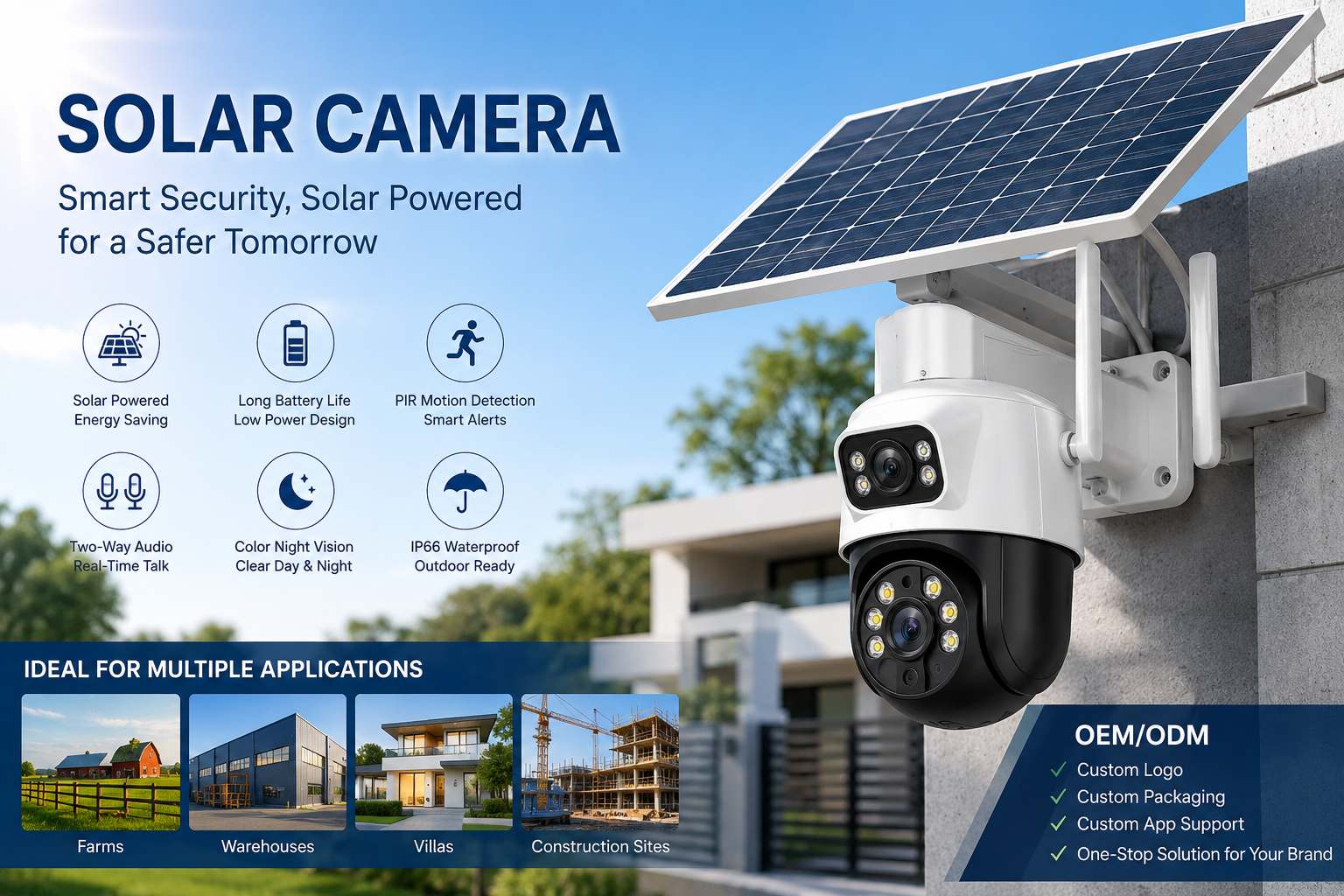
Solar camera demand is moving beyond simple outdoor home use. For distributors, installers, and private label buyers, these products now offer a practical way to cover remote gates, yards, farms, warehouses, and temporary sites where wiring cost or power access can slow down a project.
Why Solar Cameras Are Becoming Practical for B2B Security Projects
The biggest advantage of solar cameras is still installation flexibility. Many outdoor sites are not friendly to traditional wired cameras. Farms, fence lines, warehouse yards, parking areas, construction-stage projects, and villa entrances may sit far from indoor power points. Running cable across these areas can raise labor costs and slow down installation.
Solar cameras help buyers avoid part of that pressure. They can be mounted where sunlight and wireless signal are available, then used for basic or advanced monitoring depending on the model. For engineering contractors, this can make quoting easier. For distributors, it also gives local dealers a product that solves a real site problem.
Main Solar Camera Types Buyers Should Know
Basic Low-Power Solar Cameras for Entry-Level Outdoor Monitoring
Basic low-power solar cameras are suitable for price-sensitive buyers and simple outdoor scenes. These products usually focus on wireless connection, battery operation, app viewing, motion alerts, and night vision. They are easier to sell in retail channels because the customer can understand the value quickly.
The key is to position these products correctly. They are not always the best choice for wide-area project work. They are better for small outdoor points, gates, yards, and places where simple remote viewing is enough.
PTZ Solar Cameras for Wider Area Viewing and Flexible Angle Adjustment
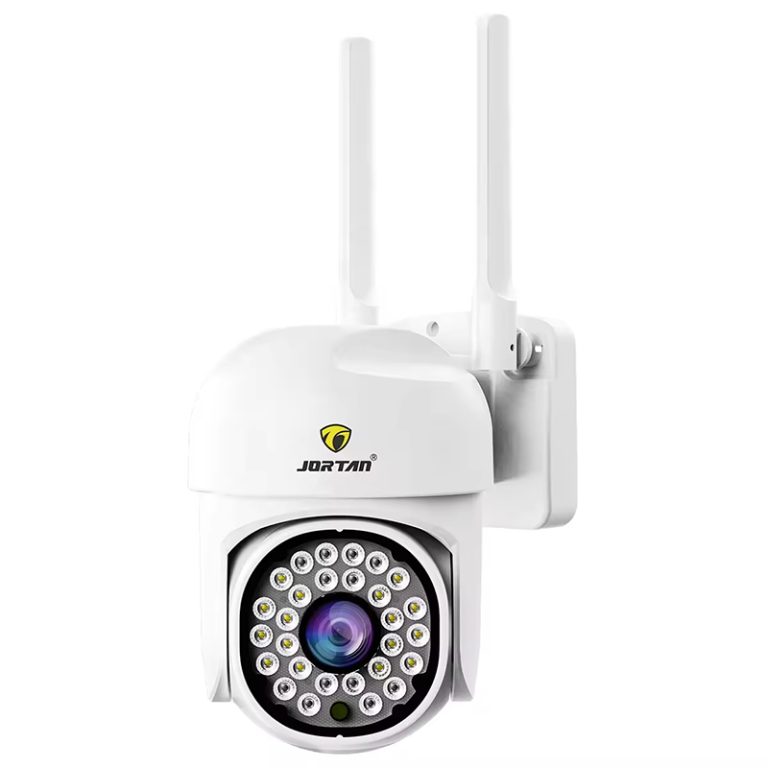
PTZ solar cameras are more suitable when buyers need flexible viewing angles. A fixed camera sees one direction. A PTZ structure gives installers more freedom after mounting, especially in yards, farm roads, warehouse exteriors, and open areas.
For B2B buyers, PTZ models also create a stronger mid-range product level. They usually look more professional than basic battery cameras and can be sold to local installers, small security contractors, and outdoor project buyers.
Dual-Lens and Multi-Lens Solar Cameras for Broader Coverage
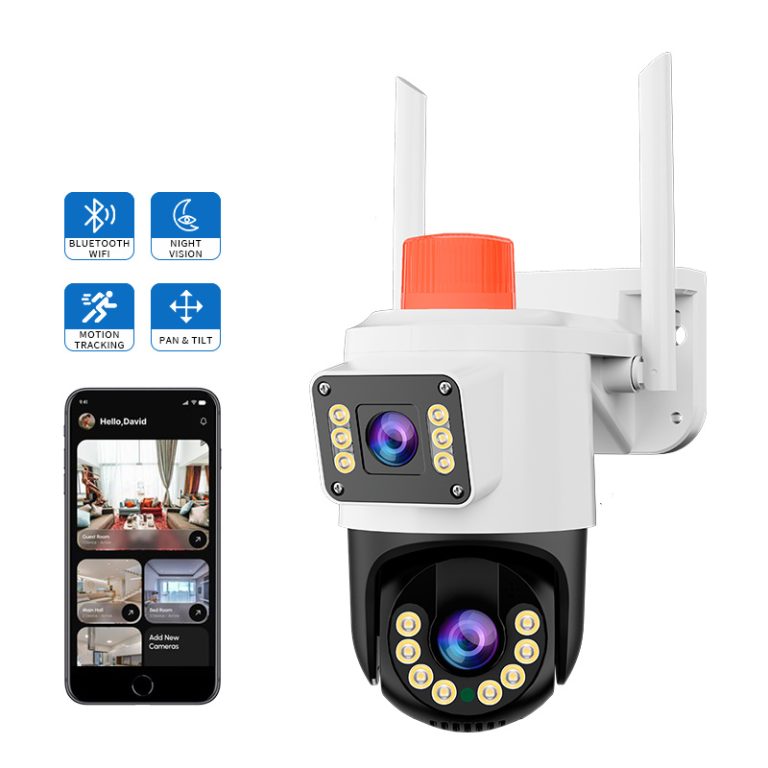
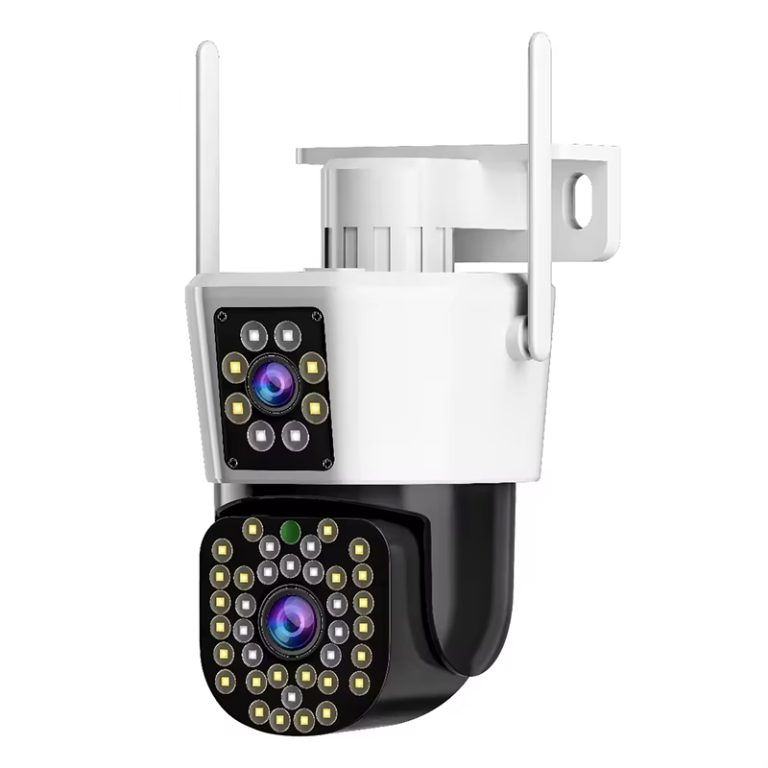
Dual-lens and multi-lens cameras are becoming more common because many outdoor areas have more than one viewing direction. A gate may need to see both the road and entrance. A yard may need a wide view and a closer view. A warehouse exterior may need to cover the wall side and vehicle approach. Jortan’s solar cameras include JT-8699T, a dual-lens solar camera for outdoor security projects where wiring is difficult.
AI Solar Cameras for Human Detection, Tracking, and Smarter Alerts
AI solar cameras are a better fit for buyers who want fewer useless alerts and stronger security value. Basic motion detection reacts to movement. Human detection and tracking are more useful when the project needs people-based alerts around gates, yards, warehouses, villas, and commercial exterior areas.
Which Functions Matter Most in a 2026 Solar Camera Line
Solar Panel, Battery Capacity, and Low-Power Working Design
The first thing to check is not the camera shell. It is the energy system. Buyers should ask about solar panel output, battery capacity, charging time, standby consumption, working time under normal use, and behavior during cloudy weather.
Night Vision, Two-Way Audio, Motion Alerts, and Alarm Light
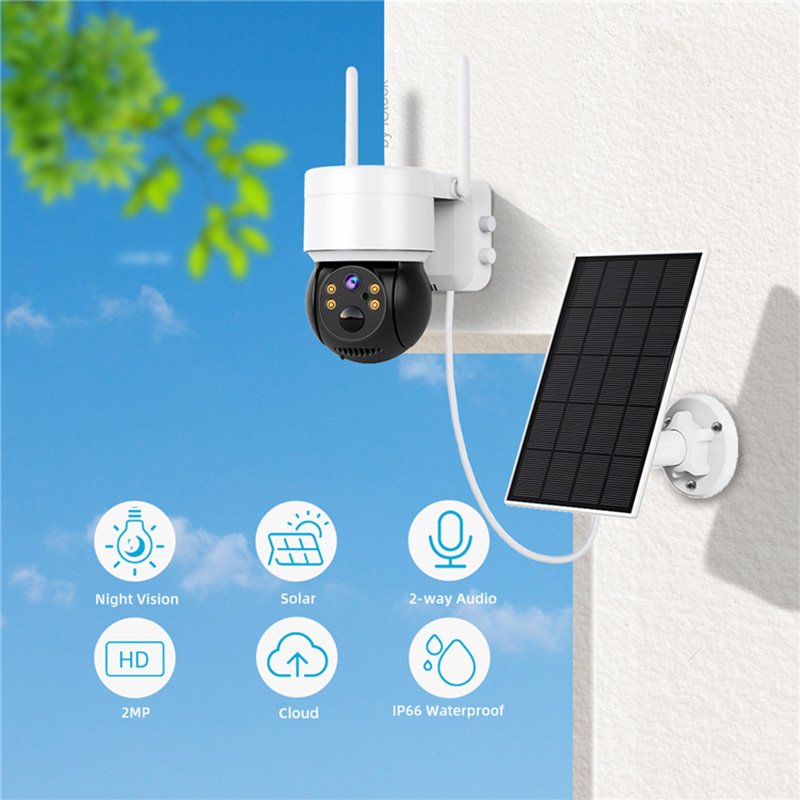
Outdoor monitoring is often needed at night. Buyers should test whether the night image is clear enough for the real site. Infrared night vision, color night vision, alarm light, and two-way audio can all be useful, but the best mix depends on the market.
A farm gate may need simple alerts. A warehouse yard may need a clearer night image. A villa buyer may care about two-way voice. A shop exterior may need an alarm light to make the camera more visible.
App Compatibility, Wireless Connection, Storage, and Waterproof Protection
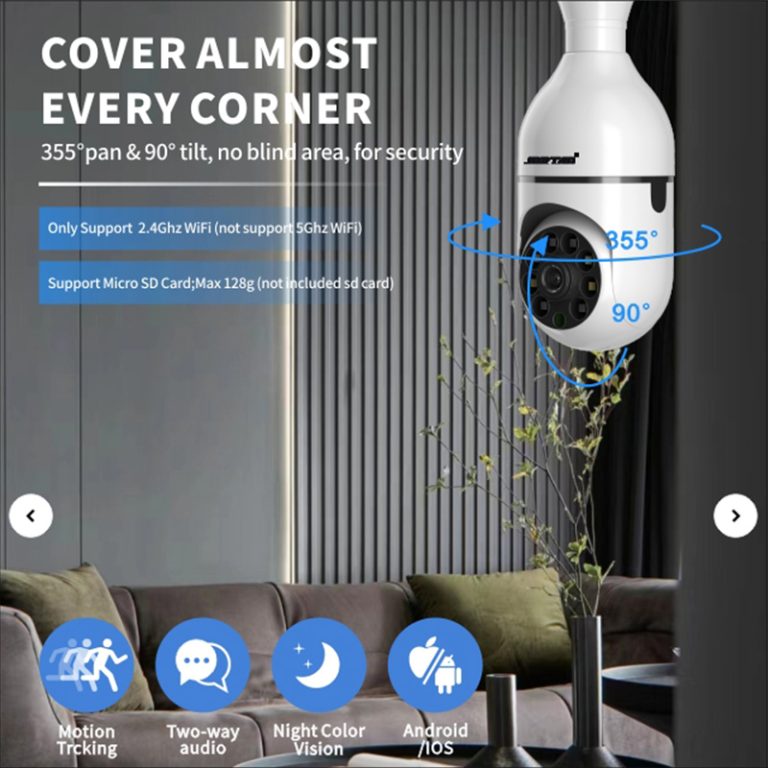
App experience can decide whether a product sells again. If setup is difficult or notifications are unstable, the local dealer will hear complaints quickly. Jortan solar camera products show app directions such as ICSEE, Yoosee, Tuya, and XMEYE across different models. Buyers should confirm app language, setup steps, notification behavior, and whether the app is suitable for the target market.
Storage also matters. Some customers prefer cloud storage. Others want a local card. Project buyers may ask about ONVIF or compatibility with existing systems. For outdoor models, waterproof rating and housing quality should always be checked before bulk orders.
What B2B Buyers Should Check Before Sourcing Solar Cameras
Match Camera Type to Local Sales Channel and Project Scenario
A distributor selling through retail shops may need attractive packaging and easy setup. An installer may need stable brackets, good app guidance, and fewer setup problems. A project buyer may need repeat supply, technical documents, and stable model availability.
Test Real Battery Life, Night Performance, App Stability, and Alert Accuracy
Do not approve bulk orders only from product photos. Test battery life under normal alert frequency. Test night vision outdoors. Check app connection and reconnection. Review motion alerts, human detection, alarm light, sound, and local storage.
Confirm MOQ, Sample Policy, Warranty, OEM/ODM, and Packaging Support
Solar camera buyers should confirm MOQ, sample cost, delivery time, OEM logo support, retail box design, warranty process, and after-sales response. Jortan product pages mention customized logo, OEM, ODM, online technical support, and retail box customization on some product pages, while its OEM/ODM page also lists logo customization, packaging box customization, product appearance customization, and APP customization.
Final Procurement Advice: Build a Mixed Solar Camera Product Line
Prepare Entry, Mid-Range, and AI-Feature SKUs for Different Budgets
A strong solar camera line should include at least three levels. Entry models can serve price-sensitive retail buyers. Mid-range dual-lens or PTZ models can serve installers and outdoor users. AI-feature models can support premium sales and project discussions.
This structure gives sales teams more room. They can get quotes from different buyers without changing suppliers every time.
Combine Solar Cameras with IP Cameras and Monitoring Packages When Needed
Solar cameras are useful, but they should not replace every other camera. Indoor areas may still need IP cameras. Larger projects may need monitoring packages. Warehouse, shop, villa, and farm projects often work better with a mixed plan.
For example, a warehouse project may use IP cameras indoors, PTZ or dual-lens models outdoors, and solar cameras at remote gates or fence lines. This kind of mixed product plan is easier to sell to project customers.
Choose Suppliers That Support Repeat Orders, Branding, and Project-Based Service
For 2026 global buyers, a solar camera supplier should support more than one order. Buyers should look for stable model supply, OEM/ODM service, clear parameters, sample support, warranty terms, and project-based communication. If the supplier can help match camera types to different sales channels, the product line will be easier to scale.
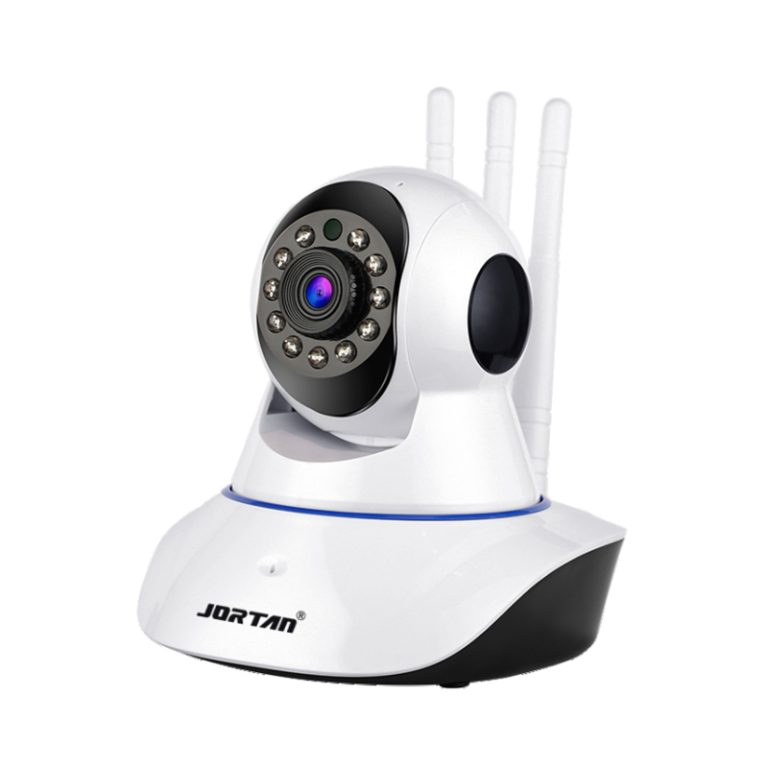
Jortan can be used as one reference supplier because its solar camera category includes low-power, PTZ, dual-lens, and AI-feature directions. Buyers can start with samples, test the main scenes, and then build a mixed product line for retail, installer, and project channels.
FAQ
Q1: What types of solar cameras should distributors include in a product line?
A1: Distributors can prepare entry-level low-power solar cameras, PTZ solar cameras, dual-lens or multi-lens outdoor models, and AI solar cameras with human-based alerts. This makes the product line easier to match with retail buyers, installers, farms, villas, warehouses, and outdoor project customers.
Q2: What parameters matter most before bulk purchasing solar security cameras?
A2: Buyers should check solar panel output, battery capacity, video resolution, night vision, app platform, wireless connection, storage method, waterproof rating, motion or human detection, alarm light, two-way audio, warranty, and real battery performance. Sample testing should be done outdoors before bulk orders.
Q3: Can solar cameras support OEM or private label security camera projects?
A3: Yes. Solar cameras can support private label projects when the supplier offers logo printing, retail box customization, manuals, stable model supply, warranty service, and technical support. For deeper brand plans, buyers can also discuss ODM changes such as housing, color, app use, and product configuration.