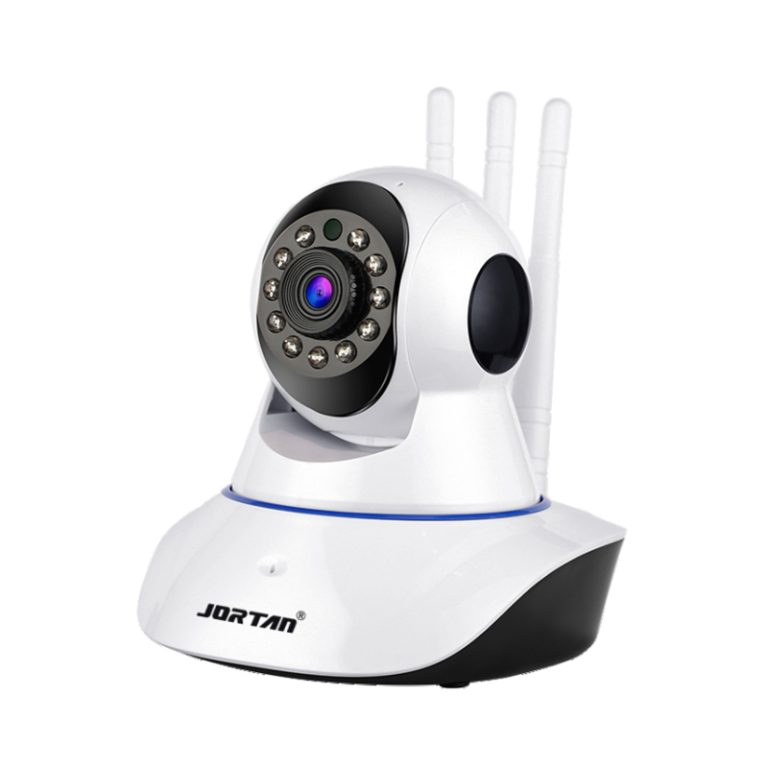
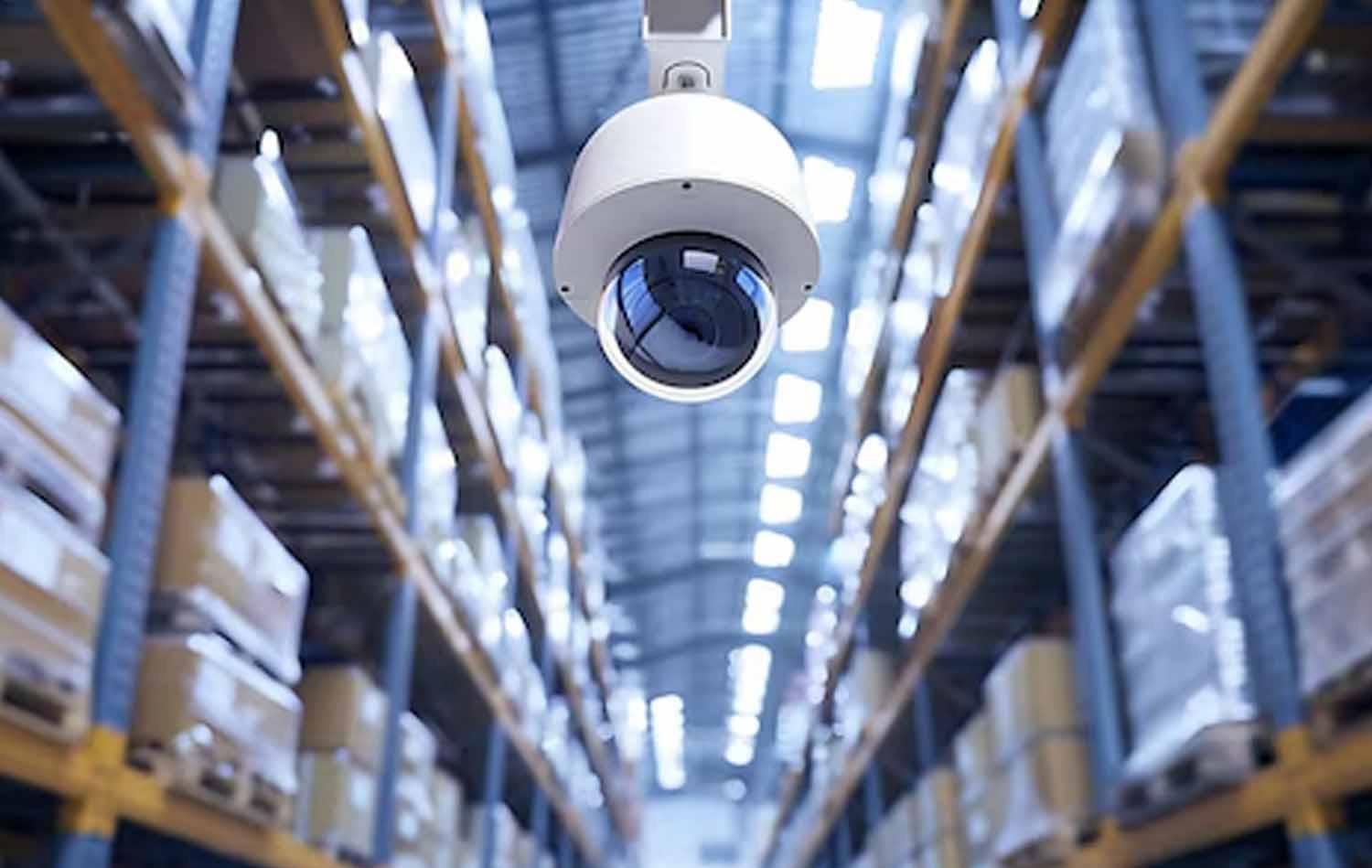
Warehouse security camera installation is not only about adding more cameras. For distributors, project installers, and brand buyers, the real work is matching each warehouse zone with the right camera type, stable product supply, and a practical installation plan.
Why Warehouse Camera Planning Matters for B2B Security Projects
Warehouse projects usually have more complicated site conditions than ordinary home camera installation. There are trucks moving in and out, workers picking goods, storage racks blocking sightlines, and outdoor areas exposed to rain, dust, and poor lighting. A camera placed too low may be blocked by cartons. A camera placed too far away may miss small details at the loading dock.
For engineering contractors, poor planning creates rework. For distributors, wrong product matching may lead to complaints from local installers. For brand buyers, it may increase returns or make the product line look less professional. So the better approach is simple: divide the warehouse into key zones first, then select camera types by viewing distance, power access, installation height, network signal, and project budget.
Key Warehouse Areas That Need Camera Coverage
Main Entrances and Vehicle Gates
The entrance is usually the first point to plan. Trucks, staff, visitors, and delivery vehicles all pass through this area. Cameras here should capture vehicle movement, gate activity, and general entry records.
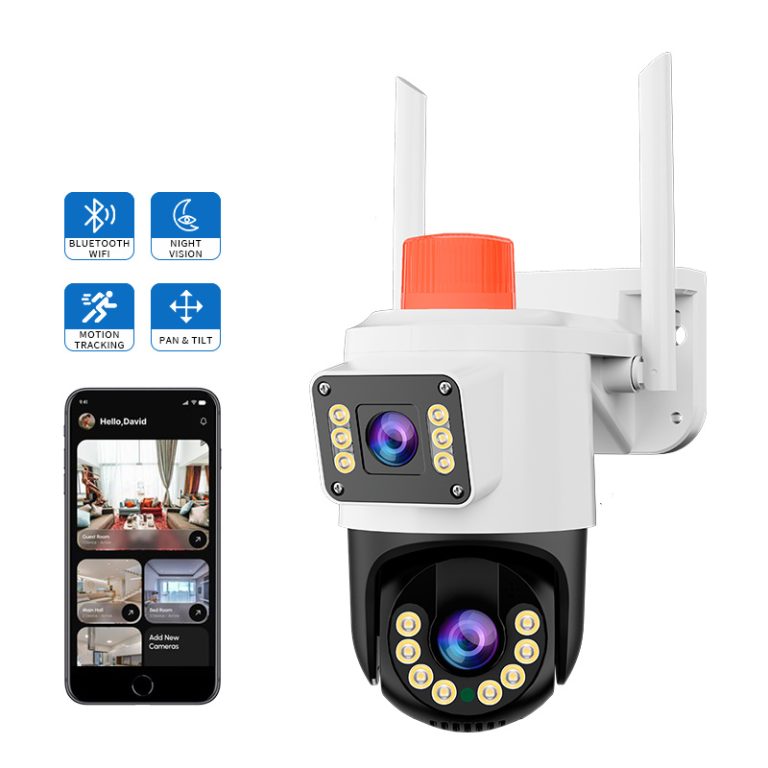
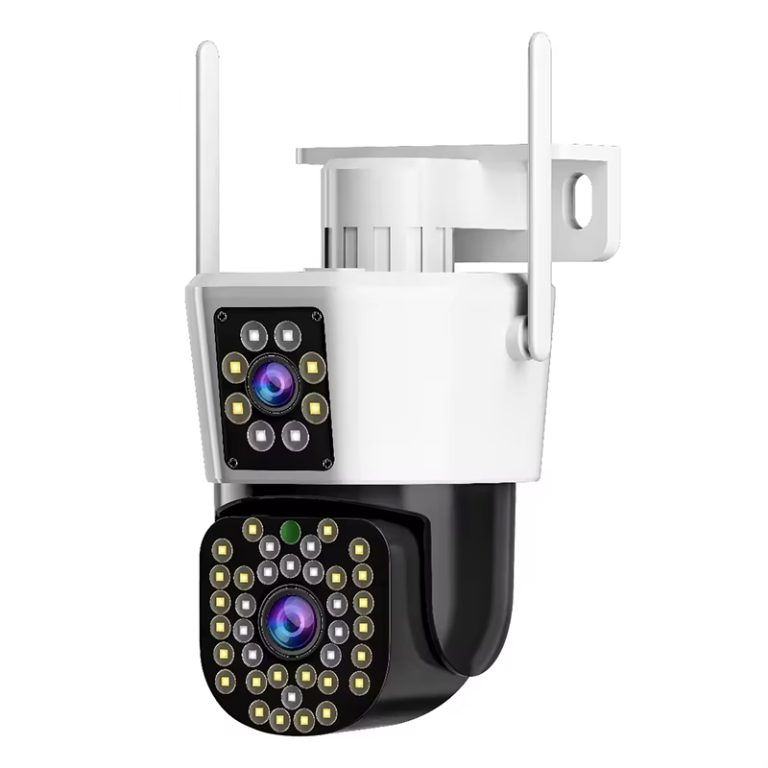
For this position, outdoor PTZ cameras or dual-lens cameras are usually more practical than basic indoor models. A PTZ structure allows the installer to adjust the viewing angle after mounting. Dual-lens designs can help cover a wider scene, especially when a warehouse gate has both vehicle and pedestrian movement.
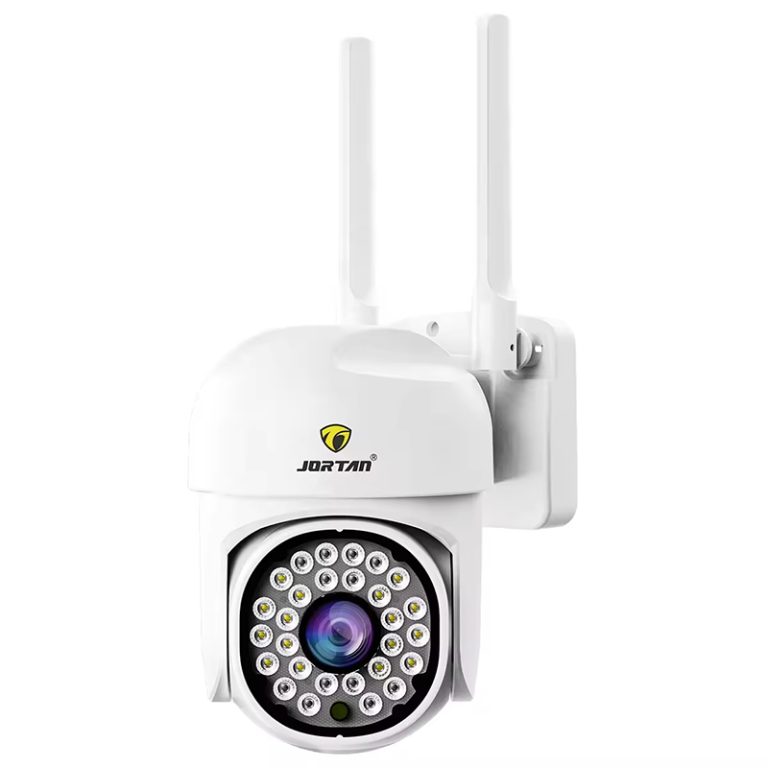
Jortan models such as JT-9697QJ are positioned as outdoor PTZ security cameras with dual lenses, H.265 video compression, IP66 weatherproof rating, night vision, and Yoosee app use. That makes this type of product a suitable reference for warehouse gates and larger outdoor entrances.
Loading Docks and Unloading Areas
Loading docks often have the highest dispute risk. Goods may be damaged during handling. Boxes may be missed during loading. Drivers and warehouse staff may need video records when checking delivery problems.
A fixed IP camera can work for a small dock. For larger docks, PTZ or dual-lens cameras may be more useful because one camera position can cover a broader working area. If the dock is outside the main building and cable routing is difficult, solar camera options can also be reviewed during the project survey.
Packing, Sorting, and Dispatch Areas
Packing and dispatch areas need steady video records because goods are counted, labeled, boxed, and sent out from these positions. A good camera layout can help warehouse managers review shipment problems, wrong labels, and missing parcels.
For these zones, fixed IP cameras or compact wireless cameras can be suitable when indoor Wi-Fi is stable. If the area is wide, dual-lens models can help reduce blind spots.
Blind Corners, Emergency Exits, and Outdoor Perimeters
Blind corners and exits are often ignored in early project planning. But they are important in real use. These points may include rear doors, side walls, fence lines, outdoor storage corners, and small passages beside the warehouse.
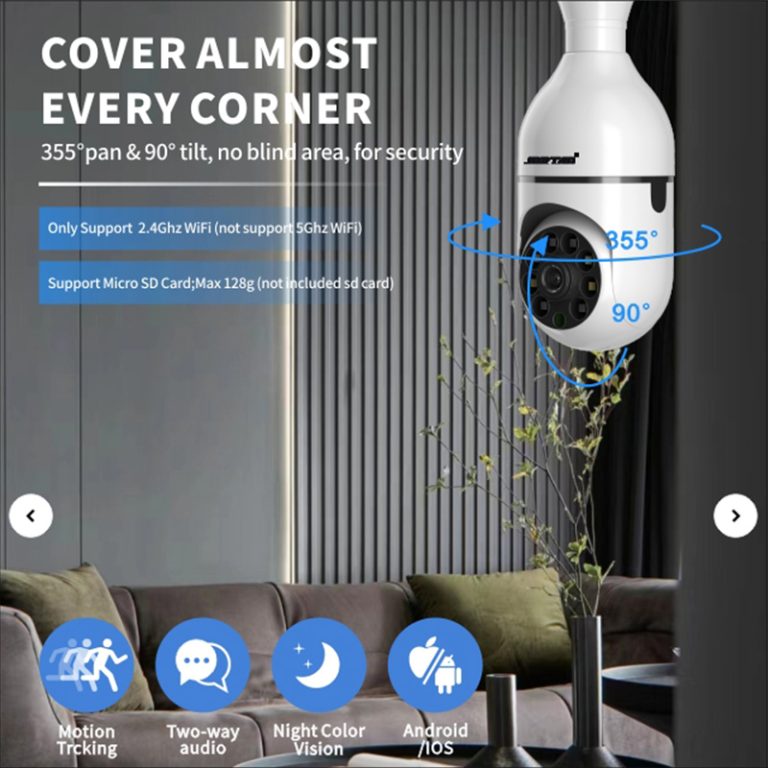
Outdoor cameras should have suitable weather protection. Jortan has several models described with IP66 waterproof or weatherproof features. For example, Jortan6 is listed as a 9MP outdoor dual-lens PTZ network camera with an ICSEE app, 2.4G wireless digital signal transmission, 355° pan, 90° tilt, a waterproof body description, and a night vision design. This type of specification can be useful for outdoor warehouse areas where a wider view and flexible mounting angle are needed.
Solar cameras can also be considered for fence lines, remote gates, open yards, or temporary storage zones. For buyers serving regions where wiring labor is expensive, solar camera options can improve project flexibility.
Which Camera Types Fit Different Warehouse Positions
PTZ Cameras for Wide-Area Monitoring
PTZ cameras are useful for wide warehouse yards, entrance roads, open indoor areas, and large loading zones. They allow horizontal and vertical viewing adjustment after installation. This helps installers fine-tune the scene without changing the mounting position too often. However, PTZ cameras should not replace every fixed camera. A warehouse still needs stable fixed views at doors, aisles, and packing tables.
Dual-Lens Cameras for Larger Viewing Angles
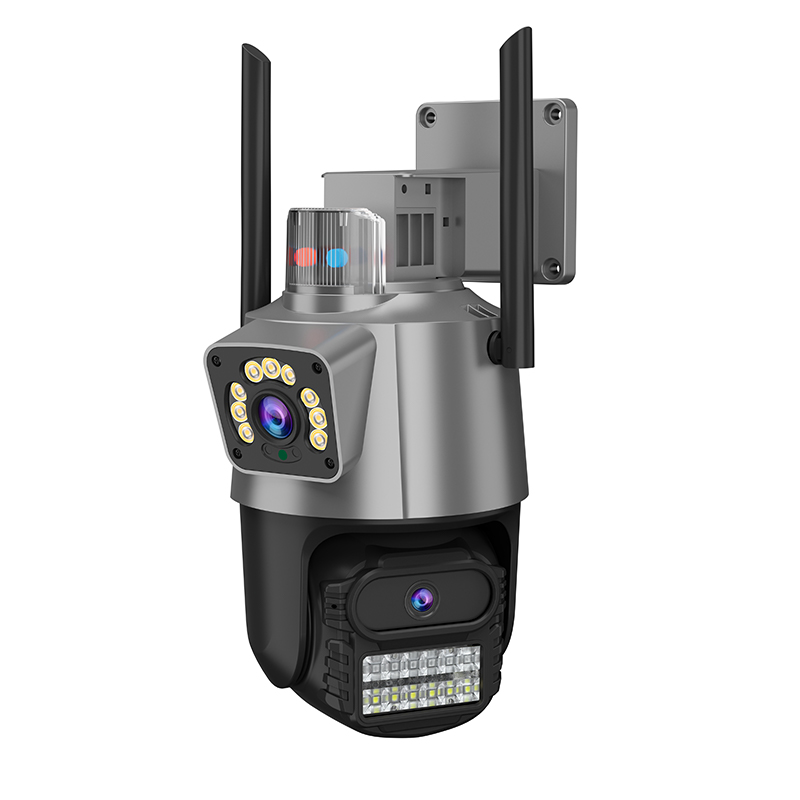
Dual-lens cameras can help cover a broader scene or combine two viewing directions in one unit. This is helpful at gates, corners, outdoor walls, or warehouse yards where one fixed lens may leave too much space uncovered.
Jortan’s products include several dual-lens outdoor models, such as JT-9697QJ, JT-9687PRO, JT-8698PRO, and Jortan6. For B2B buyers, these models can be positioned for projects that need wider area viewing without adding too many separate devices.
Solar Cameras for Outdoor or Hard-to-Wire Areas
Solar cameras fit outdoor positions where power wiring is difficult or costly. Typical warehouse uses include perimeter fences, remote gates, open yards, temporary storage points, and construction-stage warehouse projects.
Monitoring Packages for Multi-Camera Project Deployment
For larger warehouse projects, monitoring packages can make purchasing and installation easier. Instead of buying single cameras one by one, contractors can prepare a matched set for small warehouses, medium logistics spaces, or larger storage sites.
How Engineering Contractors Should Plan Installation
Check Lighting, Height, Viewing Angle, and Network Conditions
Before ordering in bulk, contractors should walk through the site or request a site drawing. Mark the entrance, dock, rack rows, packing tables, office area, side exits, and outdoor perimeter. Then check lighting and possible image blockage.
Camera height matters. Too low, and people or forklifts block the view. Too high, and facial or package details may be weak. Network signal should also be tested before wireless cameras are selected. If Wi-Fi is unstable, a wired or mixed plan may be safer.
Balance Camera Quantity, Coverage Range, and Budget
More cameras do not always mean a better project. Some positions need fixed close views. Others need wide coverage. The buyer should calculate camera quantity by risk zone, not by guesswork.
A practical plan may include indoor IP cameras for aisles, PTZ cameras for wide areas, dual-lens cameras for gates and corners, and solar cameras for hard-to-wire outdoor points. This mix gives contractors more flexibility when quoting different warehouse sizes.
Prepare for Night Monitoring, Weather Exposure, and Remote Access
Warehouses often operate early in the morning or late at night. Night vision should be checked for loading docks, outdoor yards, side exits, and perimeter areas. Outdoor cameras should be selected with weather exposure in mind.
Remote access is also important for warehouse owners who manage more than one site. Jortan products list ICSEE or Yoosee app use on several models. For B2B buyers, app stability and user guidance should be checked before placing a larger order, especially when selling through installers or local dealers.
Final Procurement Advice for Warehouse Security Projects in 2026
Match Camera Types to Different Warehouse Zones
Do not use one camera type for the entire warehouse. Use fixed IP cameras for aisles and indoor positions, PTZ cameras for wide spaces, dual-lens cameras for entrances and corners, and solar cameras for outdoor points where wiring is difficult.
Check Installation Efficiency Before Bulk Orders
Engineering contractors should confirm mounting height, viewing angle, power access, network signal, and cable routing before buying in volume. This reduces installation delays and avoids unnecessary model changes after goods arrive.
Choose Suppliers That Support Project-Based Orders
For distributors, contractors, and brand buyers, the supplier should offer more than a low unit price. Jortan offers customized logos, OEM, ODM, online technical support, retail box customization, sample delivery, bulk order lead time, and a one-year warranty on several product pages. These details matter when buyers are preparing repeat orders or local brand programs.
FAQ
Q1: What camera types should buyers prepare for warehouse projects?
A1: A practical product mix usually includes fixed IP cameras for indoor aisles and entrances, PTZ cameras for wide warehouse yards, dual-lens cameras for corners and gates, and solar cameras for outdoor or hard-to-wire areas. For larger projects, monitoring packages can help simplify purchasing and installation planning.
Q2: What parameters should be checked before bulk purchasing warehouse cameras?
A2: Buyers should check resolution, lens angle, night vision distance, video compression, app platform, storage method, power supply, waterproof rating for outdoor models, operating temperature, and wireless requirements. For warehouse projects, stability and installation fit are more important than chasing every advanced feature.
Q3: What should distributors ask Jortan before placing OEM or project orders?
A3: Distributors should confirm MOQ, lead time, logo printing, retail box customization, warranty terms, sample availability, technical documents, and after-sales response. They should also share the warehouse layout, application area, and target price level so the supplier can recommend a more suitable camera mix for the project.