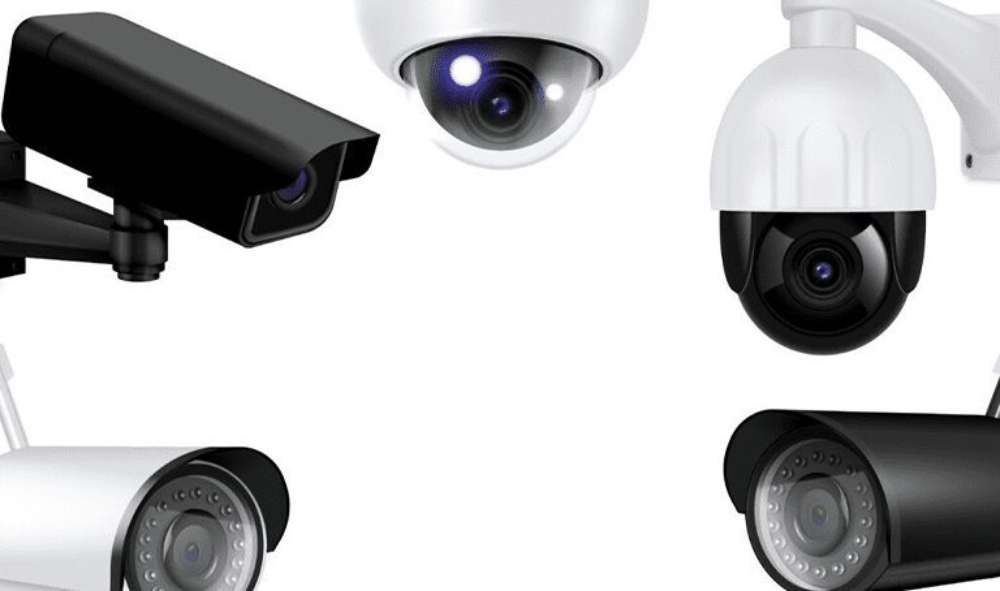
PTZ camera technology plays a bigger role these days as security requirements go past basic fixed views. In contrast to common CCTV cameras, PTZ cameras give remote pan, tilt, and zoom features that boost area coverage, subject following, and viewing options. It pays to learn how PTZ technology operates and the spots where it brings the best results before you compare PTZ cameras to usual CCTV setups.
Understanding PTZ Camera Technology
Pan-Tilt-Zoom (PTZ) cameras show a key step up in surveillance tools, providing active watching options that mix exact handling and smart setup.
What a PTZ Camera Is and How It Works
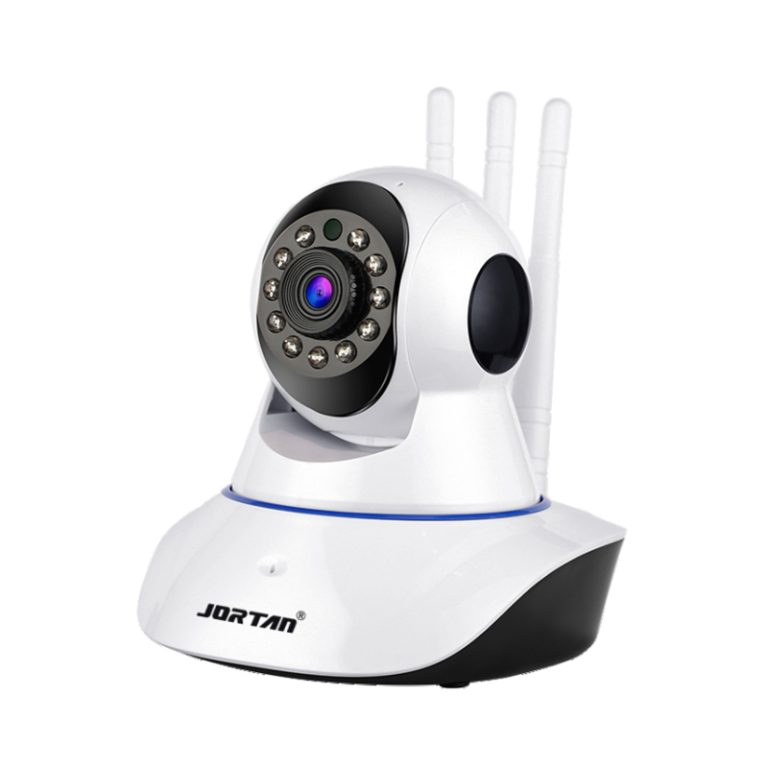
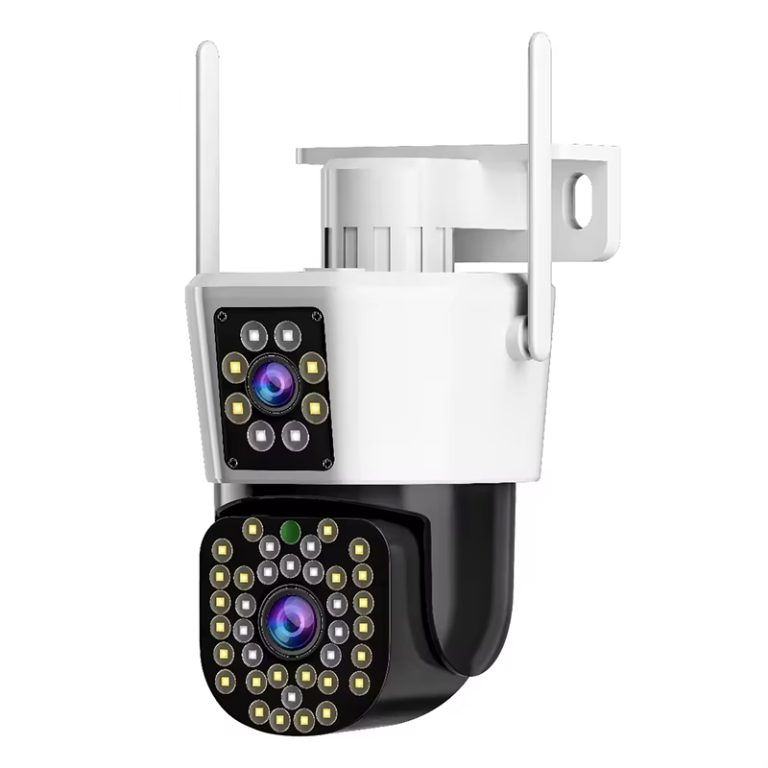
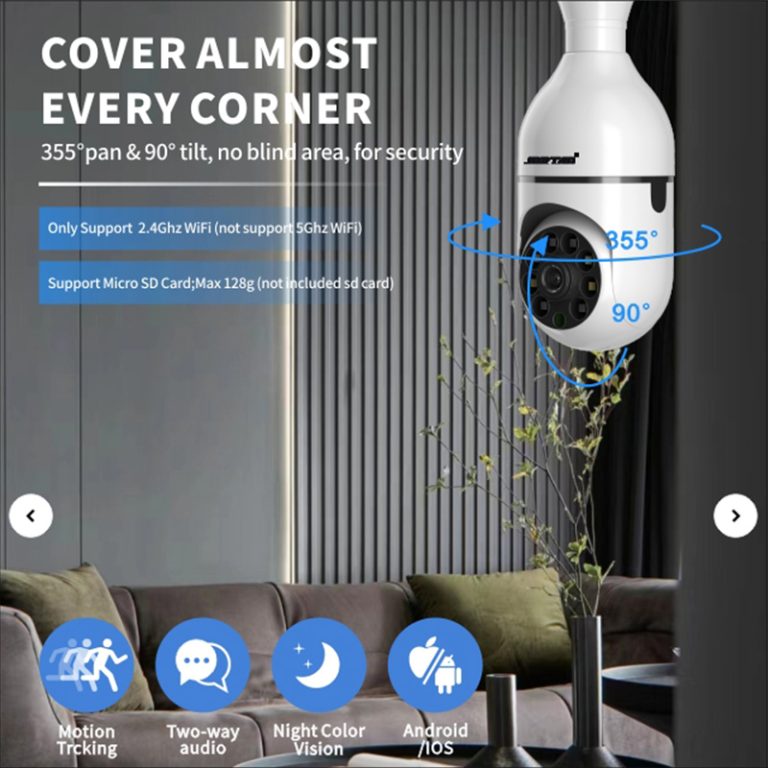
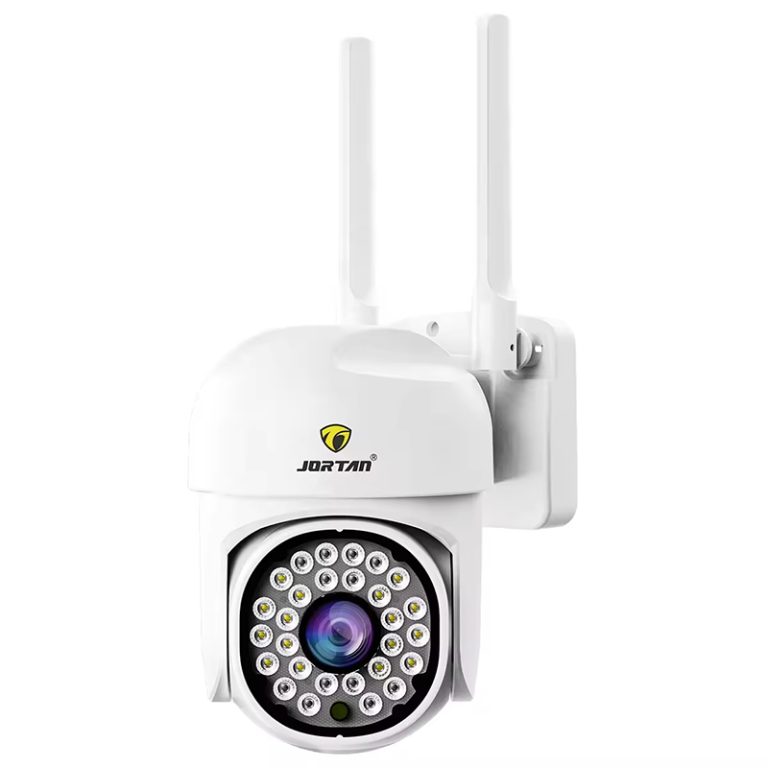
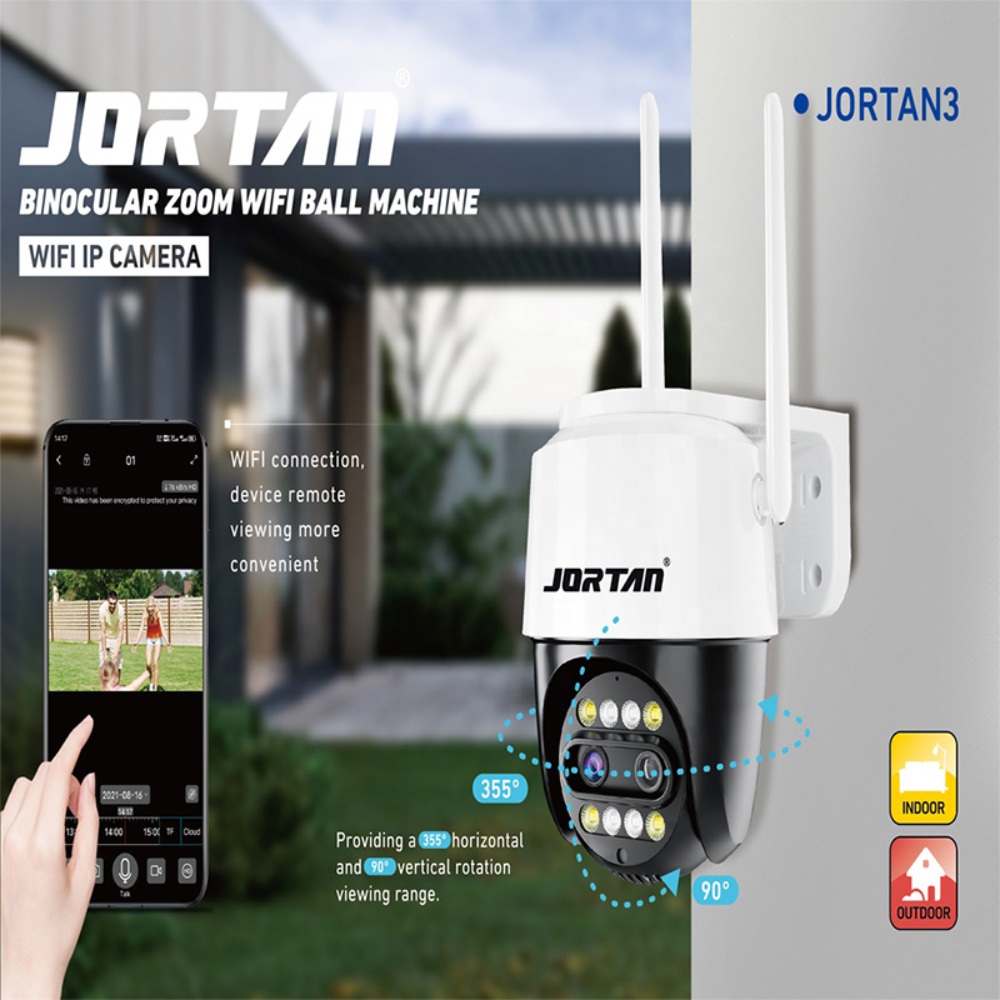
A PTZ camera takes its name from the skill to pan (shift left and right), tilt (move up and down), and zoom near or far to grab distant items. The mechanical build lets it cover wide spaces with ease, so it fits well for home and work security plans. A PTZ is a mechanical device that allows the camera to rotate vertically and horizontally. Indoor and some outdoor surveillance cameras are equipped with a PTZ. The PTZ can rotate horizontally and vertically. Such adaptability sets PTZ cameras apart from fixed or dome kinds, which hold steady viewing ranges.
Key Components of a PTZ Camera System
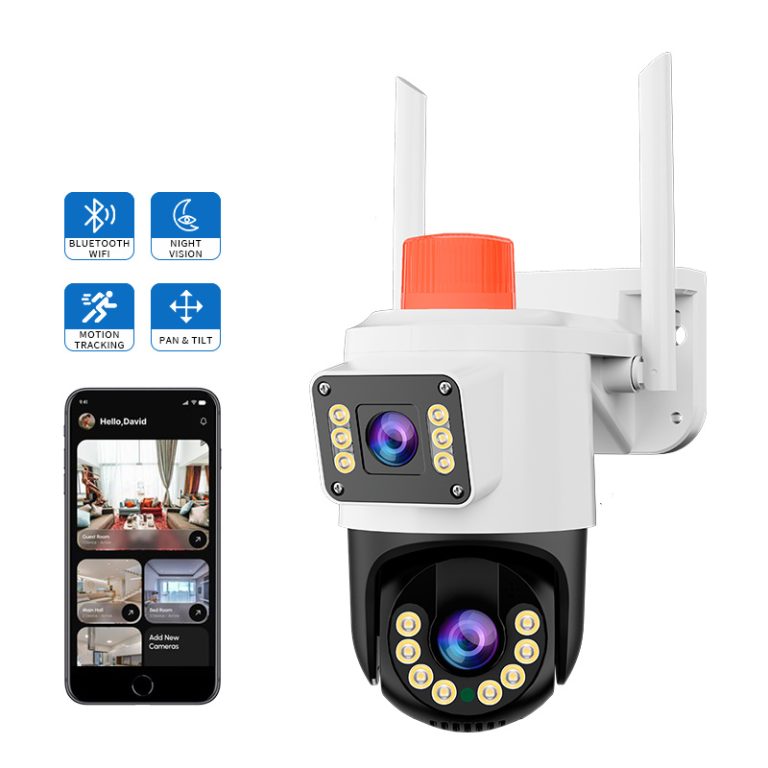
The core of a PTZ camera is a motorized base that enables precise movement across multiple directions. Optical zoom lenses allow image magnification without sacrificing clarity, while built-in sensors improve the accuracy of motion detection. Jortan aligns with this direction by offering PTZ camera solutions that combine stable hardware performance with practical smart functions, including mobile client remote monitoring, alarm message push, and MJPEG snapshot support. Connectivity options range from Ethernet and Wi-Fi to 4G LTE, helping maintain reliable data transmission in both standard installations and remote environments.
Evolution of PTZ Cameras in Home Security Applications
The growth of home security cameras has matched gains in digital pictures and network tools.
Transition from Traditional CCTV to Smart PTZ Systems
Old analog CCTV systems have slowly made way for IP-based types that send video via networks, not coaxial wires. With the fast growth of the smart home field, home surveillance cameras have turned into a must-have safety item for lots of homes. Adding AI methods lets smart checks happen, like spotting people and knowing their actions. Cloud storage adds more ease of access since users can look at videos from a distance using phone apps — most new PTZ types back this up.
The Role of 4G Connectivity in Modern PTZ Cameras
PTZ cameras with 4G work best for places without power lines, such as farms or job sites where cables can’t reach. These tools use cell networks to send live video in a safe way, and they often handle SIM cards for easy placing. When you look at Wi-Fi or wired links, 4G types provide more freedom, though they need good data control because of how much bandwidth they take.
Core Features That Enhance Home Security with PTZ Cameras
Smart tools are changing the way home owners deal with safety, using auto systems, clear views, and linked parts.
Intelligent Tracking and Motion Detection Capabilities
Auto-tracking powered by AI helps the camera track moving people on its own in the view area. Support human detection, support customization of other intelligent functions — this skill cuts down on direct control and keeps a good sense of what’s going on. You can set motion areas to your needs, which helps avoid wrong alerts from animals or weather shifts. In smart home setups, these cameras can turn on lights or sounds when they notice strange moves.
High-Resolution Imaging and Night Vision Performance
Clear images matter a great deal for spotting faces or car plates in events. High-definition camera image quality is crucial. Currently, cameras on the market have a minimum resolution of 2 megapixels (1080p); higher resolutions include 3 megapixels (1296p), 4 megapixels (2K quality), and 5 megapixels (3K quality); and even higher still, 8 megapixels (4K quality). In dark conditions, infrared lights keep sights clear even without any light, and color night vision pulls in nearby glow for better detail picks.
Remote Control and Smart Integration Functions
Apps on phones let users handle pan, tilt, and zoom from afar on smart devices or pads. By downloading the app, users can remotely monitor their workstations and homes anytime, anywhere. Working with voice helpers such as Alexa or Google Home brings no-touch use. People can select cloud saving for simple access or SD card local storage for private keeping.
Practical Benefits of Using PTZ Cameras for Home Security
PTZ cameras offer real perks that reach further than just recording video. Better coverage counts as a top gain; turning over wide angles cuts down dark areas in big spots like yards or paths. Their open shifts also warn off people, as those trying to break in see the active watch.
Two-way audio talk brings live chat by letting you talk with guests or alerts unwanted visitors. As time goes on, these systems cut setup expenses since you need less gear than fixed ones—the ability to grow means you can add more later without changing the base setup.
Key Considerations When Choosing a 4G PTZ Camera System
Picking the best model calls for matching output levels to site conditions. You should check details before you buy, including zoom distance, picture sharpness, frame speed evenness, and view range span. For outside use, you need strong weather guards like IP66 or IP67 to shield from water or dirt well.
How easy it is to install counts too — wall setups work for doors, and pole ones handle open lands nicely. Power comes in forms like PoE for steady power or solar boards and batteries for far places without wires. Keeping data safe is vital with cell networks; coding rules protect the sends, and strong sign-ins stop outsiders from seeing live views.
Future Trends in PTZ Camera Technology for Smart Homes
Automation with AI will guess odd happenings from known action ways, not just basic moves. Face spotting may make warnings personal by distinguishing kin from unknowns. Also, linking in smart home setups will join light switches, alert starts, and door buzzes in one main spot you can reach on phone screens, like in 8185XM. Efforts in green design aim to lower power use with good parts and use nature-safe materials that follow eco guidelines.
FAQ
Q1: What makes a 4G PTZ camera different from regular Wi-Fi models?
A1: A 4G PTZ camera uses cellular connectivity instead of relying on local Wi-Fi networks, making it suitable for remote locations without internet access while still allowing real-time monitoring through mobile apps.
Q2: Can I use solar power with my outdoor PTZ camera?
A2: Yes, many outdoor models support solar panels as power sources alongside traditional PoE options to ensure continuous operation even during power outages.
Q3: How does AI improve home security performance?
A3: AI enhances surveillance accuracy through features like object recognition, auto-tracking, and predictive analytics that identify abnormal behaviors before they escalate into threats.