If you have checked your inbox lately, you might have seen a “price adjustment” notice from a major tech company. It is happening everywhere. In the last year, household names in the security world have all bumped up their subscription fees or hardware costs, sometimes by as much as 20% or 30%. For a homeowner looking for one security camera, it is a nuisance. But for business owners, property managers, and wholesalers, these shifting security camera prices are a major concern that can impact a project’s bottom line. The “big brand” premium is getting heavier, and many are starting to wonder if they are paying for the actual glass and silicon inside the camera or just the multi-million dollar Super Bowl ad that made the brand famous.
The Hidden Factors Pushing Up Security Camera Prices
The global market is not what it was three years ago. We are experiencing a combination of rising logistics costs, fluctuations in raw material prices, and a shift in how companies want to make money. When big brands face these pressures, they usually pass every single cent of that cost directly to you, the buyer, often adding a little extra padding for their shareholders.
Buying gear for a large-scale project requires looking past the glossy packaging. If you are managing home security budgets for a new housing development or a retail chain, you have to account for the fact that a $10 increase per unit becomes thousands of dollars rapidly. This price hike is rarely about a breakthrough in technology; it is about maintaining corporate margins in a volatile world.
Supply Chain Realities and Component Costs
The “brain” of a camera is its image signal processor and the sensor. While the world has moved past the total lockdowns of 2020, the cost of high-grade semiconductors remains high. Shipping a container of electronics across the ocean still costs significantly more than it did in 2019. When you look at security camera prices, you are also paying for the plastic housing, the copper in the wires, and the specialized glass in the lenses. Large brands often have massive overhead—tall office buildings, thousands of support staff, and aggressive marketing teams—which means their price floors are much higher than a lean, factory-direct manufacturer’s.
The Hidden Tax of Cloud Subscriptions
Perhaps the most frustrating trend is the “software lock-in.” Many top-tier brands sell you a camera at a seemingly fair price, only to gate-keep the best features behind a monthly paywall. If you don’t pay the $10 or $15 a month, your “smart” camera becomes a dumb brick that can’t even record a clip. For B2B clients, the situation is a recurring nightmare. Installing 50 cameras across a warehouse makes a subscription model is simply not sustainable. This is why many professionals are moving back to hardware-first solutions, where you own the data and the device, without a “tax” every month just to see your own footage.
Rethinking Home Security Budgets in an Era of Inflation
When inflation hits the grocery store, it hits the tech shelf too. Most people go into a purchase thinking about the upfront cost, but a smart buyer looks at the total cost of ownership over five years. If a “cheap” camera breaks in six months, it’s the most expensive camera you’ve ever bought because you have to pay for the labor to replace it.
Managing home security budgets effectively means finding the “sweet spot”—the point where quality meets affordability. You don’t need a $1,000 military-grade thermal camera for a suburban driveway, but you definitely don’t want a $15 toy from a discount site that loses Wi-Fi every time the microwave runs. The goal is to find equipment that offers “commercial-grade” reliability without the “luxury-brand” markup.
Balancing Upfront Cost with Long-Term Performance
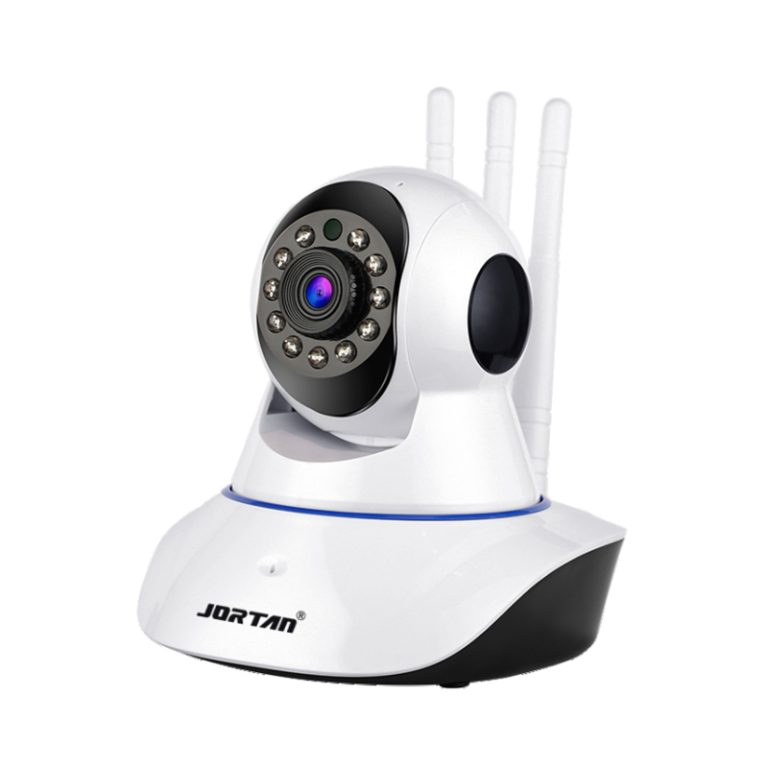
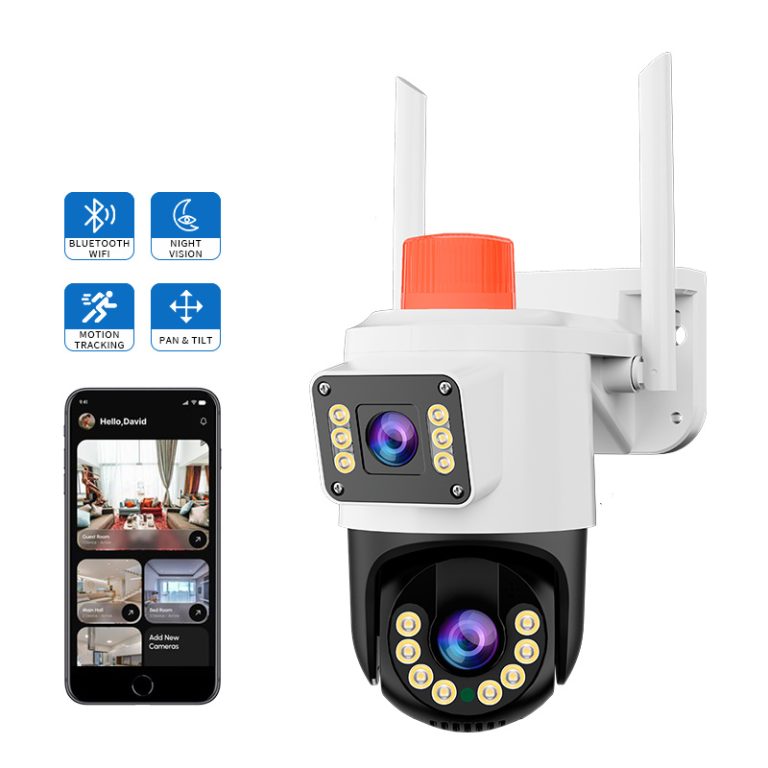
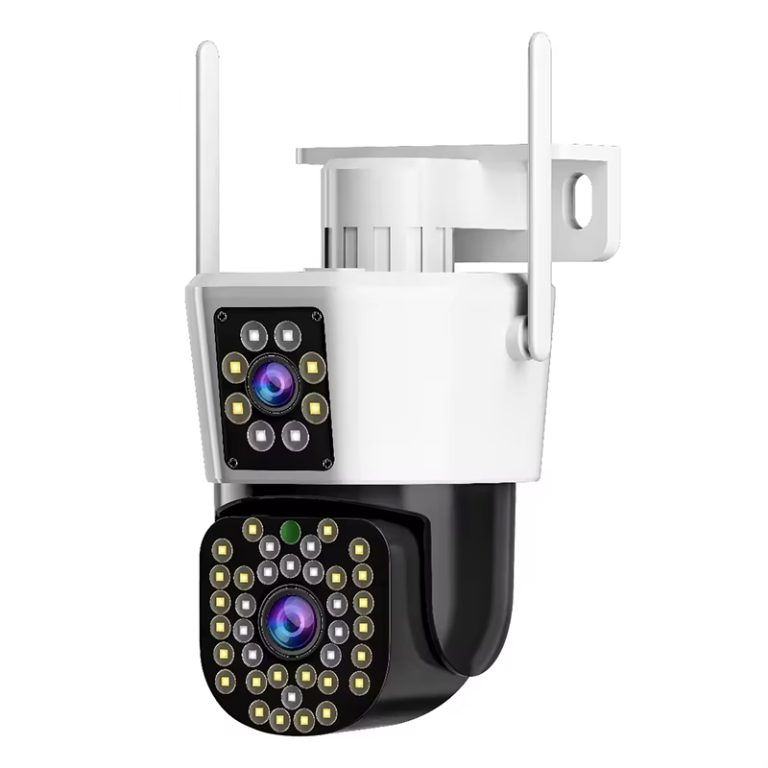
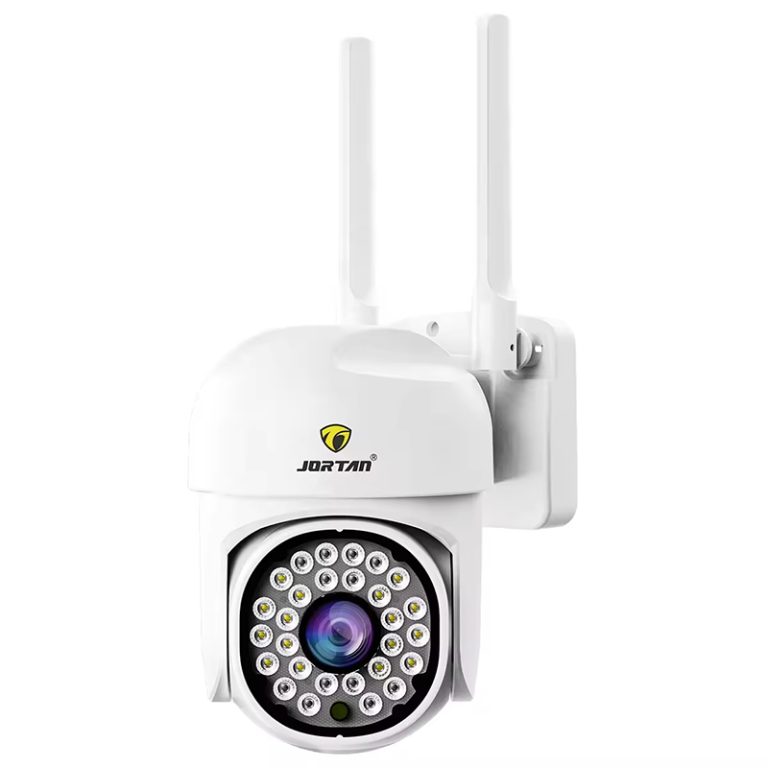
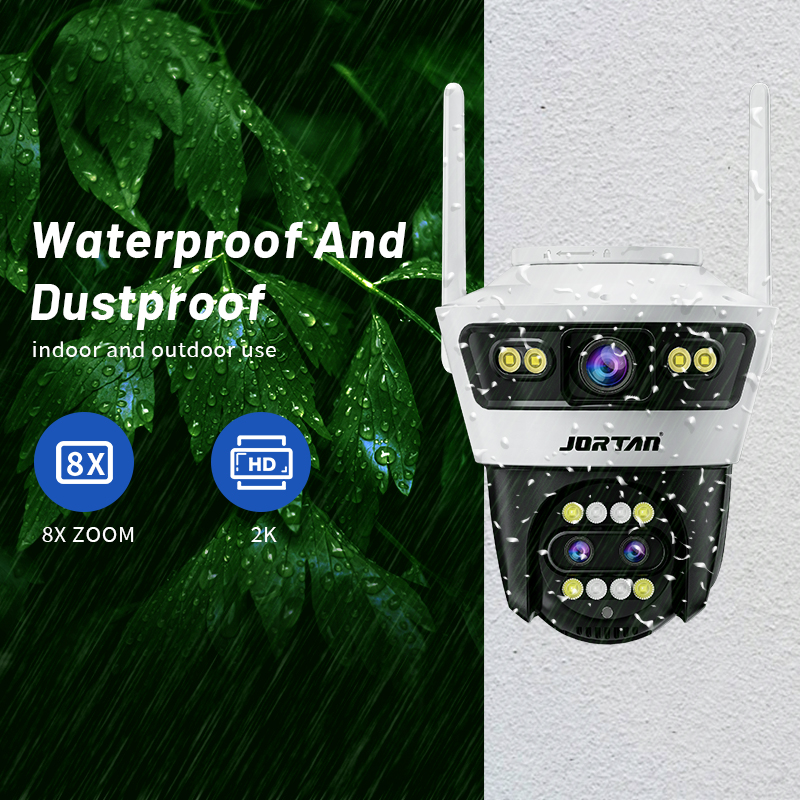
Reliability is the biggest cost-saver. For instance, looking at models like the Jortan 4, you see a focus on sturdy builds that handle the elements. When a business or a distributor picks a partner, they aren’t just buying a box; they are buying fewer tech support calls. If a camera system can stay up and running for 3 or 4 years without needing a hard reset or a firmware fix, it saves hundreds of hours in manpower. High-quality, affordable CCTV systems are those that focus their engineering budget on the internal hardware—the cooling fins, the weather sealing, and the signal stability—rather than on flashy app animations.
Why Brand Names Often Charge a “Marketing Premium”
It is a well-known secret in the industry that many “premium” cameras are made in the same factory clusters as mid-market brands. You are often paying a 40% markup just for the logo. For B2B buyers who need to stay within strict home security budgets, this markup is a deal-breaker. By sourcing directly from brands that own their manufacturing process, like Jortan, you cut out three or four layers of middlemen. Each of those middlemen—the importer, the national distributor, and the regional rep—takes a cut, which inflates the final price. Going closer to the source is the only way to get the best-value cameras in today’s economy.
Why Wireless Security Cameras are Dominating the Market
The shift toward wireless security cameras isn’t just a trend; it’s a response to the high cost of labor. In the past, the “standard” was to pull Cat5 or Cat6 cables through walls, which required professional installers, ladders, and often a lot of drywall repair. Today, time is money.
Modern wireless security cameras have matured. They aren’t the laggy, low-res devices of ten years ago. Now, we have systems that can stream 4K video over a local 2.4GHz or 5GHz band with almost zero delay. For a business owner who needs to set up a quick surveillance net around a construction site or a pop-up shop, these are a godsend. You can have a full system running in 30 minutes instead of two days.
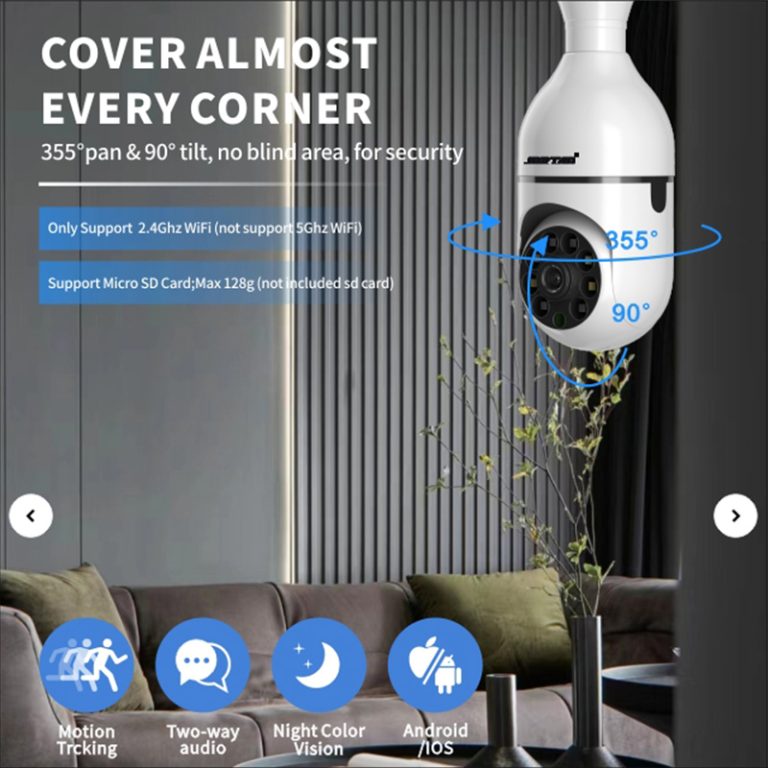
Take a look at the Jortan 5 as a prime example. It combines the ease of a wireless setup with the robust features usually reserved for wired systems. When you don’t have to pay a technician $100 an hour to run wires through a ceiling, your “actual” cost per camera drops significantly. This makes them a core component of any affordable CCTV system strategy. Furthermore, the flexibility to move the camera as your business layout changes is an underrated benefit. If you move your inventory to a different corner of the warehouse, you just move the camera. No new wires, no new holes, just a simple remount.
How to Source Best Value Cameras Without Losing Quality
Sourcing for B2B requires a different mindset than buying for a single home. You need consistency. You need to know that if you buy 100 units today and 100 units in six months, they will work together on the same app and the same network. This is where many “fly-by-night” brands fail—they change their chipsets every month to save a nickel, causing massive compatibility issues for the end-user.
Finding the best value cameras means looking for a manufacturer that has a track record. It is about finding a partner that understands smart surveillance tech needs to be useful, not just complicated. You want features like AI-driven motion detection (that can tell the difference between a cat and a cat burglar) and high-definition night vision that doesn’t look like a grainy 1970s movie.
Choosing the Right Hardware for Large-Scale Projects
For professional installations, sometimes you need the raw power of AHD (Analog High Definition) systems. The 6115AHD-4 is a workhorse for a reason. While everyone talks about “the cloud,” many professional security firms still prefer a hardwired DVR system for its unhackable nature and zero-latency feed. It is about picking the right tool for the job. If you are a wholesaler, having a mix of high-end wireless security cameras and steady, reliable AHD kits allows you to serve every type of customer, from the tech-savvy homeowner to the old-school factory manager.
Leveraging Smart Surveillance Tech in Everyday Business
“Smart” shouldn’t mean “difficult.” The best smart surveillance tech works in the background. We are talking about auto-tracking features found in models like the Jortan 4 AL, which can follow a person’s movement across a yard automatically. This kind of tech reduces the need for multiple cameras to cover a single area. One PTZ (Pan-Tilt-Zoom) camera can often do the work of three fixed cameras. When you calculate the best-value cameras for a project, you have to look at the coverage area. If one smart camera covers the same ground as three basic ones, the smart camera is actually the cheaper option, even if the price tag is slightly higher.
Conclusion
The era of cheap, disposable tech is ending, but that doesn’t mean you have to accept the skyrocketing security camera prices of the big-name brands. By understanding the market forces at play—from supply chain shifts to the “subscription trap”—you can make better decisions for your home security budgets. Whether you are looking for the latest wireless security cameras or robust, affordable CCTV systems, the key is to look for a manufacturer that prioritizes hardware integrity over marketing fluff. At Jortan, we focus on providing professional-grade smart surveillance tech without the unnecessary overhead. If you are ready to secure your next project with the best value cameras that won’t let you down, contact our team at kingjin@safejortan.com.cn to discuss wholesale opportunities and custom solutions.