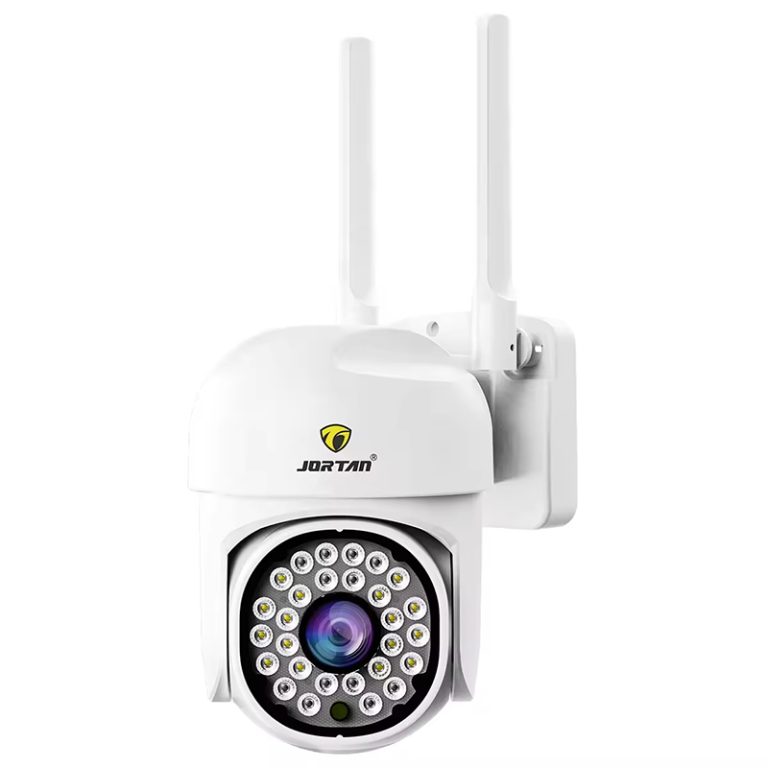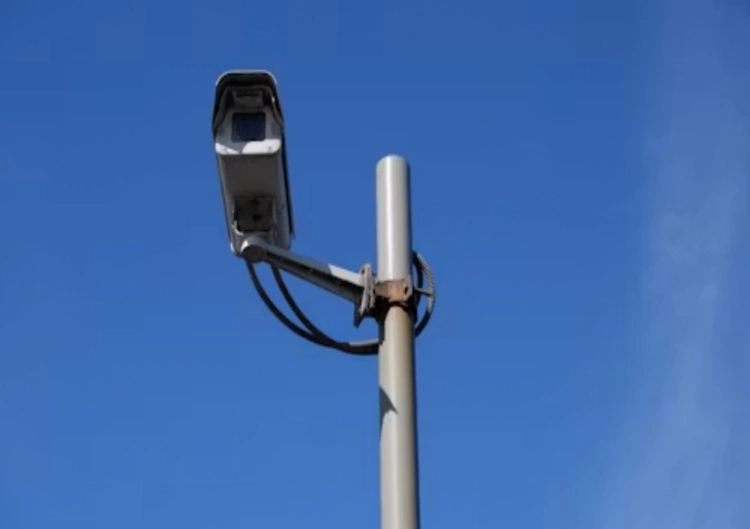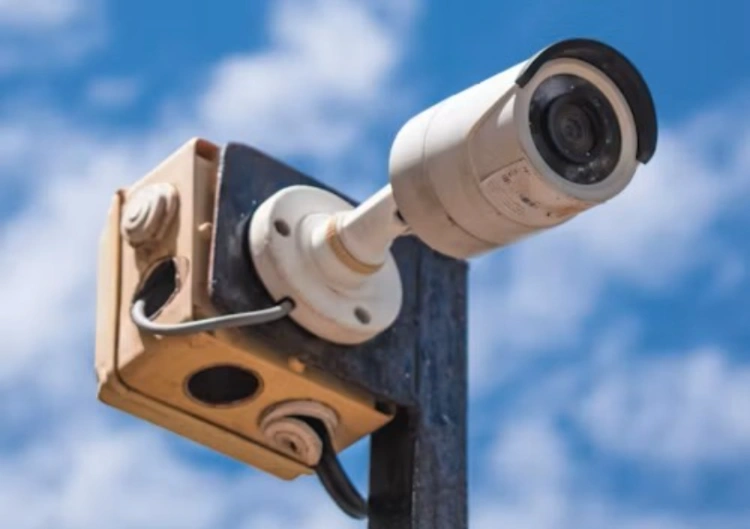

As home security systems grow more connected, WiFi CCTV has shifted from a simple convenience to a key option for today’s homes. In 2026, owners seek cameras that do more than just record video. They want systems with easy access, quick alerts, and simple setup. To see if WiFi CCTV is the best pick, we should first examine how the tech has changed over the years.
How Has WiFi CCTV Technology Developed Over Time?
The path of WiFi CCTV systems mirrors the wider growth in digital links and home automation. At first, CCTV used basic analog links and local storage, which restricted access and growth. WiFi-enabled cameras changed this area by allowing remote viewing and cloud links, turning surveillance from fixed watching to active, live protection.
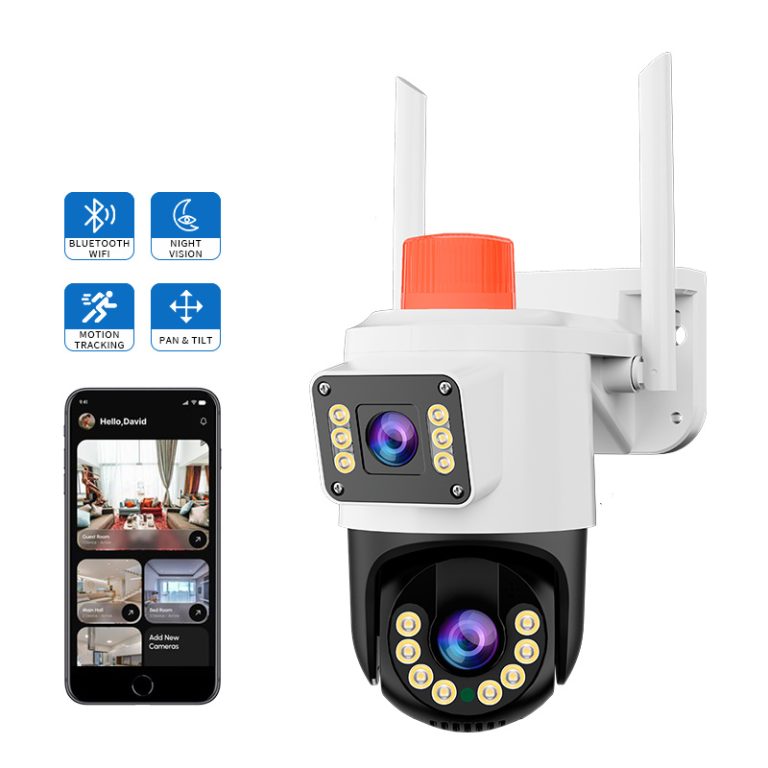
Thanks to better chips, software, and network tools, security cameras have slowly moved from expert uses to everyday homes. More home WiFi cameras now join family spaces. This shift created a major change, where owners could set up smart watching without the hassle of wired setups. Also, these home cameras mainly use WiFi links, TF cards, or cloud storage; basic AI tools like person spotting and sound warnings; plus app control on phones. Such steps linked ease with smarts.
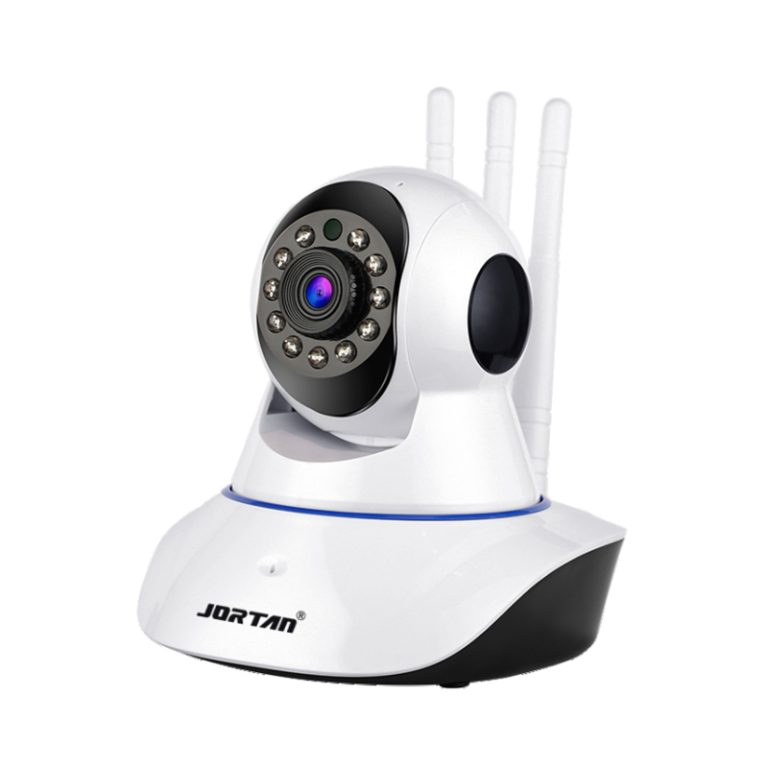
This shift also helps explain why companies such as Jortan have gained attention in the home security market. Founded in 2013, Zhejiang Jortan Electronic Technology Co., Ltd. focuses on security-related products including IP cameras, monitoring packages, and solar cameras, while also offering OEM and ODM customization such as logo, packaging, and color options. That positioning fits well with the current direction of the market, where buyers expect home surveillance to be smarter, easier to deploy, and more adaptable to different needs.
How Have WiFi CCTV Systems Shifted Toward Smart Home Integration?
Linking WiFi CCTV to smart homes has totally altered how people use their security setups. Cameras now connect smoothly with voice helpers like Alexa or Google Home. This lets owners check video via voice orders or linked apps while keeping device automation intact.
As life quality rises, folks pay more attention to home safety. Paired with IoT networks, these cameras share data across devices for better awareness of situations. For instance, battery-run models bring new freedom—built-in battery power and WiFi internet links fully end messy wires. This new idea fits setups in many home spots without changing the building.
What Defines Modern WiFi CCTV Cameras in 2026?
By 2026, top WiFi CCTV systems mix sharp imaging with AI analysis to give active safety, not just recording. Main features cover very clear 4K video, color views at night, and smart motion spotting that tells apart people, animals, and cars.
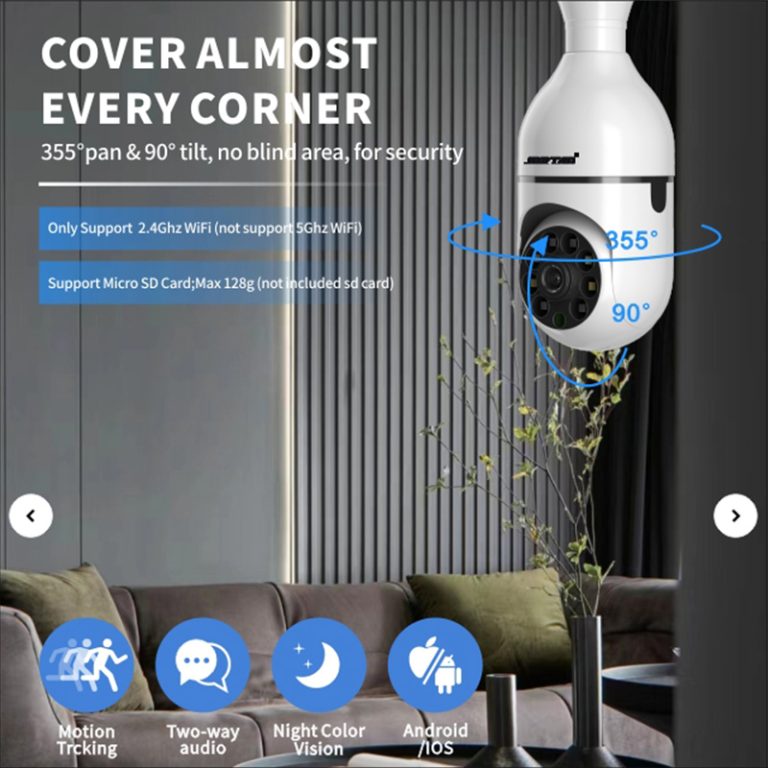
1080P clear image quality switches to infrared in dim light for good night views. Though many setups now go beyond this to full 4K sharpness, this basic trait stays vital for right spotting. Cloud storage gives safe access from any place and adds backup against local gear issues. Yet, local TF card choices stay common for those who value privacy and want offline saving.
Comparing WiFi CCTV to Traditional Wired Systems
Wireless types give top setup ease—great for renters or areas where wires won’t work. Using wired watching could harm the current structure, needing digs and cables, so old wired watching feels tough. On the other hand, wired plans shine in spots that need steady links without signal blocks.
Upkeep costs differ: wireless devices might need regular charging or software fixes, but they cut down on hard setup work. Wired ones require big starting money, yet they offer lasting steadiness for key tasks.
How Does Artificial Intelligence Enhance Smart Surveillance?
AI now sits at the heart of fresh watching plans by allowing ahead-of-time checks, not just response alerts. Smart video tools can spot odd events like hanging around or strange moves on their own. AI-based face spotting helps identify known people or possible threats while cutting wrong alerts from animals or weather shifts. Live notices let users act right away via phone screens—a big plus when time matters in crises.
What About Data Privacy in AI-Powered CCTV Systems?
Though cloud links boost access, they bring risks like unwanted entry or data leaks. To cut this danger, makers use strong coding like WPA2-PSK plus steps for multi-check logins. Following local privacy rules makes sure of fair use of AI-watching gear. Good sellers stress user okay and clear data rules in their setup design.
Which Factors Matter Most When Choosing a WiFi CCTV Camera for Home Use?
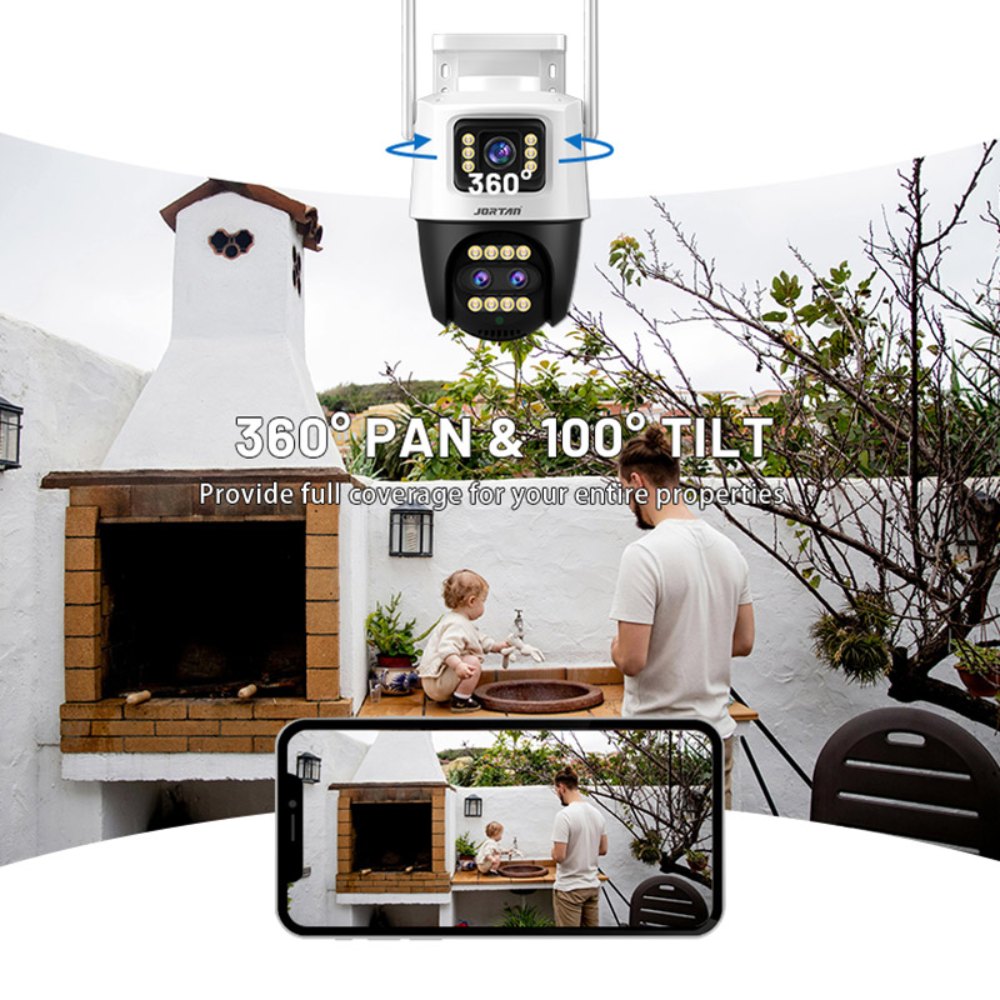
Picking the right WiFi CCTV camera for home means weighing tech skills with daily ease. Past video clearness and cost, a few things affect ongoing joy:
Image Quality and Field of View
Better clearness gives sharper views of faces or plates even in poor light. Broad lenses cut hidden areas by watching big zones with less gear needed.
Connectivity and Network Stability
Steady links form the base for smooth video flow. Two-band help lowers blocks from home gadgets on the same waves—key for nonstop watch times.
Storage Options: Cloud vs. Local Solutions
Cloud choices ease remote checks but might add fees later. Meanwhile, TF card saving gives full rule over video, though it needs handwork.
Ease of Installation and Smart Integration
Easy-start designs allow fast setup without expert aid—a strong point from full wireless plans that make quick and simple installs. Matching with smart centers boosts auto links across lights or alarms in tied homes.
How Can Buyers Balance Cost Efficiency Against Performance in 2026 Models?
The best WiFi CCTV picks now fit many budgets while holding main function levels:
- Basic models center on simple move notices.
- Middle ones add AI spotting and weather-safe covers.
- High-end ones have advanced checks for multi-gear sync over big areas.
Lasting worth comes not just from starting price but also from strength and updated support. Routine software fixes lengthen system life, and low-energy parts lower power use—main points for total cost over years. Systems like battery-powered wireless cameras show green efficiency with low power plans, long battery life, and a built-in big lithium battery for super-long wait times.
What Future Trends Will Shape Home Surveillance Beyond 2026?
Local processing will change quick response by handling video right on each unit, not just in the cloud. This cuts delay and boosts privacy, as key video stays local during checks.
Matching across IoT networks will grow a lot too—letting single screens run lights, sensors, alarms, and cameras no matter the maker. Last, green focus keeps rising as makers eye earth-friendly stuff and low-energy parts. Sun-powered types may hit main use soon, aiding green aims and work freedom in blackouts.
FAQ
Q1: What makes a WiFi CCTV camera better than traditional wired ones?
A1: Wireless cameras skip complex wire needs while giving flexible spot choices; they’re simpler to grow as home wants change without extra building work.
Q2: Are battery-powered cameras reliable for continuous monitoring?
A2: Yes, fresh designs use big lithium batteries tuned for low-power work, giving long wait times even with often moving spots.
Q3: How do AI features improve overall home security?
A3: Artificial intelligence lets smart split between people, animals, or cars, cutting wrong alerts while giving quicker threat spots via auto notices to user gear.