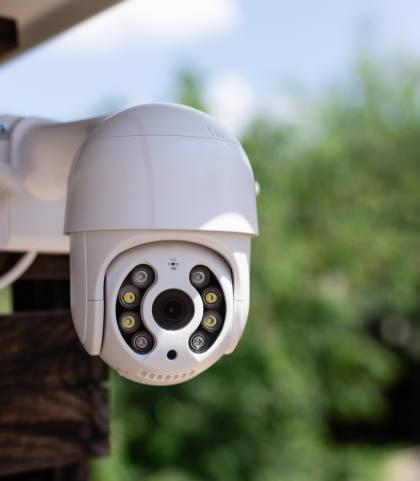
Smart home cameras in 2026 are changing from simple monitoring tools into sharper security aids. People now want clearer video, quicker notifications, better detection, and smoother links with smart home setups. This change is reshaping what true safety means in today’s home protection.
How Are Smart Home Cameras Evolving in 2026?
The market for smart home cameras keeps growing quickly. It mixes advanced AI, strong connections, and better privacy tools to fit everyday family needs. Thanks to progress in chips, software, and networks, these security devices are shifting slowly from expert uses to everyday homes. More WiFi cameras for residences are showing up in houses. This move shows how smart surveillance setups are turning into key parts of linked living spaces.
Emerging Trends in Home Surveillance Technology
Artificial intelligence sits at the core of new smart home cameras. AI-based analysis allows exact motion spotting and face identification, and it cuts down on wrong alerts. Options like spotting people, animals, and cars are becoming usual.
• Motion Detection: Spots movement and starts an alarm or recording.
• Facial Recognition: Spots faces of familiar and strange individuals.
• Pet Detection: Spots animals and lowers false warnings.
These functions make current cameras smarter and quicker to respond.
Connections form another key trend. Wi-Fi 6 gives faster data movement and less delay, while edge computing handles video on-site for better speed and privacy. Users keep wanting models focused on privacy with storage right on the device, as they aim to manage their info without always using cloud services.
The Shift Toward Unified Smart Home Ecosystems
Smart home cameras now blend more into larger IoT networks. They connect easily with voice helpers like Alexa or Google Assistant for control without hands. Automation across devices lets setups happen, such as a camera turning on lights or locks when it sees movement. Standards like Matter and Thread make sure gadgets from various makers talk smoothly, building a single smooth setup for house owners.
What Defines a High-Performance Smart Home Camera?
As tech improves, some traits set top models apart from basic ones. Shoppers today look for excellent picture quality, smart spotting, and solid privacy guards in their smart home cameras.
Image Quality and Low-Light Performance
Current smart cameras focus on clear views in every light setup. Steps forward in 4K HDR pictures give sharp details day or night. Better infrared parts and color night vision offer true images even in almost dark spots. Wider-view lenses cut down on unseen areas, making sure there is full watch over rooms or outside spaces.
With the app download, users can check their work areas and homes from afar at any time. This ease reaches picture clearness—folks now hope for steady sharpness in remote views without delays or twists.
AI-Powered Detection and Alerts
AI-based spotting systems can tell apart people, animals, cars, or natural moves like wind-swayed branches. Learning algorithms from machines keep boosting spot-on accuracy by checking caught video in real time. Built-in voice warnings or auto scare features—like turning on lights or horns—boost active guard against break-ins. Audio-visual mix: Use voice spot algorithms to watch for baby cries and send alerts, or link with smart voice helpers for a more normal chat feel. This shows how AI boosts not just safety but also daily ease.
Data Security and Privacy Considerations
Protecting data stays a big worry for those using linked watch systems. Full end-to-end coding keeps video flows safe in sending and keeping. Extra steps like multi-factor checks add safety to accounts against unwanted entry. Following rules such as GDPR and CCPA builds trust by promising clear ways to handle user info.
How Do Leading Smart Home Camera Models Compare in 2026?
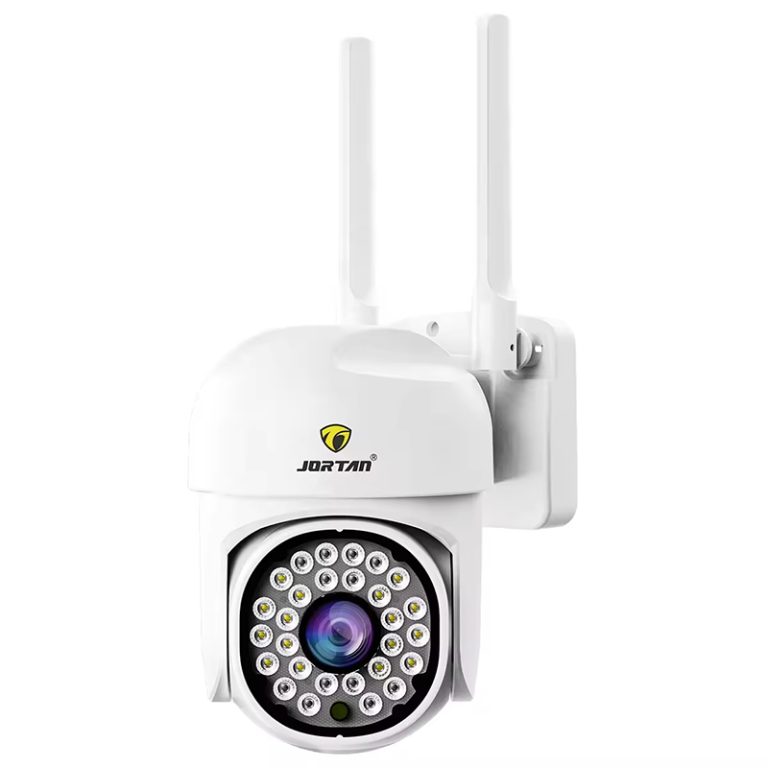
In 2026, makers like Jortan compete hard with varied models made for inside watching or outside guard needs.
Advanced Indoor Security Cameras
Model A: Compact AI Camera with Edge Processing
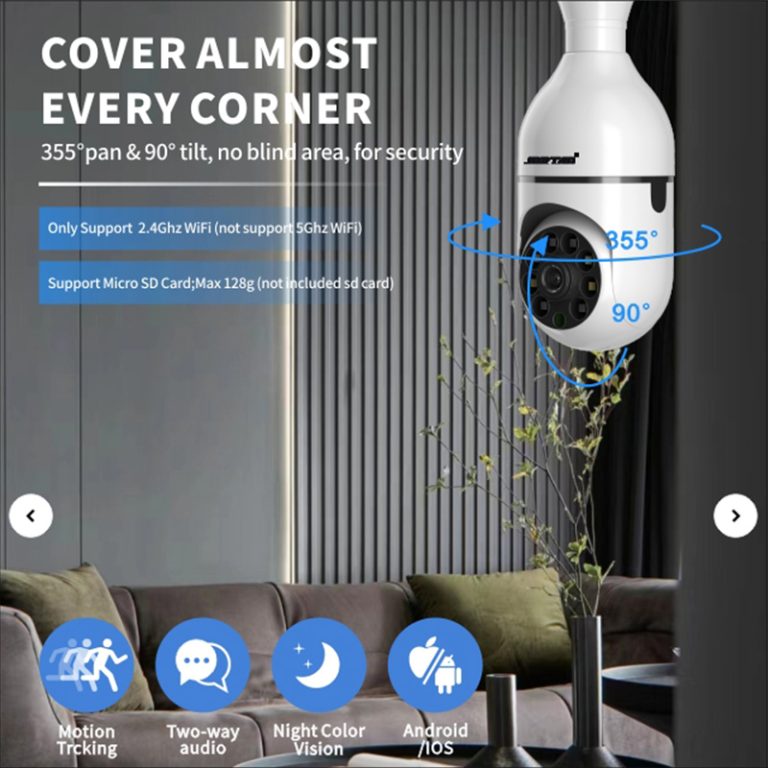
This small model handles video right on the spot using edge computing to boost privacy and cut delays in live views. It has adjustable light control fit for inside light changes and links well with voice helpers for easy use—perfect for city flats that want simple setups.
Model B: Pan-Tilt Camera with Multi-Zone Tracking
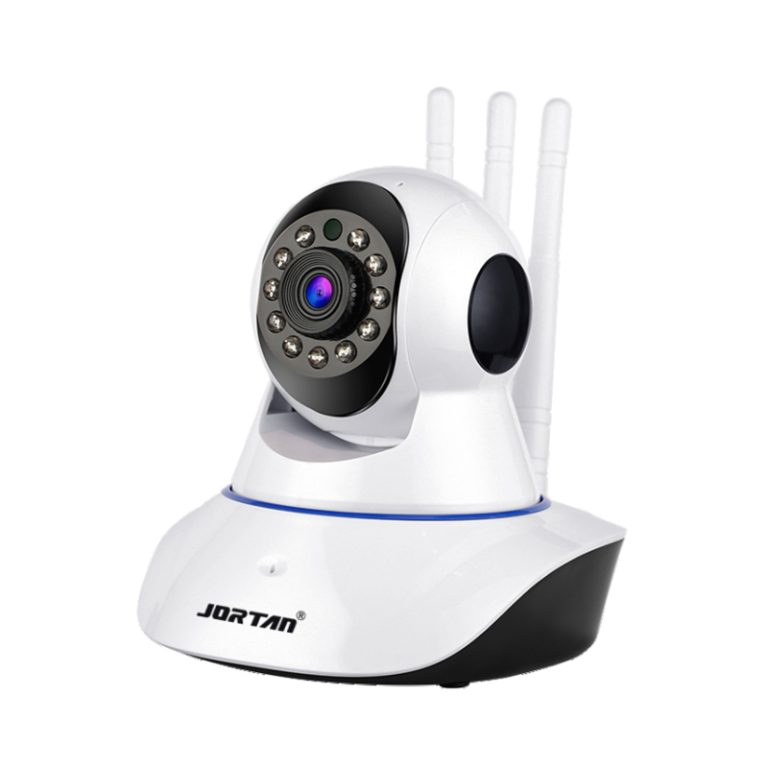
With complete 360-degree turns, this camera covers whole rooms without missed spots. Users can set motion areas to watch key places like doors or passages. Cloud recording with AI tags for events makes review easy by sorting clips based on what it spots.
Outdoor Surveillance Solutions for Smart Homes
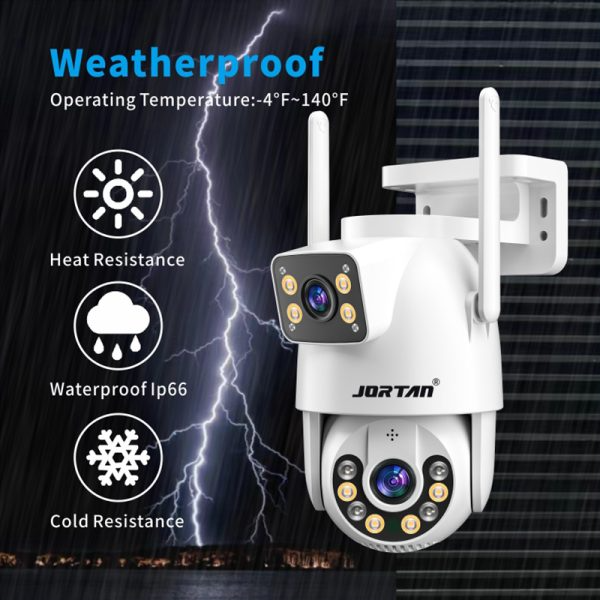
Model C: Weatherproof CCTV with Solar Power Support
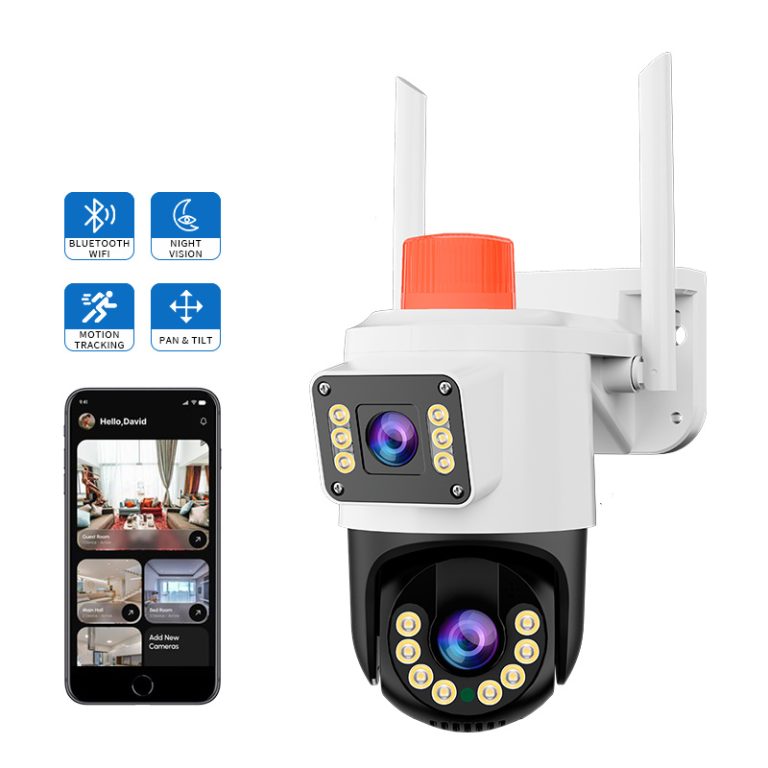
Made to last, this model handles rain, dirt, or wild weather while keeping steady work. Its sun power option lowers upkeep costs by cutting the need for outside energy—a green choice for ongoing outside watch. A built-in horn setup works as a real scare for unwanted visitors.
Model D: Dual-Lens System with Wide Dynamic Range (WDR)
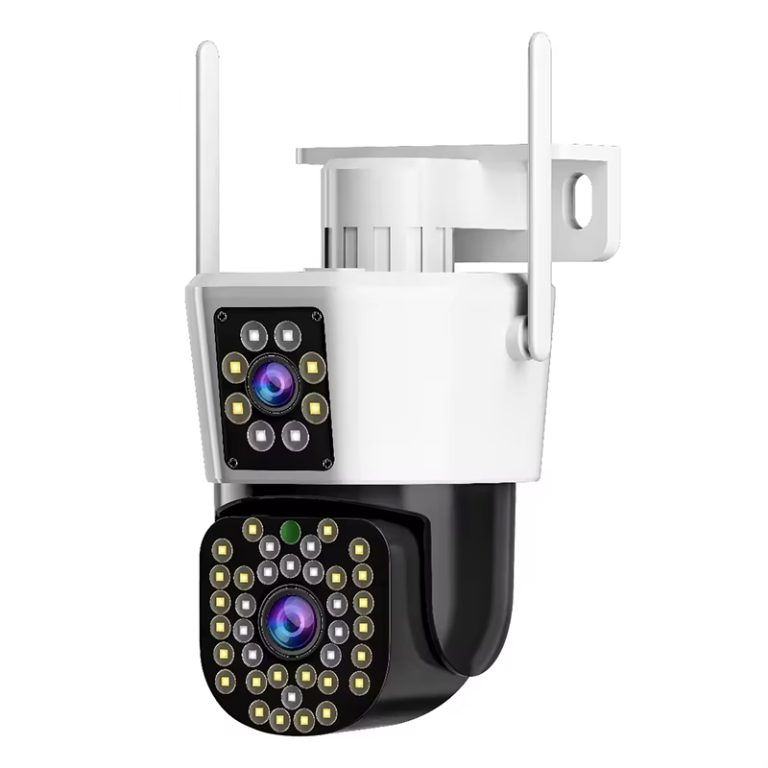
By using two lenses together, it catches close and far views at once for detailed pictures over different ranges. WDR tech evens out light between bright sun and dark shades to always keep visuals clear. Non-stop recording through big local storage backs a full safety watch even if the network fails.
How Are Smart Cameras Integrated into Broader Home Security Systems?
Linking shapes the next step in smart camera growth—tying them closely with other tools raises whole-home safety plans.
Connectivity with Other Smart Devices
Smart cameras match up well with doorbells, alarms, locks, and lights via main centers or apps. This tie lets event-based starts, like “away mode,” where everything turns on when you leave, or “night mode” that tweaks sensors for dim light on its own. Some smart cameras can join with door and window sensors to check for odd opens. This teamwork builds stronger layers of guard over entry spots, and it raises awareness through single control spots like the EZVIZ C8PF Dual-Lens Camera.
Cloud vs. Local Storage Solutions
Cloud keeping gives ease with access from anywhere plus plans that grow storage as needed. Yet, certain users pick local keeping to skip ongoing costs and hold full rights to their saved material. To cut risks from gear breaks or steals, safe backup plans—like extra SD cards—are vital parts of strong system builds.
What Should Consumers Consider Before Choosing a Smart Home Camera in 2026?
Picking the best camera means weighing uses, fit, setup simplicity, and value for money based on home needs.
Installation Flexibility and Power Options
Makers offer wired installs for firm links along with wireless picks, great for renters or short-term spots. Mixed choices use both ways for flexible use inside or out. Smart power handling stretches battery time a lot by tuning energy use to motion levels all day.
Compatibility and Future-Proofing
Backing for new IoT rules keeps devices working well in changing networks over time. Routine software updates guard against weak spots and add fresh options that lengthen device life—a key point when buying high-end types like the ArloUltra 2 Spotlight Camera.
Cost-to-Benefit Analysis for Consumers
Shoppers need to balance extra traits like AI checks or sun charging against full costs over time, including add-ons, cloud fees, setup charges, and care expenses. The best value pick gives strong work without extra hassle and fits personal privacy hopes.
FAQ
Q1: What makes AI integration essential in modern home security cameras?
A1: AI integration enables precise object differentiation between humans, pets, vehicles, or environmental factors—reducing false alarms while enhancing real-time responsiveness during potential security events.
Q2: Are local storage options safer than cloud storage?
A2: Local storage keeps footage physically within your control without third-party access risks; however, it requires proper backup solutions to prevent loss due to device malfunction or theft.
Q3: How do interoperability standards like Matter benefit users?
A3: Standards such as Matter ensure seamless communication among various IoT devices regardless of brand origin—simplifying setup processes while maintaining consistent performance across connected ecosystems.