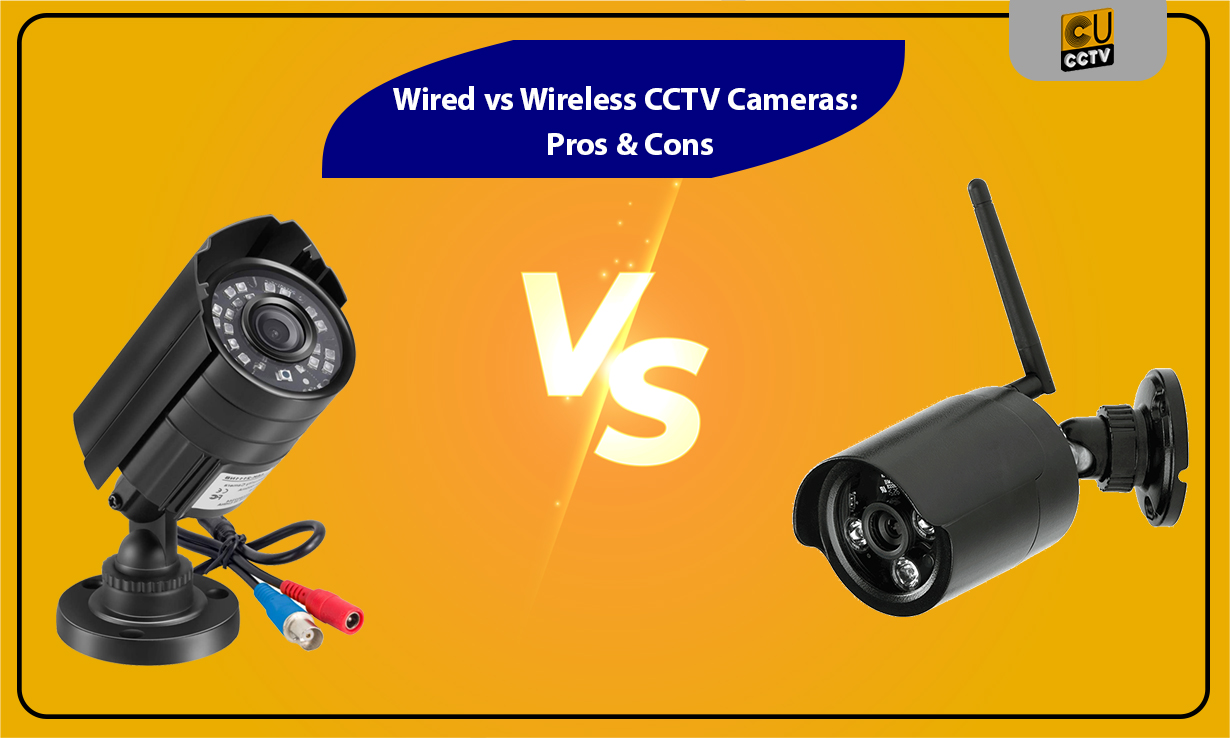
Home security demands are shifting in 2026. The decision between wired and wireless cameras now hinges even more on setup conditions, network links, upkeep, and extended operation. Each choice brings distinct benefits. Yet they address varied challenges. Grasping the main contrasts is the initial move toward picking the proper setup for your place.
What Are the Core Differences Between Wired and Wireless Home Security Cameras?
Home security cameras have advanced quickly. This gives you plenty of choices for guarding your property. Now, you can pick between wired and wireless setups. Each provides special perks based on your home’s design and network setup.
How Do Wired and Wireless Camera Systems Differ in Function and Design?
Wired cameras depend on actual cables for both power and data transfer. This delivers a steady link that seldom faces disruptions. On the other hand, wireless cameras use Wi-Fi or similar wireless methods to forward video to your network or cloud storage. This contrast impacts not just setup but also how simply you can grow or move your system in the future.
Security camera items cover video monitoring (cameras, etc.), break-in alerts (sensors, etc.), entry management (access controls, etc.), blast-resistant security (security doors, etc.), physical safeguards (security doors, etc.), and other security-linked electronic and mechanical goods. These help watch, manage, and shield targets. The blend of electronics, computers, communications, sensors, and biometrics makes current systems smarter and more linked than before.
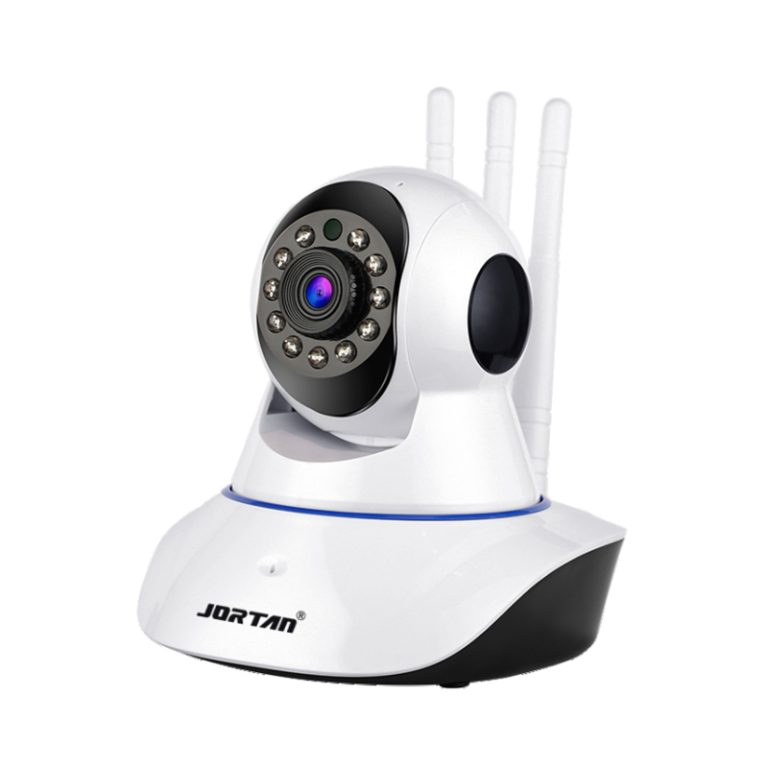
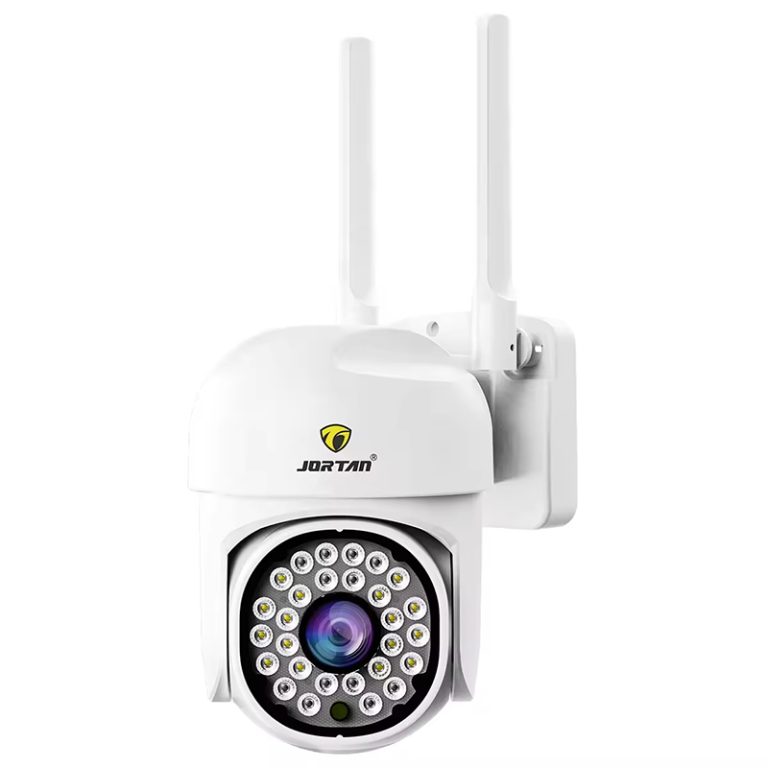
If you want a fair mix that joins wired steadiness with wireless ease, Jortan provides mixed models. These adjust to various settings while keeping solid results.
How Does Connectivity Influence Performance and Reliability?
A firm link is essential for any monitoring arrangement. Wired setups shine here. They send data straight via cables with little signal drop or meddling. Thus, you get reliable video sharpness even in big homes or spots with heavy walls.
Wireless cameras bring more freedom. However, they rely a lot on network power. Poor Wi-Fi or crowded bandwidth can lead to brief pauses or reduced picture clearness. To fight these problems, mixed answers unite the top traits of both. They offer wired firmness plus wireless movement for even live watching.
What Should You Know About Installation and Setup in 2026?
Simple setup is a major point when picking between wired and wireless home security systems.
How Complex Is the Installation Process for Each Type?
Wired setups often need expert fitting due to their wiring demands. These arrangements usually mean laying wires through walls or ceilings to link each camera to a main base.
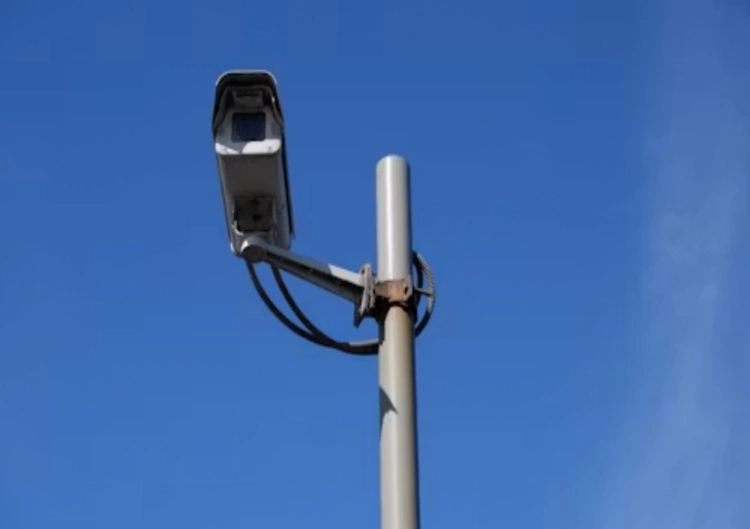
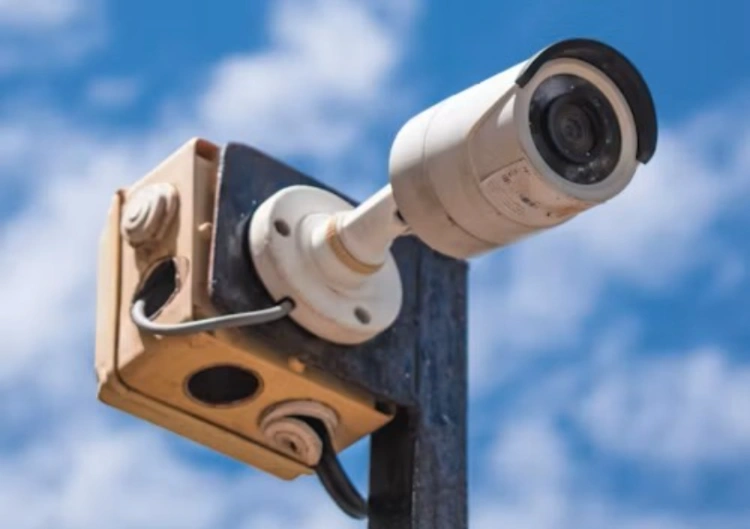
Based on the real conditions of outside watching spots, cameras and extra lights (if chosen) go on the watching poles. Then, network gear, fiber converters, surge protectors, power units, and so on get placed in outside boxes. This detail makes wired fittings fit better for lasting setups that span broad areas.
Wireless setups cut the process down a lot. Many types allow self-setup. You can fix them on your own without digging wide wiring routes. In 2026, fast-fit kits make both wired and wireless setups smoother for owners.
How Do Power Sources Affect Maintenance?
Wired cameras pull steady power from your home’s key supply. So, they seldom require hand recharging. Wireless types often use refillable batteries or solar panels for power freedom.
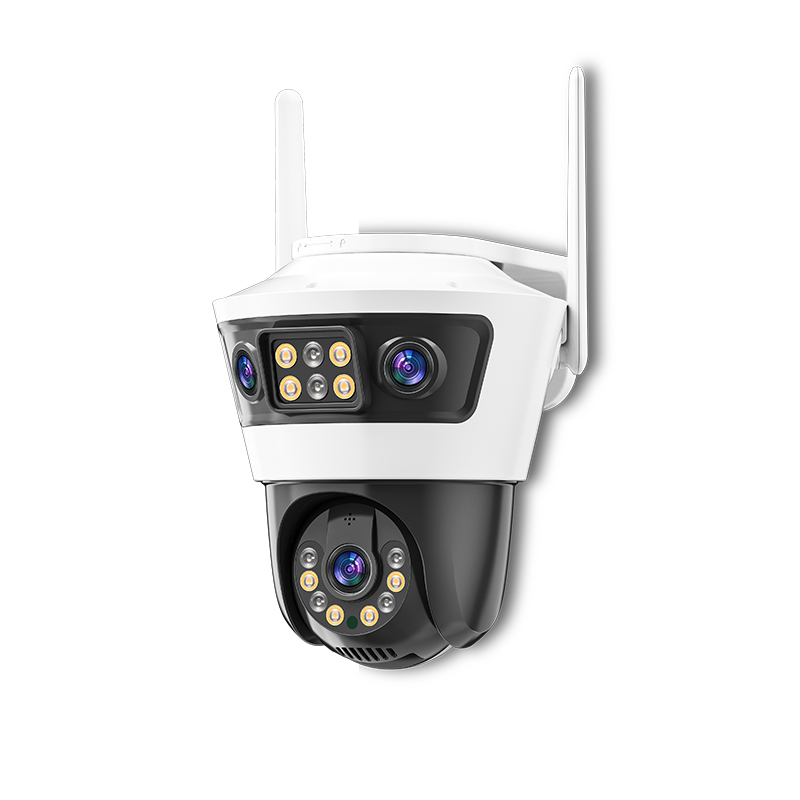
Solar cell surveillance cameras bring three key advances: power self-reliance, network safety, and smart guarding. These traits make them great for far-off spots where power is scarce.
Smart power handling tech now stretches battery duration. At the same time, it cuts upkeep needs. This proves handy for outside cameras facing shifting weather.
Which Performance Metrics Matter Most: Image Quality, Latency, or Storage?
Why Are Image Resolution and Night Vision Capabilities Crucial?
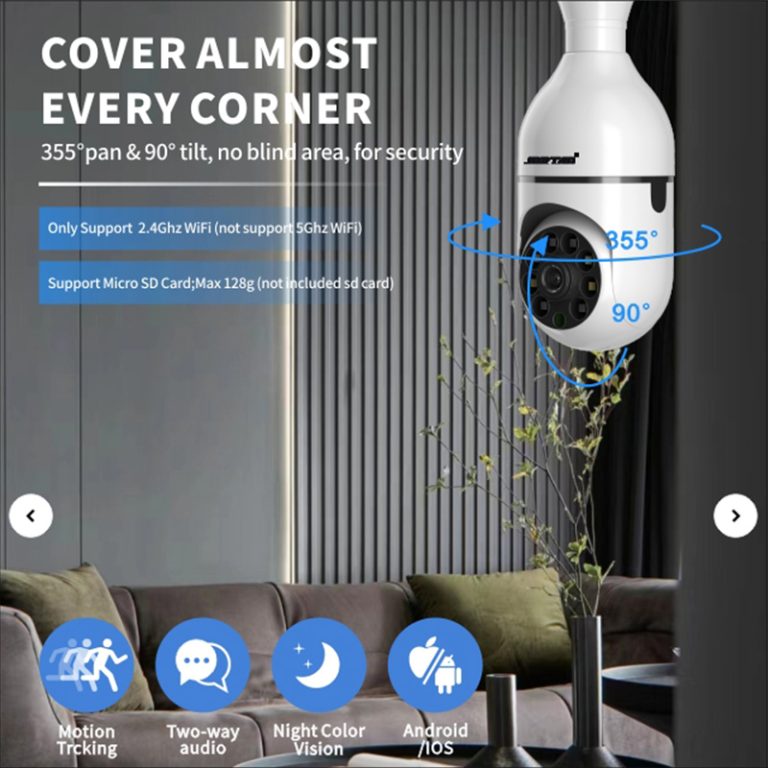
Clear high-definition recording makes sure every bit, like faces, car tags, or motions, gets caught sharply.High-definition camera picture sharpness is vital. Today’s home security cameras hit up to 4K Ultra HD sharpness. They also have adjusting night vision tech that shifts light levels in dim settings on its own. Infrared night vision lets steady watching go on even after sunset. It suits outside spots like driveways or yards where sight fades at night.
How Can You Protect Data Security and Privacy in Smart Homes?
Security covers not just physical guarding. It also means protecting digital info sent by your gadgets.
What Cybersecurity Measures Keep Your Data Safe?
Wireless networks need firm coding rules to block unwanted entry. Software updates hold a key role in keeping safety against growing risks. They fix weak points often.
Technology mixes electronics, computers, communications, sensors, and biometrics. This mix backs strong coding ways like AES protocols. Those guard all linked gadgets in your setup.
How Can You Control Privacy Through Smart Integration?
On-site storage lowers risks from cloud breaks. Footage stays in your private network. With helper apps, you can set entry rules. This lets you choose who views live streams or saved clips from any place safely.
Can These Systems Scale With Your Property Size and Smart Ecosystem?
Growth ability makes sure that as your property expands, or as fresh tech appears, your system stays fitting without a full redo.
How Do You Expand Coverage Across Larger Properties?
Lasting fittings gain from wired networks. They cover wide areas well once set up. At the same time, wireless networks allow bendy camera spots without extra wiring tasks. This works well if you aim to add new units later as demands change.
Buy several cameras as required to watch the full area. Modular builds let smooth growth happen, whether inside or outside. They do this without upsetting current setups. If you seek a fitting answer that matches coming IoT shifts past 2026, check Jortan’s smart camera lineup. It links easily to top ecosystems while holding business-level steadiness.
What About Costs: Short-Term Spending Versus Long-Term Value?
Cost thoughts go past first-buy prices. They cover upkeep costs over time.
How Do Upfront Costs Compare With Ongoing Maintenance?
Wired setups often show higher starting costs from expert fitting needs. But they have lower repeated costs later. Wireless setups drop starting costs. Yet they might need regular battery swaps or cloud fee plans based on how you use them. Bendy price plans let you weigh budget limits against result hopes. So, you avoid cutting safety for money savings.
Why Is Reliability Key to Return on Investment?
Sturdiness counts because fewer swaps mean stronger long-term worth. Steady work through changing weather makes sure trusted protection all year. This stands as a main point when checking ROI in 2026 home settings. Long warranty plans add trust. They cover both hardware life and software aid over many years of use.
Which Type Suits Your Property Best in 2026 Living Environments?
Selecting between wired and wireless relies mostly on your living spot and daily freedom level.
How Should You Match Camera Types With Property Layouts?
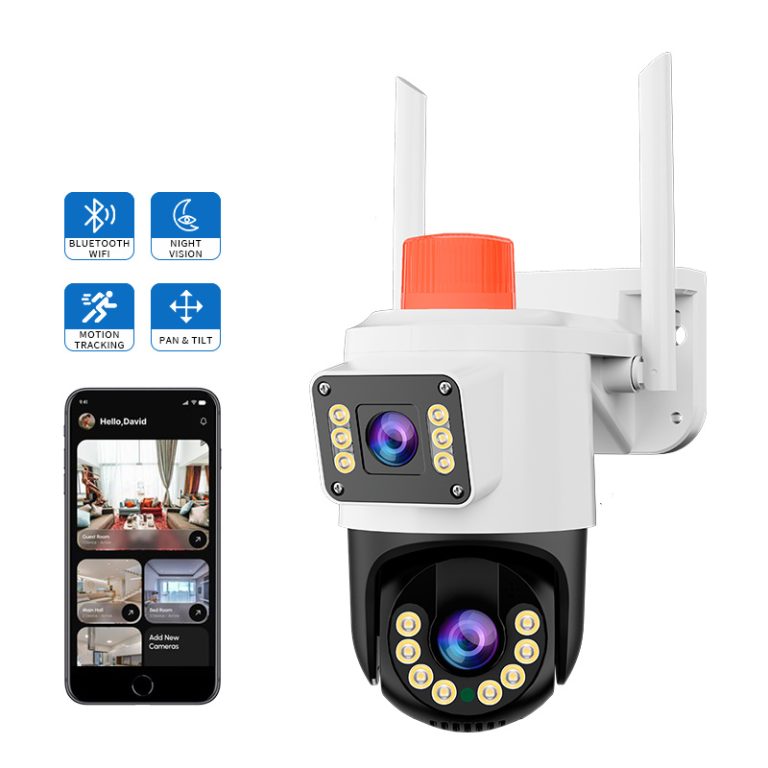
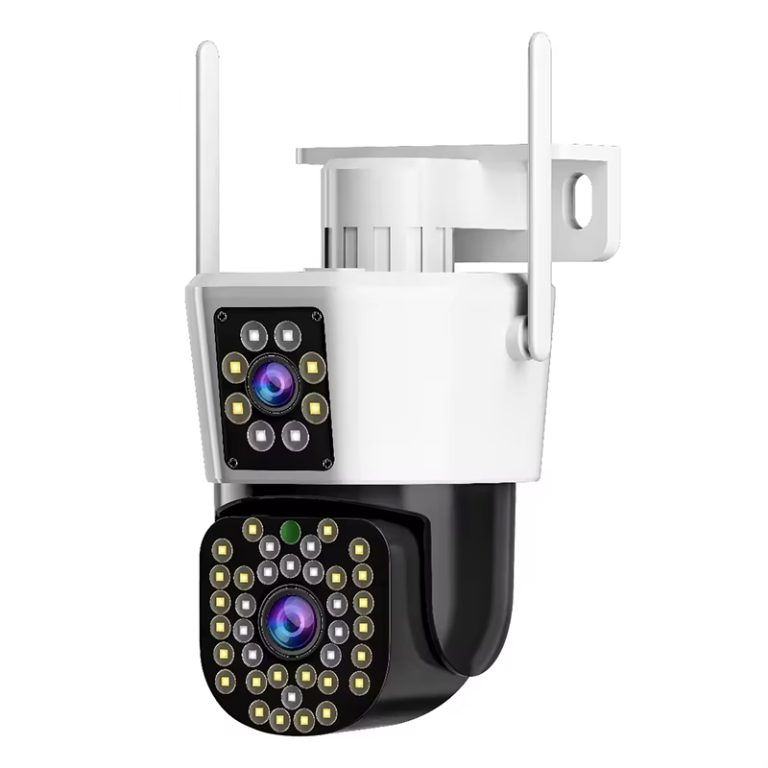
For tight areas like flats or condos, small wireless units give simple placement without wall drilling. Big estates might gain from wired answers. They give nonstop coverage over many zones with no chance of signal fades. Different zones need varied surveillance cameras. Inside PTZ types fit rooms wanting bendy views. Weather-tough outside units deal with rough settings well.
FAQs
Q1: Are wireless home security cameras reliable enough for large properties?
A1: Yes. But only if your Wi-Fi reach is solid across the area. For big properties with faint signals outside, mixing wired main links with wireless add-ons gives the best steadiness.
Q2: Do solar-powered outdoor cameras work during cloudy days?
A2: Current solar cell surveillance cameras save extra power in sunny times. Many hold up to 15 days of wait time even in rainy weather. This comes from better battery skill tech added after 2025.
Q3: Should I choose local storage or cloud storage for my recordings?
A3: Local storage gives stronger privacy. Footage stays in your network. But cloud storage offers far-off access if you travel often. Many pick mixed setups that join both choices.