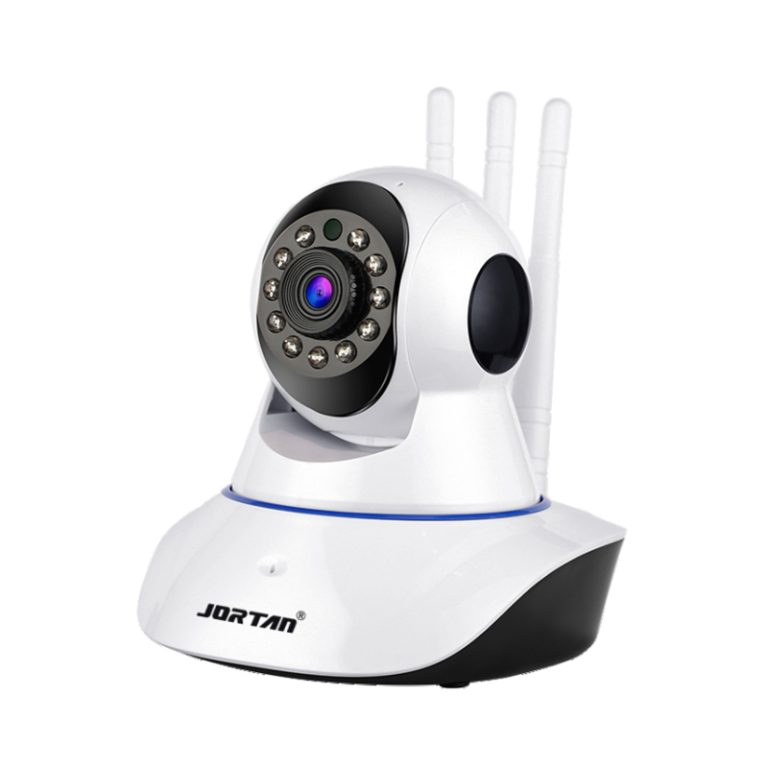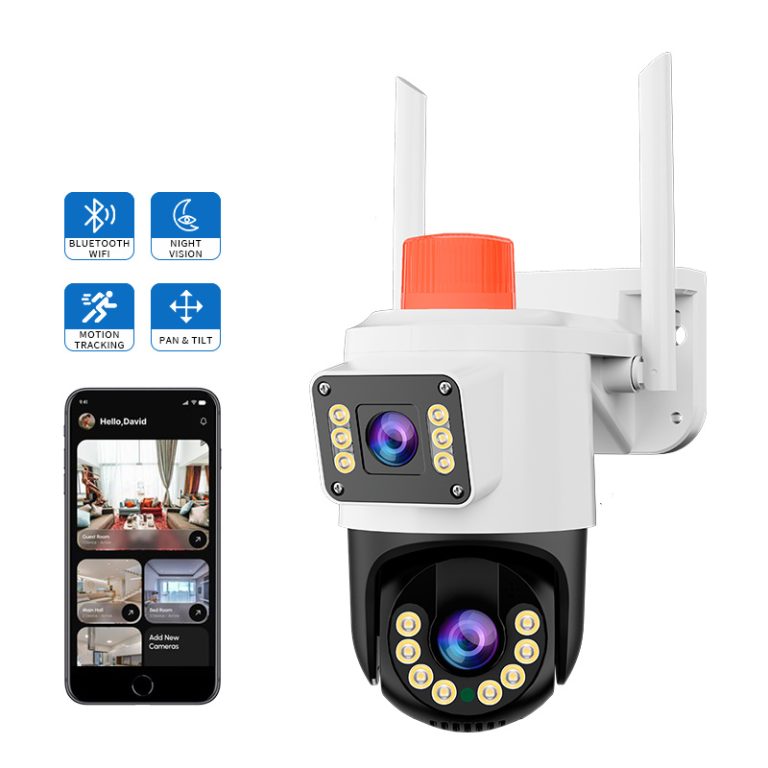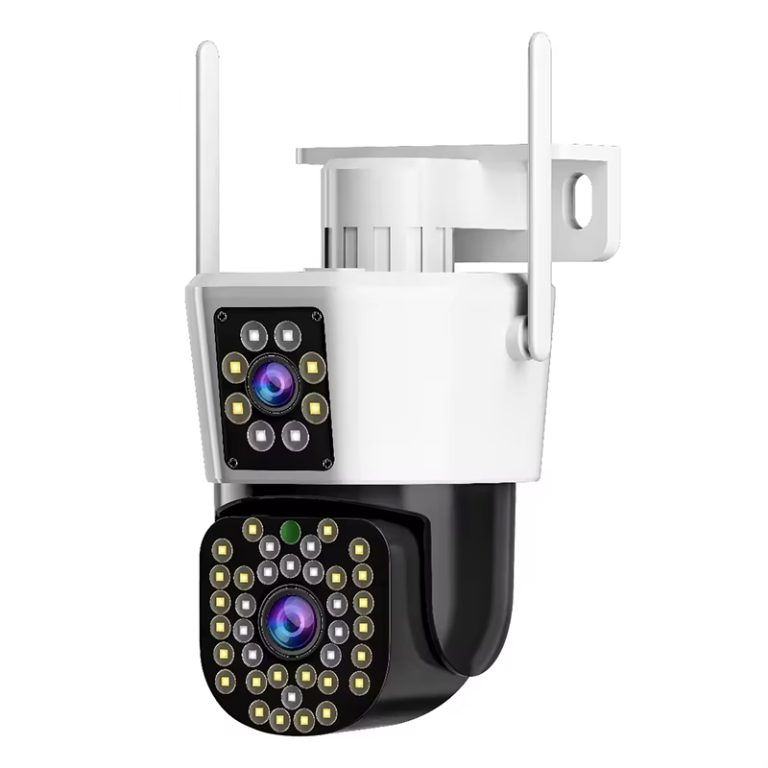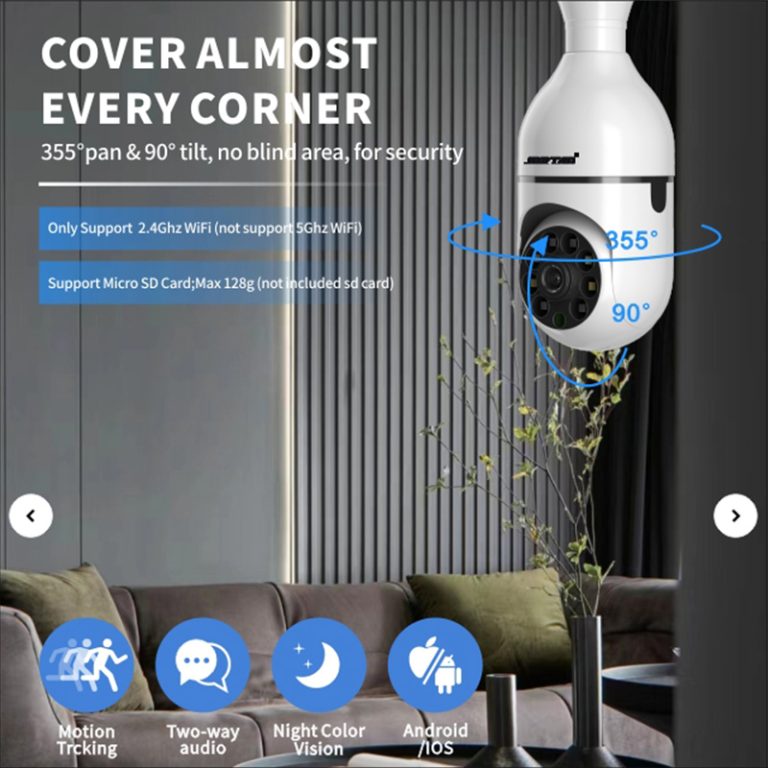
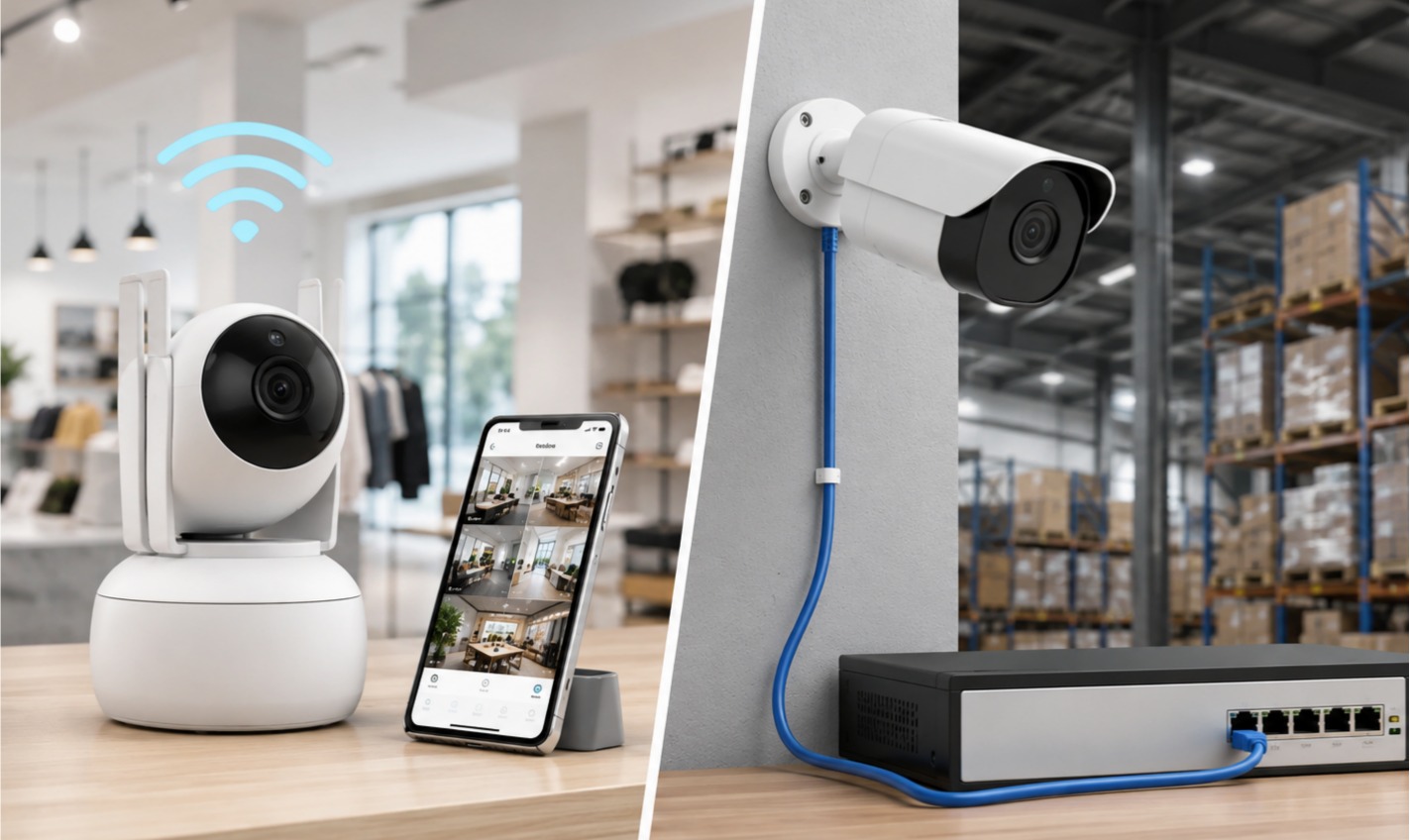
Um distribuidor pode precisar de Wi-Fi. câmeras Para vendas rápidas em canais de distribuição, um instalador de projetos pode preferir kits de câmeras PoE para gravações com fio estáveis. Já o proprietário de uma marca pode precisar de ambos em uma única linha de produtos. A questão principal é encontrar a conexão ideal que atenda às necessidades do mercado, às condições do local, ao orçamento de instalação e à demanda de suporte pós-venda.
O que é uma câmera Wi-Fi?
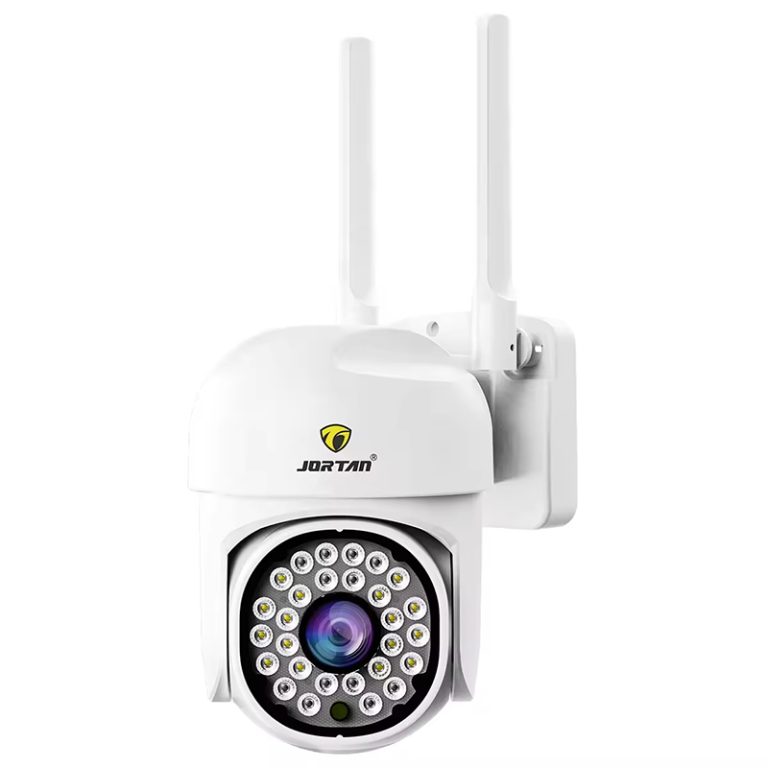
Uma câmera Wi-Fi transmite vídeo através de uma rede sem fio. Na maioria dos casos, ela ainda precisa de energia de um adaptador, a menos que seja um modelo com bateria ou energia solar. A principal vantagem é a facilidade de instalação. Os instaladores não precisam passar um cabo de rede do gravador ou switch para cada ponto de câmera.
Para os canais de varejo e atacado, as câmeras Wi-Fi vendem bem porque seus diferenciais são fáceis de entender. Os compradores podem destacar a visualização por aplicativo, o áudio bidirecional, a detecção de movimento, a visão noturna, o armazenamento em cartão TF, o armazenamento em nuvem e a reprodução remota.
O que é uma câmera PoE?
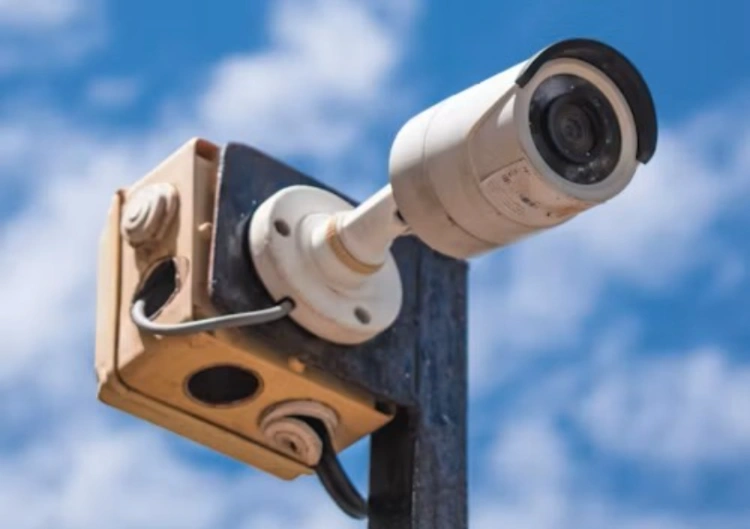
UM Câmera PoE Utiliza um único cabo Ethernet para transportar tanto energia quanto dados de vídeo. Em outras palavras, um cabo de rede realiza duas funções. Geralmente, ele se conecta a um NVR PoE ou a um switch PoE. Isso torna o sistema mais organizado do que usar um cabo de alimentação e um cabo de dados para cada câmera. Também reduz a necessidade de uma tomada próxima a cada ponto de câmera.
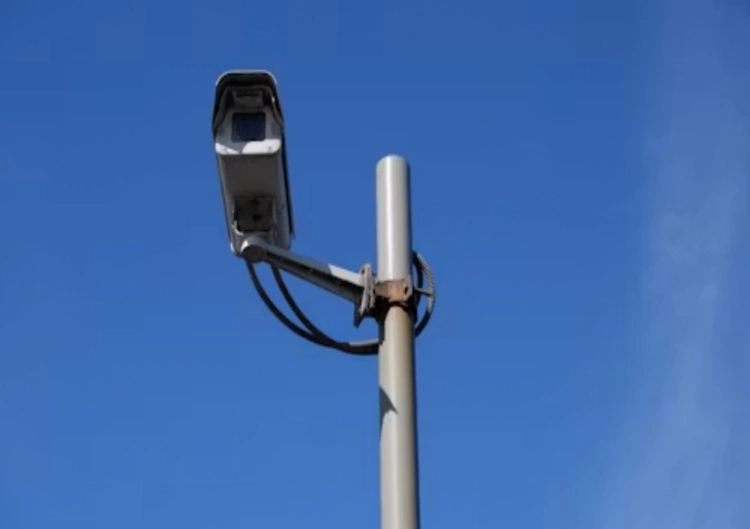
As câmeras PoE são mais adequadas para locais de projeto estáveis, como armazéns, escritórios, estacionamentos, pequenas fábricas, escolas e edifícios comerciais. Uma vez planejado o trajeto dos cabos, a conexão geralmente é mais estável do que a Wi-Fi. Para sistemas com múltiplas câmeras, o PoE é mais fácil de gerenciar do ponto de vista do projeto. O instalador pode conectar as câmeras a um NVR, gerenciar o armazenamento em um único local e reduzir problemas de desconexão aleatórios.
As câmeras PoE são frequentemente vendidas como kits PoE NVR ou pacotes de monitoramentoNão apenas como câmeras individuais. O JT-8276-8PXM da Jortan funciona como um kit NVR PoE de 8 canais com câmeras de 2MP, visualização remota ICSEE, visão noturna de 30 metros, design à prova d'água IP66 e suporte para armazenamento NVR.
Quais são as principais diferenças entre câmeras Wi-Fi e câmeras PoE?
Flexibilidade de instalação versus estabilidade com fio
As câmeras Wi-Fi se destacam pela flexibilidade de posicionamento. São mais fáceis de instalar em locais onde a passagem de cabos é complexa ou onde o comprador precisa de uma configuração rápida. Já as câmeras PoE oferecem transmissão com fio estável. Requerem mais planejamento, mas são mais adequadas para projetos organizados com várias câmeras. Para uma pequena loja, o Wi-Fi costuma ser suficiente. Para um armazém com diversas câmeras gravando o dia todo, o PoE pode ser mais seguro.
Dependência de rede e risco de sinalização
As câmeras Wi-Fi dependem da intensidade do sinal sem fio. A qualidade do roteador, a distância, as paredes, a interferência e a largura de banda são fatores importantes. Uma câmera pode funcionar bem em uma mesa, mas apresentar falhas após a instalação no fundo de um armazém.
As câmeras PoE dependem mais da qualidade e do comprimento do cabo, das portas do NVR e do planejamento de energia. Os problemas geralmente são mais fáceis de rastrear porque o sistema é cabeado.
Custo da fonte de alimentação e da cablagem
As câmeras Wi-Fi podem precisar de adaptadores separados, tomadas próximas ou opções de energia solar/bateria. Isso oferece flexibilidade, mas também pode gerar um planejamento de energia complexo.
As câmeras PoE precisam de cabeamento Ethernet, mas esse cabo transmite tanto energia quanto vídeo. Para projetos novos, isso pode ser uma solução organizada e profissional. Em edifícios já construídos, a instalação dos cabos pode custar mais, então o comprador precisa comparar o custo da mão de obra, e não apenas o preço da câmera.
Manutenção e resolução de problemas
A resolução de problemas de Wi-Fi geralmente começa com o aplicativo, o roteador, a senha, o modo de emparelhamento ou um sinal fraco. A resolução de problemas de PoE geralmente começa com o cabo, a porta do NVR, a alimentação da câmera ou o disco rígido. Para compradores B2B, isso é importante porque o suporte pós-venda passa a fazer parte do custo do produto.
Como os compradores devem combinar câmeras Wi-Fi e PoE com suas aplicações?
Pequenas lojas e estabelecimentos comerciais de pequeno porte
As câmeras Wi-Fi são ideais para situações em que a facilidade de instalação e a visualização por aplicativo são essenciais. Pequenas lojas, áreas de recepção, depósitos e escritórios pequenos geralmente precisam de configuração simples, áudio bidirecional e reprodução rápida, mais do que um sistema totalmente cabeado.
Armazéns e escritórios
Armazéns e escritórios geralmente precisam de gravação estável e várias câmeras. Câmeras PoE ou kits NVR PoE são mais adequados quando o local possui pontos de câmera fixos e o cliente deseja um sistema mais organizado. JordâniaAs opções de kits PoE/NVR da [nome da empresa] podem suportar esse tipo de fornecimento de energia para projetos.
Pátios externos e áreas de estacionamento
Ambas as opções podem funcionar aqui. Câmeras Wi-Fi são adequadas se o sinal do roteador for forte e houver uma tomada disponível. PoE é melhor quando o comprador deseja uma transmissão com fio estável e a instalação de câmeras em locais fixos. Para áreas externas, verifique também a classificação de resistência à água, visão noturna, proteção dos cabos e suportes de montagem.
Locais remotos ou de difícil acesso por cabeamento
Se nem Wi-Fi nem PoE forem fáceis de usar, os compradores devem considerar modelos com energia solar ou 4G. A Jortan também oferece opções de câmeras solares, o que ajuda os compradores a construir uma linha de produtos mais ampla além de Wi-Fi e PoE.
Como as câmeras Wi-Fi e PoE se encaixam em uma linha de produtos de 2026?
Câmeras Wi-Fi para fornecimento de nível básico e intermediário
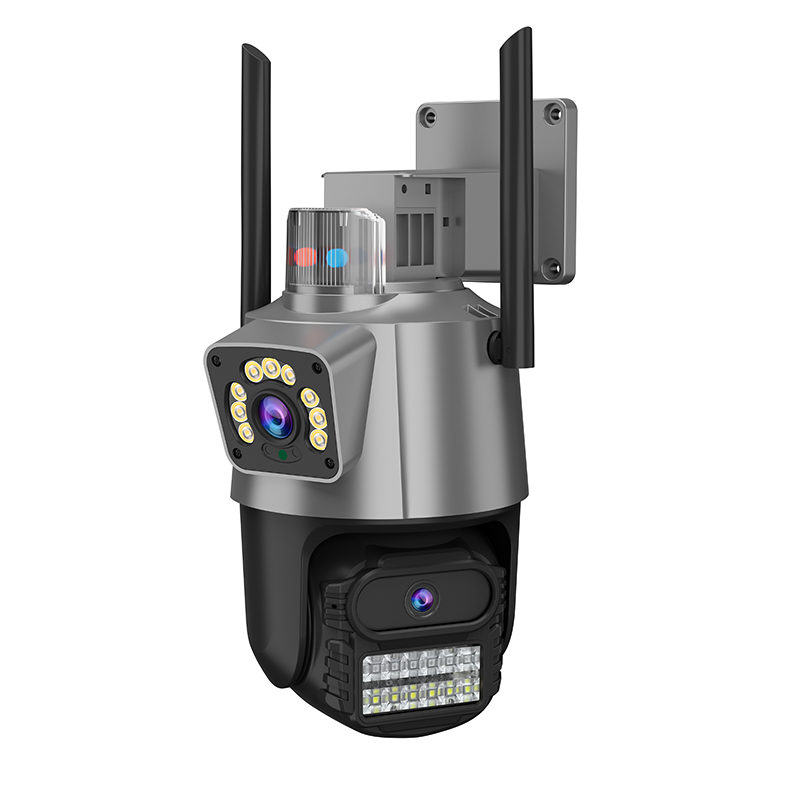
Câmeras Wi-Fi São úteis para SKUs de alta rotatividade. São mais fáceis de embalar, mais fáceis de explicar e adequadas para canais online e de revendedores. Um comprador pode preparar diversos modelos de Wi-Fi por resolução, aplicativo, visão noturna, tipo de lente e design para ambientes internos/externos.
Câmeras PoE para fornecimento em nível de projeto
As câmeras PoE e os kits PoE NVR se encaixam melhor no fornecimento em nível de projeto. Eles oferecem aos instaladores um sistema cabeado mais organizado, armazenamento centralizado e um posicionamento mais estratégico do projeto. Podem não ter a mesma rotatividade que as câmeras Wi-Fi básicas, mas atendem a pedidos de maior valor.
Uma oferta diversificada ajuda os compradores a atender mais mercados.
Uma linha equilibrada de câmeras de segurança não deve depender apenas de câmeras Wi-Fi ou apenas de kits PoE. O Wi-Fi oferece flexibilidade de vendas. O PoE garante a estabilidade do projeto. As opções de energia solar e 4G ampliam a possibilidade de instalação em locais remotos. Essa combinação permite que os distribuidores atendam a uma gama maior de clientes sem precisar trocar de fornecedores constantemente.
O que os compradores devem verificar antes de fazer um pedido em grande quantidade?
Condições do local e método de instalação: Antes de efetuar a compra, os usuários precisam considerar se o local já possui Wi-Fi de alta velocidade, cabeamento existente, conexão de energia ou algum plano de NVR.
Requisitos de aplicação, NVR e armazenamento: Verifique o nome do aplicativo, a capacidade do NVR, o suporte para cartão TF e HDD, o armazenamento em nuvem, o ONVIF e o formato de reprodução. Tente evitar a compra de muitos aplicativos, a menos que seu departamento de pós-venda seja capaz de lidar com isso.
Especificações do produto: Isso inclui resolução, ângulo de visão da lente, capacidade de visão noturna, recursos de IA, classificação de resistência à água, recurso de áudio, luz de alarme, entrada de energia, entrada de cabo e temperatura de operação. No caso de kits PoE, verifique também o número de canais e o armazenamento do NVR.
Preparação dos fornecedores: Certifique-se de perguntar sobre testes de amostras, quantidade mínima de pedido, disponibilidade para OEM, embalagem, prazo de entrega, peças de reposição, suporte de firmware, termos de garantia e tratamento de defeitos. No caso de compras de produtos da marca, é necessário verificar a configuração para pedidos recorrentes.
Perguntas frequentes
P1: Qual é a melhor opção para fornecimento em larga escala de câmeras de segurança, Wi-Fi ou PoE?
A1: Nem sempre é a melhor opção. As câmeras Wi-Fi são ideais para instalações flexíveis e vendas por canais, enquanto as câmeras PoE são mais adequadas para projetos com fio estáveis e sistemas com múltiplas câmeras.
Q2: Quais fatores os compradores devem verificar antes de comprar câmeras Wi-Fi ou PoE?
A2: Os compradores devem verificar fatores como resolução, lente, aplicação, armazenamento, visão noturna, recursos de IA, nível de impermeabilização, tipo de alimentação, tipo de rede, compatibilidade com NVR, cabos necessários, embalagem e garantia.
P3: Qual seria a quantidade mínima de encomenda (MOQ) típica para câmeras WiFi ou PoE?
A3: A quantidade mínima de encomenda (MOQ) dependerá do tipo de modelo e da personalização necessária. Por exemplo, as câmeras Wi-Fi padrão exigirão uma quantidade mínima de encomenda menor, enquanto os pacotes PoE ou outras personalizações exigirão uma quantidade maior.
Q4: As câmeras WiFi e PoE podem ser personalizadas para marcas próprias?
A4: Sim. Os compradores geralmente podem solicitar impressão de logotipo, design de caixa colorida, idioma do manual, etiquetas, marcas na caixa e planejamento de configuração selecionada. As necessidades relacionadas ao aplicativo devem ser confirmadas antes da aprovação da amostra.