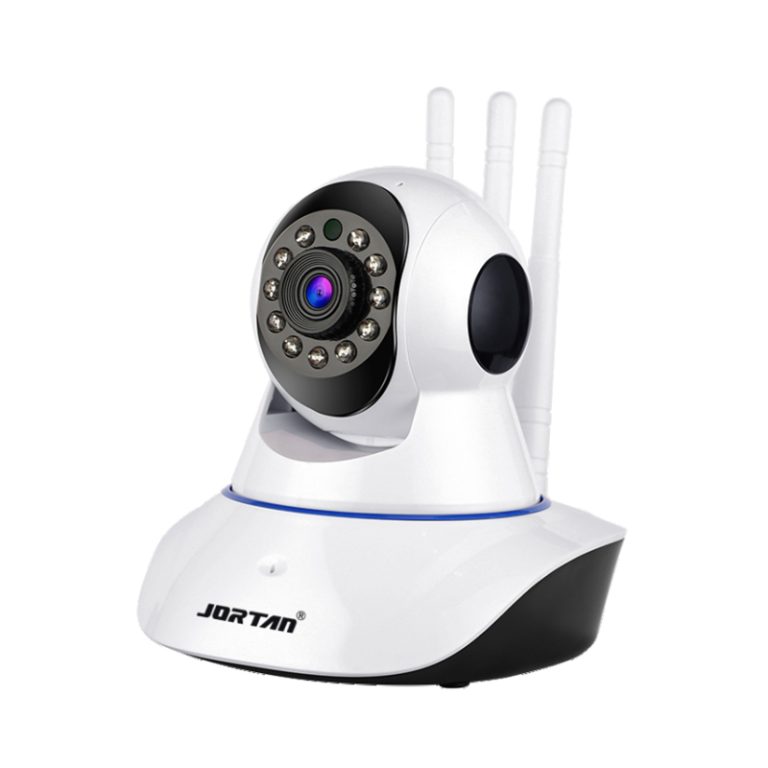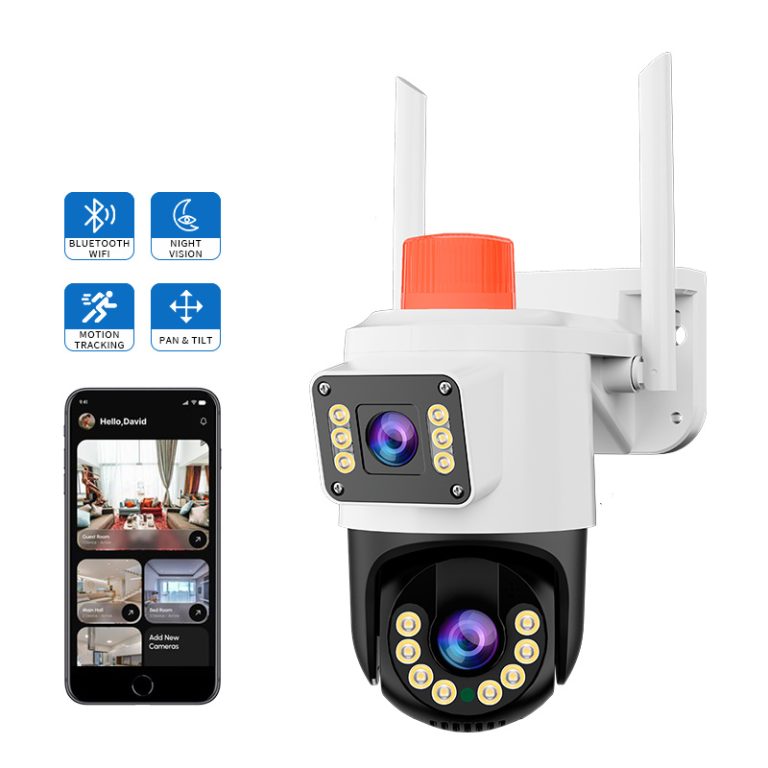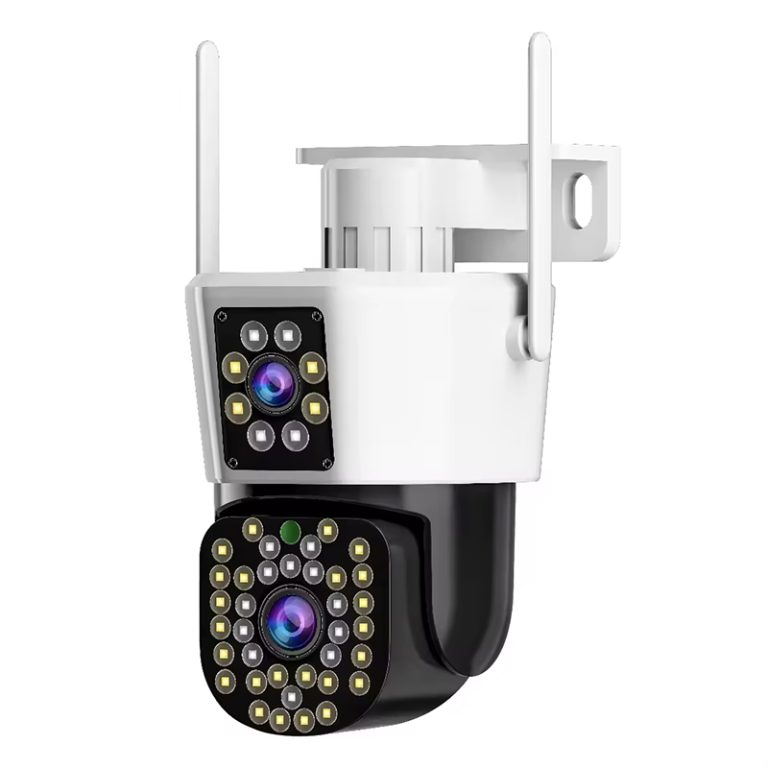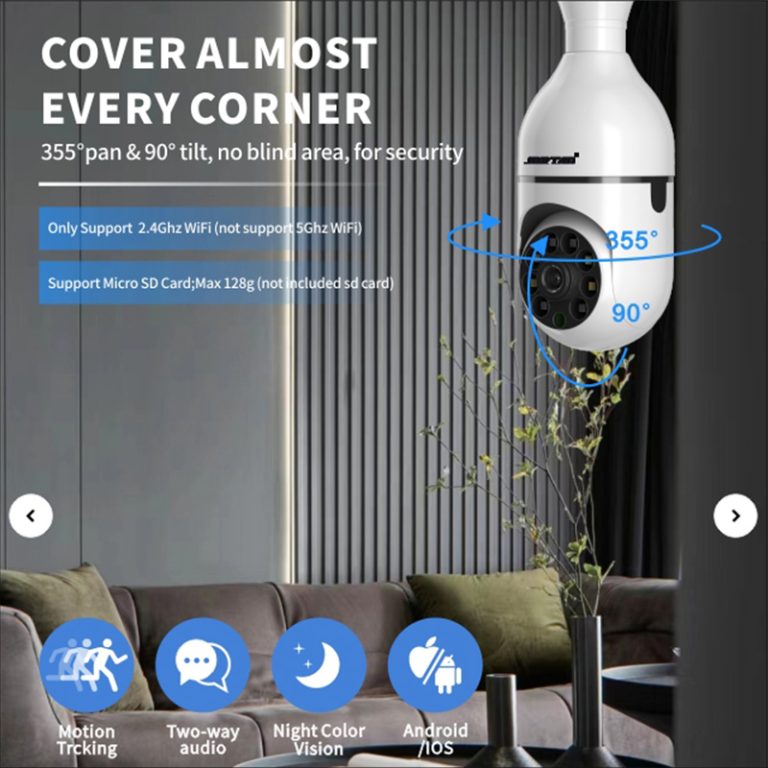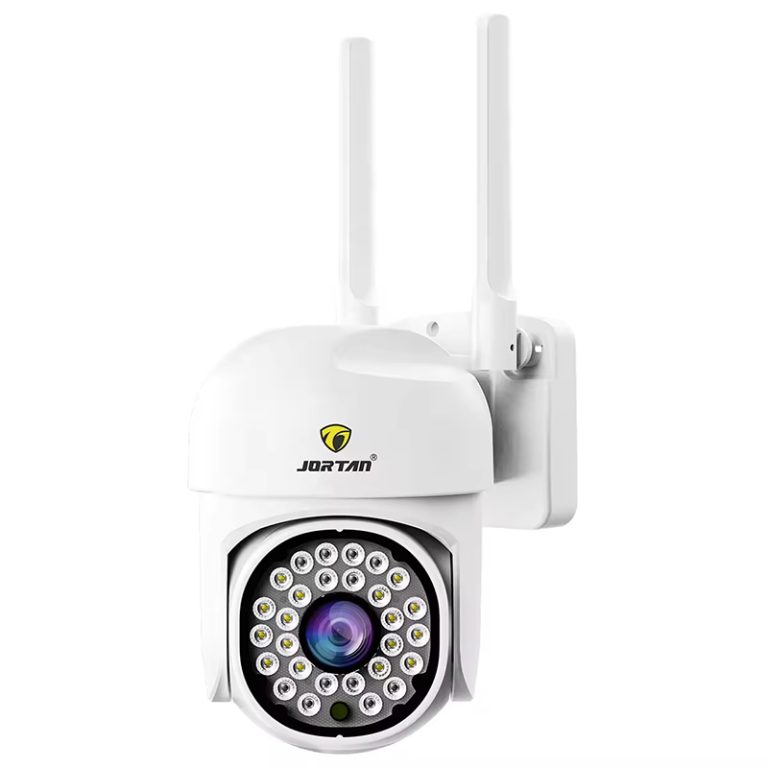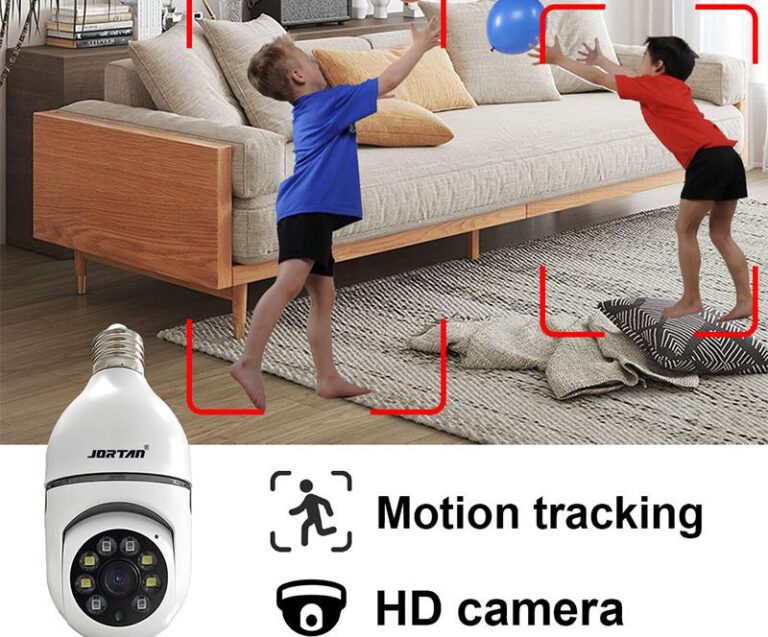
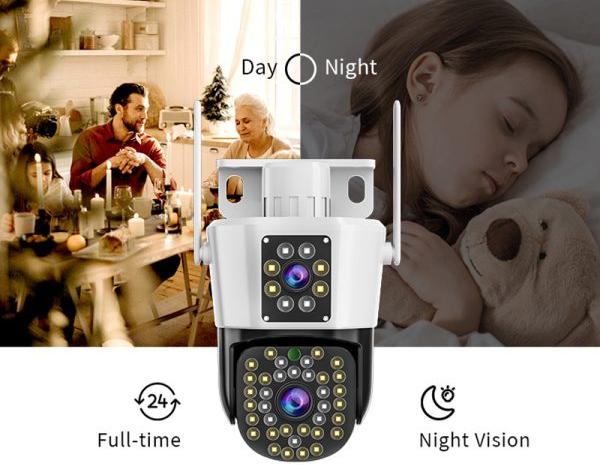
A distributor choosing between two dual-lens cameras is not simply choosing between two similar boxes. The assortment has to answer a channel question: which model can be sold repeatedly for a clear site type, with fewer explanations at the counter and fewer surprises after installation? A dual lens camera may provide two viewing directions, but the useful difference comes from how each lens, moving mechanism, night scene, storage path, and app workflow fit the buyer’s project.
The product brief should therefore separate fixed coverage from movable detail. A warehouse entrance, small yard, or gate may value a broad view that keeps the approach in frame. A dealer serving residential compounds may care more about an easy WiFi pairing flow, two-way audio, and a night image that looks acceptable on a customer’s phone. A Yoosee camera label or app reference can help identify the ecosystem, but it does not replace a model-by-model acceptance sheet.
For a practical comparison, write one sentence for each SKU. The sentence should name the intended site, the power arrangement, the useful viewing task, and the limits that need a site test. This keeps a dual lens camera from being marketed as a universal replacement for every PTZ or fixed camera. It also gives sales staff a reason to recommend one model without hiding the trade-off.
Compare the Published Hardware Fields
The checked product information gives the JT-9697QJ a 4MP configuration, H.265 compression, IP66 weather protection, two-way audio, and a DC 12V 2A power requirement. Its published movement is about 355 degrees of pan and 90 degrees of tilt, with an infrared distance of approximately 30 m. Those are useful comparison fields, not promises of identical performance at every mounting height.
The JT-8293QJ has a dual-lens PTZ design with human tracking, 2.4 GHz WiFi, RJ45 access, H.265, local card capacity up to 256 GB, and cloud storage. It also combines full-color and infrared night vision in the published configuration. A distributor should keep these entries beside the JT-9697QJ fields, then ask which package better matches the channel’s common installation conditions.
A simple model card can contain: lens arrangement, movement range, network options, local storage limit, cloud path, night-light method, power input, housing rating, audio, and the exact app or firmware version tested. Missing fields should remain marked as confirmation items. A neat product page is not a substitute for a signed specification revision.
Turn the Difference Into a Distributor Test
Bench testing should use the NVR, router, app account, card type, power adapter, and mounting angle planned for resale. Compare the two feeds at the same distance. Walk across the scene and toward the lens. Test a reflective wall after dark. Then check whether the fixed view and the moving view still tell a coherent story when a person passes from one area to the other.
Check the Costs Behind the Feature List
The unit price is only one line in the distributor margin calculation. A model that needs a different adapter, extra bracket, special card, or more support time can change the landed cost. Storage and cloud terms also affect the sales conversation. A buyer who expects local replay should not discover after installation that a preferred NVR or app path is not supported by the tested firmware.
Jordânia can be used to keep the comparison inside one supplier conversation while the two model pages provide the product-specific evidence. For a distributor, that reduces the risk of mixing a generic feature claim with the wrong SKU. The model card should show which items are published and which remain RFQ checks.
Choose the SKU That Makes Repeat Sales Easier
A useful assortment is usually narrower than a catalog. If most channel orders are for protected outdoor entrances, a dual-lens PTZ with clear night-light behavior and local storage may earn the shelf position. If the channel sells simpler 12V outdoor points, the JT-9697QJ specification set may be easier to explain. Neither conclusion should be made from resolution alone.
When private labeling, packaging, or a revised housing is part of the plan, a distributor assortment support discussion should cover samples, firmware, accessories, and after-sales responsibilities. Jortan’s factory and OEM/ODM capabilities can be assessed against the repeat-order plan, but the distributor should still approve the exact sample and test record before listing the model.
A final assortment review can be short: one role per SKU, one tested installation, one written difference, and one list of items that need supplier confirmation. That discipline makes a dual lens camera easier to sell because the channel promise stays close to what the product can actually deliver.
The comparison becomes more useful when the buyer sees the same sample under the same conditions. The JT-9697QJ supports the published 4MP, H.265, IP66, movement, audio, and power fields, while the JT-8293QJ should be checked for the current dual-lens, PTZ, storage, and night configuration. A distributor should preserve both pages with the dated test record.
A final distributor assortment support request can include the channel’s common mounting points, expected storage method, preferred app, accessory pack, and target margin. That gives the supplier a concrete brief and gives the distributor a defensible reason for keeping one model, both models, or neither model in stock.
Repeat sales are easier when the product difference can be explained in one breath. The comparison should say which camera protects a broad view, which one gives movable detail, which one suits a network condition, and which questions still need a sample. That is a better shelf decision than calling one unit more advanced without naming the work it performs.
Conclusão
The better distributor SKU is the one with a clear role, a repeatable test result, and a support path that the channel can explain. Dual-lens design is valuable when the second view solves a real coverage problem. It becomes a costly label when the fixed view, PTZ movement, night lighting, storage, and app behavior have not been separated. A short model comparison and a signed sample record protect both margin and customer trust.
Perguntas frequentes
Q1: Are the JT-9697QJ and JT-8293QJ interchangeable?
A1: No. Both use a dual-lens concept, but their published movement, night-vision, storage, network, and power details differ. Compare the exact project requirement and tested firmware before substituting one SKU for the other.
Q2: Does a dual lens camera remove the need for a PTZ?
A2: Not always. A second view can improve coverage, while a PTZ can bring movable detail to a selected area. The scene, target distance, and evidence requirement decide whether one function is enough.
Q3: What should a distributor request before listing either model?
A3: Request the current specification, sample firmware, app version, accessory list, storage behavior, power requirement, and an agreed acceptance record for day and night scenes.