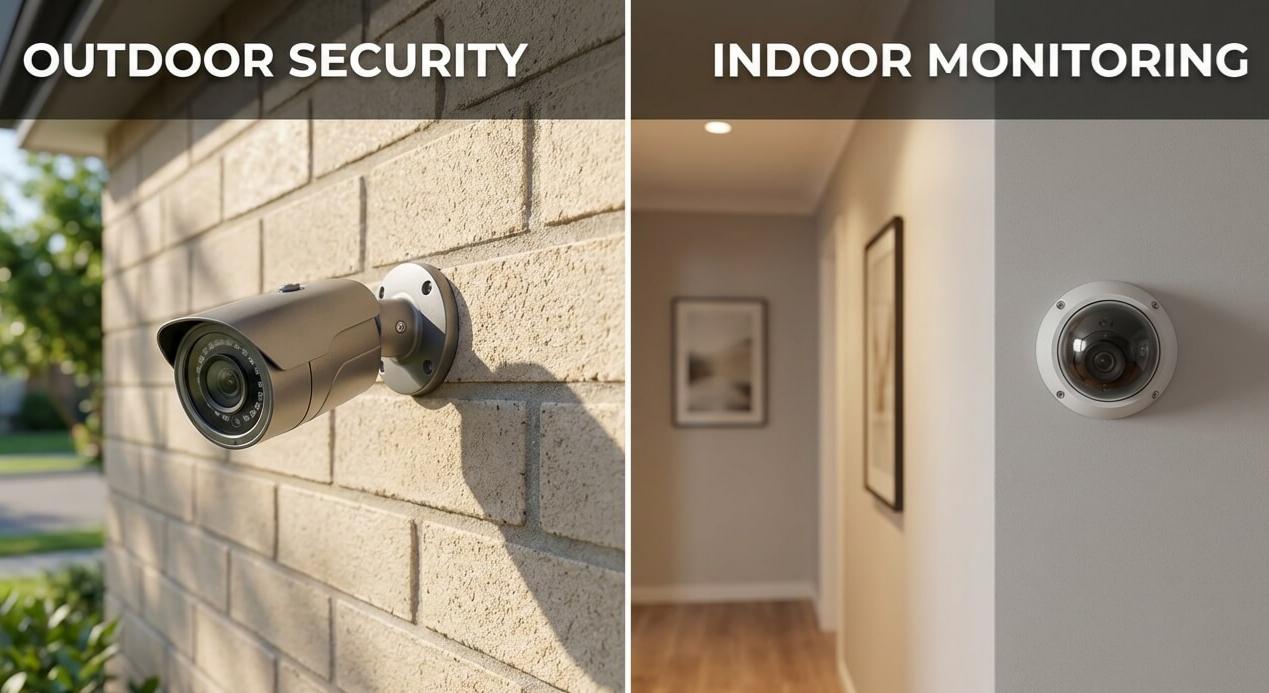
For 2026 security projects, choosing between outdoor cameras and indoor cameras should start from the site itself. For importers, distributors, contractors, brand owners, and project managers, this is not just a product comparison. Indoor cameras and outdoor cameras both have value, but they should be matched with the real use scene, sales channel, and long-term support plan.
The Current Landscape of Home Security Cameras in 2026
With better chips, software, and network technology, security cameras have moved from mainly professional jobs into more daily use. More home WiFi cameras are entering houses, small shops, rental buildings, and light commercial spaces. This has also pushed smart home systems to grow faster in many markets.
Emerging markets still need affordable connected cameras. Mature markets care more about image quality, privacy, data storage, and system matching. Indoor and outdoor home security cameras now compete not only on video quality but also on how well they work with apps, cloud storage, TF cards, alarms, and smart devices.
Consumer Behavior and Purchasing Patterns
Buyers in 2026 care about simple use, compatibility, and clear product value. They want easier setup, app viewing, storage options, and product functions that are easy to explain to end users. For distributors and online sellers, this matters a lot. If the customer cannot pair the app or understand storage, the seller will face support questions very quickly.
Privacy is also changing how people choose cameras. Some end users prefer outdoor cameras because they do not want continuous indoor recording. Outdoor cameras watch entrances, driveways, yards, and shop fronts before something reaches the inside area. Indoor cameras still have their place, but the privacy concern is real.
Local rules and economic conditions also affect buying decisions. In regions with stricter data protection rules or import requirements, distributors often work with certified OEMs so they can keep documents, labeling, and product standards in order.
Indoor Cameras: Functionality, Advantages, and Limitations
Key Features Defining Modern Indoor Cameras
Smart indoor cameras often connect with Alexa or Google Home. Some models support motion detection, two-way audio, app alerts, and HD video. These functions are useful for small offices, rooms, counters, reception areas, storage spaces, and other indoor points.
Before choosing a model, buyers need to ask one basic question: what area does the customer need to monitor? Indoors, at the entrance, or outdoors? Different locations need different camera types. A camera for an office shelf is not the same as a camera for a gate or a parking area.
Benefits of Using Indoor Cameras for Home Security
Indoor models are useful for watching children’s activities, elderly care, small offices, stock rooms, and private indoor spaces where lighting is usually stable. They can also help verify small incidents, such as a fall, missing item, or entry into a restricted indoor area.
The lower installation cost is another reason indoor cameras move well. They usually do not need strong brackets, waterproof casing, or complex wiring. That makes them easier for first-time buyers and online sellers.
Outdoor Cameras: Expanding Capabilities Beyond Perimeter Protection
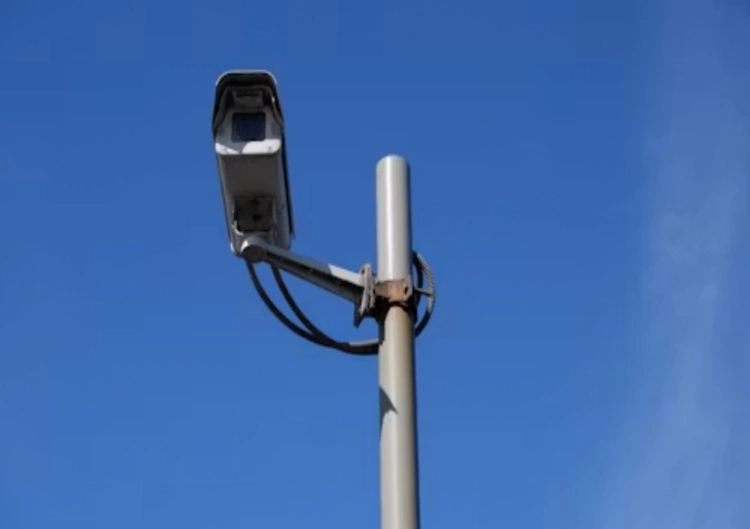
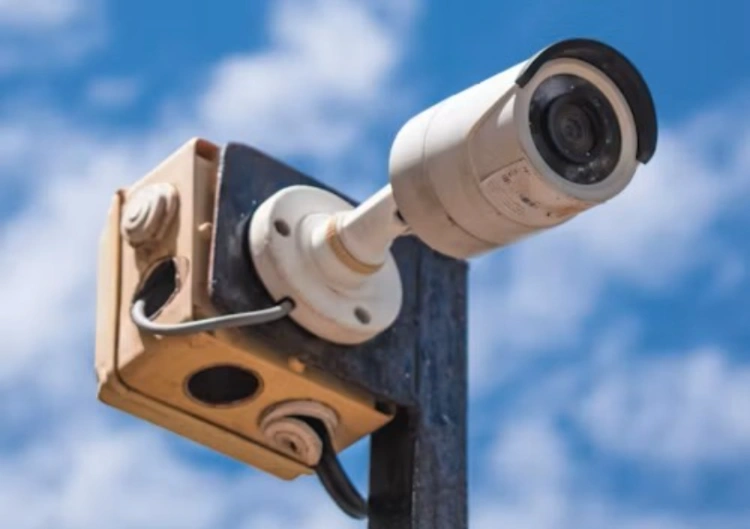
Outdoor cameras are designed for harder environments. They may face rain, dust, wind, sunlight, temperature changes, insects, and longer viewing distances. This is why outdoor camera selection needs more attention.
Outdoor cameras also work as a visible warning. A camera at a gate, yard, shop front, warehouse entrance, or parking area can help users get alerts before a problem reaches the door. This is one reason outdoor models are important for contractors and project buyers.
Outdoor cameras need Weather-resistant shells since they face harsh conditions. Places with lots of rain, dust, or sea mist need tougher protection. Also, some outdoor cameras hook up to smart lights. So, the lights switch on when motion is spotted.
Comparing Indoor vs Outdoor Security Solutions in 2026
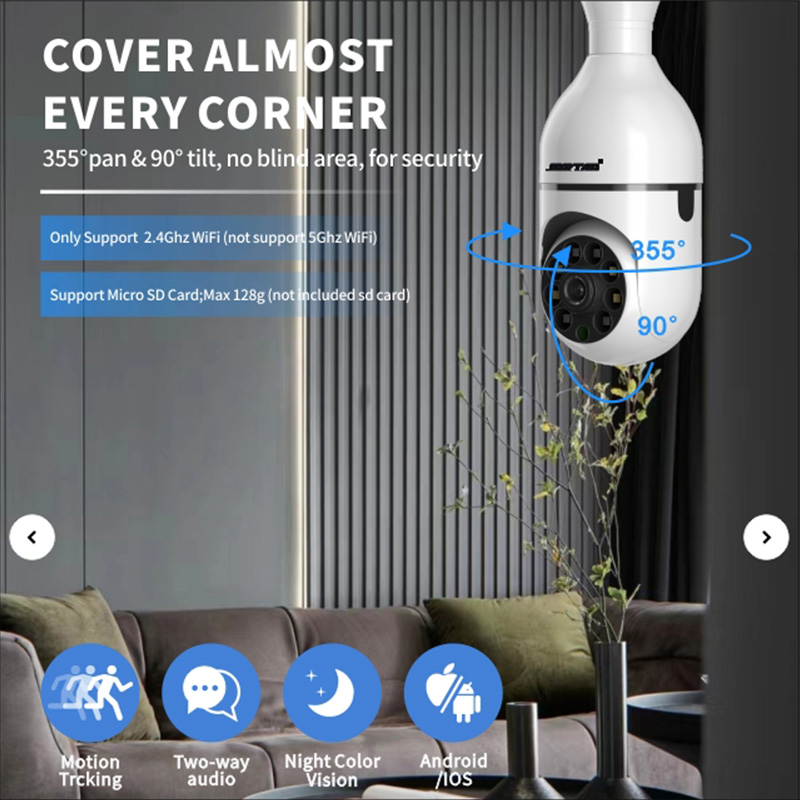
The choice between indoor and outdoor home security cameras should not start with price. It should start with the working environment.
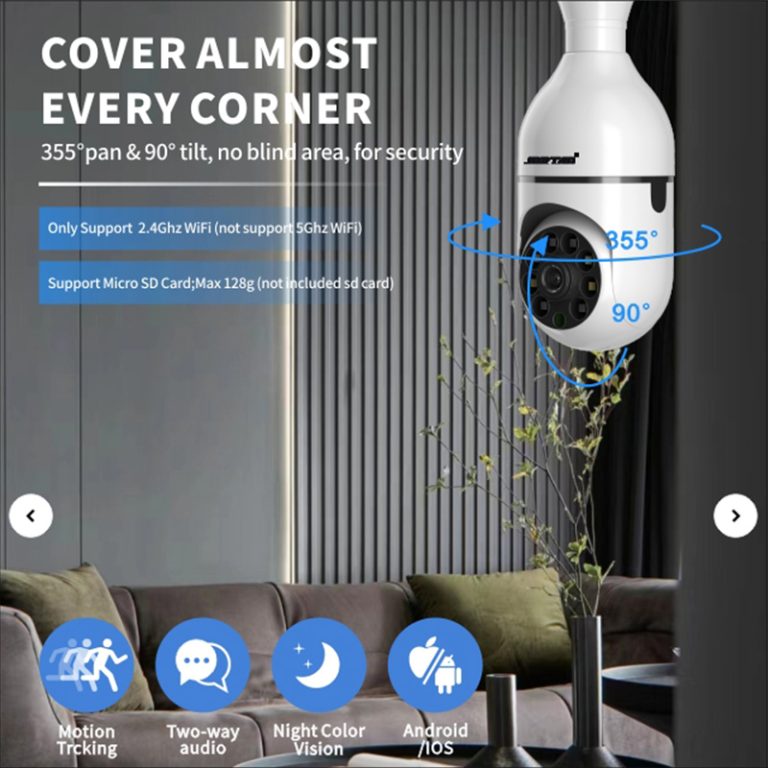
Outdoor models often need longer viewing distance and stronger image support. Some product guidance may list observation distances such as 15 m, 25 m, or 3~120 m, and observation angles such as 38°, 50°, 180°, or 355°. These numbers help buyers judge whether the camera can match wider outdoor areas.
Indoor cameras usually focus on smaller spaces. They do not always need long-distance viewing, but they do need clear close-range images, easy app use, stable WiFi, and a clean design that fits indoor placement.
Connectivity also changes by project type. Wired systems are better for long-term stable installations. Wireless versions are more flexible but depend on signal quality. Battery-powered variants need charging or replacement planning. The solar camera is powered by solar energy, there is no need to replace batteries. This type can be useful in outdoor sites where cabling is difficult, but buyers still need to check sunlight, battery design, and working time.
Final Buying Advice for 2026 Camera Procurement
Match Camera Type With the Real Installation Environment
Outdoor cameras are best, for entrances, parking areas, warehouses, farms, yards, fences and other areas that are exposed. These cameras need to be stronger have good night vision and be mounted well.
Indoor cameras fit offices, retail counters, rooms, storage areas, reception desks, and other spaces where appearance and simple setup matter more than weather resistance. For these sites, compact design, app use, and two-way audio may be more useful than heavy casing.
Compare Total Cost, Not Only Unit Price
Procurement teams should calculate the full cost. For outdoor setups, this may include waterproof housing, brackets, cables, solar panels, batteries, memory cards, and installation labor. For indoor setups, the cost may include app subscriptions, compact mounts, packaging, manuals, and customer support.
A cheaper product can become more expensive if it brings returns or complaints. Buyers should look at the full lifecycle cost before placing bulk orders.
Test Samples Before Bulk Orders
Sample testing is still the most practical step. Outdoor samples should be tested in conditions close to real use, such as low light, rain, dust, heat, and long working hours. The buyer should check image quality, night vision, motion detection, waterproof structure, bracket strength, and network connection.
Indoor samples should be tested for WiFi stability, app pairing, two-way audio, playback, storage, and daily use. If the app is difficult to pair, customers will notice quickly.
Build a Mixed Product Line for Different Channels
Distributors usually benefit from a mixed range. They can combine Wi-Fi-based indoor units, outdoor waterproof cameras, PTZ cameras, solar cameras, and monitoring packages. This gives the sales team more ways to serve retail buyers, installers, and project customers.
Choose Suppliers With Long-term Support
A supplier should not only provide a product list. Buyers should check OEM/ODM options, certification range, lead time, warranty policy, spare parts, packaging support, and technical response. For mixed indoor and outdoor product lines, supplier matching ability matters even more.
If the buyer needs both residential-grade Wi-Fi solutions and industrial IP surveillance lines, the supplier should be able to support different models, documents, and after-sales questions. This reduces risk when the project grows or when repeat orders come later.
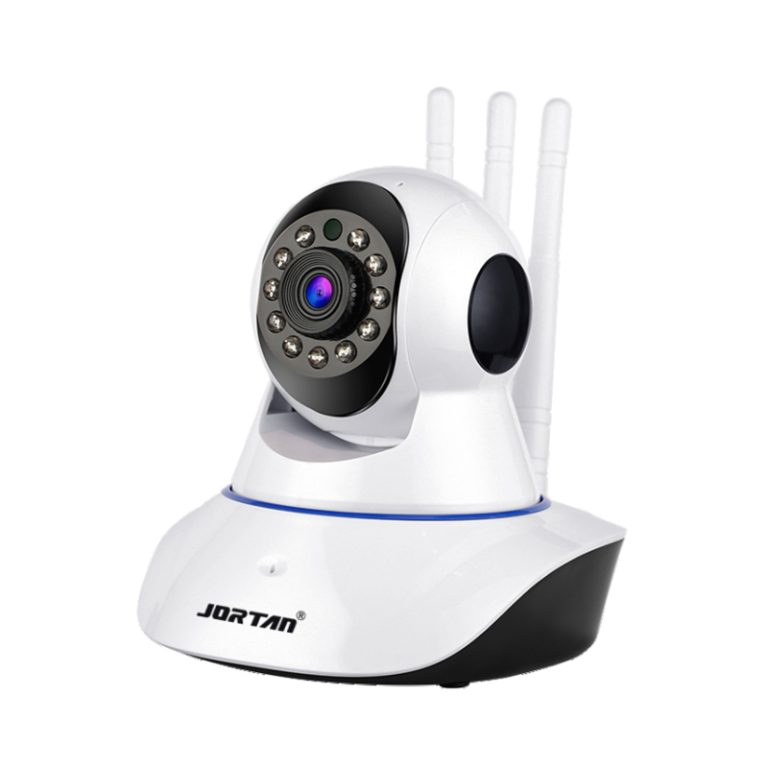
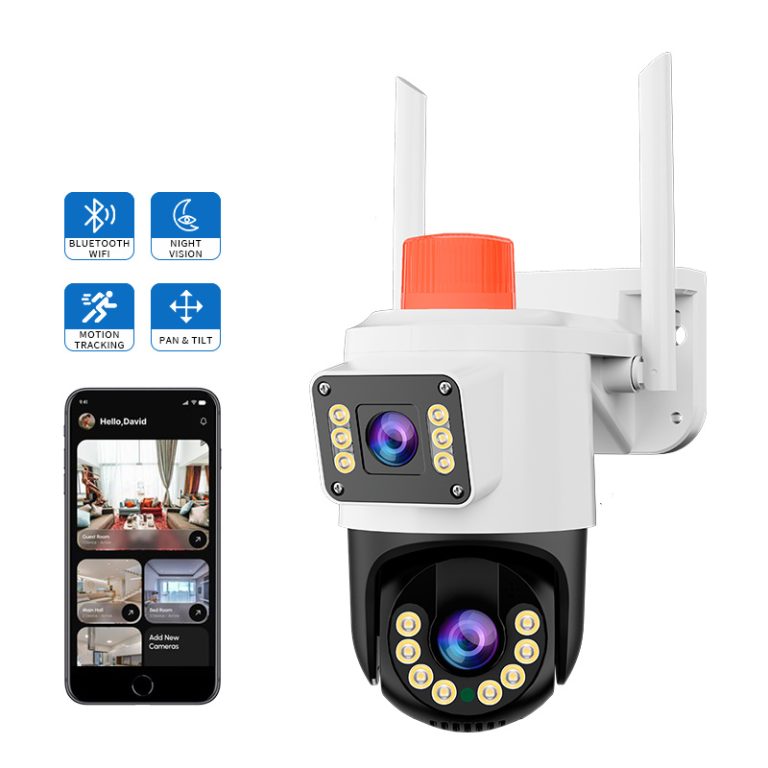
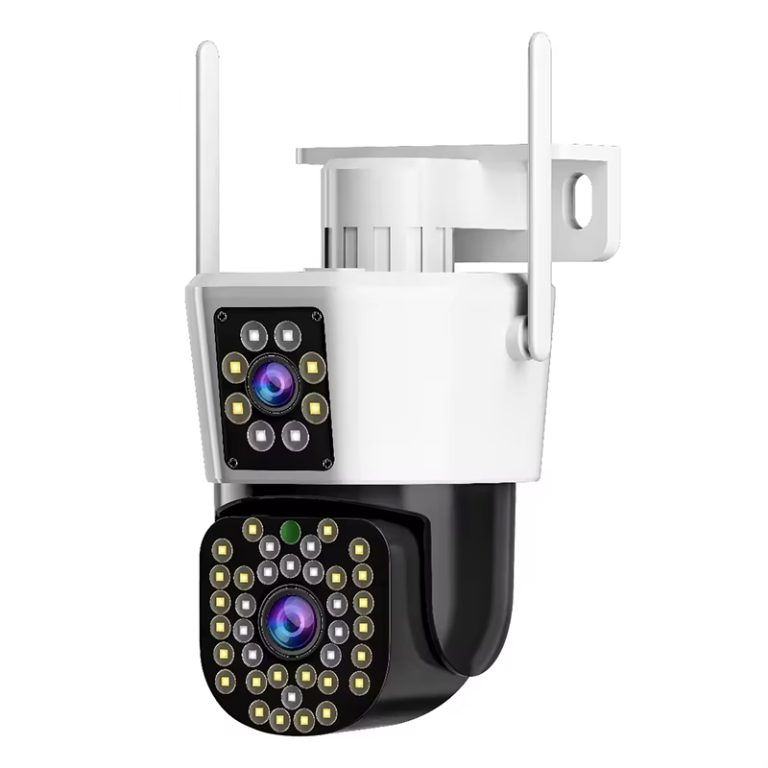
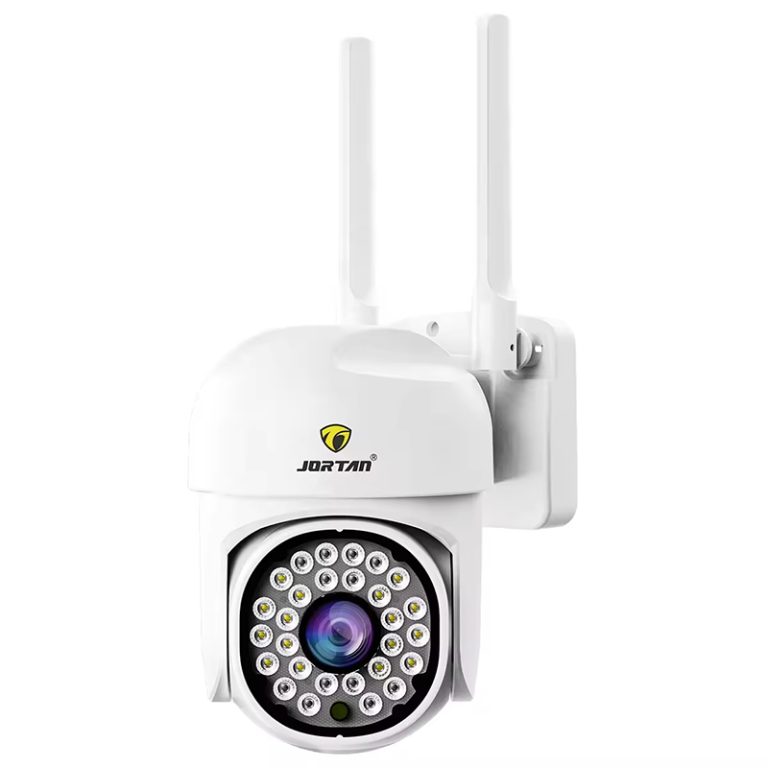
For this kind of mixed product planning, Jortan can be used as a practical reference. They have IP Cameras, Monitoring Packages, and Solar Cameras. And their product line includes options for indoor WiFi, outdoor dual-lens, PTZ viewing, and solar-powered stuff. This variety helps people who build both home and professional setups. They can easily compare gear, get samples, and order from one vendor.
FAQ
Q1: What factors determine whether I should choose an indoor or outdoor camera?
A1: Let us begin with the location where we will install the camera. The indoor cameras are perfect for places like offices and rooms because they are clean and stable. We can also put them near counters and in storage areas. And the outdoor cameras are better for the entrances and yards of our homes. The outdoor cameras need to be strong so they can work well in these places.
Q2: How can distributors manage mixed inventory efficiently?
A2: Distributors can keep a balanced range of compact Wi-Fi indoor units, outdoor waterproof cameras, PTZ models, solar cameras, and monitoring packages. This helps serve both retail buyers and project customers without putting all stock into one narrow product type.
Q3: Where can I source reliable OEM suppliers offering both camera types?
A3: Buyers can consider Jortan as a practical OEM supplier for both indoor and outdoor camera needs. Its product range covers IP Camera, Monitoring Package, and Solar Camera categories, while its OEM/ODM support includes logo, packaging, appearance, and APP customization for brand owners and distributors.