The unit price on a quotation is the first number a buyer compares and the last number that survives customs. Landed cost is what a batch actually bills against the warehouse shelf, and on a container of wireless cameras the gap between FOB and landed routinely eats a quarter of the margin someone thought they had. Landed cost is not complicated. It is layered, and every layer has an owner, a document, and a moment where it can still be planned or already cannot. The layers come below in the order they are committed.
The Quote Price and What it Quietly Excludes
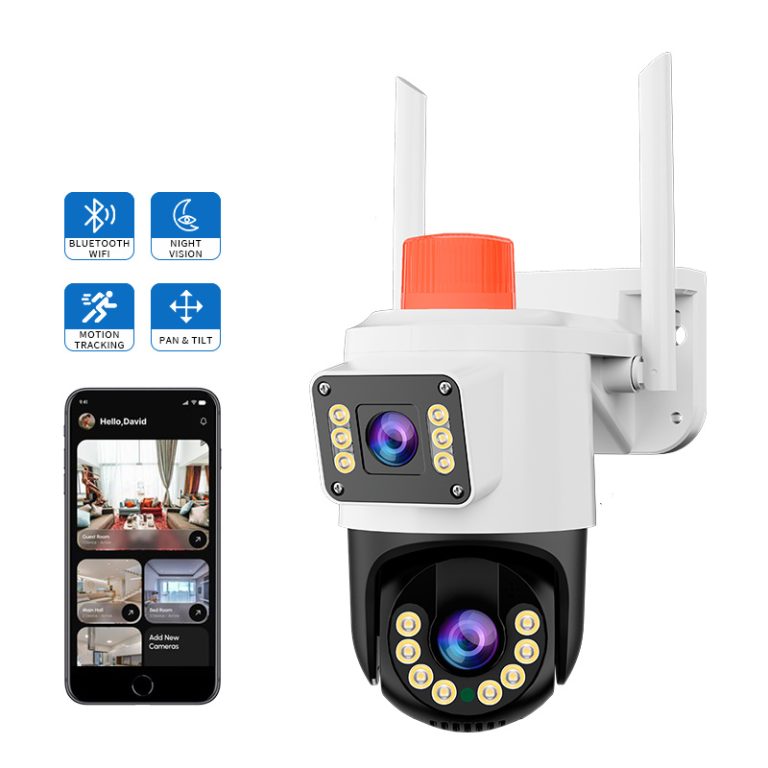
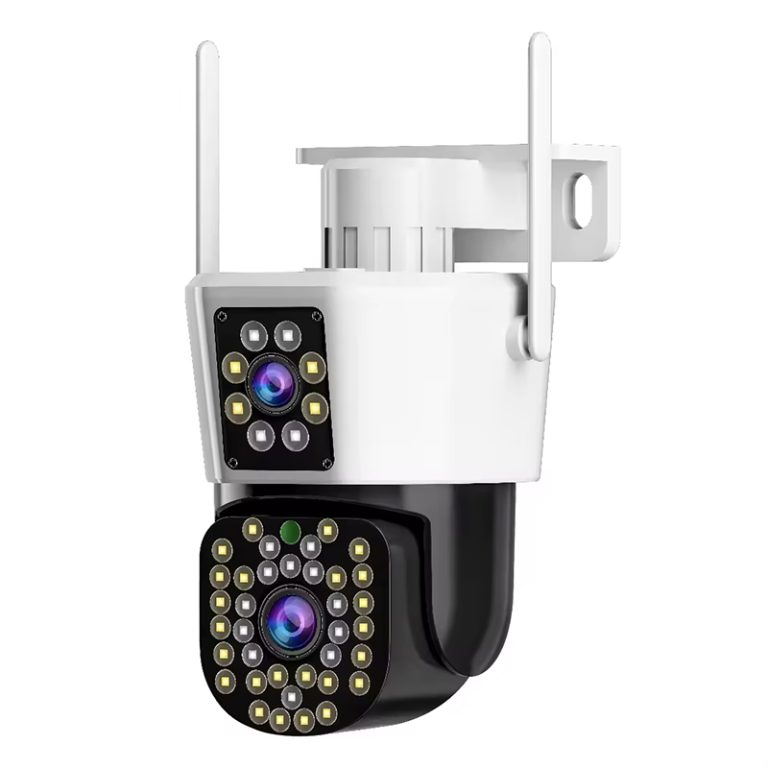
Start by reading the quotation’s Incoterm. FOB means the buyer’s cost begins at the origin port, which adds ocean freight, insurance, origin handling, and documentation the quote never carried. EXW adds origin trucking too. CIF flatters the headline and moves the surprise to destination. Whatever the term, the quote price also sits without its accessories unless the bill of materials says otherwise, and camera accessories are where quotes hide weight: power adapters carry certification costs of their own, mounting brackets ship as dimensional air, and a multi-language manual print run prices by quantity nobody mentions at sample stage. The first line of the landed model should restate the quote as a fully specified package before anything gets multiplied.
Freight, Insurance, and the Classification Layer
Ocean freight moves weekly, and a planning model uses a stated rate with a dated source, not the number from last month’s invoice. Wireless cameras cube out before they weigh out, so carton dimensions decide charged volume, and a packaging revision worth reading is worth pricing. Duty is the classification layer and the quietest money in the model. Camera products classify against tariff lines that turn on detail, whether the device carries its own recording function, whether it ships as a system with a recorder, which wireless feature defines the classification claim. The HS code on the customs paperwork needs the same attention a product name gets, because the duty rate applies to the code, not the intention.
Insurance is cheap and the paperwork is cheap, and the total of the layer reads against one number: the invoice value plus freight times the insurance convention. Anyone modeling a camera import without a written freight quote per shipment should treat the freight line as a live number until the booking confirms.
Destination Charges and the Local Surprise List
Customs clearance fees, port and terminal handling, the destination freight forwarder’s local charges, chassis or storage if the container waits, delivery to the warehouse, and the broker’s own service fee. This layer is small per unit on a full container and brutal on a partial one, which is why consolidators’ per-unit landed math and direct importers’ per-unit landed math describe different products. The local layer also carries the regulatory charges a camera import can trip: certification listing fees, the testing an updated firmware or radio change might require, and marking work done at the destination port at hourly rates that look theoretical until a pallet waits under them.
Separate One-Time Market Costs from Repeat Shipment Costs
A useful landed-cost model separates expenses that occur once from expenses that recur with each order or shipment. Initial certification work, market-entry testing, label artwork, translation, tooling adjustments, and preparation of an approved sample may be incurred before regular production. Freight, insurance, duty, port handling, brokerage, and delivery are more directly connected to a shipment. If these categories are mixed in one unit-cost figure, a buyer may count a one-time expense repeatedly or overlook it when comparing suppliers.
The model should show how a one-time cost is allocated. A distributor may spread initial testing or artwork costs across expected order volume, but the allocation basis should remain visible. If the forecast quantity changes, the per-unit allocation changes too. A small first order may therefore have a higher effective cost than a repeat order even when the supplier’s unit price is unchanged. Keep the original amount in a separate row so it can be reviewed when the product enters another market or uses a revised configuration.
The quantity used as the denominator also matters. Samples, spare units, and stock held for inspection may not all become saleable inventory. State whether the model calculates cost per ordered, shipped, or saleable unit. Check accessory completeness against the agreed BOM at the same time: adapters, brackets, cables, screws, manuals, and any included recorder or storage device should not be treated as optional if the customer expects them in the package.
Building the Model Once, Defending it Forever
The working model is a single sheet, one row per cost layer, each with its unit basis, its owner, and the document that proves it. Quote line against the spec sheet, freight against the booking, duty against the code and the ruling if one exists, destination charges against the broker’s tariff list. The sheet’s real output is comparison discipline: two quotes compare as landed numbers, because a comparison without the rows is incomplete. A distributor weighing two wholesale camera sources should require both models in the same row format, or the cheaper FOB wins on nothing. And the sheet is where the small structural moves show up, a higher pack quantity per carton moving the freight line, a destination-certification strategy that avoids port marking fees, an order quantity that clears the consolidation cliff.
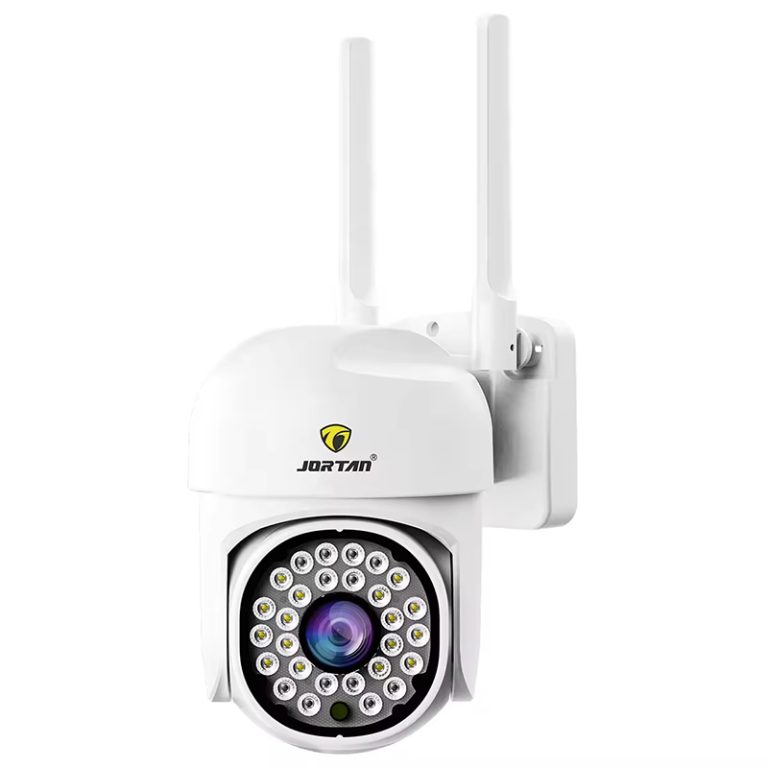
For a first import through Jortan of a wireless line like the JT-8161QJ or the JT-8160QJ, the honest version runs the model against the actual broker’s quote before the order commits. The same sheet can be requested as a planning template and filled line by line. The number that lands at the warehouse at least once gets believed, and the model earns its keep the season freight doubles.
Conclusion
Landed cost is the quote plus freight and insurance, plus the classification that sets duty, plus the destination layer, plus the regulatory line nobody priced at sample stage. Each layer carries a document, and the model’s whole job is making those documents appear before commitment instead of after. Comparison buyers should demand the same row format from every source, because an FOB price compared without its rows is an invitation. A dated freight assumption, a defended HS code, and one honest sheet survive every quotation season, and the sheet asks the same question every time: which line changes if this order doubles?
FAQ
Q1: What is the typical gap between FOB price and landed cost?
A1: It swings with freight markets, destination tariffs, and order size, and any universal percentage would be a guess. The planning answer is that wireless cameras cube out before they weigh out, which puts carton dimensions and the HS code ahead of the headline price as model inputs.
Q2: Who decides the HS code on a camera import?
A2: The importer owns the classification of record; brokers advise. A written ruling or at least a broker memo defending the chosen code is the artifact that survives an audit, since duty applies to the code and product detail drives the code.
Q3: Do certification costs belong in landed cost?
A3: Market-entry testing and listing for the radio and electrical safety belong in the program’s first-order model, and firmware or radio revisions can reopen them. The cost