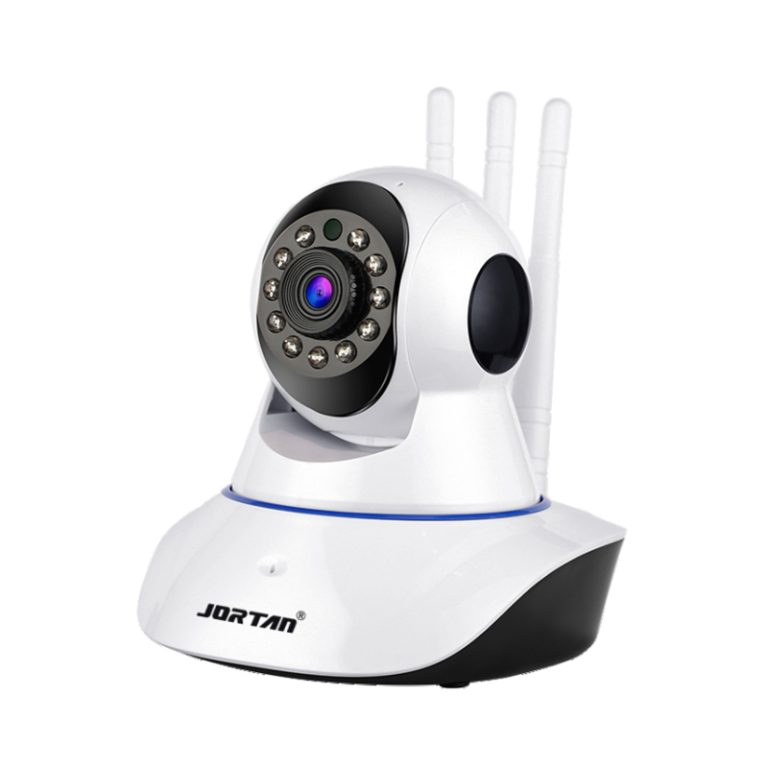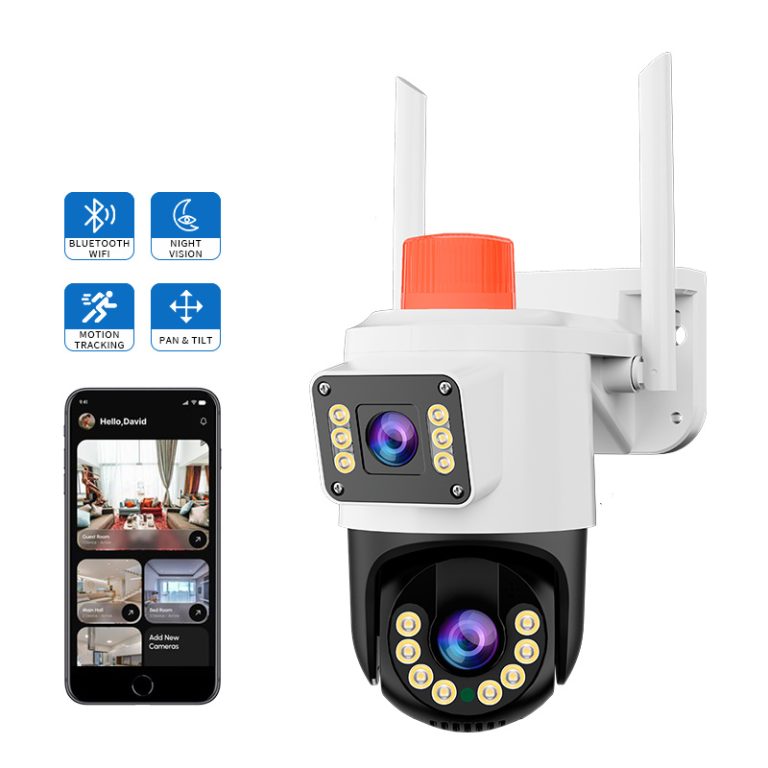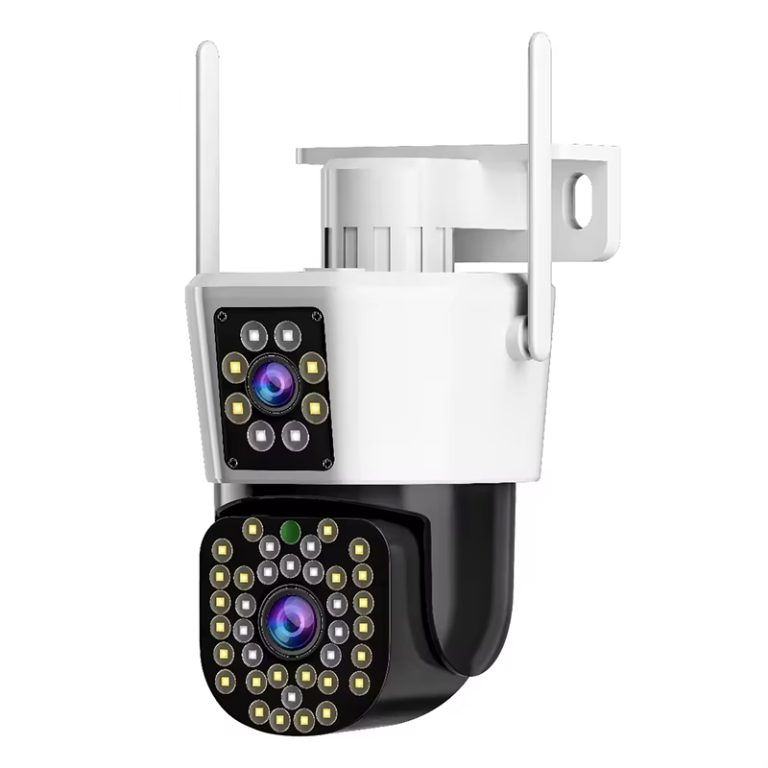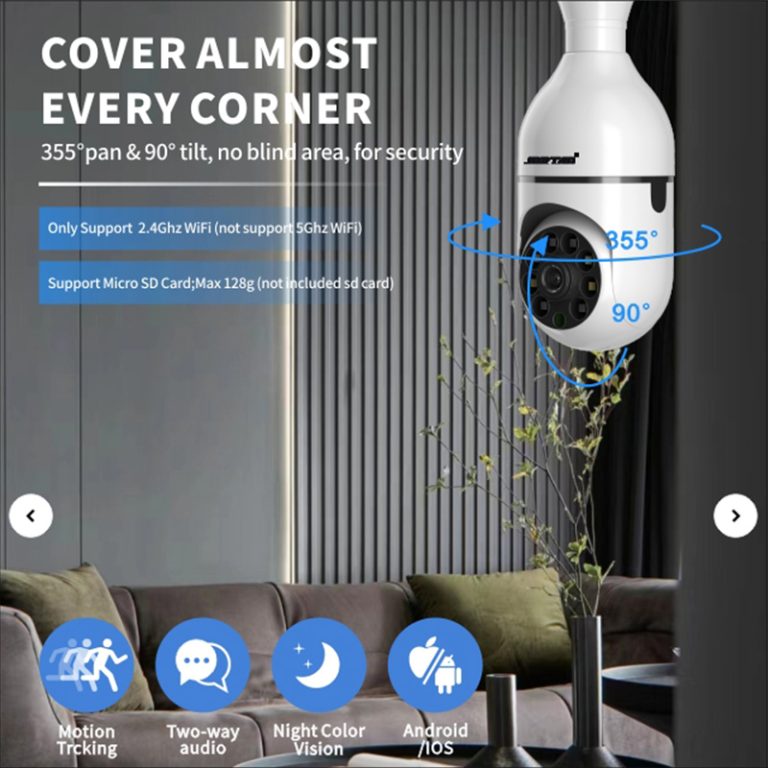
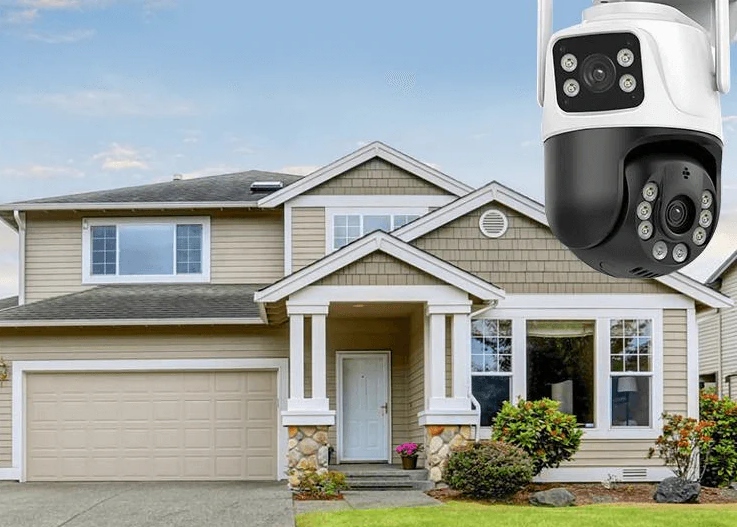
Pour les achats de 2026, caméra de sécurité à double objectif Les produits suscitent un intérêt croissant chez les acheteurs qui recherchent une meilleure couverture visuelle sans pour autant transformer chaque projet en un système de caméras imposant. Pour les entrées extérieures, les cours, les parkings, les magasins, les petits entrepôts et les travaux de génie civil légers, un modèle à double objectif constitue une solution plus adaptée.
Pourquoi les caméras de sécurité à double objectif sont importantes pour les achats de 2026
Couverture étendue pour les sites extérieurs et les chantiers
Une caméra à objectif unique convient parfaitement à de nombreux points fixes. Le problème se pose lorsque la zone à surveiller est plus étendue. C'est là que les caméras de sécurité à double objectif deviennent utiles. Un objectif permet une vision plus large, tandis que l'autre assure une vision plus rapprochée ou séparée, selon le modèle.
Meilleure différenciation des produits pour les distributeurs
Pour les distributeurs, les caméras de sécurité à double objectif se positionnent au-dessus des caméras WiFi basiques à objectif unique. Plus faciles à présenter comme une option supérieure, elles offrent une différence visible. Le client constate la présence de deux objectifs, une couverture plus large, la fonction PTZ sur certains modèles et un positionnement extérieur plus précis. Si tous les vendeurs proposent des modèles intérieurs 1080p similaires, le prix devient l'argument principal. Les produits à double objectif permettent aux équipes commerciales de mettre davantage en avant la couverture, la vision nocturne, les performances en extérieur et la valeur ajoutée pour le projet.
Demande croissante de projets de sécurité flexibles
De nombreux projets ne sont pas assez vastes pour justifier un système câblé complet, mais nécessitent néanmoins une couverture plus étendue qu'avec une simple caméra intérieure. Les petits commerces, les locations, les entrées de villas, les cours, les parkings, les petits entrepôts et les sites temporaires se situent souvent dans cette catégorie. Les caméras de sécurité à double objectif sont particulièrement adaptées à ces situations, surtout lorsqu'elles sont combinées à des caméras Wi-Fi, des caméras PTZ, des caméras solaires ou des packs de surveillance.
Principaux types d'appareils photo à double objectif que les acheteurs devraient comparer
Caméra de sécurité à double objectif fixe
Un appareil photo à double objectif fixe convient lorsque la zone de visualisation ne nécessite pas de grands mouvements, mais qu'un seul angle de vue ne suffit pas. Il est important de vérifier si l'appareil offre deux vues distinctes, un champ de vision plus large ou une disposition d'images liées.
Caméra PTZ à double objectif
Les caméras PTZ à double objectif sont particulièrement adaptées aux espaces extérieurs où l'on recherche une grande liberté de mouvement et un champ de vision plus large. Le mouvement PTZ permet d'observer les alentours. La double optique offre une meilleure définition et une présentation produit plus détaillée.
Pour ce type d'appareil, les acheteurs doivent tester la réactivité panoramique et d'inclinaison, la qualité du zoom, le délai de l'application, la fonction de suivi, le voyant d'alarme et l'image nocturne.
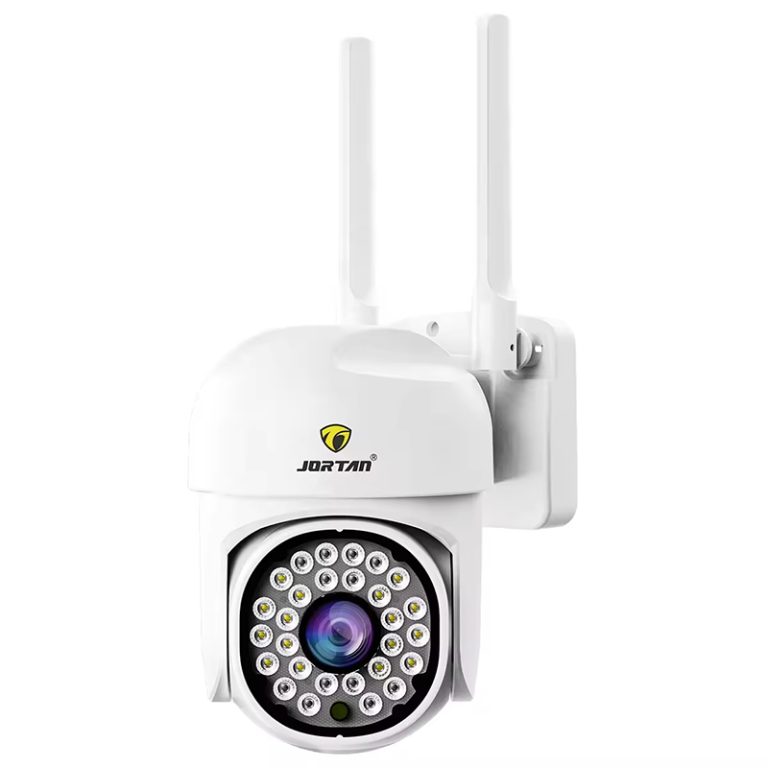
JordanieLa JT-8698PRO de [Nom de la marque] est une référence utile, car elle est présentée comme une caméra à double objectif de 4 MP avec Wi-Fi PTZ ICSEE, une conception extérieure à double objectif, le suivi par IA et un voyant d'alarme. Ce type de modèle convient aux acheteurs qui recherchent une solution sans fil extérieure plus adaptée à leurs projets.
Caméra WiFi extérieure à double objectif
Les caméras WiFi extérieures à double objectif sont souvent utilisées pour les portes, les devantures de magasins, les portails de petits entrepôts, les cours et les parkings. Pour ces produits, l'étanchéité et la qualité de la fixation sont tout aussi importantes que la résolution d'image.
Les acheteurs doivent vérifier la stabilité du Wi-Fi, la conception de l'antenne, la vision nocturne, la solidité du support, le matériau du boîtier et l'alimentation. Un support fragile ou une étanchéité défectueuse peuvent engendrer des problèmes, même si la qualité d'image de la caméra est acceptable. (Jortan) JT-9687PRO Elle se positionne comme une caméra de sécurité extérieure WiFi à double objectif, dotée d'un système audio bidirectionnel et d'une vision nocturne couleur. Elle constitue ainsi une référence pertinente pour les acheteurs comparant les modèles extérieurs destinés aux petits commerces ou aux réseaux de distribution.
Caméra solaire à double objectif
Les caméras solaires à double objectif sont une option intéressante lorsque le site du projet ne présente pas d'accès facile au câblage ou à l'alimentation électrique. Elles conviennent aux portails extérieurs, aux exploitations agricoles, aux cours, aux parkings, aux sites temporaires et aux entrées isolées. Il est également important de vérifier le mode de recharge solaire, l'autonomie de la batterie, le temps de veille, l'autonomie en fonctionnement, l'étanchéité, la compatibilité avec une application mobile et la résistance aux conditions météorologiques locales.
Paramètres essentiels à vérifier avant les commandes groupées
Configuration de l'objectif et angle de vision
Le premier point à vérifier concerne la conception de l'objectif. La caméra propose-t-elle un mode grand angle et un mode macro ? Affiche-t-elle deux images dans l'application ? L'un des objectifs est-il compatible avec les mouvements PTZ ? La configuration à double objectif réduit-elle réellement les angles morts ? Les acheteurs doivent demander aux fournisseurs des captures d'écran de l'application, des exemples de vidéos et, si possible, des exemples d'installation. L'expression « double objectif » ne suffit pas.
Résolution d'image et vision nocturne
Pour une utilisation de base, la résolution 1080p peut encore convenir. Pour les entrées extérieures ou les zones plus étendues, une résolution de 3, 4, 5 mégapixels, voire plus, est préférable. Toutefois, il convient de tester la résolution en fonction de la qualité de l'objectif. vision nocturne.
La vision nocturne est particulièrement importante pour les commandes en extérieur. Il est conseillé aux acheteurs de comparer la vision nocturne infrarouge, la vision nocturne couleur, la lumière blanche, le mode double éclairage et la fonction d'alarme lumineuse. Jortan propose des modèles tels que le JT-9687PRO et le JT-9999PRO qui peuvent servir de référence pour les acheteurs recherchant une vision nocturne couleur ou une meilleure couverture visuelle en extérieur.
Détection de mouvement et suivi intelligent
La détection de mouvement, la détection humaine, le suivi automatique, la détection sonore et les voyants d'alarme peuvent faciliter la vente d'une caméra de sécurité à double objectif. Toutefois, ces fonctionnalités nécessitent des tests.
Les équipes d'approvisionnement doivent vérifier les fausses alertes, la rapidité des notifications push, la fluidité du suivi et la gestion de la lecture par l'application. Un trop grand nombre de fausses alertes peut entraîner des retours utilisateurs négatifs.
Alimentation électrique et durabilité en extérieur
Les caméras de sécurité à double objectif peuvent être alimentées par courant continu, par batterie, par énergie solaire ou par d'autres systèmes d'alimentation. Il est de la responsabilité de l'acheteur d'adapter le type d'alimentation aux conditions du site.
Pour les modèles d'extérieur, il convient de vérifier l'étanchéité, le matériau du boîtier, la robustesse du support, la température de fonctionnement et les accessoires. Pour les commandes en gros, ces détails influent sur la durée de vie du produit et les coûts du service après-vente.
Scénarios d'application pour les caméras de sécurité à double objectif
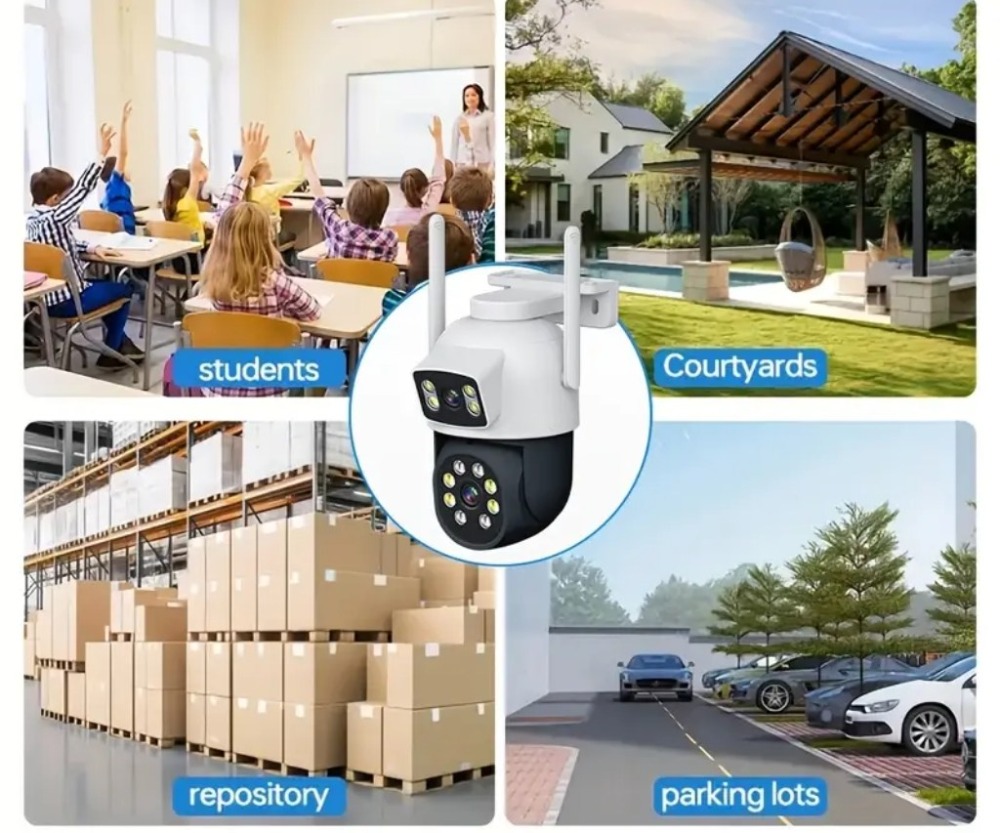
Gammes de produits pour la vente au détail et le commerce électronique
Les caméras de sécurité à double objectif peuvent servir de référence pour les ventes en ligne et les points de vente physiques. Leurs atouts sont faciles à mettre en avant : champ de vision élargi, application de visualisation, vision nocturne, alerte de mouvement, audio bidirectionnel et utilisation extérieure. Les modèles JT-8293QJ et JT-9689UQJ constituent des exemples pertinents pour ce type de produit, car ils combinent double objectif, Wi-Fi, sécurité intelligente, fonction PTZ et conception pour une utilisation extérieure.
Entrées extérieures et petits sites commerciaux
Pour les commerces, les petits entrepôts, les cours, les entrées latérales et les parkings, les caméras à double objectif permettent de couvrir une plus grande surface avec moins d'appareils. Les acheteurs doivent privilégier la fixation, l'étanchéité, la qualité d'image nocturne et la puissance du réseau.
Entreprises de sécurité et projets de génie civil léger
Les installateurs peuvent opter pour des modèles à double objectif lorsqu'ils souhaitent réduire le nombre de points de vue tout en conservant une couverture plus étendue. La rapidité d'installation, la stabilité de l'application et la facilité d'accès pour la maintenance sont ici plus importantes que les arguments marketing.
Distribution de marques privées et régionale
Pour les marques, les appareils photo à double objectif permettent de créer une gamme plus originale. Les acheteurs doivent vérifier les options OEM/ODM, le logo, l'emballage, le manuel, l'application, les accessoires, la quantité minimale de commande et le délai de livraison. (Jortan) Assistance OEM/ODM Cela inclut la personnalisation du logo, la personnalisation de la boîte d'emballage, la personnalisation de l'apparence du produit et la personnalisation de l'application.
Comment évaluer les fournisseurs de caméras de sécurité à double objectif
Vérifier la gamme de produits et la correspondance des modèles
Un fournisseur devrait proposer plusieurs types de caméras. C'est important pour les distributeurs, car une gamme complète de produits est plus facile à vendre qu'un modèle isolé. La page produits de Jortan comprend les catégories Caméras IP, Packs de surveillance et Caméras solaires, permettant ainsi aux acheteurs de comparer les modèles à double objectif avec les caméras Wi-Fi, les caméras PTZ, les caméras solaires et les différents packs disponibles.
Évaluation des capacités OEM/ODM et d'emballage
Les acheteurs de marques privées doivent se renseigner sur l'impression du logo, la conception de l'emballage, le manuel d'utilisation, les options d'application, les modifications d'apparence, les ensembles d'accessoires, la quantité minimale de commande et le délai de livraison. La page OEM/ODM de Jortan mentionne également les étapes de production telles que le moulage par injection, le traitement des puces, l'assemblage de la caméra, l'emballage et le contrôle qualité ; autant d'éléments utiles pour les acheteurs qui souhaitent évaluer la capacité de suivi du fournisseur.
Confirmer les certifications et les documents d'exportation
Les acheteurs doivent vérifier la conformité aux normes CE, FCC, RoHS, UKCA, WEEE, MSDS, UN38.3 ou autres documents requis en fonction du marché cible. Pour les modèles utilisant des batteries ou des systèmes solaires, il est conseillé de consulter la documentation relative aux batteries dès le début du processus.
Vérifier la garantie et le processus après-vente
Avant toute commande groupée, il convient de confirmer la durée de la garantie, la disponibilité des pièces détachées, la politique de remplacement, le support du firmware, la documentation technique et les délais de réponse. Le service après-vente est inclus dans le prix d'achat.
FAQ
Q1 : Que doivent vérifier les acheteurs avant de commander des caméras de sécurité à double objectif en grande quantité ?
A1 : Les acheteurs doivent vérifier la configuration de l’objectif, la résolution, la vision nocturne, l’affichage de l’application, la détection de mouvement, la fonction de suivi, l’étanchéité, le mode de stockage, l’alimentation, les accessoires, les certifications, la disponibilité d’échantillons, la quantité minimale de commande, les conditions de garantie et la réactivité du fournisseur. Pour les commandes en gros, il est plus sûr de tester un échantillon réel que de se fier uniquement aux photos du produit.
Q2 : Les caméras de sécurité à double objectif conviennent-elles aux projets extérieurs ?
A2 : Oui. Les caméras de sécurité à double objectif conviennent aux entrées extérieures, aux cours, aux devantures de magasins, aux parkings, aux petits entrepôts et aux petits chantiers. Avant l’installation, il est conseillé aux acheteurs de vérifier l’étanchéité, la qualité de la vision nocturne, la robustesse du support, la stabilité du Wi-Fi, le mode de rangement et l’alimentation. Pour les sites isolés, il est également possible d’envisager des modèles solaires ou à batterie.
Q3 : Les caméras de sécurité à double objectif peuvent-elles être personnalisées pour les commandes de marque privée ?
A3 : De nombreux fournisseurs, comme Jortan, proposent des services de personnalisation. Renseignez-vous sur le logo, l’emballage, le manuel d’utilisation, les options d’application, les modifications de couleur ou d’apparence, les accessoires, la quantité minimale de commande, le délai d’échantillonnage, le délai de livraison, le support du firmware, les pièces détachées, le guide d’installation, les conseils de maintenance et le service après-vente. Pour les projets en marque blanche, un approvisionnement régulier et stable est également essentiel.