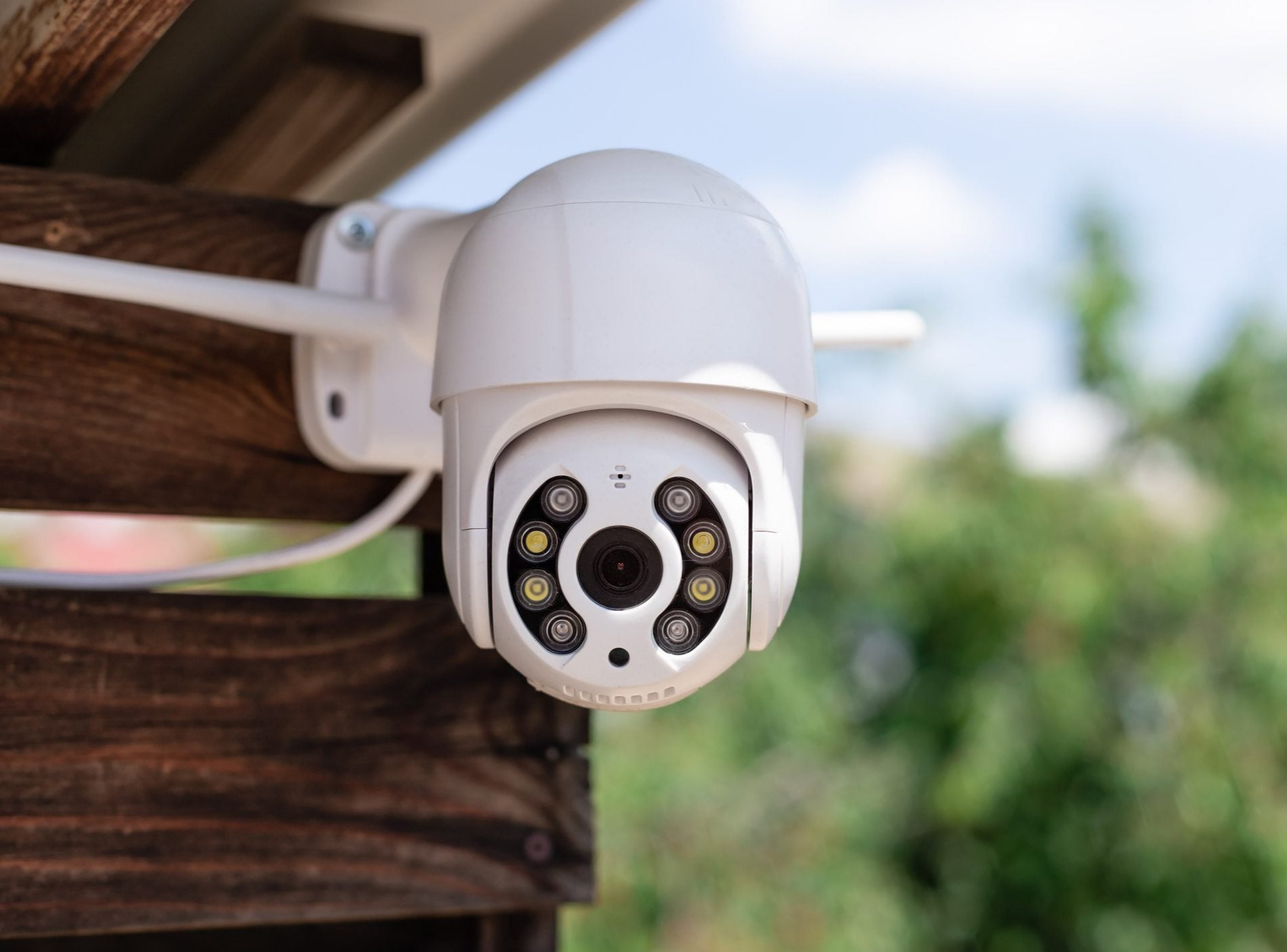
Pour les contrats de 2026, choisir un caméra IP Le choix d'un fournisseur ne se résume pas à comparer les prix ou les photos des produits. Avant de s'engager sur des commandes à long terme, les acheteurs doivent vérifier que le fournisseur est en mesure de garantir une qualité de produit constante, l'adéquation au projet, les certifications nécessaires, la prise en charge des besoins OEM/ODM, le respect des délais de livraison et un service après-vente de qualité.
Aperçu de l'importance de choisir le bon fournisseur de caméras IP
Choisir un fournisseur de caméras IP est une décision importante. Elle influe sur la qualité d'image, la compatibilité avec votre système, le délai d'installation, le service après-vente et la disponibilité du même modèle lors d'une prochaine commande.
Le rôle des caméras IP dans l'infrastructure de sécurité moderne
Une caméra IP (caméra à protocole Internet) est une caméra de sécurité qui reçoit des données vidéo et transmet des séquences vidéo via un réseau IP. Également appelée caméra réseau ou caméra de sécurité IP, elle est fréquemment utilisée comme outil de surveillance et de gestion à distance dans de nombreux secteurs et environnements pour protéger les biens ou assurer la sécurité des habitations, des entreprises ou des lieux publics.
Pour les entreprises, l'intérêt est évident. Les caméras IP se connectent aux réseaux, aux applications, aux systèmes NVR et aux outils de visualisation à distance. Elles peuvent être utilisées dans les magasins, les bureaux, les usines, les entrepôts, les écoles, les immeubles locatifs et sur les chantiers extérieurs.
Pourquoi l'évaluation des fournisseurs est importante pour les appels d'offres de sécurité de 2026
Pour les appels d'offres de sécurité de 2026, les acheteurs pourraient être confrontés à davantage de questions concernant la cybersécurité, le traitement des données, la compatibilité des systèmes et les fichiers de certification. Certains projets pourraient exiger la prise en charge d'ONVIF, le chiffrement, les mises à jour de micrologiciels ou des tests d'échantillons avant leur approbation définitive.
L'évaluation des fournisseurs permet aux acheteurs d'anticiper les risques avant que la commande ne prenne de l'ampleur. Elle vérifie si le fournisseur est en mesure de gérer les volumes du projet, de fournir les documents nécessaires, de respecter les délais de livraison et d'assurer un support technique après expédition.
Critères techniques clés pour l'évaluation d'un fournisseur de caméras IP
Lors du choix d'un fournisseur de caméras IP, le prix ne doit être qu'un critère parmi d'autres. L'adéquation technique est primordiale pour les contrats prévoyant une utilisation continue sur plusieurs années.
Évaluation des normes de qualité et de performance des produits
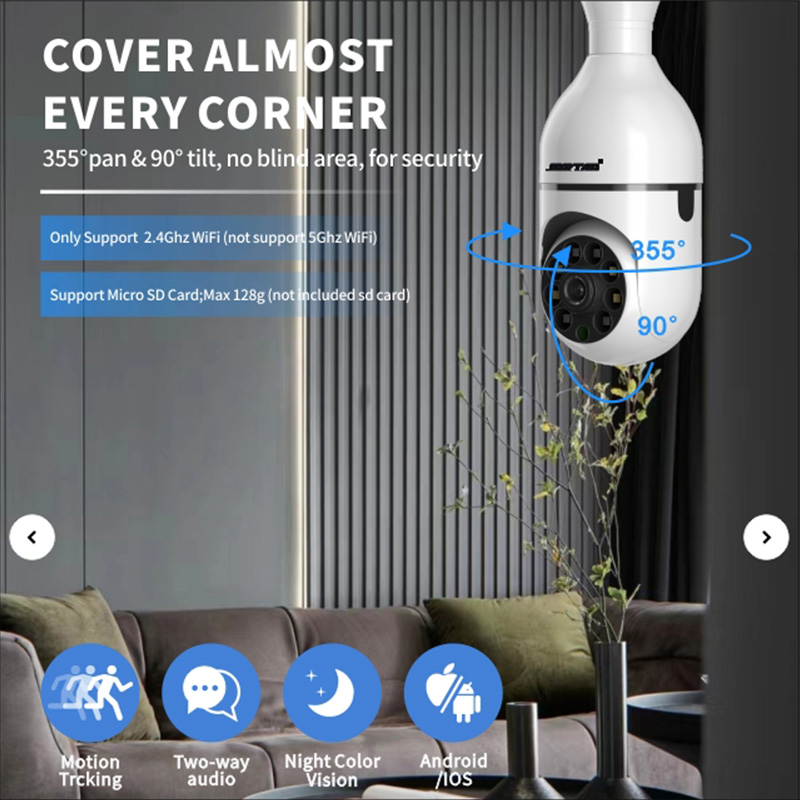
Une caméra IP performante doit offrir une image nette, de bonnes performances en basse lumière et un fonctionnement stable dans des conditions normales d'utilisation. La résolution est importante, mais ne doit pas être le seul critère. La qualité de l'objectif, les performances du capteur, la plage dynamique étendue (WDR), la vision nocturne, le boîtier et la gestion de la chaleur influent également sur le résultat final.
Par ailleurs, un tableau de spécifications ne suffit pas. Les acheteurs doivent tester des échantillons en plein jour, en faible luminosité et en extérieur si le projet prévoit une utilisation en extérieur. La durabilité est également un critère important. Les caméras peuvent être exposées à la poussière, à l'humidité, aux variations de température ou aux vibrations. Les acheteurs doivent donc vérifier le matériau du boîtier. indice d'étanchéité, température de fonctionnement, accessoires de montage et compatibilité ONVIF.
Capacités de compatibilité et d'intégration
De nombreux acheteurs possèdent déjà des appareils plus anciens, des plateformes VMS ou des systèmes NVR. L'ajout d'une nouvelle caméra IP ne devrait pas engendrer de travail supplémentaire si le système est déjà en place.
Le serveur réseau assure les fonctions réseau de la caméra. Il utilise les protocoles réseau appropriés tels que RTP/RTCP, UDP, HTTP, TCP/IP, etc., permettant ainsi aux utilisateurs d'accéder à la caméra depuis leur ordinateur via un navigateur standard, en se basant sur l'adresse IP de la caméra, de visualiser les images en temps réel et de contrôler l'objectif ainsi que les mouvements panoramiques et d'inclinaison.
Ce type de prise en charge de protocole est important pour les systèmes mixtes. Les grands projets utilisent rarement un seul type d'appareil. Avant de signer un contrat, les acheteurs doivent se renseigner sur la version ONVIF, l'accès via navigateur, la compatibilité avec les applications mobiles, la compatibilité NVR et la possibilité de tests sur des plateformes tierces.
Niveau de cybersécurité des caméras IP
Les caméras IP étant connectées à des réseaux, les acheteurs doivent s'assurer de la sécurité des mots de passe, de la transmission des données et des accès utilisateurs mis en place par le fournisseur. Les fournisseurs doivent être prêts à aborder les questions de chiffrement, de sécurité des comptes, de déploiement des mises à jour du micrologiciel et de résolution des problèmes. Pour les appels d'offres importants, les acheteurs peuvent également interroger les fournisseurs sur leur conformité aux normes telles que l'ISO/IEC 27001.
Évaluation de la fiabilité des fournisseurs et de la stabilité de l'entreprise
Les spécifications techniques sont importantes, mais la stabilité du fournisseur l'est tout autant. Un acheteur de projet doit savoir si le fournisseur est capable de poursuivre la production, la livraison et le support du produit après la première commande.
Les commandes en gros nécessitent une production régulière. Si le fournisseur ne maîtrise pas la gestion des composants, des versions de micrologiciel, du contrôle qualité et de l'emballage, des problèmes peuvent survenir d'un lot à l'autre. Les acheteurs doivent se renseigner sur les procédures de contrôle qualité avant expédition et vérifier si les modifications apportées aux lots sont consignées.
Une communication claire est également essentielle. Si le support technique de base est déjà lent à répondre avant le paiement, il est probable que le service après-vente ne soit pas meilleur par la suite.
Évaluation de la qualité du service et du support après-vente
Assistance après-vente C’est là que de nombreux projets de caméras IP se compliquent. Les équipes d’installation peuvent avoir besoin de fichiers de configuration, de manuels d’utilisation, de micrologiciels, d’aide concernant l’application, de conseils de montage ou de procédures de remplacement. Si le fournisseur ne répond pas, c’est à l’acheteur qu’incombe la responsabilité.
Les acheteurs internationaux accordent une grande importance à l'assistance linguistique et à la réactivité du service client. Des manuels clairs, des tutoriels vidéo et des guides de dépannage permettent de limiter les questions répétitives des utilisateurs. Ils doivent également vérifier attentivement les détails de la garantie : ce qui est couvert, sa durée et la procédure de remplacement.
Considérations relatives à l'innovation et aux technologies d'avenir pour les projets de 2026
Adoption des technologies émergentes dans les caméras IP
Les caméras IP modernes intègrent l'IA, la reconnaissance faciale et la détection comportementale. Elles effectuent également un traitement en périphérie et fonctionnent bien en faible luminosité. Les utilisateurs reçoivent ainsi des alertes plus rapides et des données vidéo plus pertinentes.
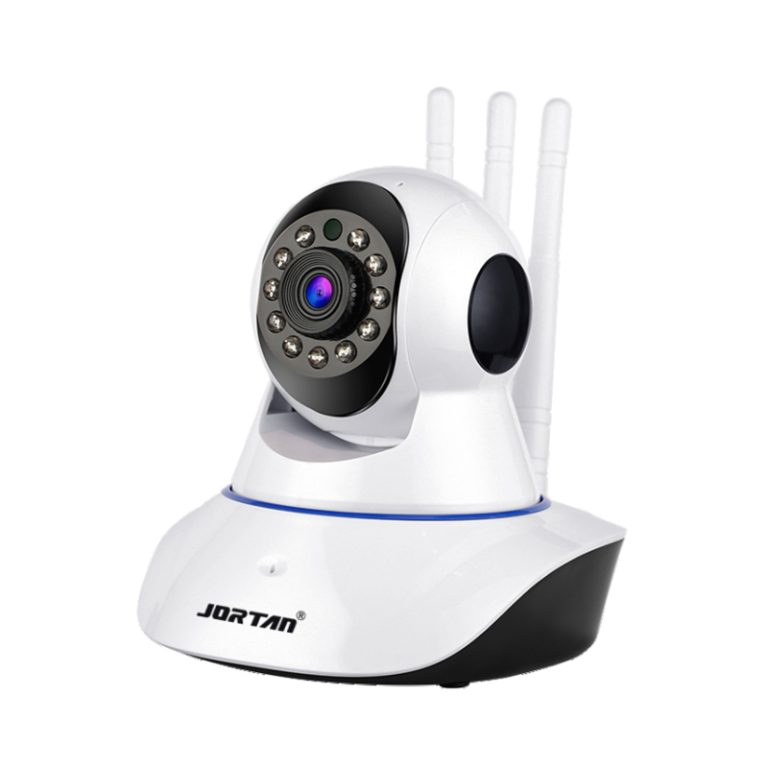
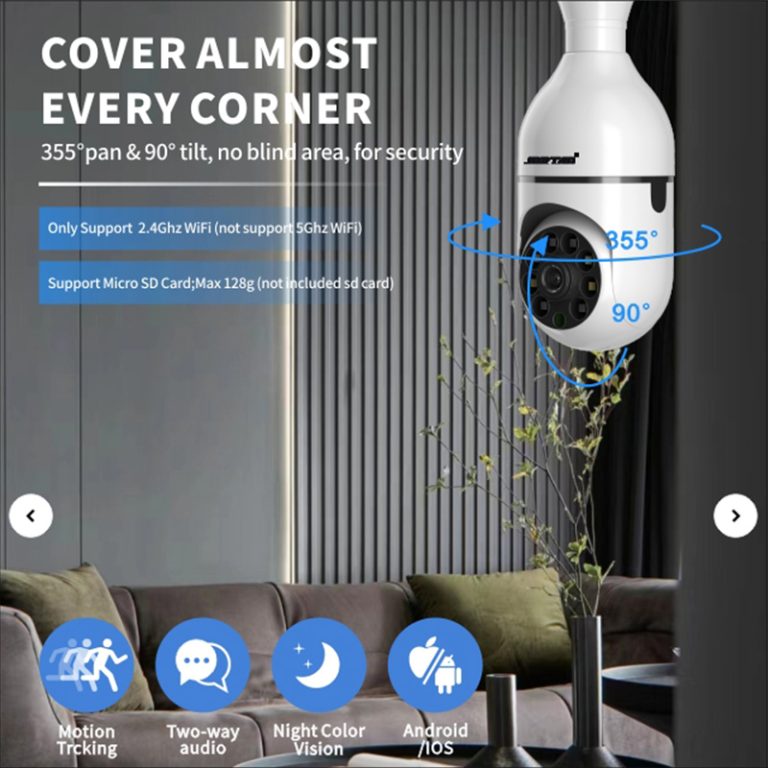
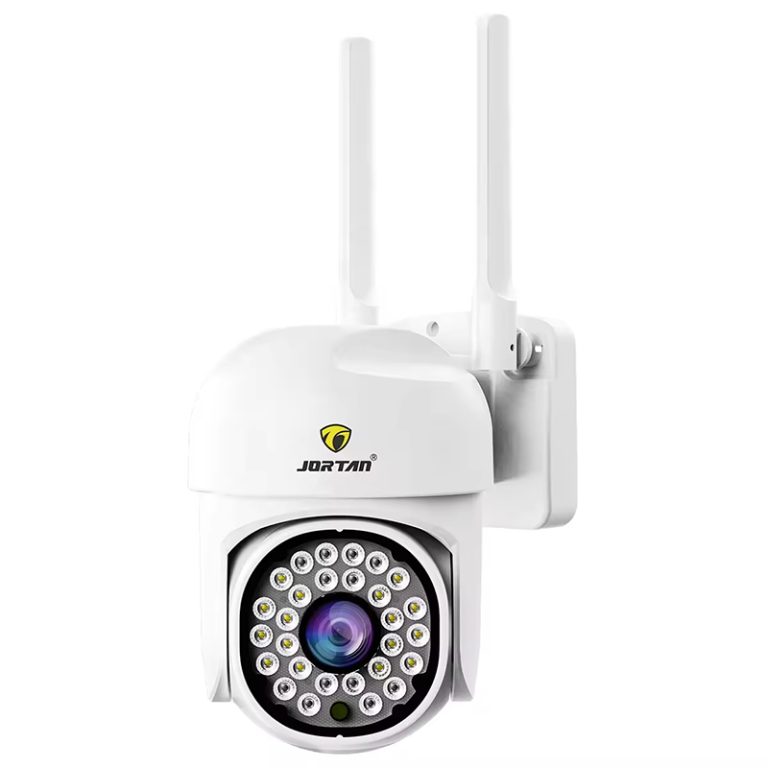
Certains acheteurs comparent désormais la consommation d'énergie, les options solaires et les besoins en maintenance. Cela ne signifie pas que chaque projet nécessite un modèle solaire, mais les fournisseurs devraient proposer plusieurs solutions. Pour les acheteurs qui souhaitent une planification produit aussi flexible, Jordanie Ce fournisseur mérite d'être considéré comme une option pratique. Sa gamme de produits comprend des caméras IP, des systèmes de surveillance et des caméras solaires, permettant ainsi aux acheteurs de comparer les solutions de caméras réseau filaires, les modèles Wi-Fi et les caméras solaires auprès d'un seul et même interlocuteur.
Feuille de route pour le développement et les mises à jour des produits
Un fournisseur fiable devrait être capable d'aborder les futures mises à jour de produits de manière concrète. Les acheteurs peuvent s'informer sur les mises à jour du micrologiciel, les nouveaux modèles, les mises à jour d'applications et la compatibilité avec les nouveaux systèmes.
Une feuille de route claire permet aux acheteurs d'éviter les cycles de vie trop courts des produits. Si un modèle est retiré trop rapidement du marché, l'acheteur risque de rencontrer des difficultés d'approvisionnement en pièces détachées et de réapprovisionnement. Pour les distributeurs, cela peut impacter le développement de leur réseau de distribution local.
Approche stratégique d'approvisionnement pour les appels d'offres de sécurité de 2026
Un simple tableau comparatif des fournisseurs peut éviter bien des tracas. Les acheteurs peuvent évaluer les fournisseurs selon la qualité des produits, les certifications, le support en cybersécurité, le prix, les délais de livraison, la capacité de production et la réactivité du service après-vente.
Il est conseillé de réaliser des tests pilotes avant de passer des commandes importantes. Un essai à petite échelle permet de vérifier la qualité d'image, la configuration de l'application, la compatibilité avec le système de gestion vidéo (VMS), la facilité d'installation, la robustesse de l'emballage et la stabilité du micrologiciel. Les équipes d'installation devraient également donner leur avis, car elles repèrent souvent des problèmes qui échappent aux acheteurs.
Pour les contrats de 2026, un bon fournisseur de caméras IP ne doit pas se contenter de proposer un prix bas. Il doit aider l'acheteur à choisir les produits adaptés à son projet, fournir une documentation claire, garantir un approvisionnement stable et répondre présent en cas de besoin.
FAQ
Q1 : Quels sont les principaux paramètres que les acheteurs doivent vérifier lors du choix d'un fournisseur de caméras IP ?
A1 : Lors de l’achat, vérifiez la résolution d’image et la qualité d’affichage dans l’obscurité. Assurez-vous également de la compatibilité ONVIF et du protocole. Le chiffrement et la possibilité de mise à jour du firmware sont essentiels. N’oubliez pas l’étanchéité, la garantie et le service après-vente. Enfin, renseignez-vous sur la capacité de production, les certifications et la qualité des lots avant de vous décider.
Q2 : Comment puis-je garantir la compatibilité entre les nouvelles caméras et les plateformes VMS existantes ?
A2 : Commencez par vérifier si les caméras prennent en charge les protocoles ouverts tels que RTP/RTCP, UDP, HTTP, TCP/IP et ONVIF. Demandez ensuite au fournisseur des échantillons de test et la documentation d’intégration. Un test pilote à petite échelle avec la plateforme VMS actuelle est plus sûr que de se fier uniquement à la fiche technique.
Q3 : Jortan propose-t-il des solutions personnalisables pour les appels d'offres de sécurité à grande échelle ?
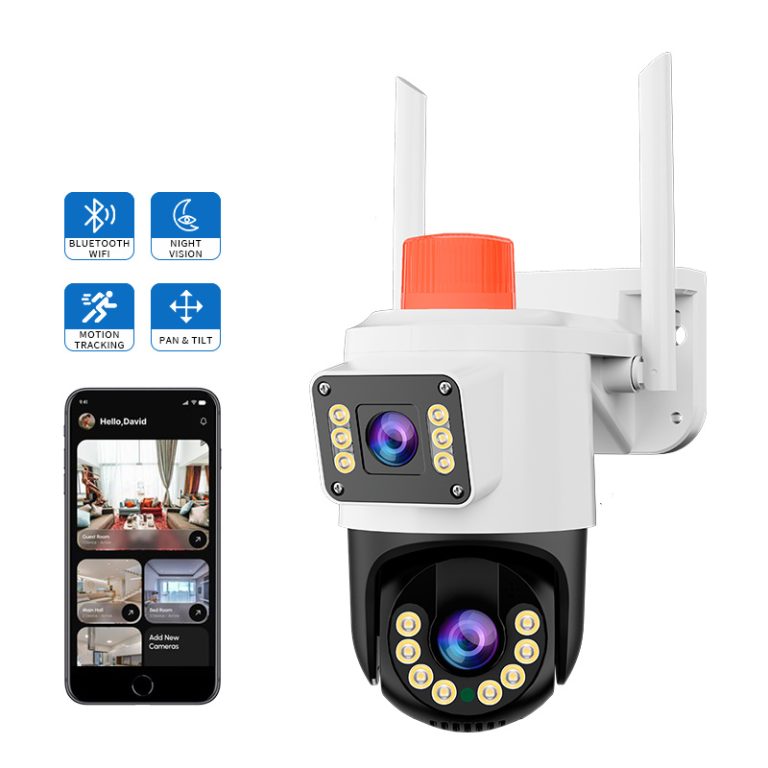
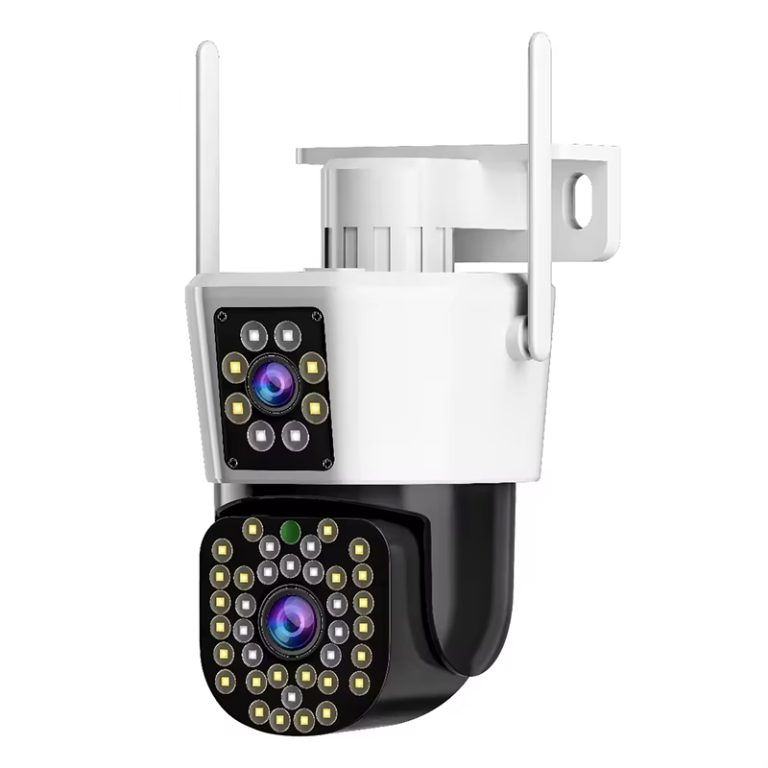
A3 : Oui. Notre équipe peut fournir des configurations sur mesure en fonction des besoins de l’appel d’offres, y compris la sélection du modèle, le support du firmware, les options de marque et l’adéquation au projet. JT-8698PRO peut servir de modèle de référence pour les acheteurs qui ont besoin du format vidéo H.265 AI et de la prise en charge du protocole ONVIF dans une caméra WiFi PTZ à double objectif d'extérieur.