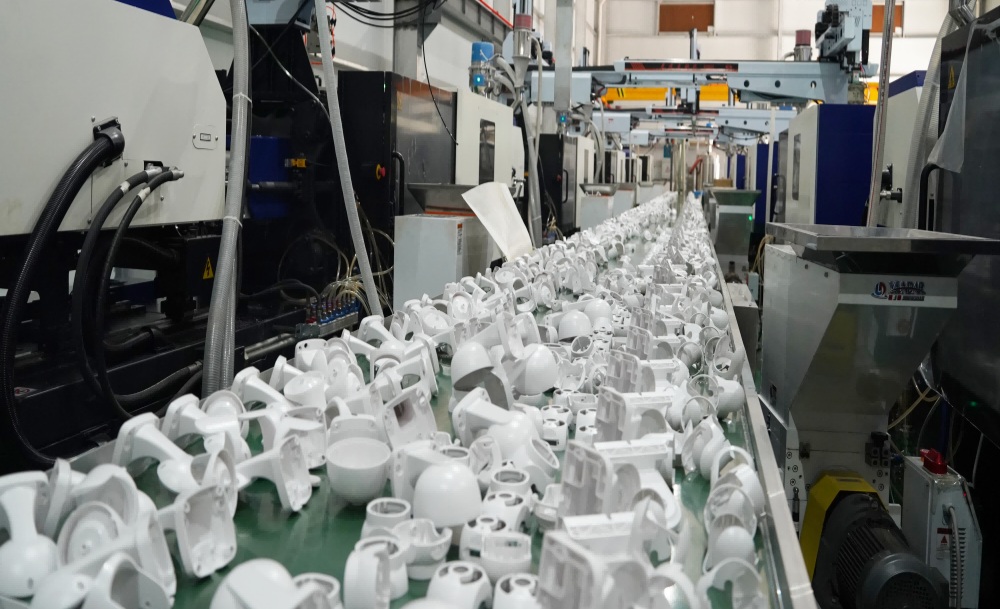
moulage par injection Cela ressemble à une étape de fabrication en aval, mais pour les acheteurs de caméras de sécurité en gros, les conséquences vont bien au-delà du simple boîtier en plastique. Cela influe sur l'ajustement du boîtier, la solidité du support, l'étanchéité, la finition de surface et la conformité du second lot à l'échantillon approuvé.
Pourquoi le moulage par injection est important pour les commandes en gros de caméras de sécurité
Le moulage par injection est un procédé de fabrication qui consiste à injecter du plastique fondu dans un moule, à le refroidir, puis à l'extraire pour obtenir la pièce finie. Dans le secteur des caméras de sécurité, il est couramment utilisé pour les boîtiers, les supports, les montures d'objectifs, les couvercles de batterie et les structures de caméras solaires. Pour les distributeurs, les installateurs et les acheteurs de marques privées, ce procédé devrait être un critère d'évaluation des fournisseurs.
Cohérence du logement sur de grands lots de production
De petits défauts de coque peuvent paraître anodins sur les échantillons. Cependant, sur une commande de 5 000 ou 20 000 unités, ils deviennent coûteux. Des bords irréguliers, des fixations mal fixées, des différences de couleur ou un mauvais ajustement des lentilles peuvent entraîner des réclamations de la part des revendeurs et un surcroît de travail après-vente.
Un moulage par injection de qualité permet de garantir que chaque boîtier d'appareil photo soit plus conforme à l'échantillon validé. C'est important pour les commandes OEM et de marques privées, car le boîtier est la première chose que les clients voient.
Meilleure adaptation aux conceptions de caméras extérieures, PTZ, solaires et à double objectif
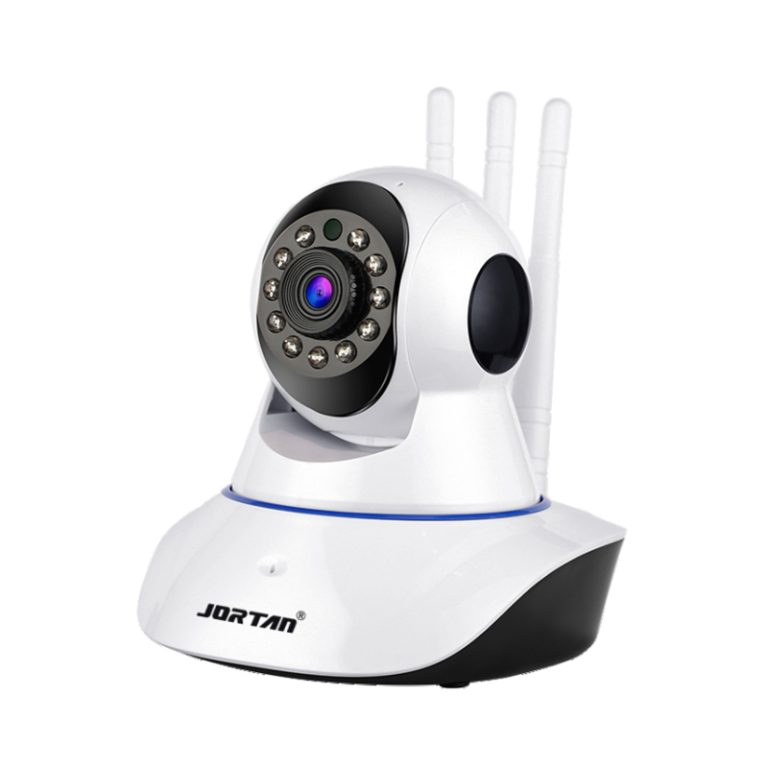
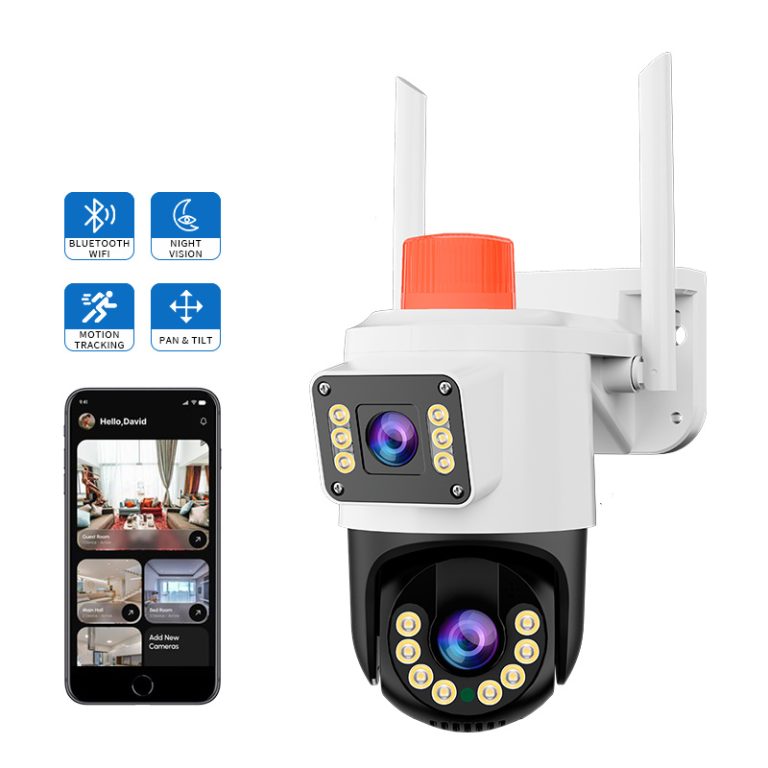
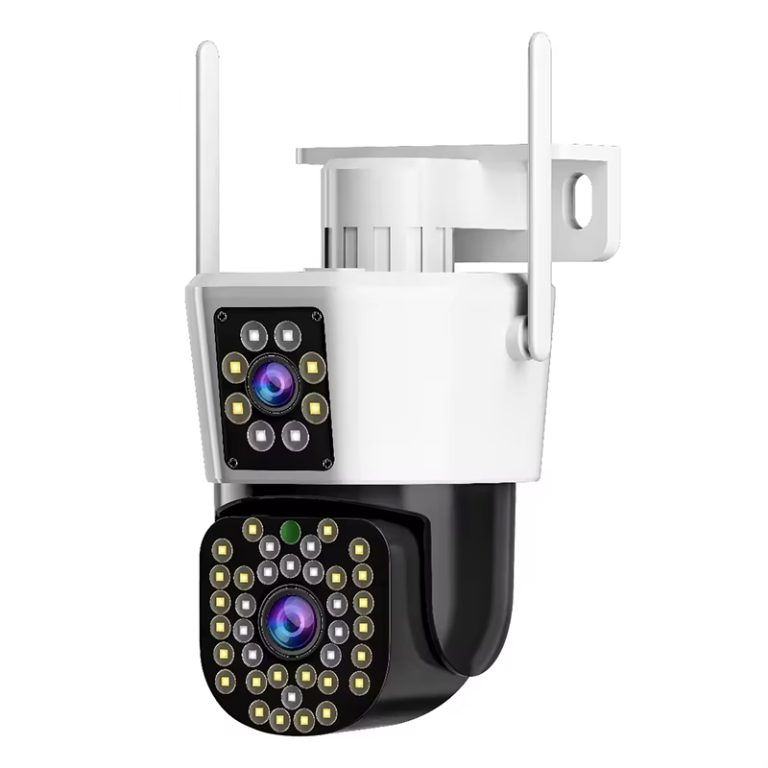
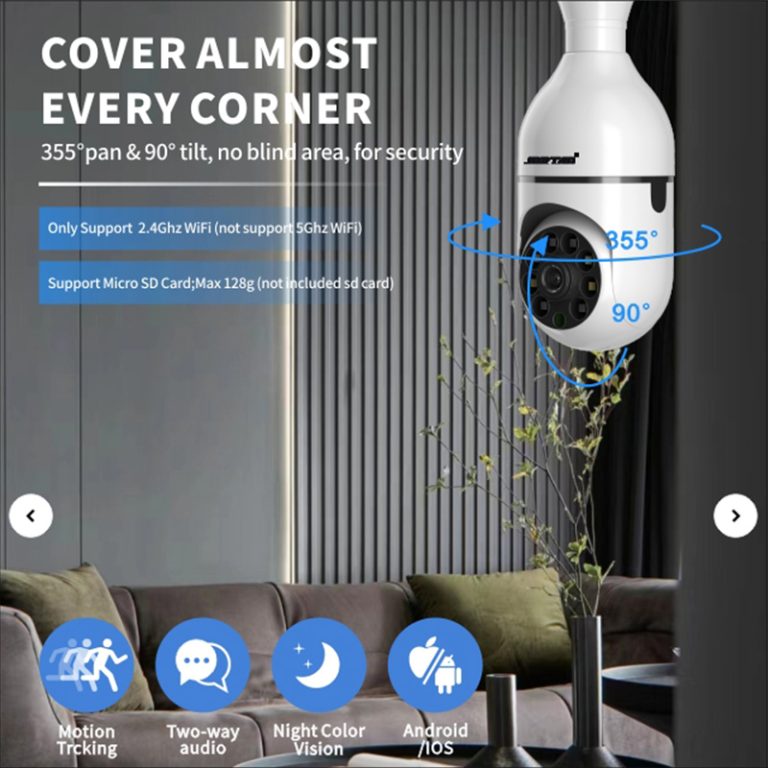
Les différents types de caméras de sécurité nécessitent des boîtiers différents. Les caméras extérieures requièrent une meilleure étanchéité. Les caméras PTZ nécessitent un ajustement précis des pièces mobiles. Les caméras solaires nécessitent un espace pour les batteries et le système de fixation des panneaux. Les caméras à double objectif nécessitent un positionnement précis des objectifs pour que les deux vues fonctionnent correctement.
Comment le moulage par injection affecte la qualité des caméras de sécurité
Précision de la coque, ajustement de l'assemblage et structure étanche
Le boîtier de l'appareil photo protège l'objectif, le circuit imprimé, le câblage, le haut-parleur, le microphone, la batterie et les autres composants. Des dimensions instables compliquent l'assemblage. Un joint d'étanchéité mal étanche peut nuire aux performances en extérieur.
Pour les caméras d'extérieur, il est conseillé aux acheteurs de vérifier les zones de jonction, les trous de vis, l'emplacement des joints, les sorties de câbles et les couvercles des emplacements pour cartes mémoire. Ces détails sont généralement visibles lors des tests d'échantillons.
Dissipation de la chaleur, résistance du support et stabilité de la position de l'objectif
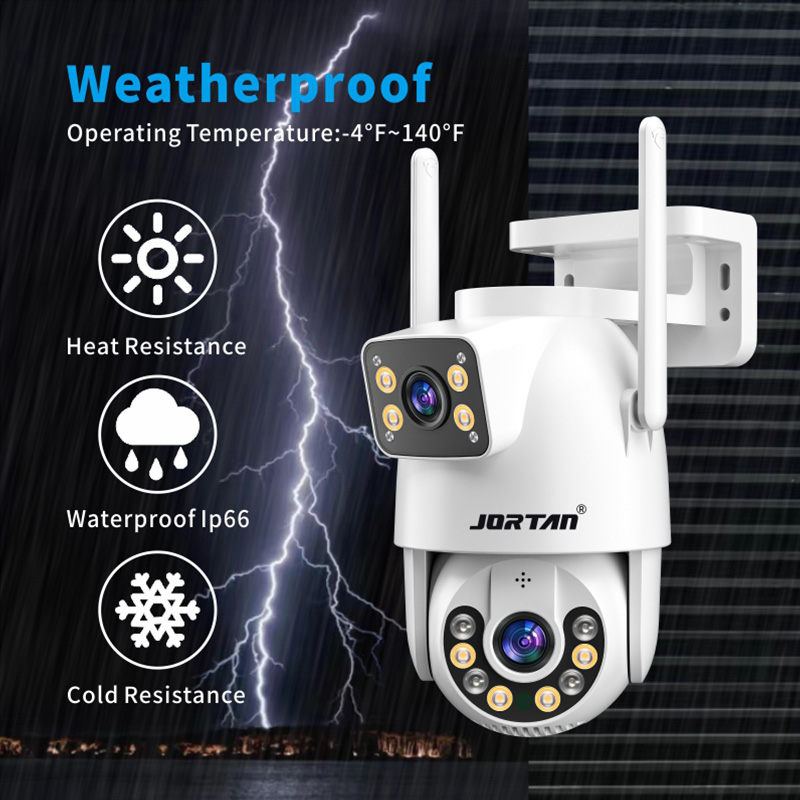
Les caméras de sécurité fonctionnent souvent pendant de longues heures dans la chaleur, la pluie, la poussière et conditions extérieures changeantesUn boîtier moulé bien conçu favorise la dissipation de la chaleur, la stabilité du support et la précision du positionnement de l'objectif. Les caméras PTZ, à double objectif et solaires nécessitent une attention particulière car les mouvements, les batteries et l'installation en extérieur exercent des contraintes supplémentaires sur le boîtier.
Cohérence de l'apparence pour les commandes de marques privées et les commandes OEM
Pour les acheteurs OEM, l'apparence fait partie intégrante de la valeur de la marque. Une surface impeccable, une couleur stable, un logo bien visible et une texture homogène confèrent au produit une allure plus professionnelle en magasin et en ligne.
Si les acheteurs souhaitent une personnalisation des couleurs ou un design d'habitation sur mesure, la qualité du moulage par injection devient primordiale. La pièce moulée finale doit être contrôlée afin de détecter d'éventuelles marques de retrait, des lignes de surface, des différences de couleur et des tolérances d'assemblage.
Ce que les acheteurs B2B doivent vérifier dans une usine de moulage par injection de caméras
Capacités internes de moulage par injection et de fabrication de moules
Avant de passer une commande importante, les acheteurs doivent se renseigner auprès du fournisseur afin de savoir s'il possède ses propres capacités de fabrication de moules et de moulage par injection ou s'il dépend principalement de partenaires externes. L'acheteur doit également savoir qui prend en charge les modifications de boîtier, les ajustements de couleur et la réparation des moules.
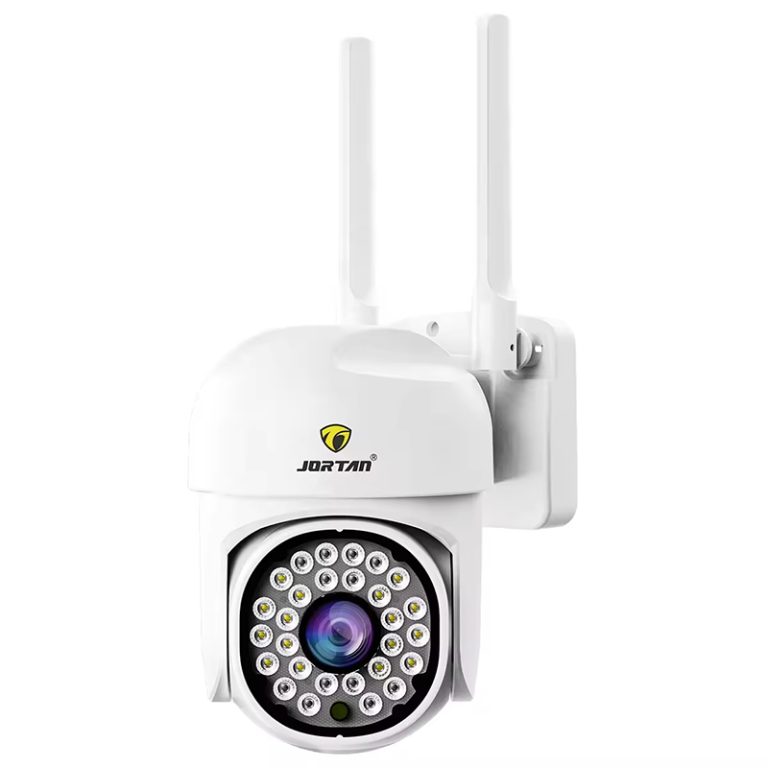
Le service OEM/ODM de Jortan intègre le moulage par injection à sa chaîne de production complète, au même titre que le traitement des puces, l'assemblage des caméras, le conditionnement et le transport. Il mentionne également la fabrication de moules de haute précision et les procédés de moulage par injection. Pour les acheteurs B2B, cela signifie que la production du boîtier est liée aux opérations d'assemblage et de livraison ultérieures.
Intégration avec le traitement des puces, l'assemblage des caméras, l'emballage et l'expédition
Le moulage par injection ne suffit pas à lui seul à fabriquer une caméra de sécurité. Le boîtier moulé doit accueillir le circuit imprimé, l'objectif, l'antenne, le haut-parleur, le chemin de câbles, la batterie et le support. Si les équipes de moulage et d'assemblage ne collaborent pas étroitement, de petits problèmes de structure peuvent retarder la production en série.
Contrôles de qualité, des matières premières aux produits finis
Les acheteurs doivent se renseigner sur les procédures de contrôle des pièces moulées et des appareils photo finis en usine. Les points clés incluent l'inspection des matières premières, la comparaison des couleurs, le contrôle de surface, l'ajustement de l'assemblage, la structure étanche, la protection de l'emballage et les tests du produit final.
La page OEM/ODM de Jortan mentionne les tests des matières premières, l'échantillonnage des produits semi-finis et l'inspection des produits finis. Pour les distributeurs et les fournisseurs de projets, ces étapes sont cruciales, car les défaillances engendrent des coûts importants une fois les produits commercialisés.
Comment le moulage par injection soutient les projets de caméras OEM et ODM
Personnalisation du logo, des couleurs, du boîtier et du moule privé
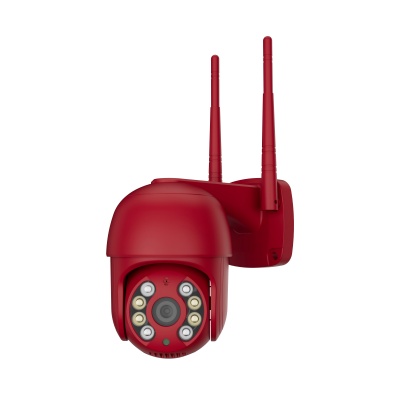
Les commandes OEM commencent généralement par un logo et un emballage. Les commandes ODM vont plus loin et incluent souvent la forme du boîtier, la couleur, la conception des supports, l'espace pour la batterie et la fabrication de moules spécifiques. Le moulage par injection permet de réaliser ces modifications en transformant le design en pièces plastiques reproductibles.
JordanieLe service OEM/ODM de [Nom de l'entreprise] comprend la personnalisation du logo, la conception et la personnalisation des emballages, la personnalisation de l'apparence du produit, l'ouverture de moules et la personnalisation de l'application. Les acheteurs peuvent commencer par des modèles existants, puis envisager des modifications de boîtier ou de moules spécifiques une fois les retours clients obtenus.
Adaptation plus rapide des produits aux différents canaux de vente
Les clients particuliers, les installateurs et les acheteurs de projets n'ont pas toujours les mêmes exigences en matière de design. Les produits destinés au grand public peuvent nécessiter une apparence plus épurée, tandis que les caméras de chantier peuvent exiger des boîtiers adaptés aux murs, aux poteaux, aux portails, aux entrepôts ou aux jardins.
Le moulage par injection offre aux fournisseurs la possibilité d'adapter leurs produits à ces différents canaux de distribution. Il permet également aux acheteurs de proposer différentes références sans avoir à modifier tous les composants internes.
Une différenciation plus marquée pour les distributeurs et les propriétaires de marques
Face à des appareils photo d'apparence quasi identique, les acheteurs de marques privées misent souvent principalement sur le prix. Un boîtier différent, un meilleur support, un logo plus discret ou une structure extérieure mieux adaptée peuvent permettre au produit de se démarquer sans pour autant faire de promesses excessives.
Conseils d'achat pour les acheteurs de caméras de sécurité en gros en 2026
Ne jugez pas les fournisseurs uniquement sur la base des paramètres de l'appareil photo : La résolution, le nom de l'application, la vision nocturne et les fonctionnalités d'IA sont importants, mais ne font pas tout. La qualité du boîtier, la régularité du moulage par injection, l'ajustement de l'assemblage, l'emballage et le processus d'inspection influent également sur les ventes et le service après-vente.
Demande d'échantillons, de détails sur le boîtier et de résultats des tests d'assemblage : Il est conseillé aux acheteurs de tester les échantillons en conditions réelles. Vérifiez la surface du boîtier, la solidité du support, l'ajustement de la lentille, les zones de vis, l'étanchéité des joints et la protection de l'emballage. Renseignez-vous sur les procédures de contrôle des pièces moulées avant assemblage.
Confirmer la quantité minimale de commande (MOQ), le coût du moule, le délai de livraison, la garantie et la stabilité des commandes répétées : Pour les commandes OEM, veuillez confirmer la quantité minimale de commande (MOQ), la méthode de personnalisation du logo, les fichiers d'emballage, le délai d'échantillonnage et le délai de production en série. Pour les projets ODM ou de moules privés, veuillez également confirmer le coût du moule, les règles de révision, la propriété de l'outillage, le temps de test et les conditions de réapprovisionnement.
Choisissez des fournisseurs proposant des services de production, de moulage, d'assemblage et d'assistance après-vente : Un bon fournisseur de caméras de sécurité doit pouvoir assurer plusieurs livraisons. Les acheteurs recherchent une production stable, des capacités de moulage, une expérience en assemblage, des contrôles qualité rigoureux, une documentation technique complète et un service après-vente réactif. Jortan peut servir de référence, car sa page OEM/ODM associe le moulage par injection au traitement des puces, à l'assemblage des caméras, au conditionnement, aux tests et à la personnalisation.
FAQ
Q1 : Pourquoi les acheteurs devraient-ils se soucier du moulage par injection lorsqu'ils s'approvisionnent en caméras de sécurité ?
A1 : Le moulage par injection influe sur le boîtier, le support, le cadre de l’objectif, l’étanchéité et l’ajustement de l’assemblage. Pour les commandes en grande quantité, la stabilité des pièces moulées contribue à réduire les défauts et à garantir que les commandes suivantes soient plus conformes à l’échantillon validé.
Q2 : Que faut-il vérifier avant de passer une commande groupée de caméras de sécurité ?
A2 : Les acheteurs doivent vérifier les caractéristiques de la caméra, la qualité du boîtier, la solidité du support, les performances de l’application, la qualité d’image nocturne, la capacité de stockage, l’étanchéité, l’emballage, la quantité minimale de commande, le délai de livraison, les conditions de garantie et la réactivité du fournisseur. Pour toute question, n’hésitez pas à nous contacter. contacter Jortan.
Q3 : Comment le moulage par injection soutient-il les projets de caméras de sécurité OEM ou ODM ?
A3 : Ce module prend en charge la planification des zones de logo, les options de couleur, les boîtiers personnalisés, le développement de moules privés, la conception des supports et les modifications d’apparence du produit. Il aide les fournisseurs à transformer leurs idées de conception en pièces reproductibles pour le marquage OEM ou une personnalisation ODM plus poussée.