
Incluso en 2026, Cámaras PTZ Siguen siendo los dispositivos de seguridad más viables del mercado, especialmente para aquellos proyectos que requieren ángulos de visión más amplios y el uso de un menor número de cámaras fijas. El atractivo de las cámaras de seguridad PTZ reside no solo en su calidad intrínseca, sino también en la versatilidad de sus aplicaciones, lo que permite a los vendedores promocionarlas con éxito y generar oportunidades para pedidos al por mayor en el futuro.
¿Por qué las cámaras PTZ son populares en los proyectos de seguridad?
PTZ significa panorámica, inclinación y zoom. En la práctica, esto se traduce en movimiento horizontal, movimiento vertical y la capacidad de acercar la imagen. Por eso, este tipo de dispositivo resulta ideal para entradas, aparcamientos, almacenes, proyectos de villas y viviendas de alquiler, oficinas, locales comerciales y otros espacios exteriores donde un solo ángulo de visión no sería suficiente.
Las cámaras PTZ son populares porque solucionan un problema muy común en los proyectos: un área es demasiado grande para una cámara fija básica, pero el comprador no quiere instalar muchas unidades separadas. Una cámara PTZ para exteriores bien elegida puede cubrir entradas, patios abiertos, puertas de almacenes, esquinas de edificios y carriles de estacionamiento con menos dispositivos.
Esto es importante para los distribuidores, ya que las cámaras PTZ suelen tener un mayor valor de venta que las cámaras WiFi básicas. Los compradores pueden explicar el producto destacando sus ventajas reales: mayor cobertura, dirección de visualización ajustable, zoom, vigilancia nocturna, alertas de movimiento y visualización mediante aplicación móvil.
Características clave de las cámaras PTZ que los compradores deben comparar
La primera característica a verificar es la resolución de la imagen. Para proyectos básicos, 1080p puede ser suficiente. Para entradas exteriores, estacionamientos y uso comercial, muchos compradores prefieren 4 MP o más, ya que la imagen debe mantener el detalle en un espacio más amplio.
El zoom es otro aspecto clave. Algunas cámaras PTZ utilizan zoom digital, mientras que los modelos para proyectos más avanzados pueden ofrecer zoom óptico. El zoom digital facilita la visualización básica, pero el zoom óptico es mejor cuando se necesita ver rostros, matrículas o actividad a distancia con mayor claridad. Para proyectos de seguridad exigentes, los compradores deben preguntar qué tipo de zoom se utiliza, en lugar de limitarse a leer las especificaciones principales.
Visión nocturna Es uno de los puntos de venta más prácticos. Los compradores deben comparar la visión nocturna infrarroja, la visión nocturna a color, la compatibilidad con luz blanca y la distancia de visualización real. Para proyectos al aire libre, una visión nocturna deficiente puede convertirse rápidamente en un problema de posventa.
Clasificación de impermeabilidadTambién se deben verificar la fuente de alimentación, la estabilidad del WiFi, el método de almacenamiento y la compatibilidad con la aplicación. Una cámara PTZ para uso en interiores no puede tratarse igual que una cámara PTZ para exteriores expuesta a la lluvia, el polvo, la luz solar y largas jornadas de funcionamiento.
Escenarios de aplicación de cámaras PTZ para exteriores
Las cámaras PTZ para exteriores son especialmente adecuadas para espacios donde el área de visión cambia o donde los usuarios necesitan consultar diferentes direcciones con frecuencia. Los estacionamientos son un ejemplo común. Una cámara fija puede vigilar un solo carril, pero una cámara PTZ permite visualizar la entrada, los vehículos estacionados y el movimiento circundante desde una única posición.
Los almacenes y las entradas de fábricas son otro caso de uso importante. Estos lugares suelen necesitar cámaras para puertas, zonas de carga, rutas de reparto y esquinas exteriores. Una cámara de seguridad PTZ con visión nocturna y detección de movimiento puede ayudar a los responsables del proyecto a reducir los puntos ciegos y mejorar la vigilancia diaria de las instalaciones.
Para complejos de villas, casas de alquiler y proyectos de apartamentos, las cámaras PTZ funcionan bien en entradas, patios, garajes y espacios exteriores comunes. El comprador no debería considerarlas una solución completa para todos los puntos. En muchos proyectos, las cámaras PTZ funcionan mejor en combinación con cámaras fijas. Las cámaras fijas vigilan puntos estables; las cámaras PTZ cubren áreas más amplias o flexibles.
Las cámaras PTZ solares son ideales para ubicaciones exteriores remotas donde el cableado es complicado. Son útiles en granjas, instalaciones temporales, estacionamientos, zonas de construcción y accesos alejados de una fuente de alimentación. Para este tipo de cámaras, los compradores deben verificar la capacidad de la batería, el tamaño del panel solar, el rendimiento de carga, la resistencia al agua y si la cámara es compatible con Wi-Fi o 4G, según el entorno del proyecto.
Cámaras PTZ con PoE, WiFi y energía solar: ¿Qué tipo se adapta mejor a su mercado?
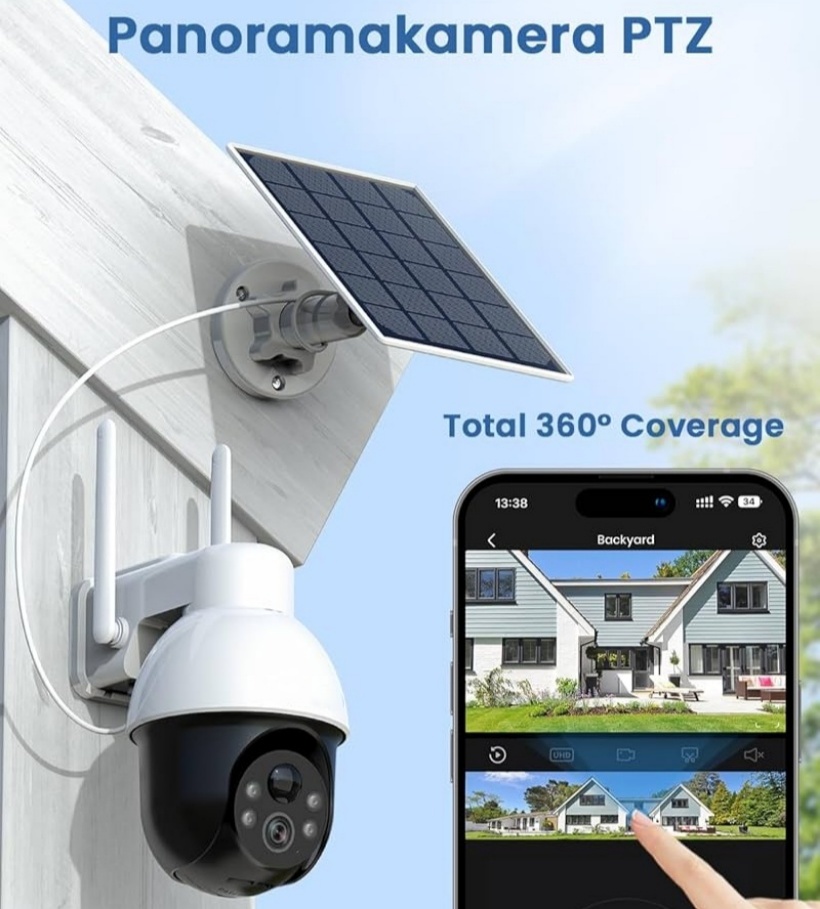
Los distintos mercados requieren diferentes tipos de cámaras PTZ. Aquí es donde muchos compradores cometen errores. Primero buscan el precio más bajo y luego descubren que el modelo no se ajusta al método de instalación.
Las cámaras PTZ PoE suelen ser más adecuadas para instalaciones de proyectos que requieren mayor estabilidad. Una configuración PoE permite la transmisión de energía y datos a través de un único cable de red, lo que resulta útil para los instaladores que buscan una conexión cableada más limpia y fiable. Estos modelos son ideales para almacenes, edificios comerciales, escuelas, pequeñas instalaciones industriales y proyectos de seguridad a largo plazo.
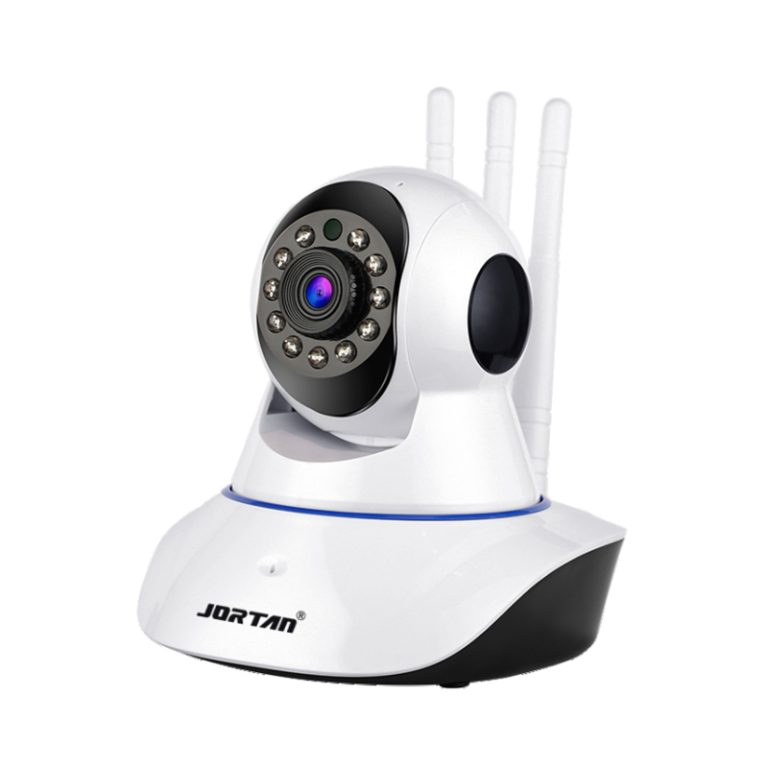
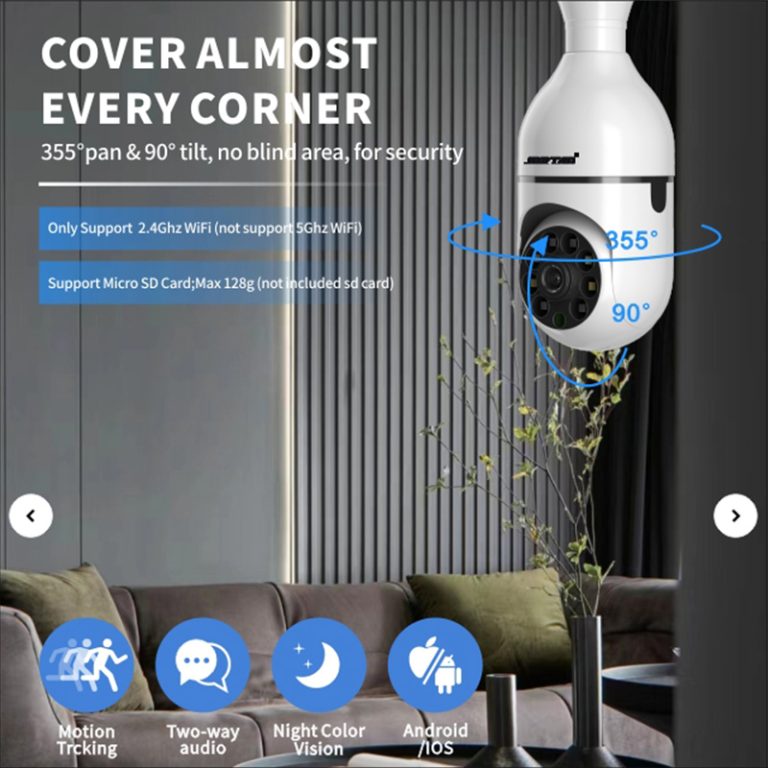
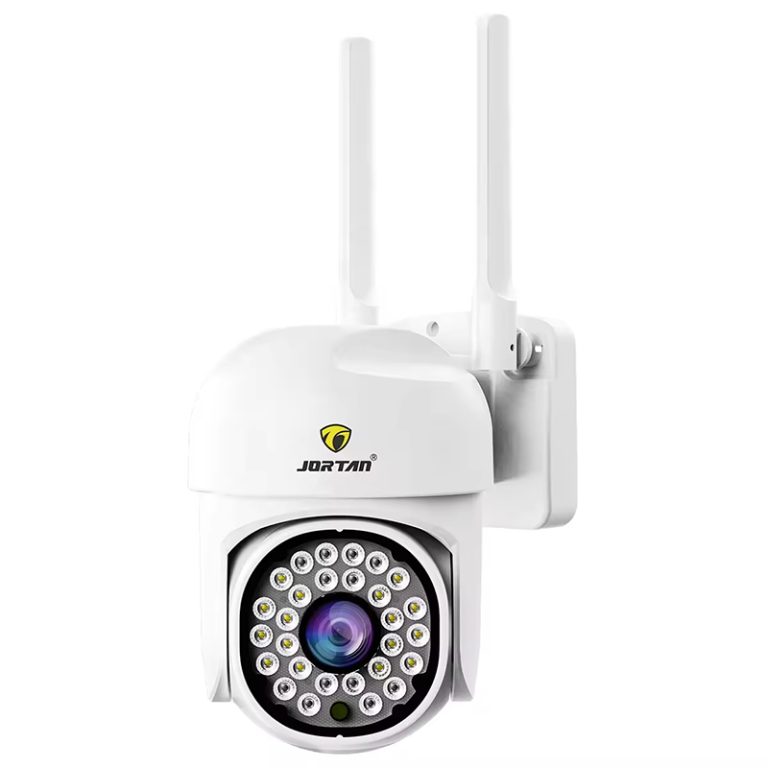
Las cámaras PTZ WiFi son más fáciles de vender para proyectos pequeños y canales minoristas. Son adecuadas para hogares, pequeñas tiendas, propiedades de alquiler y usuarios que desean una instalación más rápida. El comprador aún debe confirmar la frecuencia WiFi, el alcance de la señal, el rendimiento de la aplicación y las opciones de almacenamiento. Un modelo WiFi puede ser fácil de instalar, pero si la conexión es inestable, el producto no funcionará bien en el uso real. Si está buscando un producto de este tipo, también podría echar un vistazo a Jortan. JT-9689UQJ.
Las cámaras PTZ solares constituyen una categoría aparte con gran potencial para exteriores. Si bien no siempre son la opción más económica, resuelven un problema evidente: la complejidad del cableado. Los importadores y distribuidores pueden posicionar los modelos solares para portones exteriores, patios, granjas, estacionamientos y propiedades remotas. Antes de realizar un pedido al por mayor, el comprador debe probar el rendimiento de la carga, el tiempo de espera, la grabación nocturna y su idoneidad para las condiciones climáticas locales.
Lista de verificación del proveedor para pedidos al por mayor de cámaras PTZ
Antes de realizar un pedido al por mayor, los compradores deben elaborar una lista de verificación clara. Empiece por definir el mercado objetivo. ¿La cámara se destinará a la venta minorista, proyectos de instalación, ventas de marca blanca o un proyecto específico tipo licitación? La respuesta influirá en el modelo, el embalaje, el rango de precios y la documentación necesaria.
A continuación, revise detenidamente las especificaciones del producto: resolución, lente, tipo de zoom, rango de giro e inclinación, visión nocturna, función de detección, audio bidireccional, luz de alarma, almacenamiento, aplicación, resistencia al agua, material, fuente de alimentación y accesorios de montaje. No se fíe únicamente de las fotos del producto.
Es fundamental confirmar con antelación los documentos de certificación y cumplimiento, especialmente para importadores y vendedores de plataformas. Los compradores pueden necesitar certificaciones CE, FCC, RoHS u otras, según su mercado. La resistencia del embalaje también es importante, ya que las cámaras de seguridad incluyen lentes, soportes, paneles, antenas y otras piezas que pueden dañarse si la caja es frágil.
El proveedor soporte postventa Esto es más importante de lo que muchos compradores esperan. Pregunte sobre los términos de la garantía, repuestos, soporte de firmware, problemas con la aplicación, manuales de usuario, guía de instalación y gestión de reemplazos. Jortan ofrece un excelente servicio. Si necesita ayuda, no dude en contactarlos.
Soluciones de cámaras PTZ recomendadas para distribuidores y compradores de proyectos.
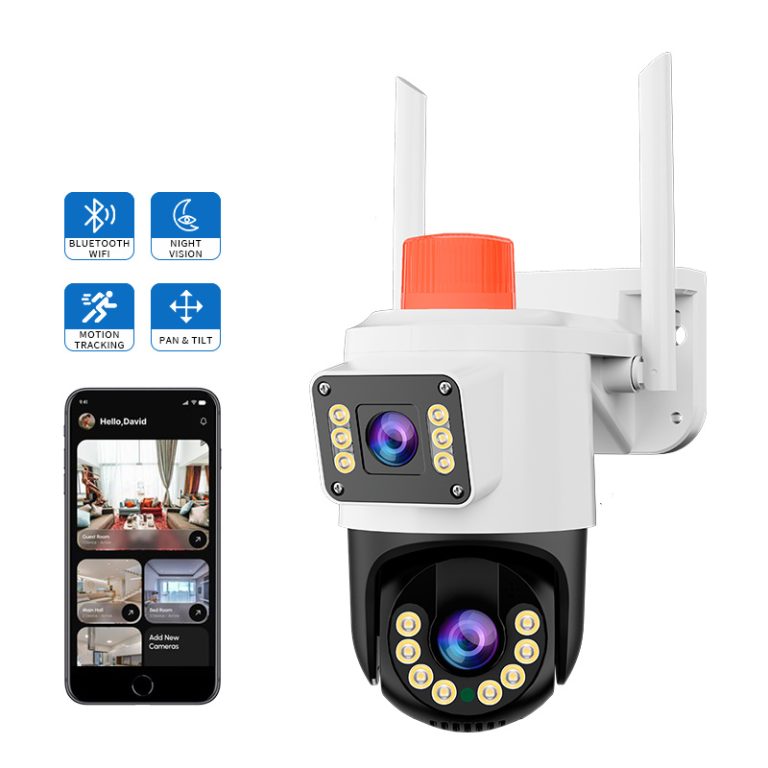
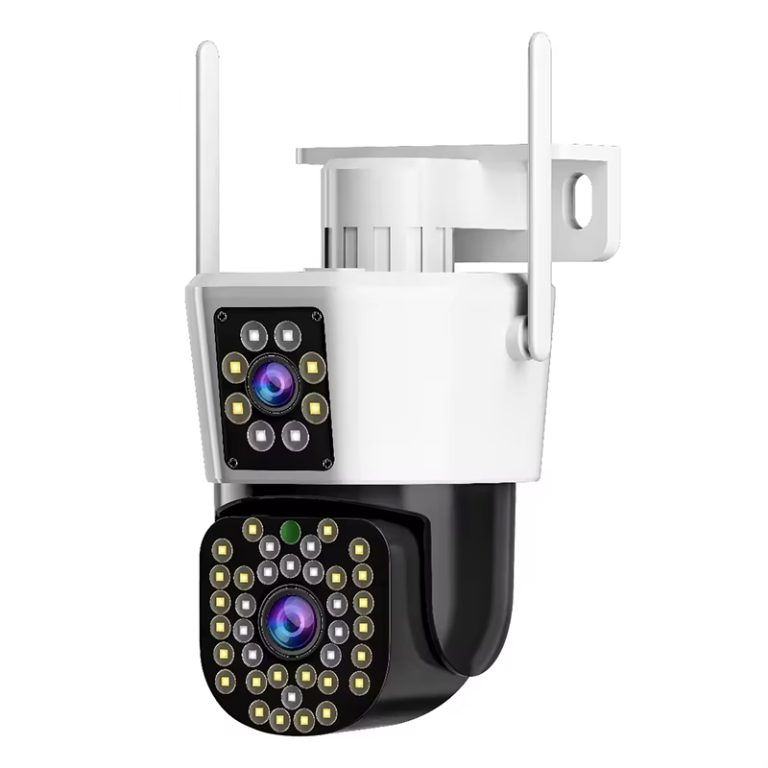
Para un nuevo distribuidor, suele ser más seguro crear una línea de cámaras PTZ pequeña pero completa en lugar de comprar demasiados modelos similares. Una cámara PTZ WiFi básica puede abastecer los canales de venta minorista y en línea. Una cámara PTZ para exteriores con doble lente o de mayor resolución puede servir a instaladores y compradores de proyectos. Una cámara PTZ solar puede cubrir ubicaciones exteriores de difícil acceso para el cableado. Esta combinación le da al comprador más margen para tantear el mercado.
Para los contratistas de proyectos, el enfoque debe ser diferente. Deben prestar más atención a la estabilidad, la visión nocturna, la resistencia al agua, el diseño de montaje y la compatibilidad del sistema. Un contratista puede perder ganancias si la instalación es sencilla pero los problemas de posventa son recurrentes. En el sector de los proyectos, un rendimiento fiable es más importante que contar con la lista de características más extensa.
Para los propietarios de marcas, OEM y ODM Es importante analizar las opciones antes de confirmar el pedido. La impresión del logotipo, el diseño de la caja, la interfaz de la aplicación, las opciones de color, los accesorios y los manuales de usuario pueden influir en la imagen final del producto. Una cámara de aspecto genérico puede venderse únicamente por su precio. Una línea de productos de marca ofrece más oportunidades para generar confianza entre los clientes locales.
Preguntas frecuentes
P1: ¿Cuál es la característica más importante al comprar cámaras PTZ al por mayor?
A1: Para pedidos al por mayor, los compradores deben verificar primero la calidad de imagen, la visión nocturna, la estabilidad del movimiento, el rendimiento de la aplicación, la resistencia al agua y la fuente de alimentación. Un precio bajo resulta atractivo, pero estos detalles prácticos son cruciales para el buen funcionamiento de la cámara tras su instalación.
P2: ¿Son las cámaras PTZ mejores que las cámaras fijas para proyectos de seguridad?
A2: Las cámaras PTZ son mejores para áreas de visualización amplias y flexibles, mientras que las cámaras fijas son mejores para puntos estables como puertas, pasillos y mostradores. Muchos proyectos combinan ambos tipos para equilibrar la cobertura, el presupuesto y las necesidades de instalación.
P3: ¿Deberían los distribuidores elegir cámaras PTZ con WiFi, PoE o energía solar?
P3: Depende del mercado objetivo. Las cámaras PTZ con WiFi son adecuadas para instalaciones ligeras y venta minorista. Las cámaras PTZ con PoE son mejores para proyectos estables. Las cámaras PTZ solares son útiles para exteriores donde el cableado es complicado.