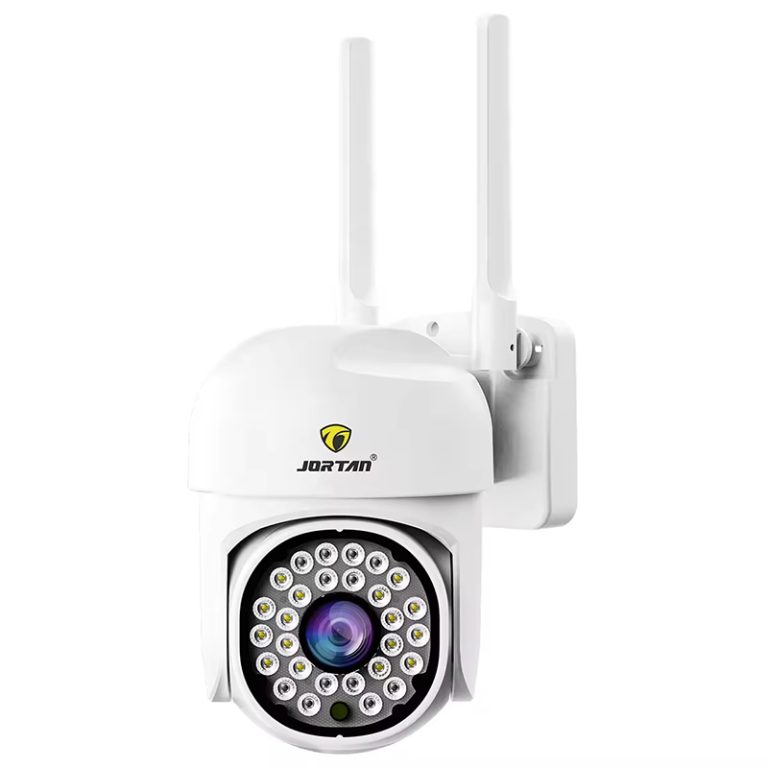
One bright afternoon gives a weak test for a solar camera. The installation area could get shadows on the panel. The location might see many overcast days. Also, it could face heavy night activity. Frequent remote viewing is another factor. The JT-8699T specifications provide helpful facts. These facts help build a strong test plan. Yet, we lack third-party site data right now. Because of this, continuous daily running remains a real-world question. It is never a guaranteed product promise.
The setup connects a 7.5 W panel to a 3.7 V 18650 battery. This battery holds a 10,800 mAh rating. Other listed specs show a 5 mA standby current. The camera draws 350-400 mA during the day. It uses 500-550 mA at night. In addition, the unit features PIR and motion detection. It includes two-way audio and IP66 protection. The working temperature spans from -30 to +60 C. It accepts TF storage up to 128 GB. In the end, these numbers are just factory specs. They are not real outdoor measurements.
Start With a Power Model, Not a Runtime Promise
You need to split factory numbers from actual site factors on your test sheet. Please note the panel direction. Record the times when shadows appear. You must also write down the weather and battery levels. Count the wake events as well. Monitor the light setting and the network link. Check the local recording status. The 10,800 mAh figure just shows total energy space. It never proves the exact working time of the mounted camera.
Usar the Current Fields Carefully
The product page lists 350-400 mA for daytime use. It notes 500-550 mA for night use and 5 mA for standby. Simple math helps compare these power loads. Still, steady performance depends on available backup power. It also relates to energy conversion drops. Sun collection and local heat matter too. Activity triggers play a big part. Thus, you must check battery drops right at the location.
A quick battery math check uses 3.7V and 10.8Ah. This produces about 40Wh. That is before you subtract power loss and safety reserves. This figure is just a paper estimate. It never acts as a real survival score. However, it guides the team to ask smarter questions. They can talk about dark-hour drains. They can review sun charging and backup plans.
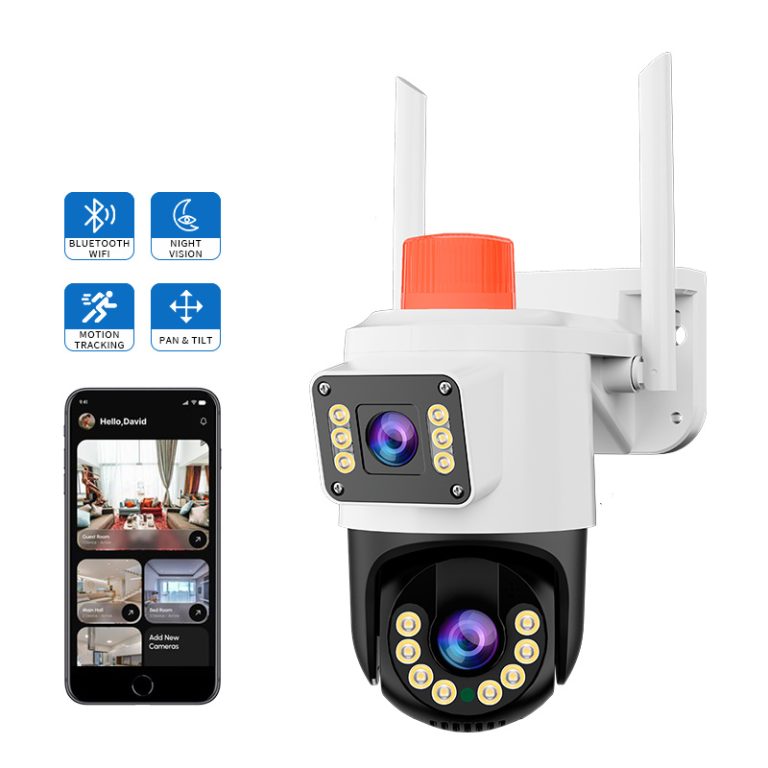
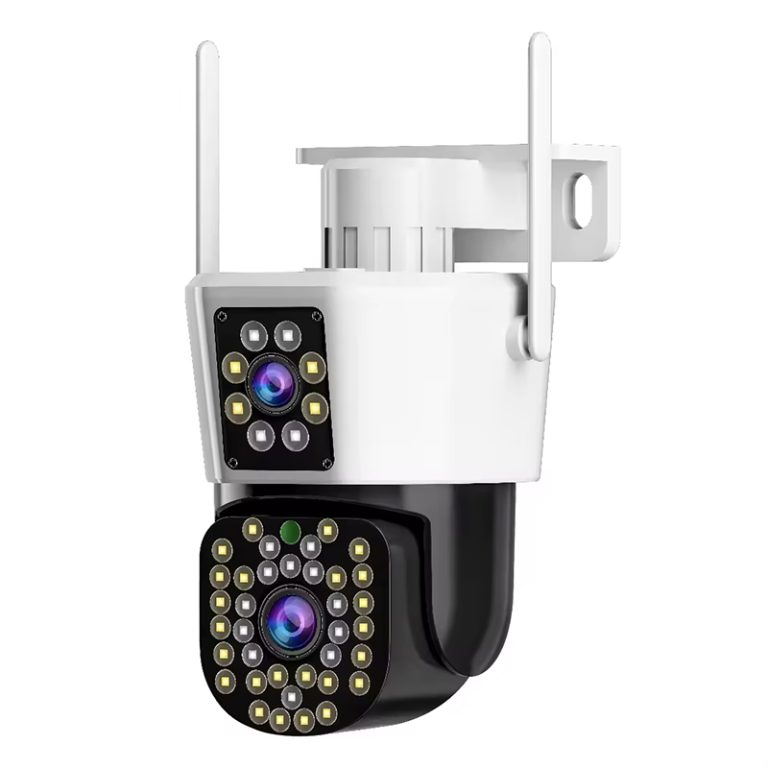
El JT-8699T cámara solar acts as the main guide for this trial. You must write down the exact hardware version you receive. Next, check the dual-lens parts. See if the PTZ actions fit the agreed order. Look at the lighting settings and battery details too.
Measure the Site Day By Day
You ought to run the test over several time blocks. Do not trust a single battery check. Note the morning power level. Write down the noon charging rate. Also, track the evening power. Log the night triggers and the next-day recharge. Keep the camera angle and trigger rules the same. If you alter anything, write it down clearly. Any change means the sun and network factors are different now.
Count the Loads That Wake tla cámara
Log every motion alert and live-video stream. Monitor the two-way audio use. Track the night lights and the pan or tilt actions. Write down the video lengths. Note the remote views and any broken uploads. A dual-lens camera can grab extra picture details. At the same time, moving the lens and turning on lights drain more power. Your trial needs to link power loss to the exact task that caused it.
Memory notes belong on that same paper. The JT-8699T site mentions TF storage up to 128GB. But memory space does not create electricity. You must write down the card health and video count. Add the trigger rules to the list. Check if the unit keeps saving video locally during bad network drops.
Test Signal and Recovery Alongside Power
Weak Wi-Fi or cell signals force the device to try again and again. This issue makes a network fault seem like a dead battery. You need to log the signal strength. Record the upload results and saved videos together. Watch how the unit links back up. Check the battery level at that exact moment. Every signal loss must go through a set testing plan. Later, you have to confirm the saved files and the device restart.
You must judge the solar camera as a whole unit. The project guide splits up power, data sending, memory, and viewing angles. It shows that a local SD card can save key video clips. On the other hand, remote watching needs a perfect internet link. You should put these two different results in separate parts of your final report.
Set the Night and Weather Test
Dark hours often form the hardest test phase. The product site lists a higher power draw at night than during the day. You must check the chosen infrared or white-light setting. Look at how things move on screen. Test the sound, moving parts, and data uploads after sunset. You also need to note the heat levels and rain or snow. Battery health and solar recharging change a lot based on the weather.
Do Not Treat a Bright Day As Proof
A 7.5 W panel label does not promise a set amount of daily power. Shadows, angles, dust, and clouds change the real energy collection. The time of year and the install spot alter the results too. You have to write down the exact hours of direct sun. Note the official charging numbers if you have them. Lastly, point out the weak spots in your test data clearly.
The JT-8699T page points out IP66 protection. It lists a working range from -30 to +60 degrees. These facts are just factory data points. They never promise that every install site gets the same battery life. You must look closely at the outer shell. Check the wires, mounts, solar glass, and repair doors just as they sit on the pole.
Define the Pass Condition Before the Trial
A good outdoor test needs a firm winning rule. This rule could ask for a set amount of leftover battery after a few days. It might require perfect SD card saves and good video uploads. Quick network fixes and clear video feeds are normal goals too. The project boss must set these targets before looking at the data. Without rules, a person could call the test a win just because the lens worked for a few hours.
Make the Report Useful For Procurement
You need to tag every detail in the final paper clearly. Name each item as a factory spec, a math guess, a real test fact, or an unknown issue. Add the model name and software version. Include the battery health and solar tilt. Write down the heat, rain, alert totals, and light settings. Also, log the signal bars, memory space, videos, and restart times. Do not say it runs all day unless you show the exact testing steps, the time frames, and the passing rules.
Jortan’s wider range of dual-lens and solar units helps a shopper compare views and power options. Still, your current plan must stick to the chosen model. A JTZ-9690pro outdoor PTZ cámara could help you contrast viewing angles. At the same time, a solar field-test review must hold real outdoor facts. It must never lean on basic factory guesses for battery life.
Use A Conservative Service Plan
The repair sheet must list the correct model and solar glass state. It needs to track the battery level. Add the night-light choice and the motion alerts. Watch the memory space and network logs from each testing block. The JT-8699T facts give the starting points for your math. These cover its 7.5W panel and 10,800mAh battery. They also include the power drains. The unit provides PIR and motion detection. It has an IP66 shell and up to 128GB TF-card support. Actual outdoor tests always need their own dated papers.
Conclusión
The JT-8699T offers helpful factory numbers for an outdoor power test. These facts list a 7.5W panel and a 10,800mAh battery. They show a 5mA standby draw. The device uses more power at night. It includes PIR and motion detection. It packs an IP66 body and TF storage up to 128GB. The maker does not promise a third-party all-day test. You must check the real location. Keep your math separate from real facts. Pick a hard passing rule before you sign off on the plan. The Jortan solar camera range gives a clear buying guide.
Preguntas frecuentes
Q1: Does the 10,800mAh battery guarantee all-day running?
A1: No. The real working time depends on power drains and safe backup limits. It relies on sun collection. Weather, heat, network bars, memory tasks, and motion alerts change the results too.
Q2: What facts are certain for the JT-8699T?
A2: The product site lists a 7.5W panel and a 10,800mAh battery. It notes a 5mA standby draw. The page shows day and night power needs. It includes PIR and motion detection. You also get IP66 protection and up to 128GB TF storage.
Q3: Is there a finished third-party outdoor test?
A3: No. The right output is a strict outdoor testing manual. This paper splits up factory specs and math guesses. It separates them from real facts and unknown location issues.