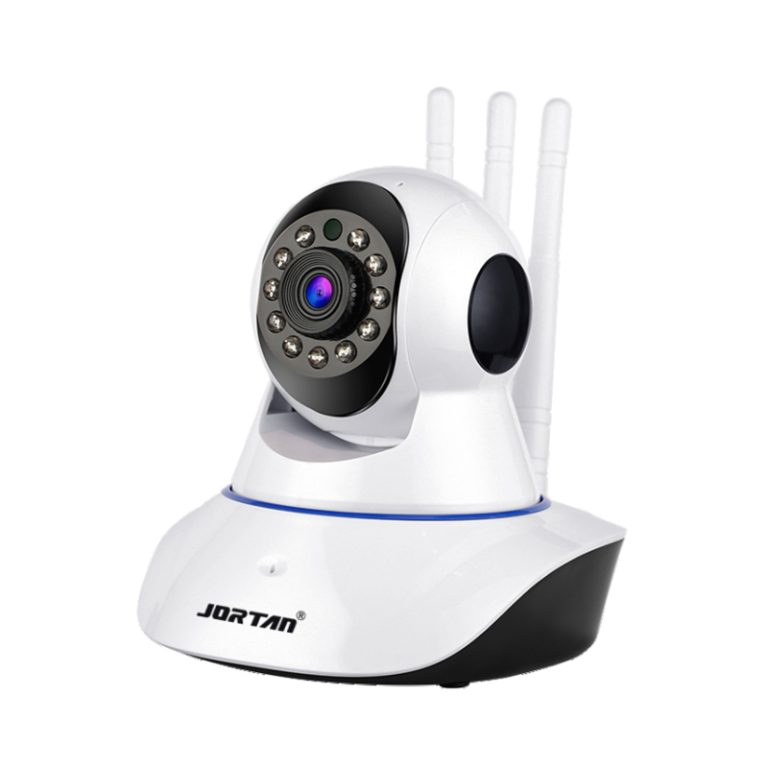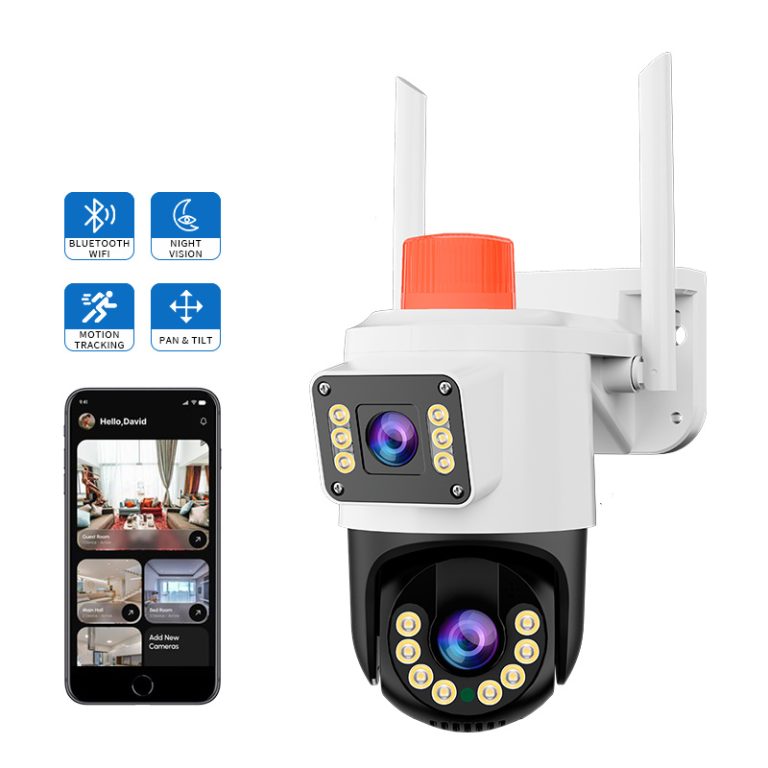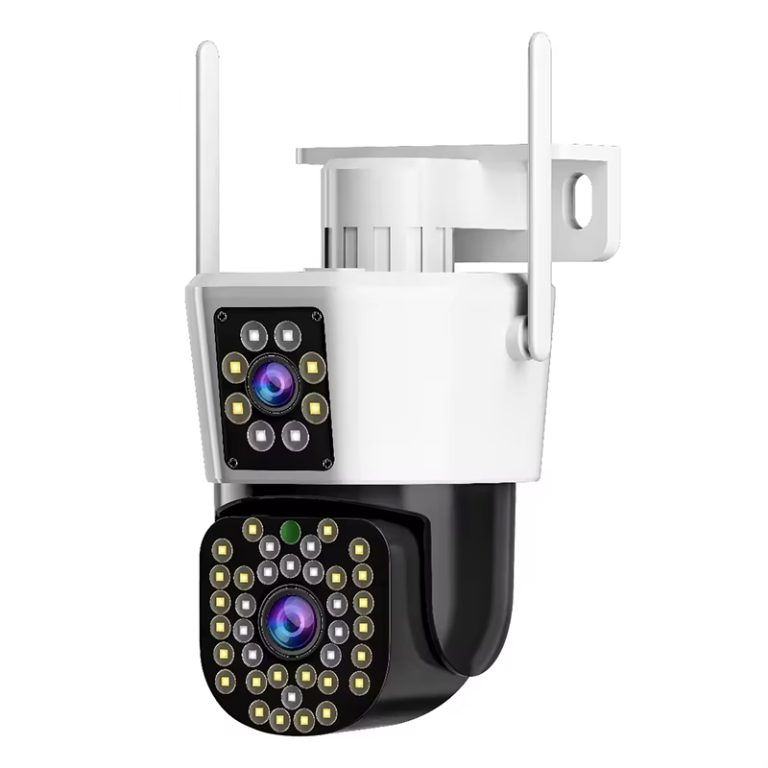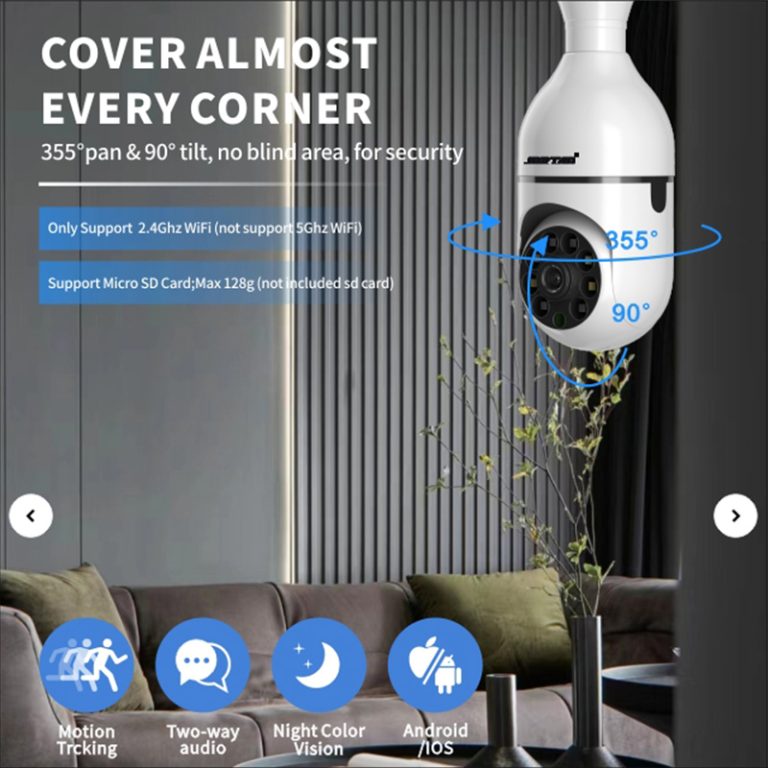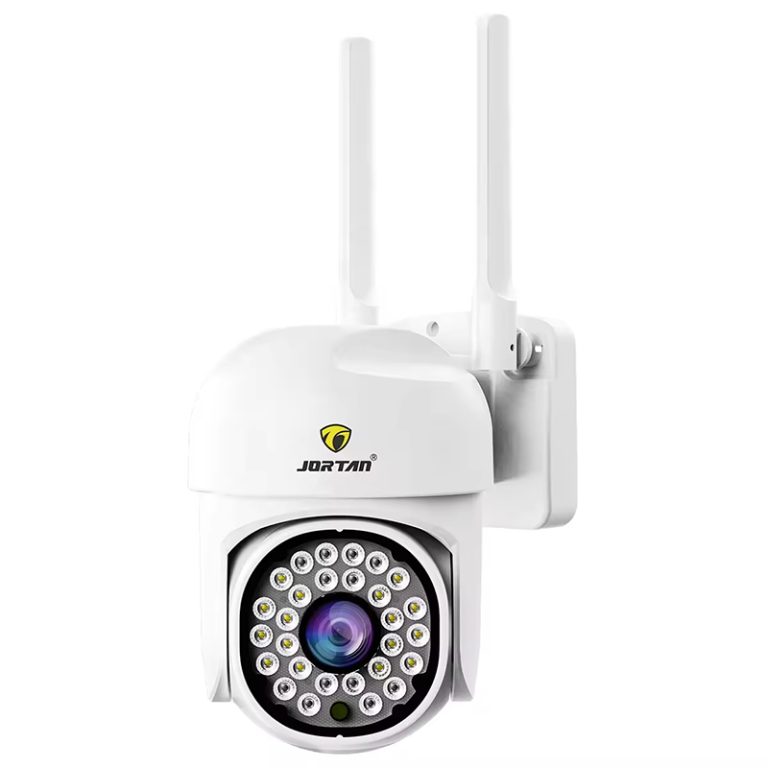
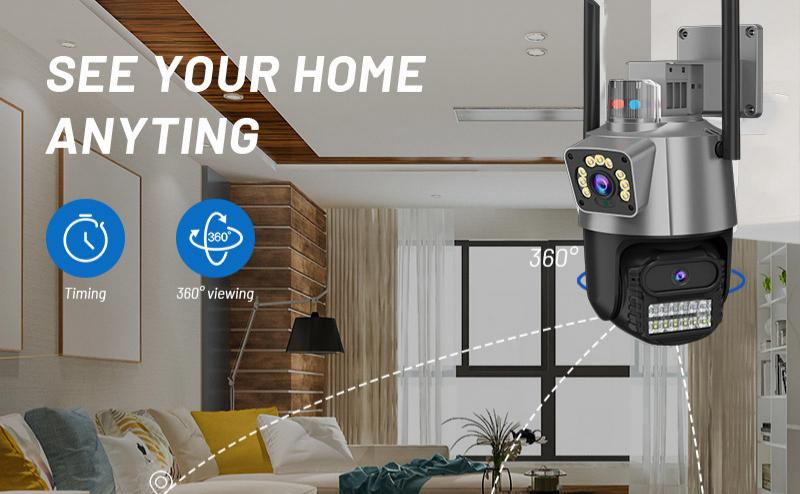
Un buen Cámara PTZ Debe ofrecer algo más que una simple rotación. Debe proporcionar una visión clara, registrar el movimiento de forma estable, resistir el uso en exteriores, ser compatible con la aplicación o plataforma adecuada y dejar suficiente espacio para los requisitos del fabricante o del proyecto.
¿Por qué siguen siendo importantes las cámaras PTZ en los proyectos de seguridad?
Cubren espacios más grandes con menos unidades.
Las cámaras PTZ son útiles en escenas amplias con movimiento impredecible. Estacionamientos, puertas de fábricas, almacenes, granjas, áreas logísticas y obras de construcción suelen requerir tanto una visión panorámica como detalles precisos. Una cámara fija puede cubrir bien un ángulo, pero no puede seguir el movimiento ni monitorear otras direcciones después de su instalación.
Eso no significa que una cámara PTZ reemplace a todas las cámaras fijas. En muchos proyectos, la mejor opción es una configuración mixta. Las cámaras fijas vigilan las entradas principales o los pasillos estrechos, mientras que las cámaras PTZ se encargan de las áreas abiertas, los puntos de patrulla y los objetivos en movimiento.
Ayudan a los equipos de seguridad a responder más rápido.
Para los compradores de proyectos, el valor de las cámaras PTZ reside en su funcionalidad. Las posiciones predefinidas, las rutas de patrulla, la activación de alarmas, el audio bidireccional y el seguimiento automático permiten a los guardias evaluar una situación con mayor rapidez. En un patio de almacén, por ejemplo, una cámara PTZ puede seguir a una persona o vehículo tras su detección, en lugar de grabar únicamente el primer punto de acceso.
JordánLa línea de productos de la compañía incluye modelos como la JT-8698PRO, una cámara WiFi PTZ ICSEE de 4 MP con doble lente, seguimiento por IA y luz de alarma. Este tipo de cámara es ideal para entradas exteriores, patios y proyectos comerciales pequeños.
¿Qué especificaciones deben comprobar primero los compradores?
El movimiento panorámico e inclinable debe ser suave y estable.
Antes de realizar un pedido al por mayor, se recomienda probar la rotación PTZ de la cámara. Compruebe que se mueva con fluidez, se detenga con precisión y responda rápidamente a través de la aplicación o plataforma. Si la cámara tiembla durante el zoom o pierde el objetivo durante el seguimiento, esto generará quejas durante su uso.
Para pedidos grandes, las pruebas de muestra deben incluir rotación repetida, conmutación preestablecida y funcionamiento prolongado. Estas pequeñas pruebas suelen revelar más información que la que muestra un folleto del producto.
La resolución debe coincidir con la distancia de visualización.
El número de píxeles suele ser el primer dato que aparece en un presupuesto, pero no debería ser el único factor decisivo. Una cámara PTZ de 2 MP puede ser suficiente para la entrada de una tienda pequeña. Para patios exteriores, puertas de acceso, aparcamientos o instalaciones industriales más amplias, una resolución de 4 MP, 6 MP o superior puede ofrecer mayor detalle.
La visión nocturna necesita pruebas en escenarios reales.
Muchos problemas con las cámaras PTZ se presentan de noche. Los compradores deben comparar los modos de visión nocturna infrarroja, visión nocturna a todo color, luz blanca inteligente y luz de alarma. Para exteriores, se debe comprobar la visión nocturna a la altura de montaje y distancia de enfoque previstas.
De Jordania JT-8698PRO Ofrece visión nocturna a todo color con efecto de cielo estrellado, visión nocturna infrarroja y doble luz de advertencia como modos de iluminación. Esto la convierte en una referencia útil cuando se requiere tanto visibilidad en exteriores como disuasión activa.
¿Cómo deben evaluar los compradores la conectividad?
Las conexiones WiFi, por cable y 4G se adaptan a diferentes proyectos.
Las cámaras PTZ con Wi-Fi son ideales para tiendas, casas, pequeños almacenes y áreas exteriores cercanas. Los sistemas cableados o PoE son más estables para proyectos con infraestructura de red ya existente. Las cámaras PTZ 4G suelen considerarse para granjas, obras de construcción temporales, accesos remotos o lugares sin banda ancha.
Modelos como JT-9999PRO Se centran en el uso de cámaras PTZ WiFi para exteriores con doble lente, control mediante la aplicación ICSEE, visión nocturna a color y zoom de 8 aumentos. Para los distribuidores, este tipo de producto puede situarse por encima de las cámaras WiFi básicas y por debajo de los sistemas NVR más grandes.
La compatibilidad con la aplicación y la plataforma debe ser clara.
Los distintos modelos pueden usar diferentes aplicaciones o plataformas en la nube. Para los distribuidores, esto es importante, ya que la aplicación afecta la configuración, el uso compartido, la reproducción, la compatibilidad con idiomas y el servicio al cliente. Los compradores de proyectos también deben confirmar si se requiere ONVIF, conexión NVR, almacenamiento local en tarjeta TF o almacenamiento en la nube.
¿Qué estándares de durabilidad para exteriores son importantes?
La protección contra el agua y el polvo es básica.
Las cámaras PTZ para exteriores deben tener un diseño adecuado resistente a la intemperie. IP66 Se utiliza habitualmente para vigilancia en exteriores, pero los compradores deben comprobar el sellado del cable, la resistencia del soporte, el material de la carcasa y la calidad de la tapa de la lente. La protección contra la lluvia por sí sola no es suficiente. El polvo, los insectos, el calor y el viento también afectan a su rendimiento a largo plazo.
La estabilidad de la alimentación no puede ignorarse.
Las cámaras PTZ consumen más energía que las cámaras fijas convencionales debido a que incluyen motores, luces y, en ocasiones, altavoces. Los compradores deben verificar la fuente de alimentación, la calidad del adaptador, la longitud del cable, la protección contra sobretensiones y el rango de temperatura de funcionamiento.
En proyectos remotos o al aire libre, un diseño de alimentación deficiente puede provocar problemas de desconexión aleatorios. Estos problemas son difíciles de diagnosticar después de la instalación, por lo que deben revisarse antes del envío.
¿Cómo pueden las funciones de IA mejorar la eficiencia de los proyectos?
La detección de personas y vehículos reduce el ruido.
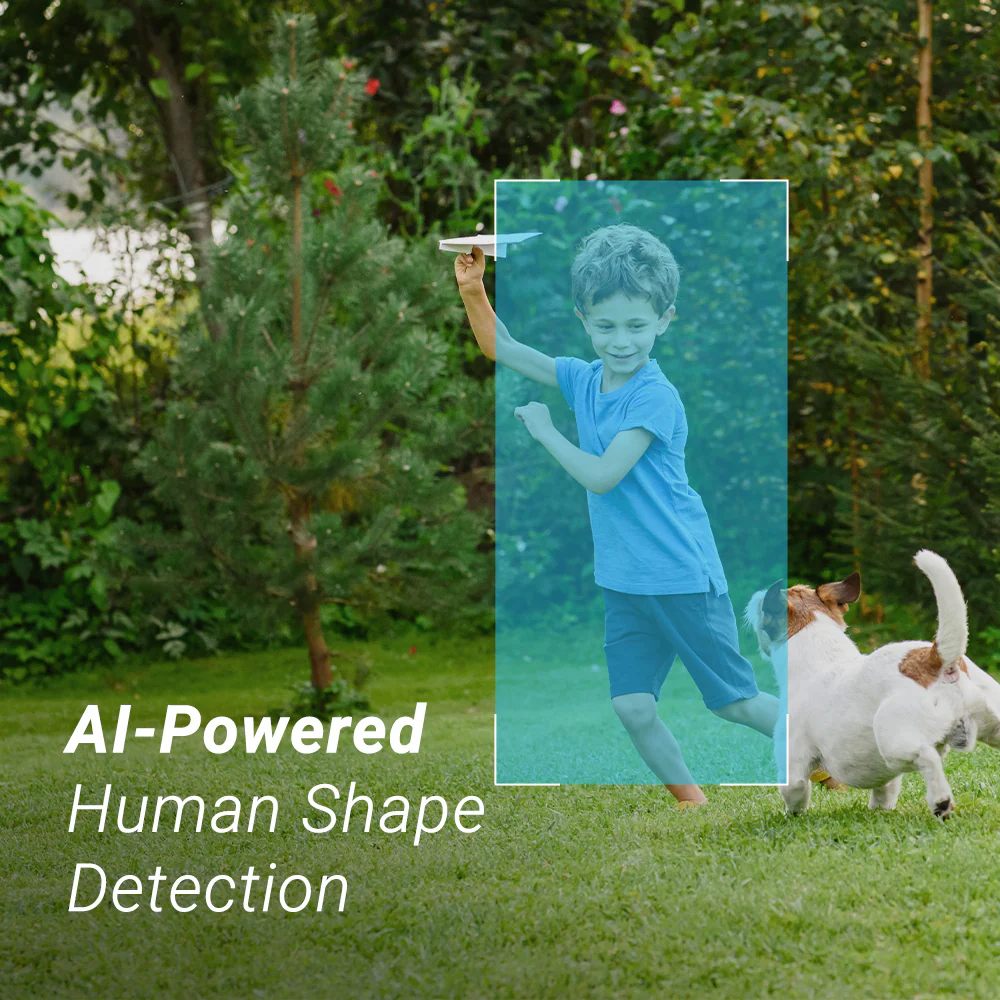
Las escenas al aire libre incluyen árboles, lluvia, insectos, animales, faros y sombras. La detección de movimiento básica puede generar demasiadas falsas alarmas. La detección de personas y vehículos mediante IA ayuda a filtrar las alertas innecesarias y proporciona a los usuarios un registro de alarmas más útil.
El seguimiento automático debe revisarse cuidadosamente.
El seguimiento automático resulta atractivo en los materiales de marketing, pero necesita pruebas reales. ¿Puede la cámara seguir a una persona que camina por el encuadre? ¿Regresa a la posición preestablecida después del seguimiento? ¿Pierde el objetivo cuando aparece más de una persona?
¿Cómo deben los compradores elegir un proveedor de cámaras PTZ?
La gama de productos debe adaptarse a los diferentes niveles del proyecto.
Un proveedor serio debería ofrecer más de una cámara PTZ. Los compradores pueden necesitar cámaras PTZ básicas con Wi-Fi, modelos PTZ de doble lente, versiones 4G, opciones con energía solar y kits de monitoreo para diferentes clientes. Una gama más amplia facilita la creación de una línea de productos para canales minoristas, instaladores y licitaciones de proyectos.
Por ejemplo, Jortan presenta en su página web categorías de productos como cámaras IP, paquetes de videovigilancia y cámaras solares. Para los compradores que comparan proveedores chinos de cámaras de seguridad, esta variedad puede ser útil para seleccionar el modelo, pero la decisión final debe basarse en pruebas y en la idoneidad para el proyecto.
La capacidad de fabricación OEM y ODM ayuda a los compradores de marcas.
Los propietarios de marcas y los distribuidores suelen necesitar impresión de logotipos, diseño de empaques, manuales, soporte para aplicaciones y una configuración estable para pedidos repetidos. Pregunte si el proveedor puede mantener el mismo chipset, lente, aplicación y carcasa en lotes futuros. Los cambios repentinos de configuración pueden generar problemas de posventa en el mercado.
El control de calidad debe discutirse antes del precio.
El precio importa, pero debe ser posterior a las comprobaciones básicas de calidad. Pregunte sobre las pruebas de envejecimiento, las comprobaciones de impermeabilidad, el control de versiones del firmware, la inspección del embalaje y la gestión de defectos. Para proyectos a gran escala, la rapidez de respuesta del proveedor tras el envío puede ser tan importante como la primera cotización.
¿Qué debe incluirse en una solicitud de cotización para cámaras PTZ al por mayor?
Proporcione información clara sobre el proyecto.
Una buena solicitud de cotización debe incluir el país, la cantidad, la ubicación de instalación, si se utilizará en interiores o exteriores, la altura de montaje, la distancia de visualización, la fuente de alimentación, el tipo de red, los requisitos de almacenamiento, la preferencia de aplicación o plataforma, las necesidades de embalaje y el plazo de entrega previsto.
Solicite muestras antes de la producción en masa.
Siempre que sea posible, se deben realizar pruebas de muestra en un entorno real. Se debe verificar la imagen diurna y nocturna, la configuración de la aplicación, la rotación, el seguimiento, el almacenamiento, la resistencia al agua y el embalaje. Solo después de la aprobación de la muestra, los compradores deben confirmar los detalles de la producción en masa.
Preguntas frecuentes
P1: ¿Qué es lo primero que deben comprobar los compradores al adquirir cámaras PTZ al por mayor?
A1: Es recomendable que los compradores determinen el entorno real del proyecto en términos de distancia, conectividad de red, fuente de alimentación, ubicación de montaje y requisitos de grabación antes de comprar cualquier tipo de cámara PTZ.
P2: ¿Qué parámetros deben incluirse en una solicitud de presupuesto para una cámara PTZ?
A2: Una solicitud de cotización completa debe abarcar la resolución, el tipo de lente, la capacidad de zoom, el rango de giro e inclinación, la configuración de visión nocturna, las capacidades de detección de IA, el nombre de la aplicación móvil, la compatibilidad con ONVIF, el medio de almacenamiento, el nivel de impermeabilidad, el requisito de energía, la cantidad, el embalaje y el período de garantía.
P3: ¿Cuál es el pedido mínimo habitual para cámaras PTZ?
A3: La cantidad mínima de pedido (MOQ) depende del proveedor, el modelo y nivel de personalizaciónLos modelos estándar suelen tener un pedido mínimo más bajo, mientras que el embalaje OEM, la impresión del logotipo, la personalización de la aplicación o los colores especiales de la carcasa pueden requerir una cantidad de pedido mayor.
P4: ¿Se pueden personalizar las cámaras PTZ para marcas locales?
A4: Por supuesto, existen numerosos proveedores, como Jortan, que ofrecen servicios de impresión de logotipos, diseño de cajas a color, manuales de usuario, etiquetado e incluso modificación de la apariencia. El cliente debe verificar el costo de personalización, el tiempo de fabricación y la uniformidad de los pedidos posteriores.