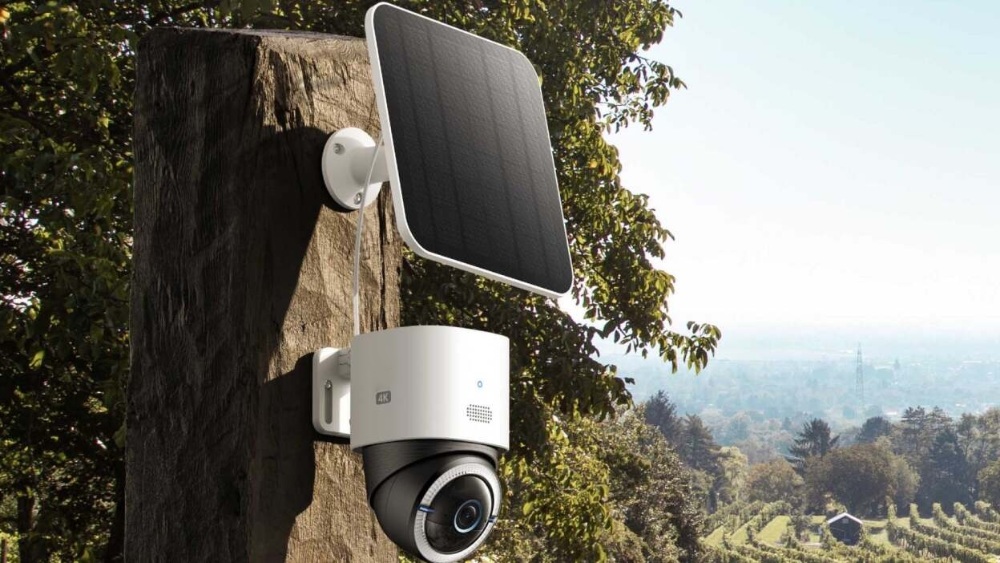
En las zonas remotas, es común encontrar conexiones a la red eléctrica deficientes, escasas opciones de cableado y mayores dificultades de mantenimiento. Cámaras solares Abordan estos problemas con energía limpia, transferencia de datos inalámbrica y una configuración adaptable, lo que las hace mucho más prácticas que las cámaras estándar con cable en numerosas zonas sin suministro eléctrico.
La creciente necesidad de una vigilancia fiable en zonas remotas
A medida que las empresas expanden sus actividades a territorios remotos o inexplorados, la demanda de herramientas de monitoreo confiables crece constantemente. Sin embargo, implementar una supervisión sólida en esos lugares plantea nuevos obstáculos tecnológicos y de la cadena de suministro.
Desafíos del monitoreo de ubicaciones aisladas
Los lugares remotos suelen carecer de suministro eléctrico y acceso a internet fiables, lo que inutiliza los sistemas de cable habituales. Las escasas posibilidades de llegar a los edificios convierten las revisiones más sencillas en tareas costosas y prolongadas. Además, los entornos difíciles —desde desiertos arenosos hasta zonas costeras— pueden deteriorar rápidamente las herramientas cotidianas, reduciendo su vida útil.
¿Por qué los sistemas de cámaras tradicionales tienen dificultades en entornos remotos?
Las instalaciones de cámaras convencionales dependen en gran medida de la red eléctrica y del cableado. Esta dependencia provoca frecuentes cortes de luz cuando se rompen las líneas de suministro o fallan las conexiones. Su instalación requiere excavar zanjas y tender cables, lo que incrementa considerablemente tanto el tiempo de inicio como el coste. Además, suelen surgir llamadas de revisión por daños causados por las inclemencias del tiempo, lo que hace que estas instalaciones sean vulnerables para recorridos largos en zonas remotas.
Comprender la tecnología de cámaras alimentadas por energía solar
Las cámaras alimentadas por energía solar destacan como una solución revolucionaria para las necesidades de vigilancia en zonas sin acceso a la red eléctrica, proporcionando autosuficiencia y respeto al medio ambiente donde los sistemas antiguos se quedan atrás.
Componentes principales de un sistema de cámara solar
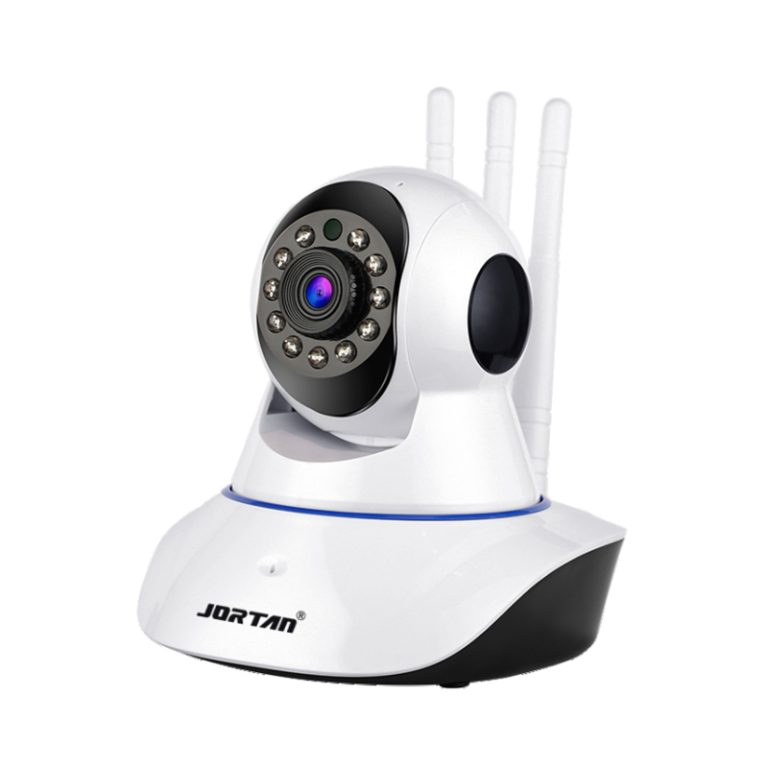
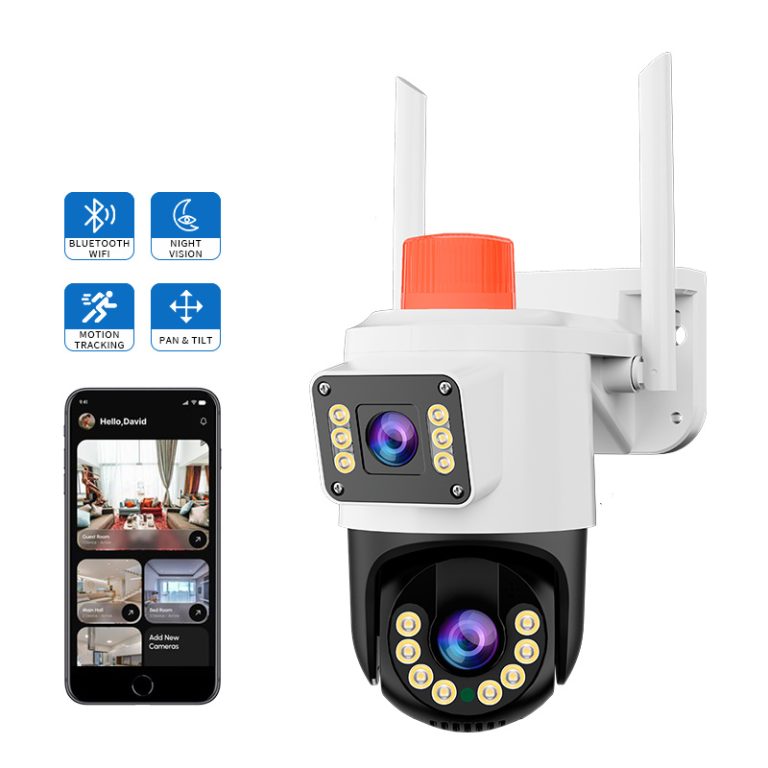
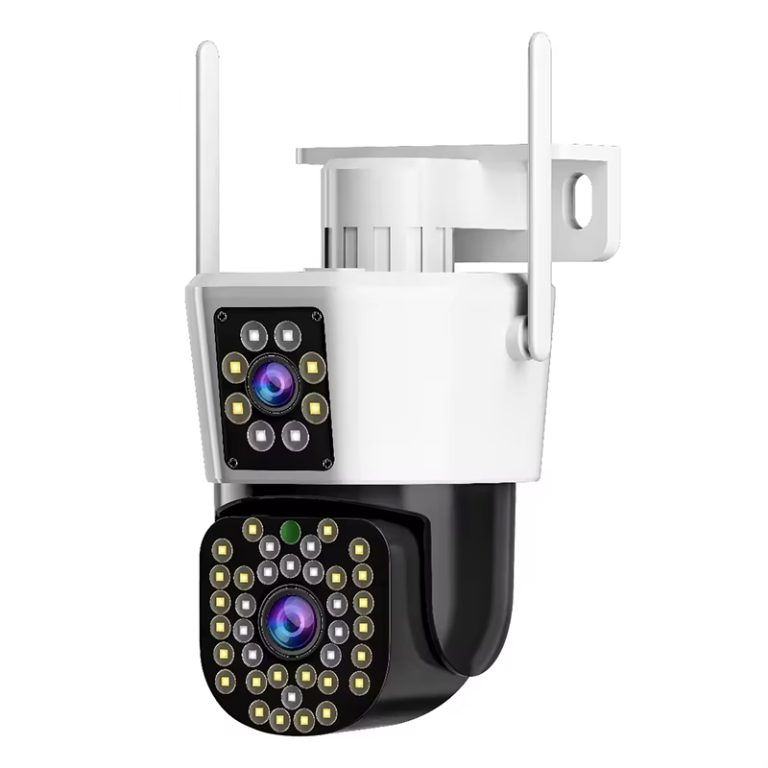
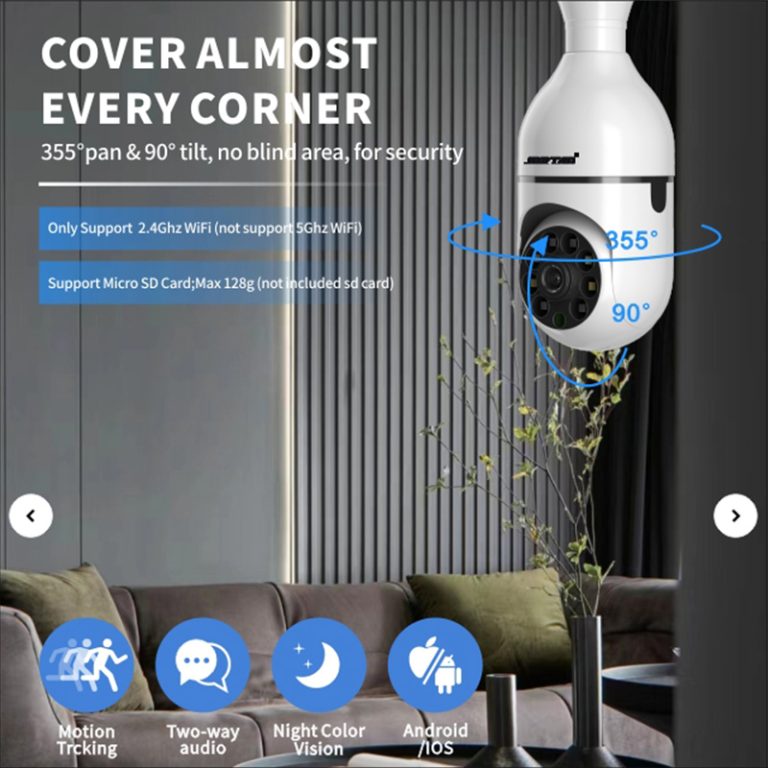
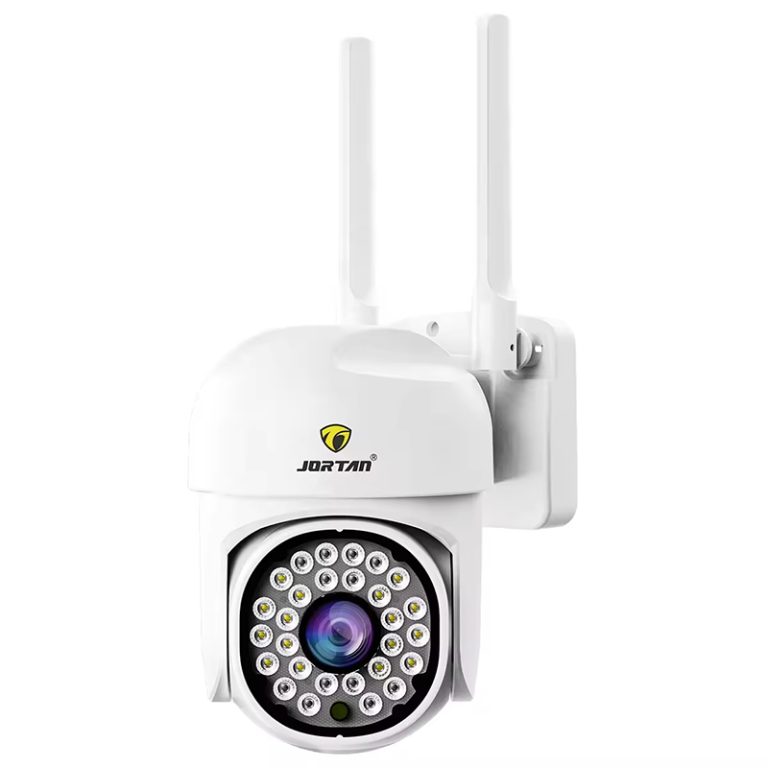
Un sistema de monitoreo solar generalmente cuenta con paneles solares que transforman la luz en energía eléctrica útil, celdas incorporadas que almacenan energía sobrante para las noches o los días nublados, y reguladores inteligentes que gestionan bien el flujo de energía. Con el progreso continuo en el sector del monitoreo, las personas ahora valoran y aplican la vigilancia de manera más amplia. Ha pasado de los cables a WiFi a 4G, mejorando la utilidad cotidiana. Para manejar problemas de configuración por falta de internet y energía, Jordán Presentaron su serie de cámaras solares. Soluciona los problemas de vigilancia en zonas sin conexión a internet ni electricidad y amplía sus diversas aplicaciones.
Integración con funciones de vigilancia modernas
Las modernas cámaras solares incorporan unidades inalámbricas de última generación, como 4G/5G, para una conexión fluida a través de servicios en la nube. La detección de movimiento mediante IA proporciona notificaciones precisas al identificar personas, vehículos o movimientos innecesarios, como ramas de árboles movidas por el viento. La clasificación de personas y vehículos, junto con el análisis de la actividad, reduce las falsas alarmas (como el movimiento de la vegetación o la presencia de animales), con una alta tasa de detección del 98,7 %. El procesamiento local optimiza el rendimiento al gestionar la información in situ antes del envío, lo que reduce las necesidades de flujo de datos y permite una respuesta inmediata.
Ventajas técnicas de las cámaras solares sobre los sistemas tradicionales.
El auge de los métodos solares no se debe únicamente a objetivos ecológicos, sino también a ventajas tecnológicas reales que abordan directamente los problemas que surgen fuera de las instalaciones.
Independencia energética y sostenibilidad
Las cámaras solares funcionan de forma autónoma, sin depender de la red eléctrica, lo que garantiza un servicio constante incluso en entornos sin acceso a la red. La energía solar elimina la necesidad de cables y enchufes, y resulta ideal para patios de granjas, plantaciones de árboles, pastizales, zonas de trabajo, regiones montañosas aisladas y otros lugares similares donde no hay suministro eléctrico estable.
Mientras tanto, apoyan la adopción de energías limpias al tiempo que reducen las emisiones de carbono vinculadas a los sistemas de monitorización clásicos.
Flexibilidad y escalabilidad en la instalación
Las cámaras solares permiten un funcionamiento prolongado sin conexión a la red eléctrica gracias a la energía solar, los paneles de silicio monocristalino y el almacenamiento inteligente de baterías. Con aproximadamente 4 horas de luz solar al día, pueden seguir funcionando hasta 15 días en condiciones de lluvia o nubosidad, reduciendo así los costes de electricidad durante todo el año.
Su diseño inalámbrico también facilita y agiliza la instalación. Las cámaras se pueden montar en postes existentes, como los de alumbrado público o señales de tráfico, y la configuración suele completarse en unos 30 minutos. Esto ayuda a reducir los costes de instalación y permite que el sistema se extienda a áreas amplias o irregulares a medida que aumentan las necesidades de seguridad.
Rendimiento y fiabilidad en condiciones adversas
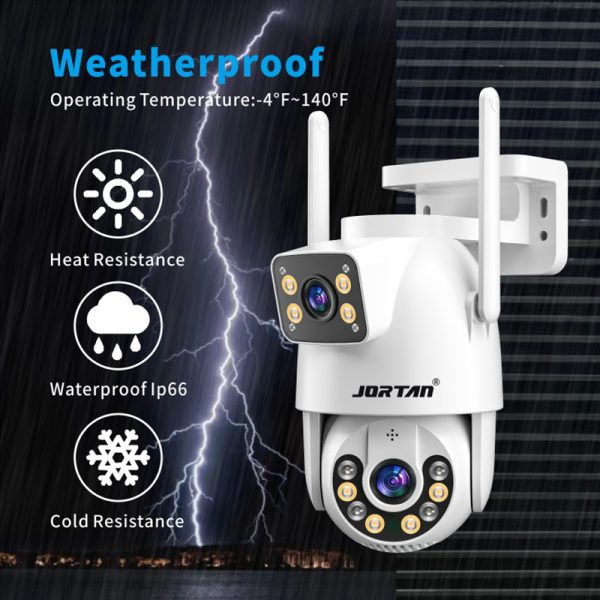
La robustez resulta fundamental para garantizar un rendimiento constante en entornos remotos donde las ventanas fijas son escasas.
Durabilidad frente a factores ambientales
Los protectores contra la intemperie de alta calidad garantizan protección contra vendavales, lluvias, aguanieve y cambios bruscos de temperatura. Su protección IP66/IP67 ofrece resistencia a lluvias intensas, suciedad y altas temperaturas (de -30 °C a 70 °C). Además, la carcasa de acero mejora la refrigeración y la protección contra la corrosión. En zonas áridas o con poca ventilación, las capas resistentes a la corrosión prolongan notablemente la vida útil de los equipos, mientras que los paneles solares autolimpiables mantienen una carga óptima durante todo el año.
Gestión de energía durante períodos de baja luz solar
Los productos de monitorización inteligente ajustan la potencia disponible según las diferentes situaciones o frecuencias de uso, garantizando así un funcionamiento continuo incluso durante largos periodos de inestabilidad. Gracias a un consumo en reposo extremadamente bajo y al registro de eventos mediante IA, ofrece supervisión las 24 horas, con una autonomía que supera con creces la de las opciones tradicionales (por ejemplo, funciona entre 7 y 15 días incluso con lluvia). Además, la configuración flexible optimiza los hábitos de uso mediante análisis en tiempo real para lograr el máximo rendimiento durante los ciclos climáticos.
Consideraciones económicas y operativas en los despliegues de 2026
El atractivo económico de las cámaras solares reside no solo en su sofisticación tecnológica, sino también en su bajo coste para empresas y organismos estatales.
Los bajos costos de instalación se deben a las reducidas necesidades energéticas, mientras que los costos operativos disminuyen gracias a los sistemas de generación de energía autónoma que requieren una mínima entrada de energía fija. Las cámaras solares de bajo consumo, con su autonomía energética (energía solar + 4G), su duración de celda súper extendida (tecnología AOV) y sus funciones de vigilancia inteligentes y precisas (IA + visión nocturna a todo color), se vuelven esenciales para la seguridad en zonas sin electricidad ni cobertura de internet. Además, la previsión mediante análisis de IoT reduce las paradas inesperadas al detectar problemas con anticipación.
Perspectivas de futuro: El papel de las cámaras solares en los ecosistemas de seguridad remota en 2026
En 2026, las cámaras solares cobrarán mayor importancia en los sistemas de seguridad remotos. Ofrecen una monitorización estable para granjas, viviendas rurales, obras de construcción, almacenes y otras zonas aisladas donde el cableado y el acceso a la electricidad son limitados.
La detección mediante IA hará que estas cámaras sean más inteligentes. Podrán identificar personas, vehículos y movimientos inusuales con mayor precisión, lo que ayudará a reducir las falsas alarmas y a mejorar la velocidad de respuesta.
El rendimiento energético también mejorará. Mejores baterías de litio, paneles solares más grandes e incluso sistemas de carga solar-eólica podrían ayudar a que las cámaras sigan funcionando durante días nublados o períodos prolongados de poca luz solar.
En definitiva, las cámaras solares facilitarán una vigilancia remota más segura, limpia y sencilla. No solo grabarán vídeo, sino que también se integrarán en redes de seguridad conectadas mediante sensores, aplicaciones y plataformas en la nube.
Preguntas frecuentes
P1: ¿Qué hace que las cámaras alimentadas por energía solar sean ideales para su despliegue en zonas remotas?
A1: Las zonas remotas suelen carecer de suministro eléctrico y acceso a internet fiables, lo que hace inviables los sistemas de cableado convencionales. Las cámaras alimentadas por energía solar funcionan independientemente de la red eléctrica mediante fuentes de energía limpia, a la vez que proporcionan conexiones inalámbricas estables a través de unidades 4G/5G integradas, lo que las hace ideales para zonas con infraestructuras tradicionales deficientes.
P2: ¿Son las cámaras solares rentables en comparación con las tradicionales?
A2: Sí. Instalar cámaras de vigilancia tradicionales en zonas remotas requiere una gran cantidad de cableado. Sin embargo, las cámaras solares eliminan por completo los costos de cableado y reducen drásticamente los gastos de mantenimiento gracias a un diseño autosostenible respaldado por revisiones predictivas basadas en IoT.
P3: ¿Qué producto deberían considerar las organizaciones para implementaciones a gran escala?
A3: Las empresas que buscan una supervisión robusta sin conexión a la red deberían considerar la serie de cámaras de vigilancia inteligentes de Jortan, que combina imágenes nítidas con una visualización duradera.,IP66–Equipo homologado y diseñado específicamente para los entornos exteriores más exigentes.