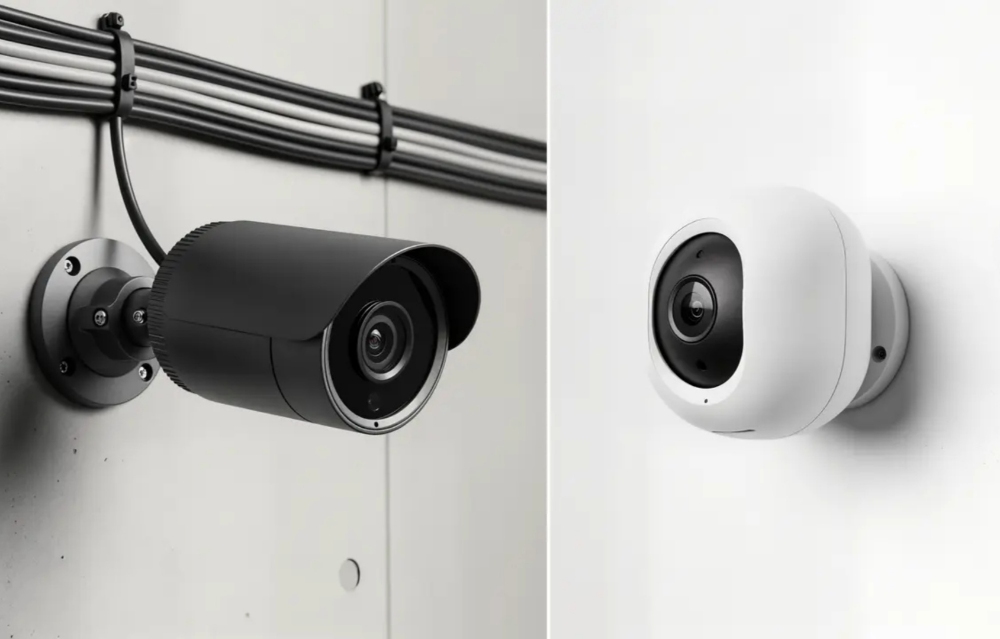
Al elegir entre conexión por cable e inalámbrica cámaras de seguridad, Es importante tener en cuenta el entorno en el que se instalarán las cámaras, la estabilidad de la red y el mantenimiento a largo plazo del sistema. Al comparar las ventajas de las cámaras de seguridad cableadas e inalámbricas, podemos ayudarle a elegir las más adecuadas para su entorno.
Comprender las principales diferencias entre las cámaras de seguridad con cable e inalámbricas.
Las cámaras de seguridad modernas han evolucionado enormemente gracias a los avances en el campo de las redes y el procesamiento de imágenes. Si bien los sistemas de videovigilancia con cable e inalámbricos cumplen el mismo objetivo de monitoreo, su diseño estructural, instalación y uso a largo plazo pueden variar considerablemente.
Definición de sistemas de cámaras cableadas e inalámbricas
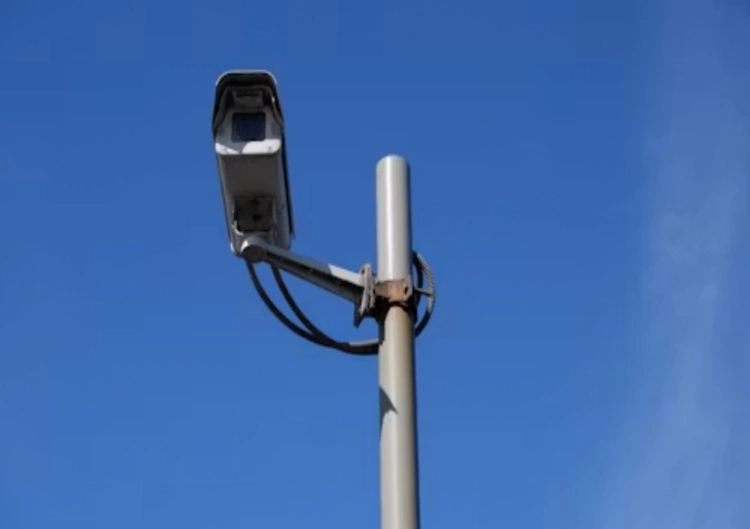
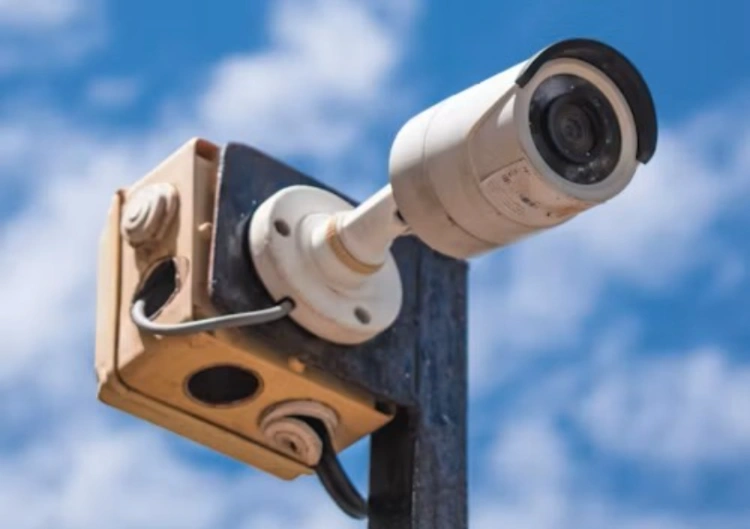
Las cámaras cableadas transmiten vídeo mediante cables físicos que se conectan directamente a un dispositivo de grabación o grabador de vídeo en red (NVR). Esto garantiza una conexión muy estable con mínimas interferencias.
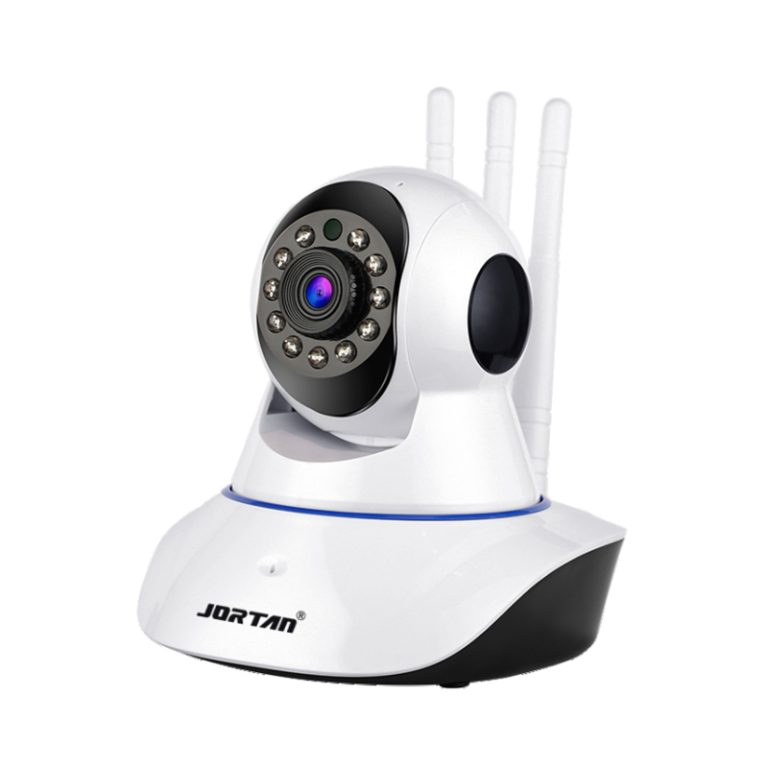
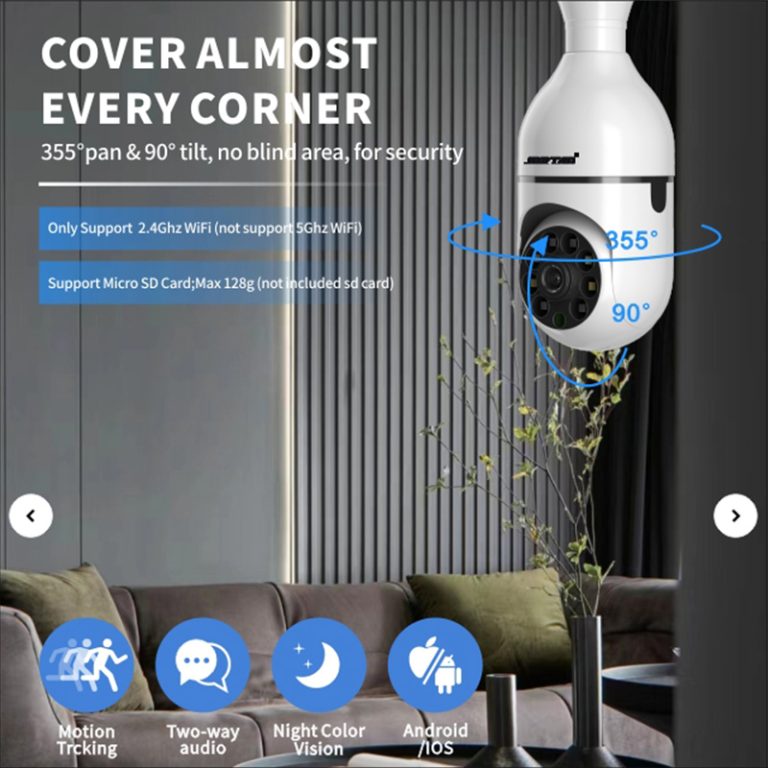
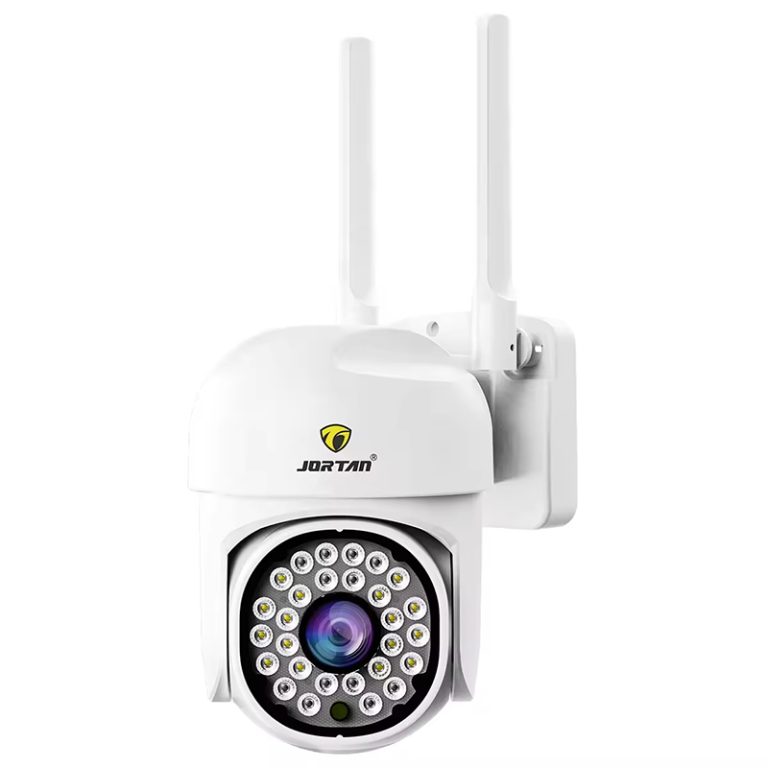
Por el contrario, un cámara de red inalámbrica Es una cámara de red que transmite señales de vídeo a través de una red inalámbrica. La diferencia entre una cámara de red y una cámara de red convencional radica en el método de transmisión de la señal de vídeo.
Además, existen dos tipos de cámaras de red inalámbricas: una es una cámara de red WiFi inalámbrica y la otra utiliza señales inalámbricas 4G de operadores de telefonía móvil para la transmisión de señal. Estos sistemas son ideales para entornos donde el tendido de cables es complicado o indeseable.
Los componentes de las cámaras de vigilancia utilizadas en sistemas de seguridad perimetral para edificios pueden variar significativamente entre sistemas cableados e inalámbricos. Sin embargo, ambos suelen constar de un sensor de imagen, un codificador de vídeo, un servidor de red u otro medio para la distribución de vídeo, y una interfaz externa para los contactos de alarma de dispositivos de seguridad periféricos como sensores de puerta y detectores de movimiento.
Comparación de los requisitos de instalación
Existen enormes diferencias en cuanto a la complejidad de la instalación entre los sistemas inalámbricos y los sistemas cableados.
La mayoría de los sistemas cableados suelen ser instalados por profesionales, principalmente debido al cableado a través de paredes y techos, lo que incrementa los costos de instalación. Por otro lado, las cámaras inalámbricas son mucho más flexibles, por ejemplo, gracias a la tecnología inalámbrica con acceso 3D que puede compensar fácilmente las deficiencias del acceso a la red cableada. En consecuencia, los sistemas inalámbricos son especialmente adecuados para instalaciones temporales y para lugares con infraestructura muy limitada.
La fuente de alimentación para las cámaras de seguridad también influye en su elección. Mientras que las cámaras con cable suelen recibir alimentación a través de Ethernet (PoE), las cámaras de seguridad inalámbricas se alimentan mediante una batería o energía solar. Si la zona en la que se encuentra recibe suficiente luz solar, recomendamos instalar las cámaras de vigilancia de la serie solar de Jordán.
Consideraciones sobre rendimiento y fiabilidad
Un conjunto de métricas de rendimiento, como la estabilidad, la integridad de la señal y la calidad de la imagen, para medir el rendimiento de cada sistema en condiciones de funcionamiento reales.
Estabilidad de la conexión e interferencia de la señal
Los cables de conexión por hilo son más robustos y se protegen de las interferencias ambientales. Incluso a largas distancias, garantizan una transmisión de vídeo estable. En cuanto a la tecnología inalámbrica, el estándar 802.11n, con una velocidad de transferencia de varios cientos de Mb/s, permite aplicaciones inalámbricas rápidas, de alta calidad y potentes. No obstante, siempre existe la posibilidad de que la señal se vea afectada por las señales de otros dispositivos o incluso por la congestión de otras redes Wi-Fi.
Calidad de vídeo y velocidad de transmisión de datos
La capacidad de ancho de banda de un sistema influye en la calidad de la imagen. Los sistemas cableados ofrecen una mayor velocidad de transferencia de datos que los inalámbricos y son adecuados para vídeos de ultra alta definición (UHD) sin pérdida de calidad por compresión. Las cámaras inalámbricas también pueden obtener buenos resultados, aunque esto depende de la intensidad de la señal Wi-Fi.
Mantenimiento, seguridad y protección de datos
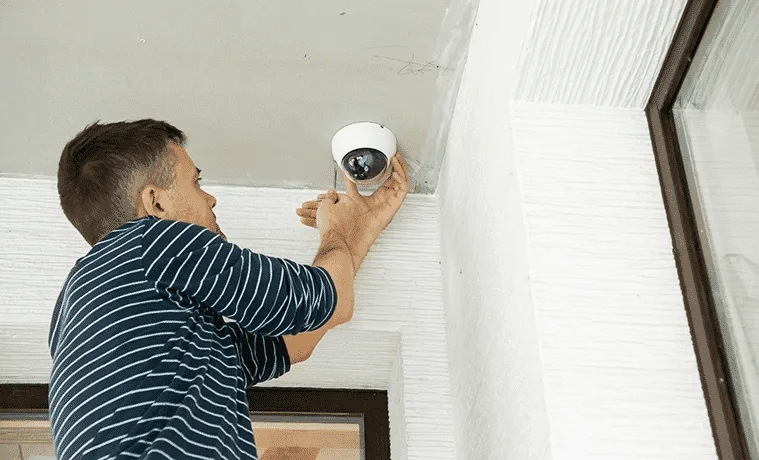
Independientemente de si se trata de un tipo de sistema o no, el funcionamiento continuo solo es posible mediante comprobaciones y actualizaciones periódicas.
Necesidades de mantenimiento y solución de problemas del sistema
Las cámaras de seguridad con cable rara vez requieren actualizaciones de software y una revisión ocasional de los cables. En cambio, las cámaras de seguridad inalámbricas necesitan actualizar su firmware periódicamente para optimizar su rendimiento o solucionar problemas de compatibilidad. Las cámaras de seguridad inalámbricas, como la Wireless Battery Camera, también requieren una gestión cuidadosa en lo que respecta a la recarga de la batería. La batería extraíble y el diseño recargable de esta cámara de seguridad permiten una instalación rápida y sencilla de una batería nueva, con una autonomía en espera ultralarga.
Riesgos de ciberseguridad y medidas de protección
Los sistemas inalámbricos, conectados a través de redes abiertas, son más vulnerables a los ciberataques. Sin embargo, las soluciones de cifrado de alta calidad, como WPA3, y una configuración adecuada del router ofrecen una protección eficaz. Además, las actualizaciones periódicas del firmware de los routers y otros dispositivos inalámbricos también protegen contra los ataques actuales a los dispositivos IoT.
Análisis de costos: instalación, operación y valor a largo plazo.
Al comparar las cámaras de videovigilancia con cable e inalámbricas en términos del valor total de su inversión, debe tener en cuenta más que la inversión inicial. También debe considerar los costos de mantenimiento a largo plazo.
Los sistemas cableados suelen ser más caros en la fase de instalación, ya que requieren cables, perforaciones y una configuración más compleja. Sin embargo, una vez instalados, ofrecen un rendimiento estable a largo plazo. Los sistemas inalámbricos suelen tener costes de instalación más bajos y son más fáciles de ampliar, especialmente para tiendas, almacenes, aparcamientos y locales comerciales temporales.
Para su funcionamiento, las cámaras inalámbricas pueden requerir una conexión Wi-Fi más potente, comprobaciones de batería o planes de almacenamiento en la nube, mientras que los sistemas cableados pueden requerir más mantenimiento cuando los cables o los equipos fijos necesitan reparación. En términos de valor a largo plazo, los sistemas inalámbricos suelen ser más flexibles para las empresas en crecimiento, ya que se pueden añadir nuevas cámaras con menos interrupciones y menor esfuerzo de configuración.
Cómo elegir el sistema de cámaras adecuado para las necesidades de su propiedad en 2026.
Al elegir un tipo de cámara de seguridad para su propiedad, hay varios factores importantes a tener en cuenta. Estos incluyen la distribución física de su propiedad, las condiciones ambientales de su entorno, su presupuesto y sus planes a largo plazo para el sistema.
Los grandes emplazamientos industriales o los campus con múltiples edificios suelen beneficiarse de la fiabilidad de la conexión por cable, donde la transmisión de contenido de alto ancho de banda es esencial a largas distancias. Mientras tanto, los apartamentos urbanos o los espacios de alquiler prefieren las opciones de ubicación flexibles que ofrecen las unidades conectadas por Wi-Fi, que no requieren modificaciones permanentes durante los cambios de configuración. Las implementaciones híbridas, que combinan ambas tecnologías, pueden equilibrar estratégicamente la estabilidad con la adaptabilidad, al tiempo que garantizan la preparación para futuras transiciones tecnológicas como impulsado por IA sistemas de monitoreo predictivo.
Preguntas frecuentes
P1: ¿Cuáles son las ventajas de las cámaras de seguridad con cable?
A1: Las principales ventajas de las cámaras de seguridad cableadas son que proporcionan conectividad continua para grabar en alta definición sin ningún retraso o interferencia en la grabación para instalaciones grandes.
P2: ¿Cómo mejoran la comodidad las cámaras inalámbricas alimentadas por batería?
A2: Las cámaras inalámbricas con batería ofrecen mayor comodidad al funcionar con baterías, eliminando la necesidad de cableado. Esto permite a los usuarios monitorear las imágenes de forma remota desde sus teléfonos inteligentes. No requieren instalación de cables, lo que ahorra tiempo y esfuerzo, y elimina las preocupaciones y los posibles problemas relacionados con el cableado para una seguridad inteligente.
P3: ¿Qué sistema ofrecerá un mejor valor a largo plazo para las aplicaciones empresariales?
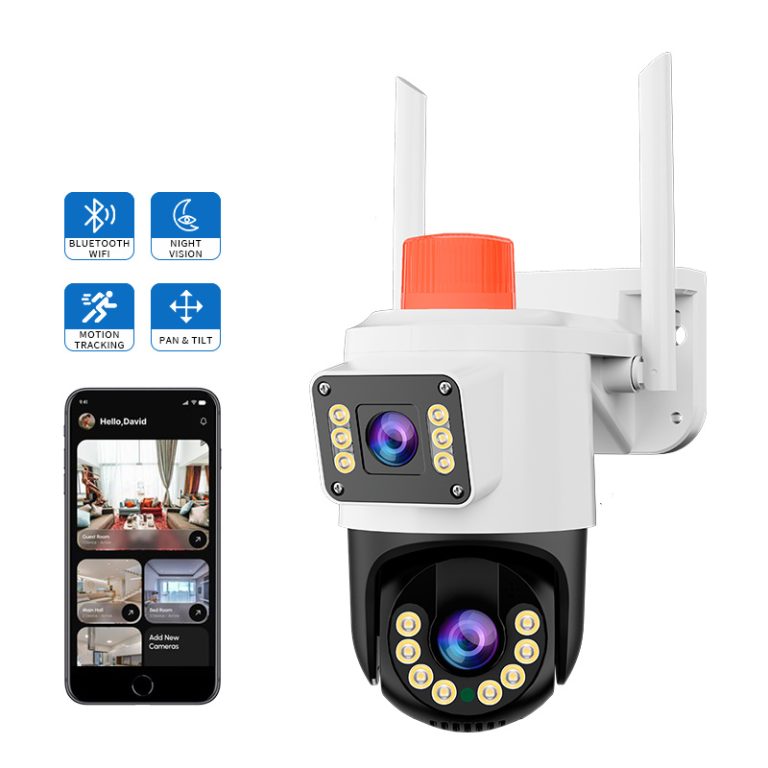
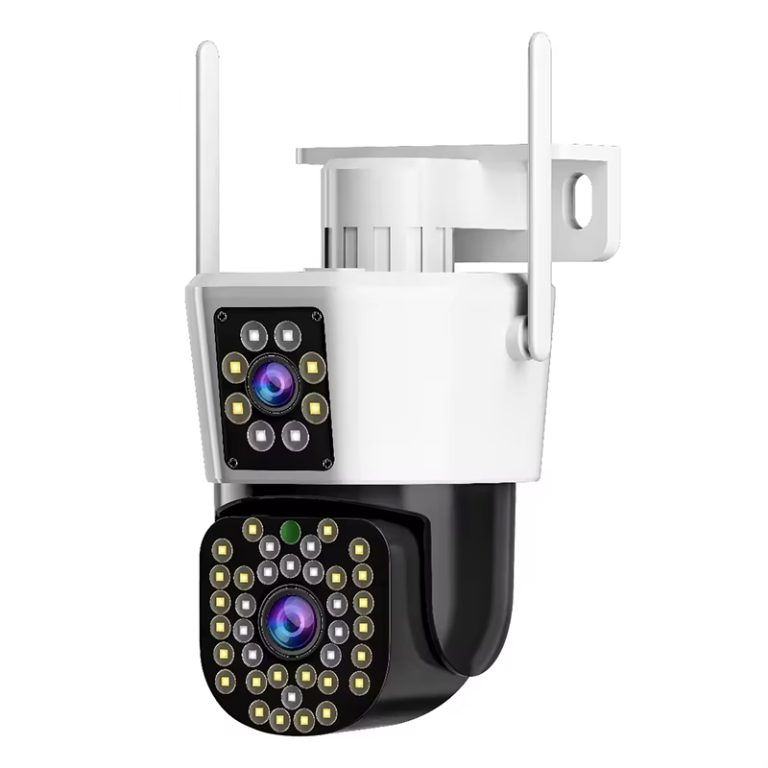
A3: Los sistemas inalámbricos suelen ofrecer un mejor valor a largo plazo para las aplicaciones empresariales porque son más fáciles de instalar, expandir y administrar en diferentes ubicaciones. Para las empresas que necesitan una cobertura flexible y una protección sólida, Jordan8 Es una opción práctica para empresas que necesitan cobertura inalámbrica flexible, monitorización con doble lente, acceso remoto y seguridad exterior fiable.