For 2026 security projects, the choice between wireless and wired cameras goes beyond simple installation ease. Buyers now weigh network stability, power supply, project scale, maintenance cost, and long-term reliability before picking the right type for their market or use case.
Technical Architecture of Wired and Wireless Systems
Having knowledge about how wired cameras and wireless cameras work technically can help a lot when choosing which camera to use for projects in 2026.
Physical Infrastructure and Data Transmission in Wired Cameras
Power over Ethernet is common in wired surveillance systems. Power over Ethernet uses one cable, a Cat5e and Cat6 cable, that combines both power and data into one. This makes it easy to install cables while ensuring reliable power transmission. The allocated bandwidth prevents any possible interference to the wired connection by other network components and maintains stable performance at peak times.
Signal Transmission and Connectivity in Wireless Cameras
Wireless surveillance depends on modern standards such as Wi-Fi 6 or dual-band 2.4GHz/5GHz protocols to send video to routers or cloud servers. A wireless network camera sends video signals over a wireless network. The main difference from a standard network camera lies in how the video signal travels. Two main types exist: one uses Wi-Fi, while the other relies on 4G signals from mobile operators. These options allow easy placement where running cables proves difficult or expensive.
Battery or solar power removes the need for outlets and works well in varied locations. Traditional cameras need wires, yet battery models avoid cable runs and power sockets. They need no wiring work, which makes security simpler and more practical. Modern setups also use mesh networks to cover large areas like campuses or job sites.
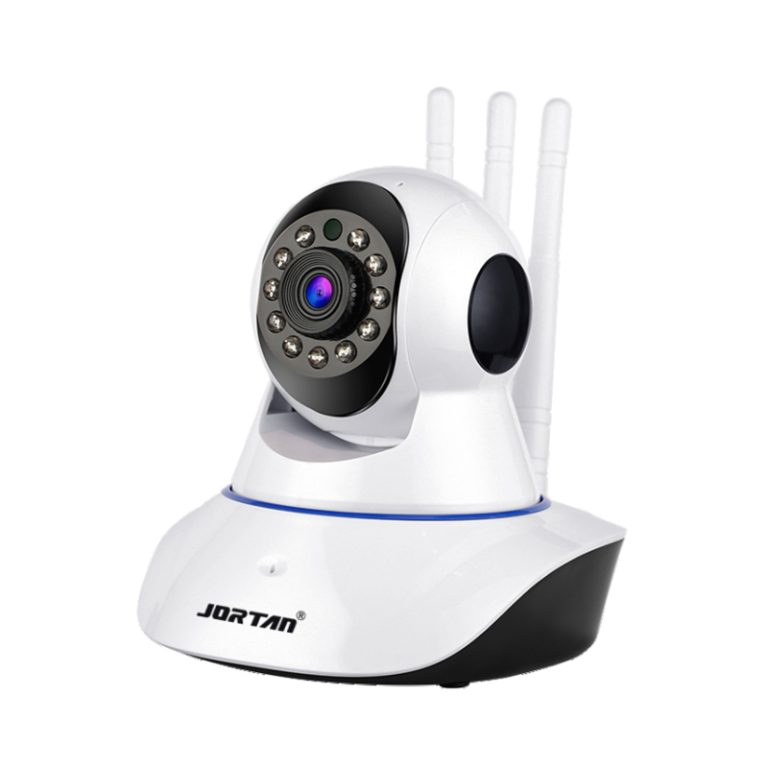
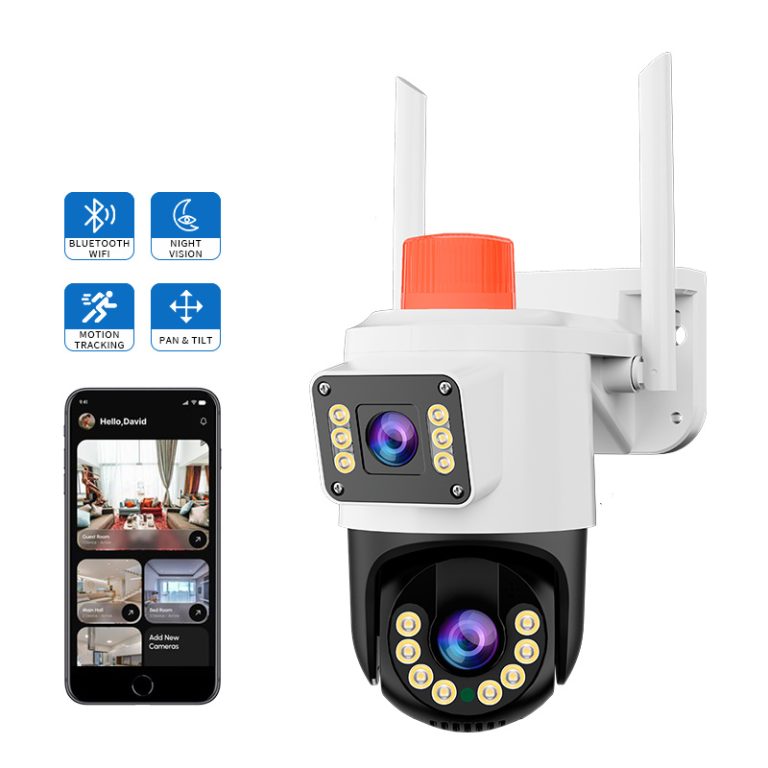
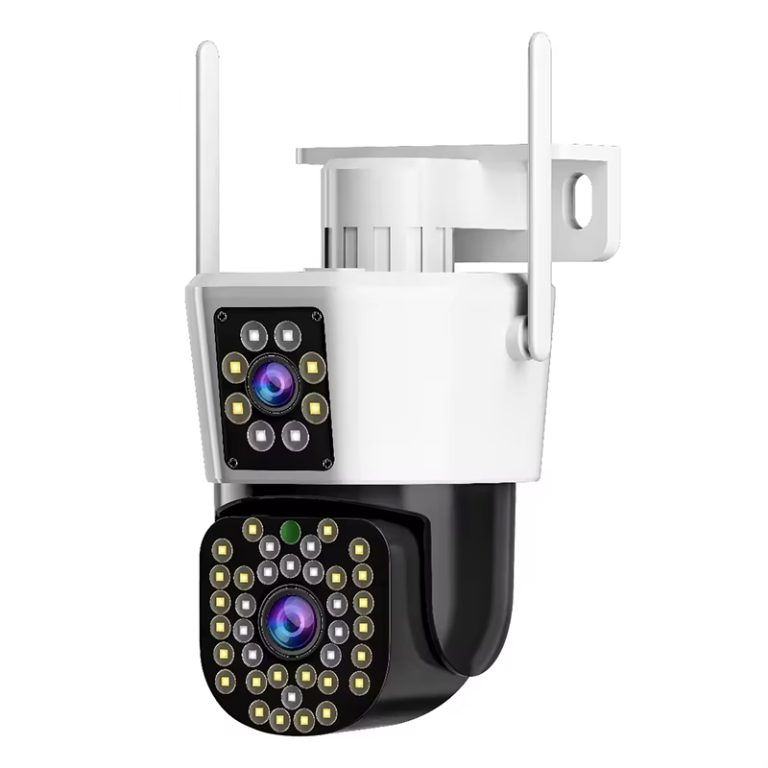
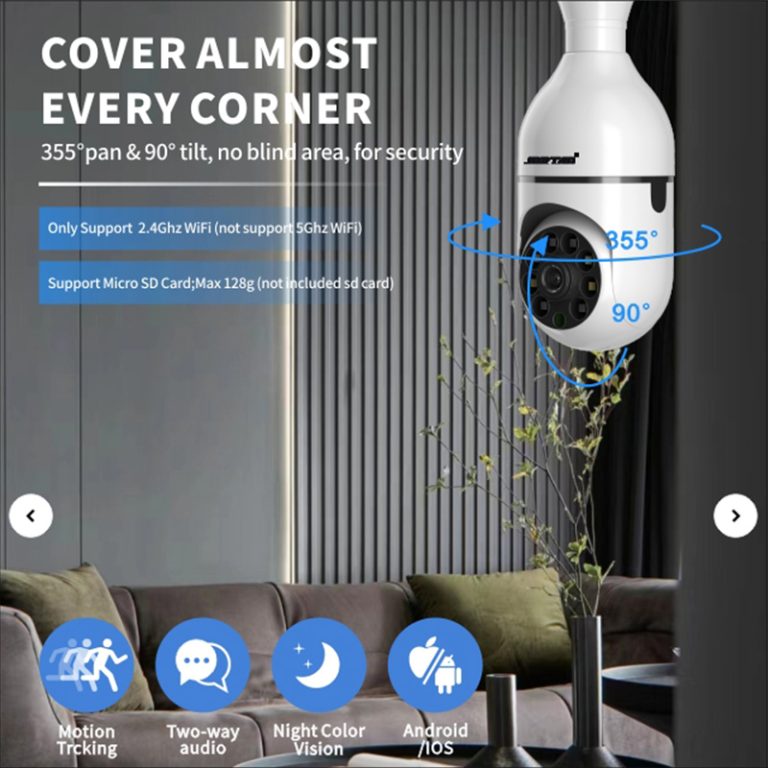
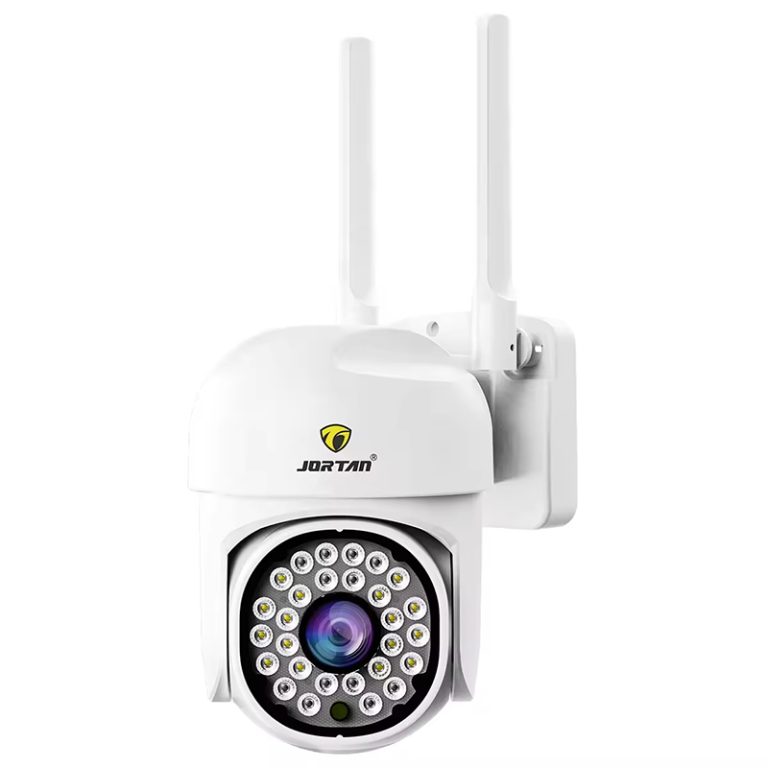
For buyers comparing flexible wireless options, Jortan can be used as a practical supplier reference. Its product range includes WiFi IP cameras, dual-lens outdoor cameras, PTZ models, and solar camera options, which can support projects where cable installation is difficult or where flexible outdoor deployment is needed.
Reliability and Performance Metrics for 2026 Standards
As surveillance moves toward 4K and 8K resolutions, reliability often decides the outcome for project teams.
Stability of Connection and Video Stream Continuity
Wired setups keep steady bitrates for high-resolution feeds with little delay. This helps when real-time PTZ control is required. Wireless systems may lose signal strength because of walls or weather. Wireless still faces limits such as unstable connections, lower bandwidth than wired links, and restricted coverage. Even so, Wi-Fi 6E has raised throughput stability inside smaller spaces.
Cybersecurity and Data Integrity
Security stays central in system design. Wired networks gain built-in protection because physical access is needed to tap the line. Wireless links instead use encryption like WPA3 to block unwanted entry. With wireless progress, 802.11n, which reaches several hundred megabits per second, pushes wireless uses toward faster and stronger performance. In 2026 most enterprise wireless systems will add automatic firmware updates to fix issues quickly.
Scalability and Deployment Logistics
Project scale often decides whether wired or wireless infrastructure gives better long-term value.
Installation Complexity and Labor Requirements
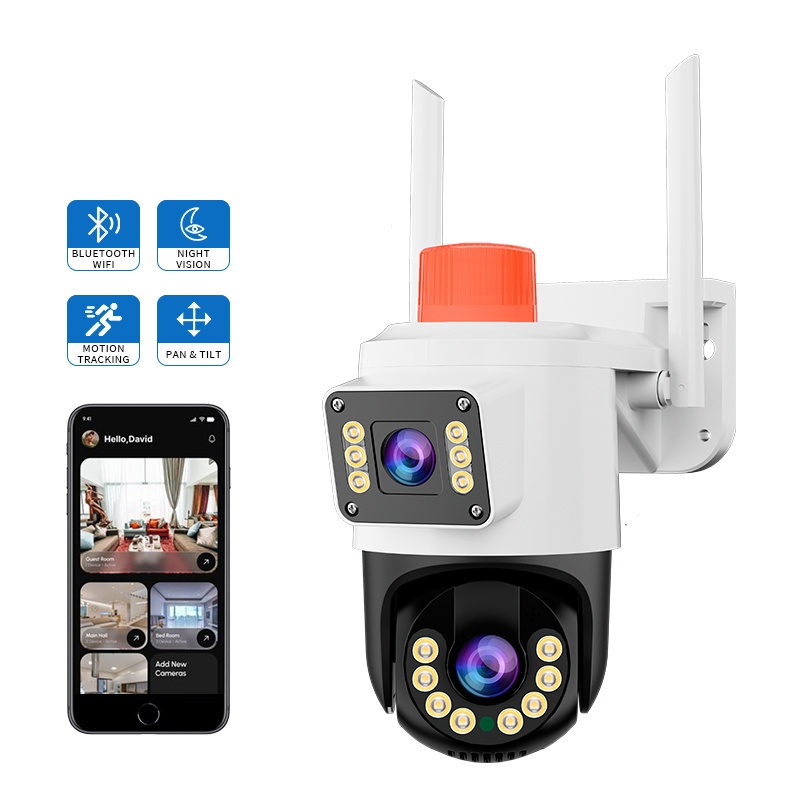
Installing wired cameras requires structured cabling that may involve drilling or conduit runs through walls, work usually handled by trained technicians. Wireless models cut this effort because they link via Wi-Fi without extra hardware changes. Wireless technology with three-dimensional access removes wiring issues and offsets the limits of wired access. For short-term uses like construction monitoring or event security, battery designs allow fast setup.
Expanding the Security Perimeter
Adding wired cameras depends on free PoE ports and new cable runs. Wireless growth relies on router capacity yet supports quick expansion when mesh nodes or repeaters are added. Hybrid networks, with Ethernet in core zones and Wi-Fi on outer edges, are expected to become common in 2026 in commercial work.
Maintenance and Long-term Operational Costs
Operational sustainability rests on both initial spend and ongoing maintenance needs.
Hardware Longevity and Environmental Resistance
Wired cameras usually last longer since they draw constant power and skip internal batteries. Battery models instead need regular recharging or solar checks to stay running. Removable and rechargeable batteries support quick swaps, long standby times, and low power use so one charge lasts extended periods. Cloud firmware tools now allow central updates across whole sets and cut manual work over time.
Storage Solutions and Subscription Models
Local NVRs remain common in wired systems due to large drive capacity and no recurring fees. Many wireless brands instead push cloud subscriptions for remote access, which raises the total cost over years. Edge storage on SD cards adds backup against connection loss in both types.
Strategic Selection Based on Project Environment
Choosing wired or wireless surveillance should match project size, existing infrastructure, and needed flexibility.
High-Security Commercial and Industrial Applications
Critical sites such as factories or logistics centers need nonstop recording, so wired solutions stay favored for reliable PoE power. Thanks to strong network transmission, wired video systems lead the market and move toward high definition, smart features, and full integration. They also work smoothly with building management systems for access control or fire safety.
Residential and Small-Scale Flexible Projects
For homes or rental sites where drilling is limited, fully wireless models give practical benefits without losing basic security. This suits users who prefer to skip wires or place units where outlets are hard to reach. Smart home links improve daily use through phone alerts and voice controls. Cellular backup keeps the system connected even without fixed broadband.
For teams looking for suppliers that handle both wired IP solutions and solar-powered models for hybrid work, Jortan offers full OEM/ODM customization with strong after-sales support.
FAQ
Q1: What factors should be prioritized when choosing between wired camera systems versus wireless ones?
A1: Stability needs come first. Wired systems deliver steady bitrate performance suited to industrial monitoring, while wireless options fit flexible jobs that need little infrastructure work.
Q2: How does maintenance differ between these two types?
A2: Wired units mainly require lens cleaning or NVR checks. Wireless models need occasional battery swaps yet gain from remote firmware updates that lower service visits.
Q3: Where can I source both wired IP cameras and solar-powered variants from one supplier?
A3: You can contact Jortan, which supplies IP camera series under tight quality control with OEM customization for commercial projects worldwide. Their products deliver stable performance and flexible deployment for today’s security networks.