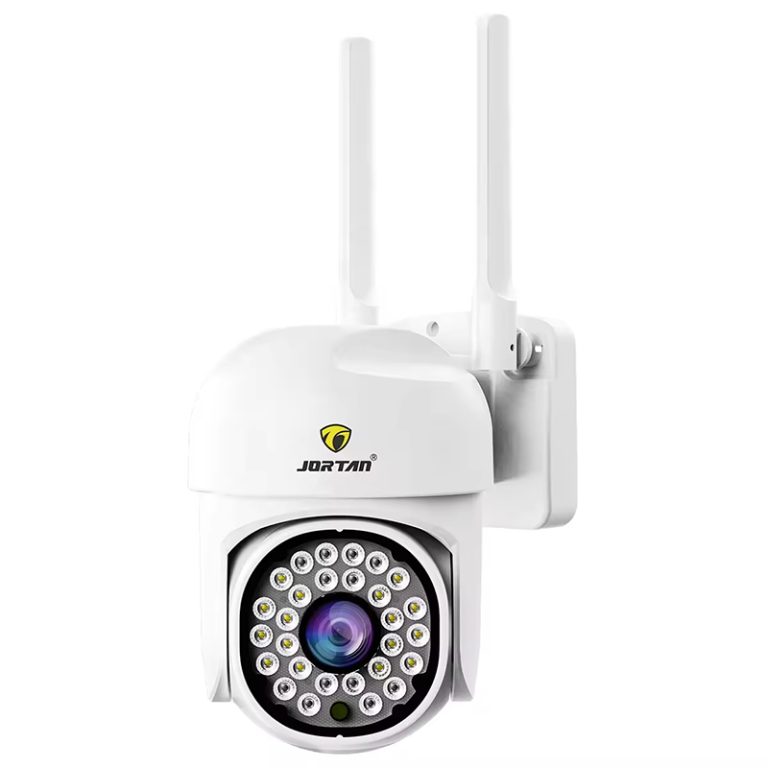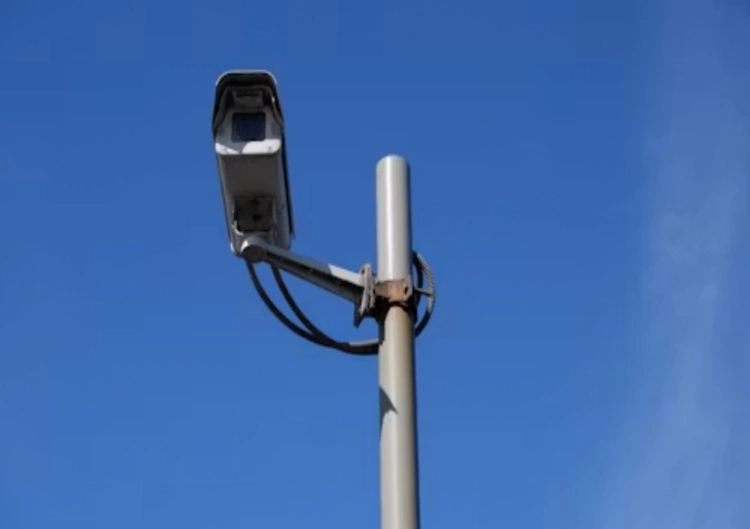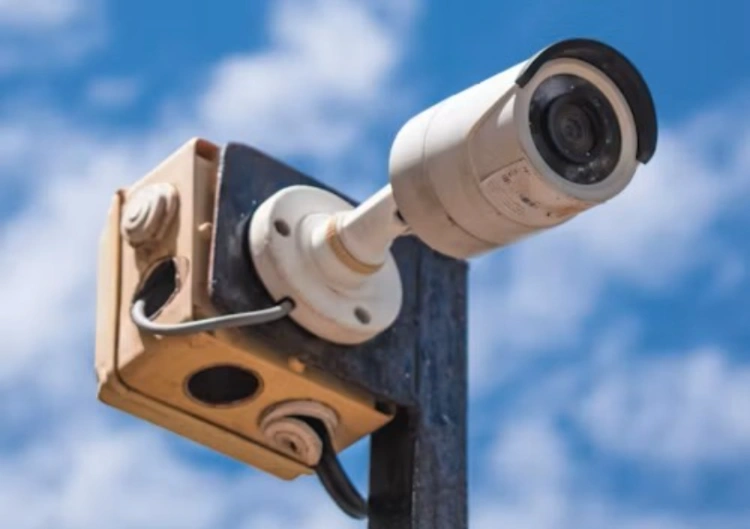
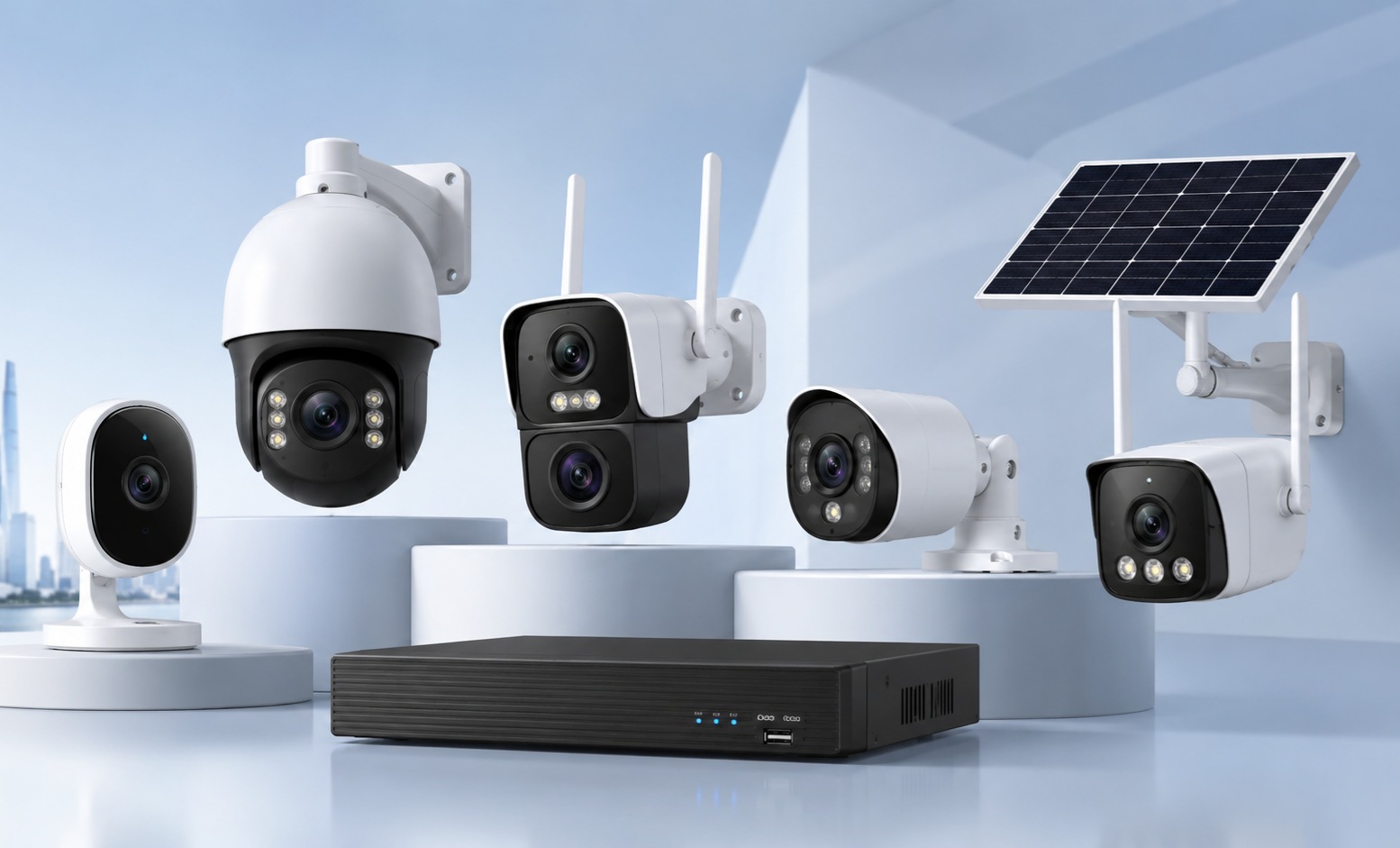
Security camera demand is no longer moving in one straight line. Buyers may ask for WiFi cameras, outdoor models, solar options, or complete monitoring packages. In 2026, a mixed security camera line is not about stocking every model available. It is about building clear layers, from entry-level channel products to outdoor project models and complete system solutions.
Why Do Global Security Camera Demands Differ in 2026?
Security camera demand changes with local infrastructure. In apartment-heavy markets, indoor WiFi cameras and app-based models sell well because installation is simple. In outdoor trade channels, buyers often ask for stronger housings, night vision, two-way audio, and alarm functions. In places where wiring is difficult, solar cameras or 4G-ready options become more useful.
Distributors, installers, project contractors, and brand owners do not buy in the same way. A distributor wants clear price levels and stable packaging. An installer cares about connection, storage, accessories, and fewer callbacks. A brand buyer looks at the logo, box design, app experience, and repeat-order consistency.
Many buyers start with one hot model. That can work for a short period. But once orders grow, questions appear. What about NVR storage? What about outdoor yards? What about no-power areas? What about dual-lens coverage or sound and light alarms?
The enhanced series should include basic models, mid-range smart cameras, outdoor models, solar options, and monitoring kits, providing sellers with more room to offer different prices for different customers.
What Product Categories Should a Mixed Security Camera Line Include?
IP cameras for regular indoor and outdoor demand
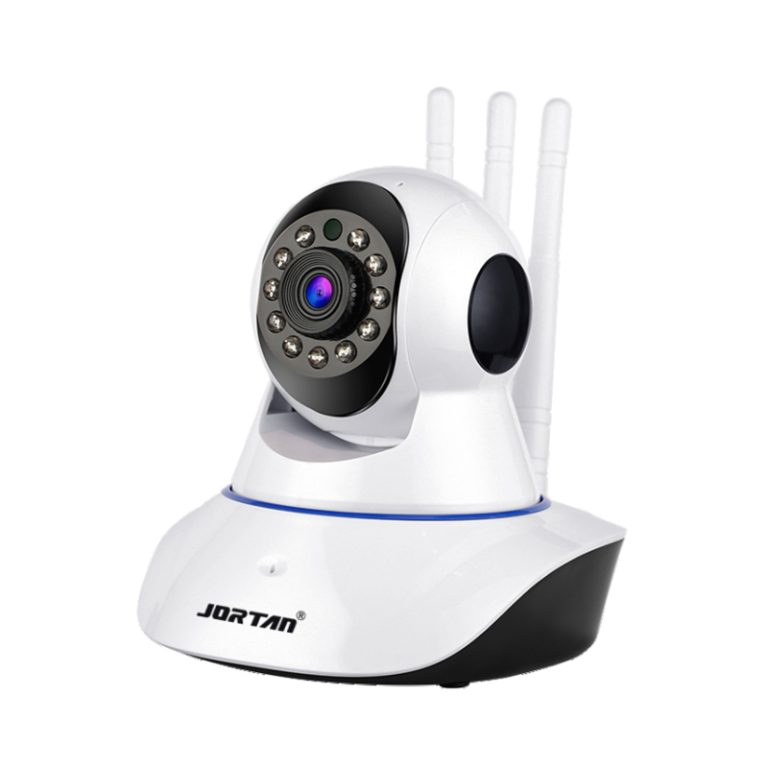
IP cameras are still the core category for many buyers. They fit homes, shops, small warehouses, offices, and general security projects. They can be sold through online stores, local dealers, installers, and small project channels.
Jortan offers IP Camera options for different app ecosystems and use cases, including ICSEE app and Yoosee app product groups. This helps buyers separate channel models from project models instead of mixing everything into one price sheet.
Smart app cameras for channel sales
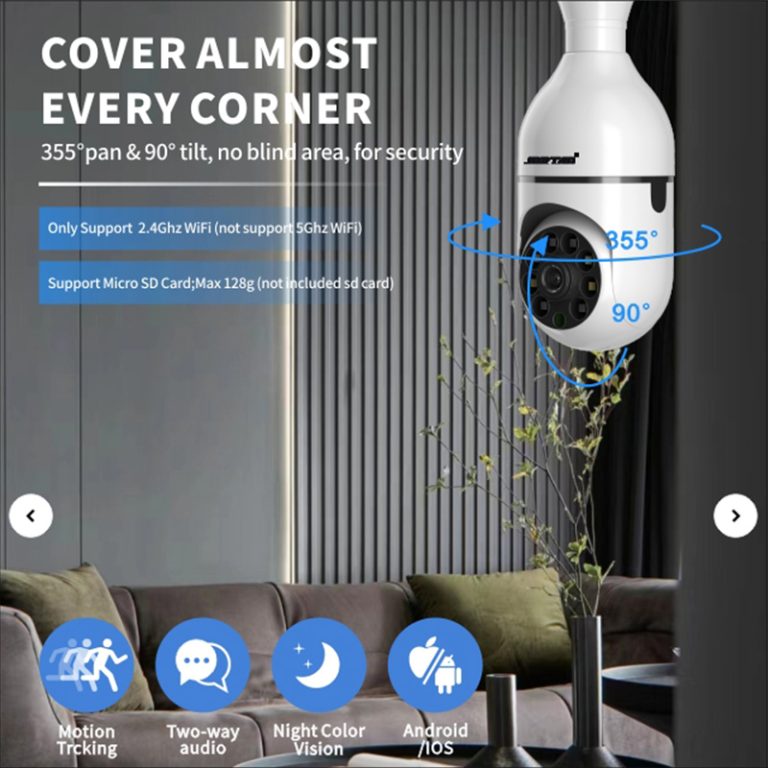
App-based cameras are easy for dealers to explain. Customers want remote viewing, playback, device sharing, two-way audio, and alarm messages. For export markets, app language, setup steps, and user guidance can affect after-sales work more than people expect.
Dual-lens cameras for wider scene coverage
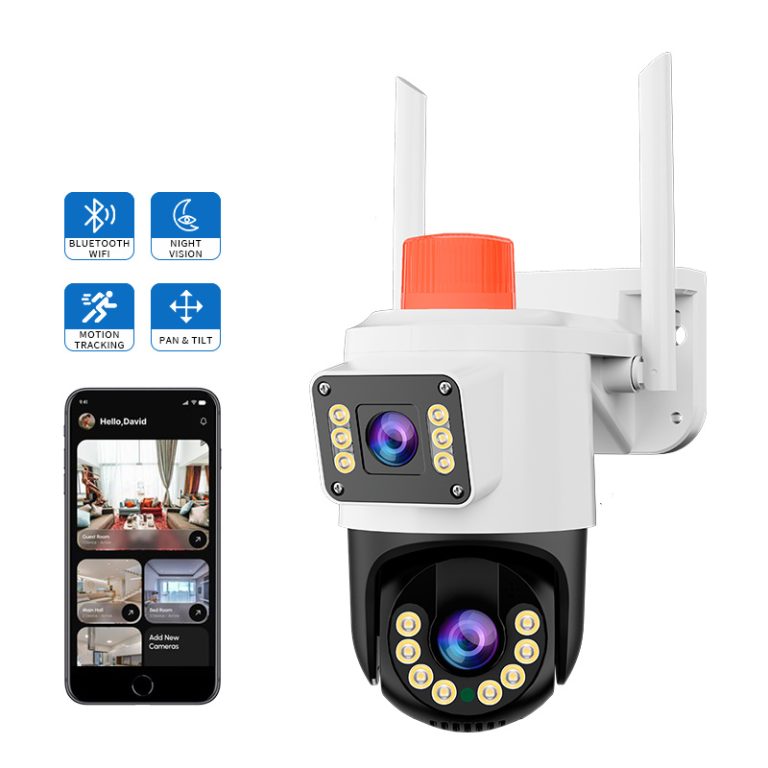
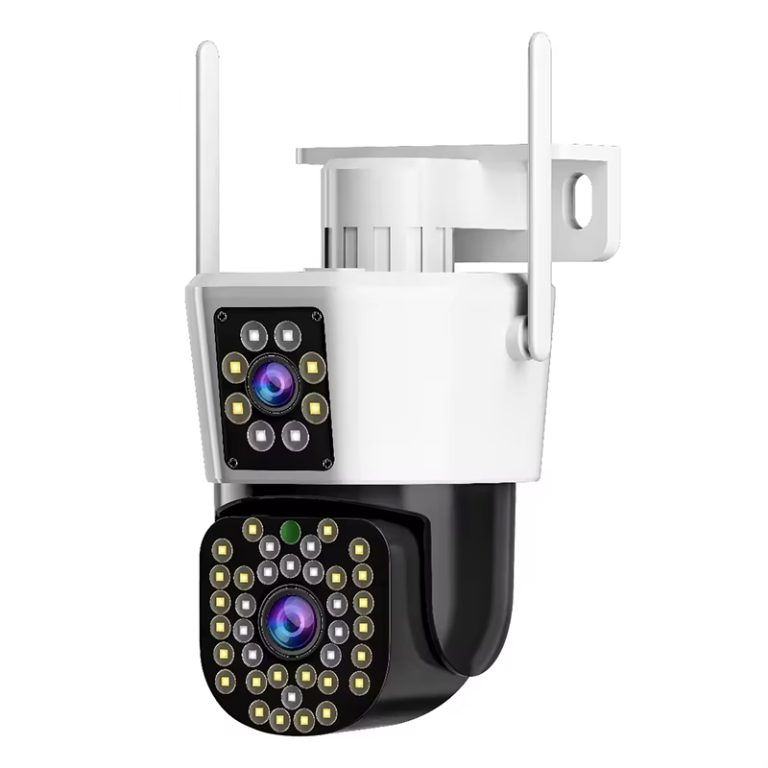
Dual-lens cameras are useful when buyers need a wider view and more detail from one device. In outdoor yards, gates, and parking areas, a dual-lens model can offer stronger product differentiation than a basic single-lens camera.
Jortan’s dual-lens cameras include ICSEE-based options with AI tracking or sound and light alarm functions, which can fit buyers who need a higher-value SKU for outdoor and semi-project use.
Solar cameras for hard-to-wire sites
Solar cameras support locations where power wiring is costly or inconvenient. Farms, outdoor storage areas, temporary sites, rural buildings, and open yards often need this type of solution. Buyers should check battery capacity, solar panel setup, storage method, network type, and standby performance before confirming quantity.
Monitoring packages for project buyers
Monitoring packages are still important. Some installers prefer a complete kit because it reduces matching work. DVR, NVR, cameras, cables, power, and storage plans can be handled together. Jortan also offers Monitoring Package, DVR, and NVR categories for buyers who need system solutions.
How Should Buyers Match Product Lines with Applications?
Retail and small commercial sites
For retail and small commercial use, keep the line simple. WiFi cameras, app-based models, two-way audio, motion detection, and clear packaging usually matter most. A good retail SKU should be easy to install and easy to explain.
Warehouses and logistics areas
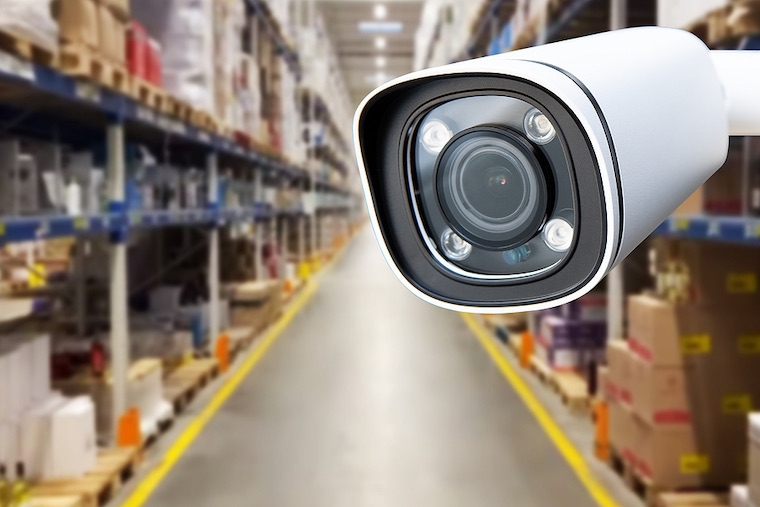
Warehouses need stronger planning. Buyers may need IP cameras, dual-lens cameras, NVR storage, night vision, human detection, and stable wired or WiFi connections. For wider gates or loading areas, a dual-lens or AI tracking model can be useful.
Outdoor yards and parking areas
Outdoor yards and parking areas need weatherproof design, night vision, wider coverage, and alarm functions. Color night vision, sound and light alarms, and AI tracking can help create a higher-value product level. Here, buyers should test the camera at real mounting distance.
Farms and remote project sites
Farms and remote sites often need solar cameras, 4G or WiFi options, local storage, and strong power planning. False alarms may come from animals, wind, rain, or moving plants, so human detection and alarm settings should be checked.
Brand and distributor channels
Brand buyers should build entry-level, mid-range, and project-level groups. Entry-level cameras help volume sales. Mid-range models bring better margins. Project-level products create room for installers and commercial clients.
What Features Help a Mixed Security Camera Line Sell Better?
Night vision options for different lighting needs
Night vision is one of the easiest features for customers to judge after installation. Infrared night vision, color night vision, dual-light warning, and starlight-style imaging all serve different needs. Buyers should match the night vision type with the site instead of choosing only the highest-looking specification.
AI detection and tracking for higher-value models
AI features help lift product value when they solve real problems. Human detection, auto tracking, sound detection, alarm light, and app push alerts can reduce useless event records and make outdoor projects easier to manage.
Storage flexibility for different markets
Storage habits differ by market. Some customers prefer TF card storage. Others need cloud storage. Installers may want NVR support. Project buyers may ask for ONVIF or platform compatibility. A mixed line should offer more than one storage route.
App and language support for export markets
App support affects setup, playback, sharing, alarm messages, and after-sales support. Buyers should confirm app language, pairing method, device sharing, firmware support, and user instructions before placing large orders.
How Can a Broad Supplier Range Support Bulk Buyers?
Easier model comparison under one supplier
Working with too many suppliers can create scattered packaging, different apps, mixed accessories, and uneven service. A supplier with IP cameras, app cameras, solar cameras, and monitoring packages lets buyers compare categories more efficiently.
Better consistency across product levels
A broad supplier can help keep packaging style, manuals, app guidance, and configuration planning more consistent. This helps distributors build a branded security camera line instead of selling random models.
More room for OEM and private label planning
OEM and private label buyers need logos, packaging, manuals, model grouping, market labeling, and stable repeat orders. A supplier with multiple camera categories gives them more room to build a complete line under one brand plan.
How Should Buyers Evaluate a Mixed Security Camera Supplier?
Product coverage and category depth
Buyers should check whether the supplier can support indoor, outdoor, WiFi, 4G, solar, dual-lens, and monitoring kit needs. The goal is not to buy every model. The goal is to cover the main market scenarios with a manageable structure.
Sample testing across different scenarios
Samples should be tested indoors, outdoors, at night, under weak signal, and with multiple devices. Test app setup, playback, alarm push, storage, and accessories.
Batch stability and configuration control
Before repeat orders, confirm chipset, lens, app version, storage method, housing, accessories, and packaging. Batch changes without notice can damage channel trust.
Delivery and after-sales support
Lead time, spare parts, installation documents, firmware help, warranty rules, and defect handling should be discussed before mass production. For global buyers, after-sales preparation is part of the product line.
Jortan is a practical option for buyers who want to manage several camera categories under one supplier. Its security camera range covers IP cameras, app-based models, monitoring packages, DVR/NVR products, solar cameras, and dual-lens ICSEE APP cameras, which gives distributors more room to build a balanced product line for indoor, outdoor, remote, and project-based demand.
FAQ
Q1: What should buyers consider first when building a mixed security camera line?
A1: Buyers should first define target market, sales channel, installation scenes, price levels, and after-sales capacity.
Q2: Which product parameters should be confirmed before bulk ordering?
A2: Confirm resolution, lens angle, night vision type, storage method, app name, WiFi or 4G option, waterproof level, AI features, power supply, accessories, packaging, and warranty terms.
Q3: What is the usual MOQ for a mixed security camera order?
A3: MOQ depends on model type and customization level. Standard models usually require a lower MOQ, while logo printing, private packaging, or special configurations may require a higher quantity.
Q4: Can a mixed security camera line be customized for a private label brand?
A4: Yes. Buyers can usually request a logo, color box, manual language, model grouping, labels, and selected app-related requirements.