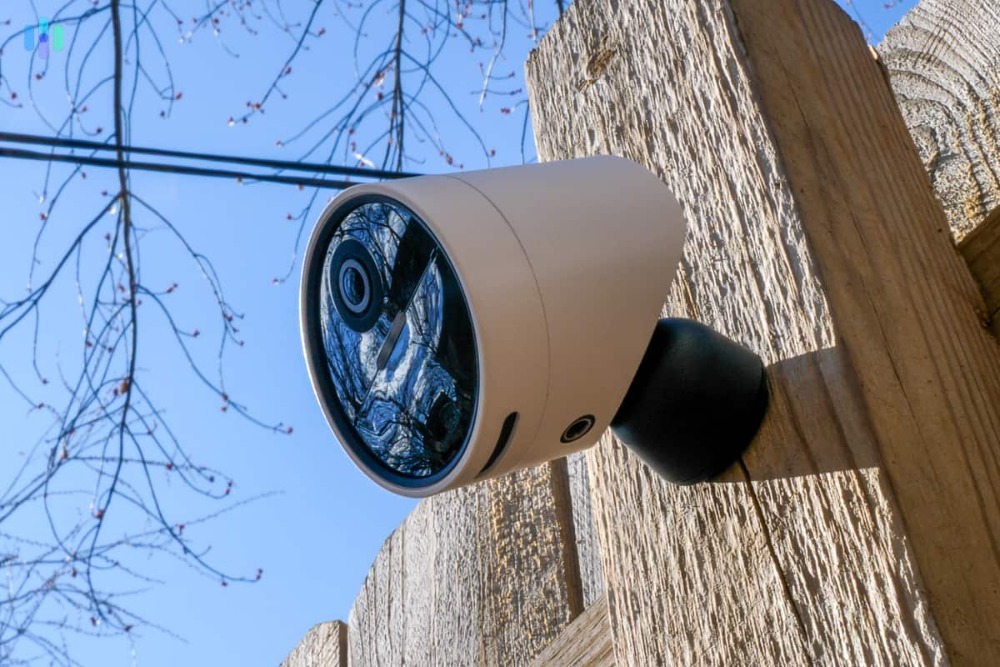
PoE IP cameras serve as a solid pick for outdoor security setups. They blend power and data via one cable alone. This setup eases installation and boosts link reliability. People often use them in homes, warehouses, office spaces, parking zones, and spots needing steady long-term watch. For lots of shoppers, the mix of sharp video, solid work, and simple system handling sets PoE cameras apart.
What Is a PoE IP Camera and How It Works
Power over Ethernet (PoE) IP cameras form a key part of today’s outdoor security setups thanks to their smart design and simple setup. PoE tech sends both power and data along one Ethernet cable. As a result, it skips the need for extra electrical lines. This blend cuts down on installation hassle while keeping steady links over far reaches.
These cameras can fit wired or wireless video sending, which helps in places like warehouses where gear lacks easy network ties to main sales spots. Another way involves cameras that back PoE. When the NVR handles this tech, it cuts cabling and power needs for the cameras a lot. This matters in spots facing customers. PoE IP cameras beat old analog systems that use coaxial cables and separate power. They give digital sharpness, remote viewing, and better growth within current network setups.
What Are the Advantages of PoE Technology for Outdoor Surveillance?
Systems based on PoE bring many practical perks that suit outdoor use well. Fewer wiring issues mean lower setup costs and fewer spots for breakdowns. Since data and power run on the same line, workers can place cameras in areas far from power sockets.
The wired link gives steady network flow with little disruption. This proves vital outdoors, where wireless signals can dip due to range or barriers. Plus, PoE supplies steady power even if the network glitches, which aids nonstop watching, which is key for tight security needs.
How Do PoE IP Cameras Compare with Wireless Outdoor Cameras
PoE IP cameras and wireless outdoor types both aim to watch outside areas, yet their core tech varies a great deal. Wired setups offer better steadiness because they dodge signal jams or distance limits. Wireless ones rely on Wi-Fi power and might face delays in weak signal zones.
Small wireless watches work in offices, factories, warehouses, and similar places. It uses fat and thin APs as the main access hub and ties into current wired networks for video flow. Still, this works best for small setups where adding wires feels tough.
Wireless battery-run choices feel handy but face power limits. Unlike old wired watching cameras, battery ones skip extra wiring or links to special screens for viewing footage. Even so, users need to handle battery charges or swaps often. PoE systems avoid this by pulling ongoing power from Ethernet lines.
How Does Performance Differ Between PoE and Wireless IP Camera Exterior Systems?
Key performance points like picture sharpness, data flow use, and delay lean toward PoE options in tough outdoor spots. Wired sending handles higher data rates without quality drops, so it keeps clear HD views even under big network strain.
Wireless setups often deal with risks like unwanted entry or signal blocks. Wired links hold tight security via physical cables and coding methods backed by NVRs. For big installs like parking areas or factory edges needing steady video, PoE beats any wireless IP camera exterior setup.
What Are the Core Benefits of Using PoE IP Cameras for Outdoor Security Systems?
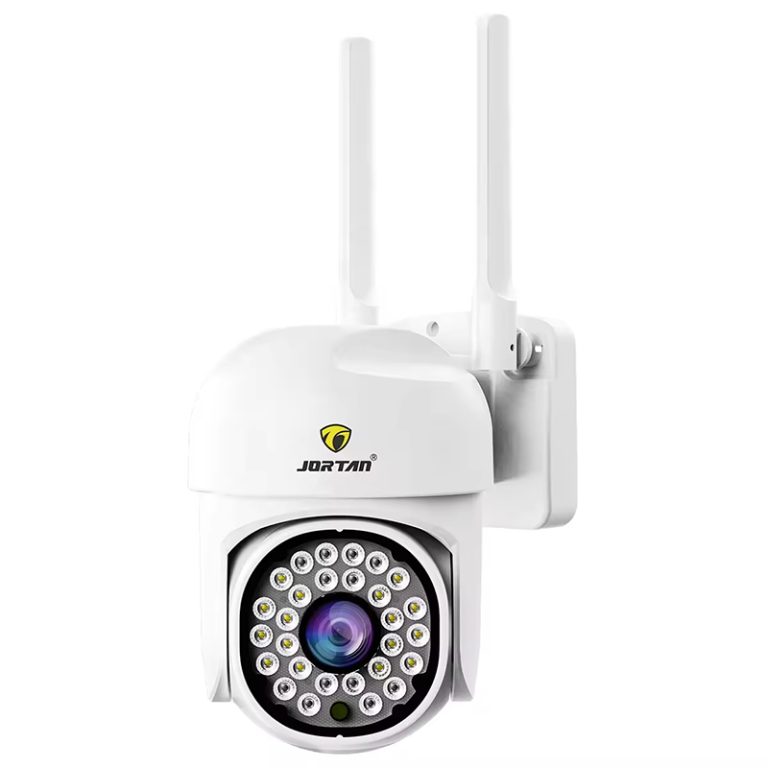
High-definition views now mark standard gear in modern watching tools. Jortan’s 4K PoE IP camera models provide top-notch sharpness fit for spotting items or people over broad zones. Product parameters (subject to actual order requirements): model: IPG-X2S-WR-BL system structure: dual-core 32-bit DSP (XM530V200) pure hard compression minimum illumination. Color: 0.01 lux @ (F1.2, AGC ON); 0 lux with IR. Black and white: 0.001 lux @ (F1.2, AGC ON). 0 lux with IR—these specs show strong low-light work aided by IR-cut filters.
PoE setups also grow with ease. Many cameras can link via one switch without single adapters. Ties with NVRs allow central control through easy software panels. Jortan’s flexible build lets smooth growth as security demands change, without big rewiring jobs.
How Durable Are PoE IP Cameras in Outdoor Environments
Outdoor toughness hinges on weather-proof levels like IP65, IP66, or IP67 ratings. These define guards against dust and water entry. Reliability: Full lightning guard, matching national and global rules; 7*24-hour 65°C high-temperature test runs steady and sure (including full device check)—this testing makes sure gear stays active in harsh heat or dampness.
Build materials add to lasting strength. Rust-proof metals stop corrosion, while sun-shield casings keep shape under light rays. Good cable seals block water from joints. This small step boosts work life outdoors.
What Smart Features Enhance Modern PoE IP Camera Systems
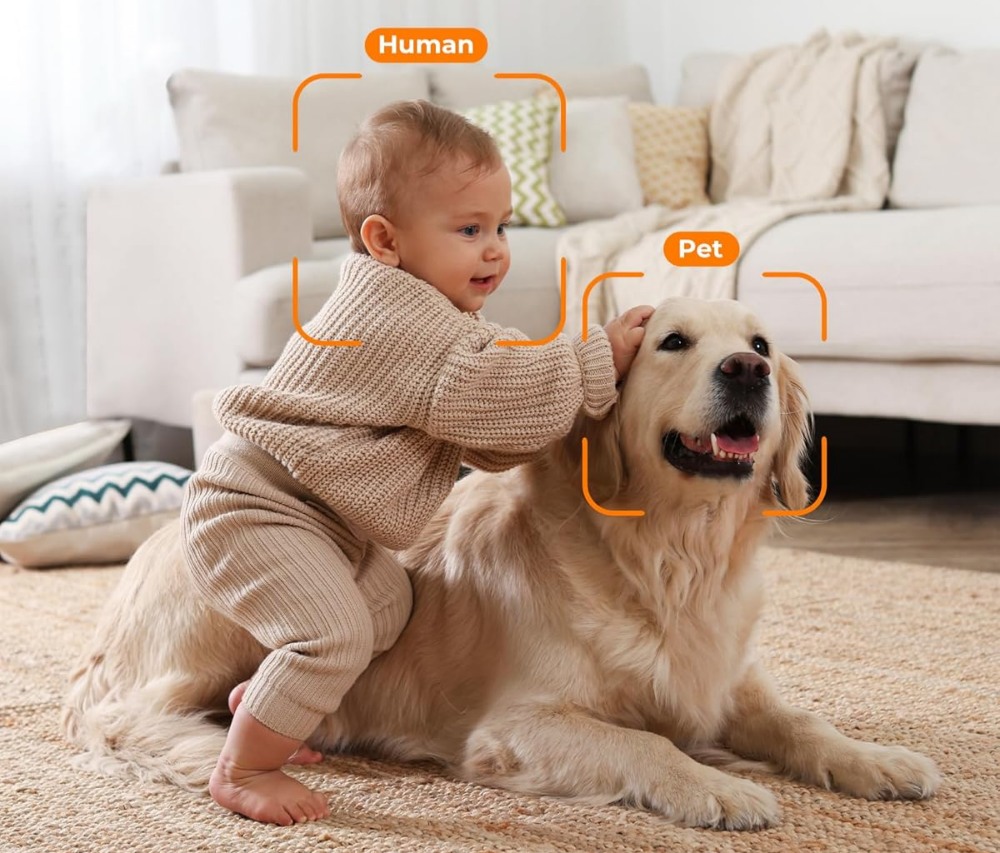
Artificial intelligence has changed motion spotting by telling real human moves from things like wind-swept leaves or showers. Intelligent alarm: Supports human-shape spotting and other custom smart tasks. Such AI tools cut wrong alerts and send instant notices via phone apps or linked panels.
Remote viewing lets users check live video safely from any spot using coded cloud ties. Cloud storage adds backup perks. It keeps footage reachable even if local gear breaks. This makes it a must for business-level outdoor watching systems.
How to Choose the Right Jortan PoE IP Camera for Your Outdoor Setup
Picking the right model relies on main points like resolution fit for area size, match with current network switches (PoE/PoE+), and cost balance against extra perks like AI spotting or sound add-ons.
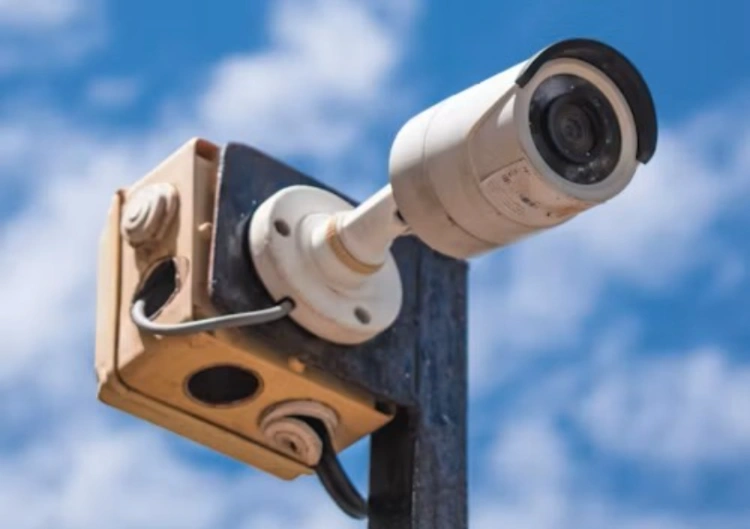
For home spots where looks count, small dome-style Jortan cameras give hidden but strong cover at doors or paths. For business areas needing wide sight, like warehouses or parking, bullet-style models offer far-reaching sharpness in varied light while holding firm weatherproof levels noted before.
What Role Will PoE IP Cameras Play in Future Security Trends
As smart home networks grow via IoT links, future PoE IP cameras will tie smoothly with light controls, alert systems, and entry platforms through open rules like ONVIF or RTSP. This tie-up boosts auto work across linked setups.
Power saving will shape new watching designs too. Better power spread over Ethernet uses less than old analog ways. This fits green aims pushed by makers like Jortan, who focus on earth-friendly builds in their line.
FAQ
Q1: Are PoE IP cameras difficult to install compared to wireless models?
A1: No. Since they use a single Ethernet cable for both power and data transmission, installation is straightforward without needing additional electrical outlets nearby.
Q2: Can I integrate my existing NVR system with new Jortan PoE cameras?
A2: Yes. Most Jortan models are designed for full compatibility with standard NVRs supporting ONVIF protocols for seamless integration.
Q3: Do PoE outdoor cameras work during extreme weather conditions?
A3: Absolutely. Models tested under high-temperature endurance up to 65°C with lightning protection meet international reliability standards suitable for continuous outdoor operation year-round.