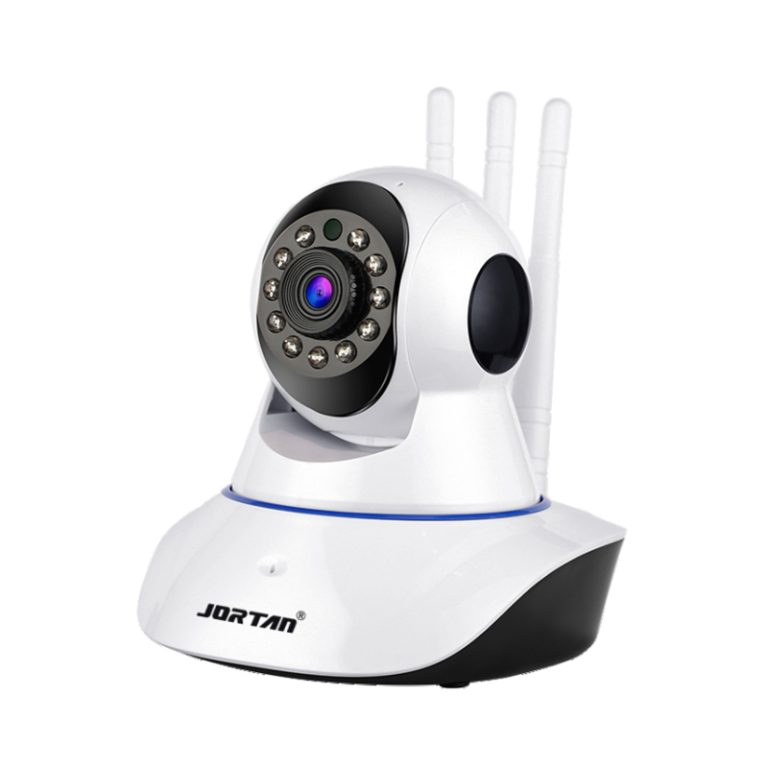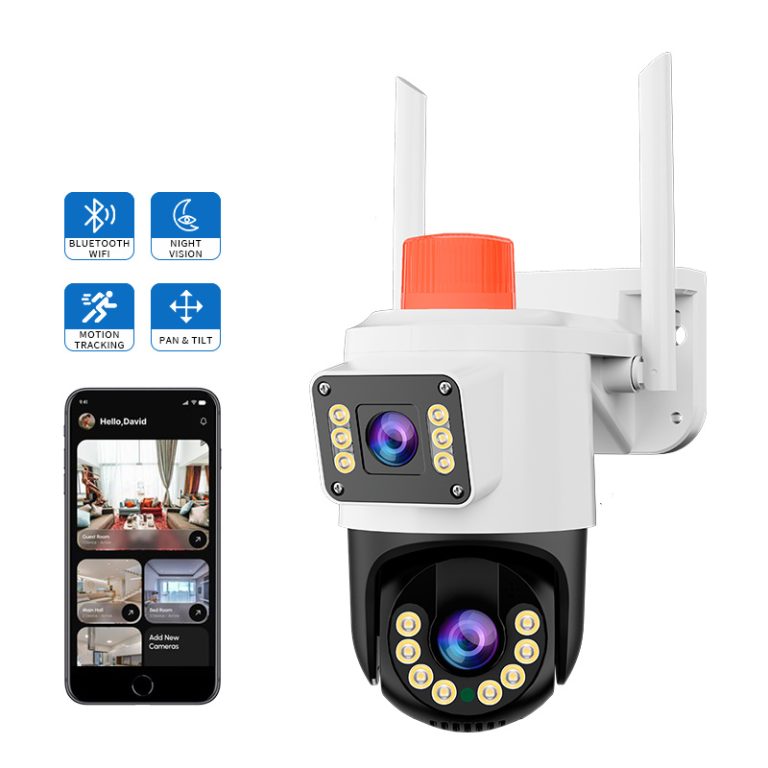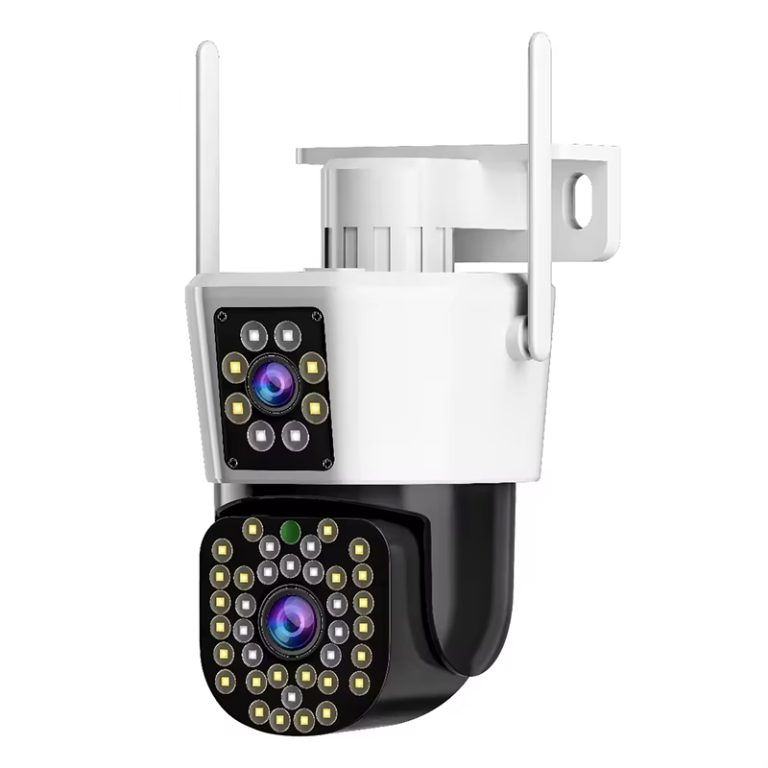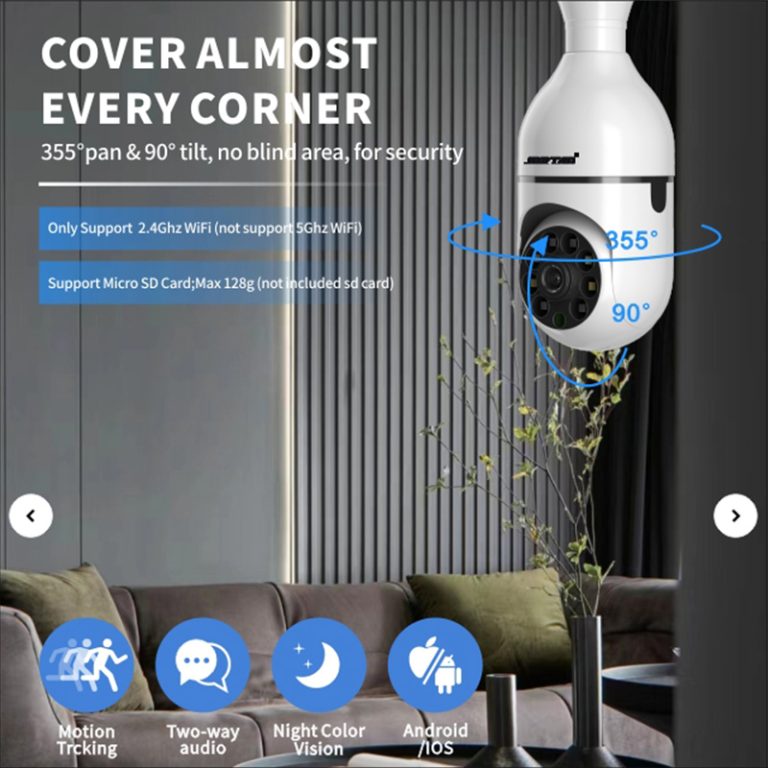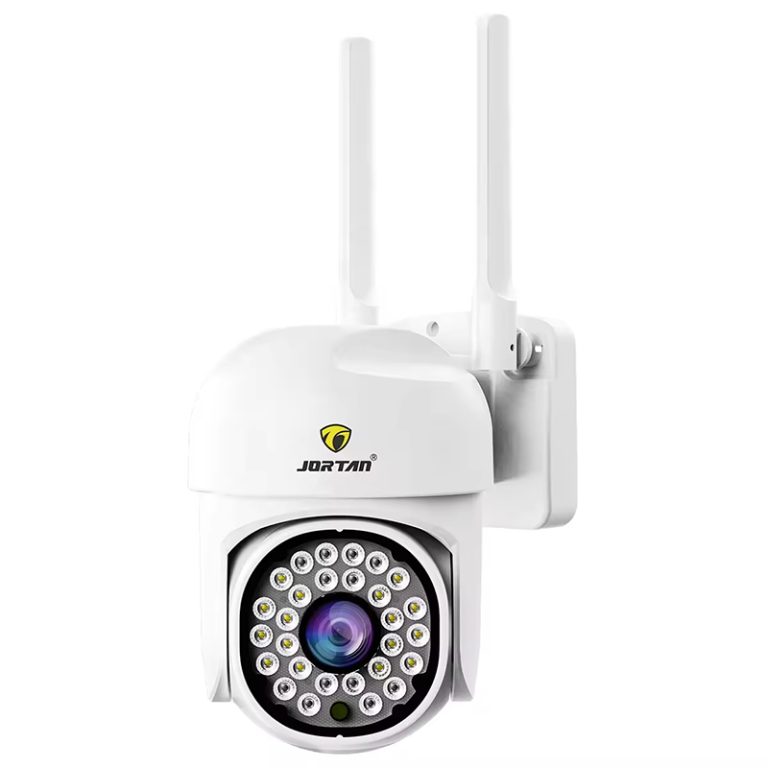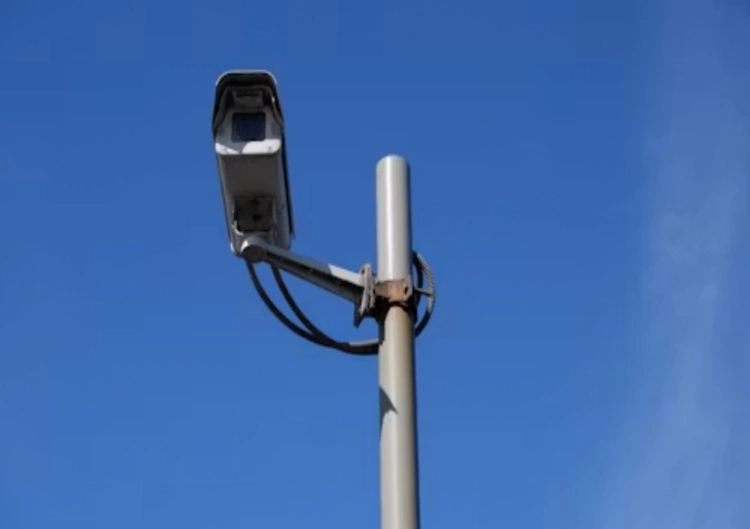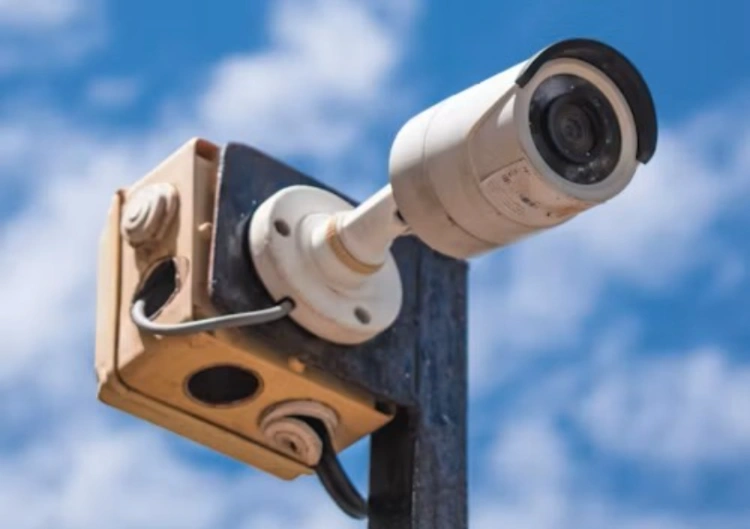
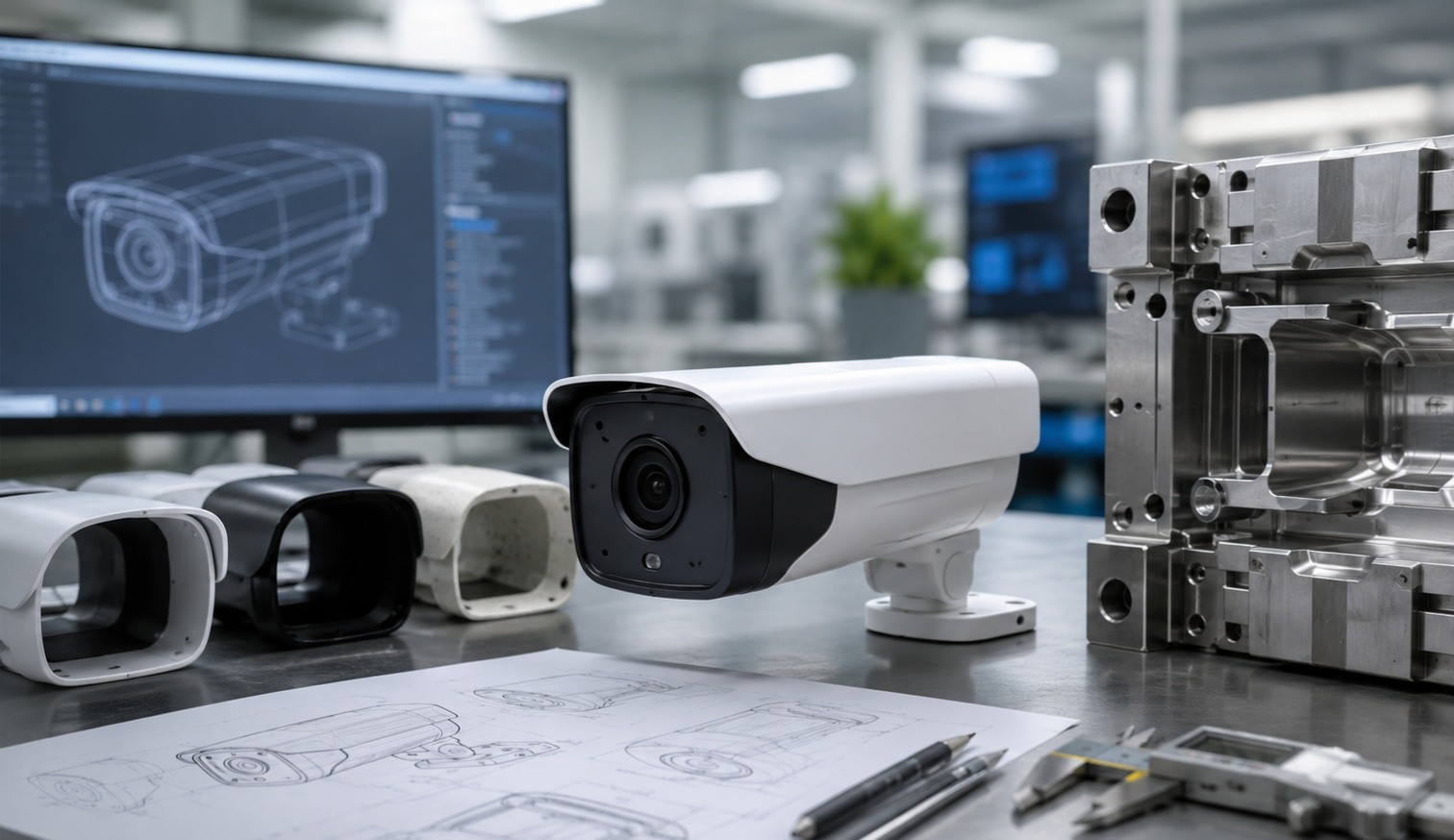
في سوق كاميرات المراقبة، تتشابه العديد من المنتجات في تصميم الهياكل، وتخطيط العدسات، والتطبيقات، ونقاط البيع. وهذا يُصعّب على الموزعين وأصحاب العلامات التجارية حماية هوامش الربح أو بناء خط إنتاج مميز. يتيح تطوير القوالب الخاصة للمشترين تجاوز مجرد طباعة الشعارات، وإنشاء كاميرا تتناسب بشكل أفضل مع سوقهم وقنوات التوزيع وخطة علامتهم التجارية طويلة الأجل.
لماذا يفكر مشترو الشركات في استخدام كاميرات مراقبة العفن الخاصة؟
قالب خاص يتعلق الأمر أساسًا بالتمييز والتحكم. قد يرغب مشتري العلامة التجارية في كاميرا لا تشبه تمامًا عشرة منتجات أخرى على نفس المنصة الإلكترونية. وقد يحتاج الموزع الإقليمي إلى طراز يصعب على المنافسين المحليين تقليده. وقد يحتاج مشتري المشروع إلى دعامة مختلفة، أو تصميم عدسة مختلف، أو موضع إضاءة مختلف، أو منفذ كابل مختلف، أو هيكل مختلف للكاميرا، بما يتناسب مع بيئة تركيب محددة.
لا يعني هذا أن على كل مشترٍ فتح قالب. إذا كانت الطلبية مجرد شحنة تجريبية صغيرة، فقد يكون التصنيع الأصلي القياسي كافيًا. طباعة الشعار، وعلبة ملونة، ودليل استخدام باللغة المحلية، كلها كافية لدعم العديد من قنوات البيع.
تُصبح القوالب الخاصة أكثر جدوى عندما يمتلك المشتري خطة مبيعات واضحة، وطلبات متكررة، وحاجة لحماية القيمة السوقية. لا يقتصر الأمر على جعل الكاميرا تبدو مختلفة فحسب، بل يتعلق بتقليل مقارنة الأسعار المباشرة، وتعزيز الوعي بالعلامة التجارية، وبناء منتج يناسب سوق المشتري نفسه.
ماذا يعني مصطلح "القالب الخاص" في تخصيص كاميرات المراقبة؟
تتجاوز خدمات القوالب الخاصة مجرد طباعة الشعار. فالشعار والتغليف من الأعمال الأساسية للمصنعين الأصليين. أما القوالب الخاصة فتشمل مظهر المنتج وهيكله. وقد تتضمن شكل جسم الكاميرا، وتصميم الحامل، وموضع العدسة، وتوزيع الإضاءة، وموضع الهوائي، وموقع المنافذ، وأحيانًا طريقة تركيب الأجزاء الداخلية داخل الهيكل.
ل كاميرات المراقبةهذا الأمر مهم لأن الغلاف الخارجي لا ينفصل عن الأداء. فتغيير الغلاف قد يؤثر على تبديد الحرارة، ومقاومة الماء، وموضع السماعات، وزاوية ضوء الأشعة تحت الحمراء، وانعكاس الضوء الأبيض، وحماية الكابلات، وعملية التجميع. لذا، لا ينبغي للمشترين اعتبار فتح القالب مسألة تصميمية فقط.
الأردن يدعم هذا النظام تخصيص مظهر المنتج، وفتح القوالب، وتخصيص التطبيق، وتخصيص الشعار، وتخصيص التغليف. بالنسبة لمشتري العلامات التجارية الخاصة، يشمل هذا النظام تخصيص المظهر الخارجي وتغليف المنتج الموجه للمستخدم.
ما الذي يجب على المشترين التأكد منه قبل فتح قالب خاص؟
أول ما يجب التأكد منه هو نوع المنتج. هل هي كاميرا واي فاي، أم كاميرا تعمل بالطاقة الشمسية، أم كاميرا بعدستين، أم كاميرا PTZ، أم كاميرا داخلية، أم كاميرا خارجية، أم طقم مراقبة؟ لكل نوع بنية مختلفة. تحتاج الكاميرا التي تعمل بالطاقة الشمسية إلى مساحة لتخطيط البطارية وتوصيل الألواح الشمسية. تحتاج الكاميرا ذات العدستين إلى تصميم عدسة مناسب. يحتاج طراز PTZ إلى محرك حركة وقاعدة تثبيت متينة. أما الطرازات الخارجية، فتحتاج إلى بنية مقاومة للماء منذ البداية.
بعد ذلك، ينبغي على المشترين التأكد من تفاصيل المظهر. يجب مناقشة الحجم والشكل واللون والدعامة وموضع العدسة وموضع الضوء الأبيض وموضع ضوء الأشعة تحت الحمراء وتصميم الهوائي ومخرج الكابل وطريقة التركيب وموضع الأزرار قبل فتح القالب. قد تتحول التفاصيل الصغيرة إلى مشاكل كبيرة أثناء التركيب.
ينبغي تحديد المتطلبات الوظيفية في أقرب وقت ممكن. فالرؤية الليلية، والكشف بالذكاء الاصطناعي، والصوت ثنائي الاتجاه، وضوء الإنذار، والتخزين المحلي، والتطبيق، وشبكة الواي فاي، وشبكة الجيل الرابع، والطاقة الشمسية، ومكبر الصوت، والميكروفون، وتصميم البطارية، كلها عوامل تؤثر على التصميم الداخلي. وإذا قام المشترون بتغيير هذه العناصر بعد أن يكون التصميم قد تطور بشكل كبير، فقد تتغير التكلفة والوقت.
تُعدّ متطلبات السوق مهمة أيضاً. يجب التخطيط للتغليف، ولغة دليل المستخدم، والملصقات، والباركود، ومتطلبات الشهادات، والملحقات، وعلامات الكرتون بالتزامن مع المنتج. حتى كاميرا القوالب الخاصة ذات المظهر الجذاب قد تُسبب مشاكل إذا لم يكن التغليف وإعدادات المستخدم مُهيأة للسوق المحلي.
كيف يمكن للمشترين التحكم في مخاطر تطور العفن في المنازل؟
ينبغي على المشترين طلب الرسومات، ومقترحات التصميم، وتخطيط الوظائف قبل فتح القالب. وإذا أمكن، مراجعة الملفات ثلاثية الأبعاد، ومظهر العينة، وموضع الملحقات، وطريقة التركيب مع فريق المبيعات والهندسة.
يجب توضيح تكلفة القالب، ووقت إعداد العينات، وعدد جولات التعديل، والحد الأدنى للطلب، ومدة الإنتاج بشكل واضح. بعض المشترين يسألون فقط عن سعر الوحدة، ثم يتفاجأون بتكاليف القالب أو وقت المراجعة. هذه ليست طريقة جيدة لبدء مشروع كاميرا مراقبة مخصصة.
يجب اختبار العينات كما تُختبر المنتجات الحقيقية. تحقق من الصورة، والرؤية الليلية، وإعدادات التطبيق، ومكبر الصوت، والميكروفون، وضوء الإنذار، ومقاومة الماء، ومصدر الطاقة، وسلوك الحرارة، والتخزين، والتغليف، وملحقات التركيب. لا توافق على قالب خاص لمجرد أن غلافه الخارجي يبدو جيدًا.
يُعدّ استقرار الطلبات المتكررة نقطة أخرى مهمة. ينبغي على المشترين التأكد من إمكانية الاحتفاظ بنفس الشريحة والعدسة واللوحة ومادة الهيكل وإصدار التطبيق وبنية الإضاءة والتغليف في الطلبات اللاحقة. لا يُعتبر القالب الخاص ميزة للعلامة التجارية إلا إذا حافظ المنتج على اتساقه.
لماذا يُعدّ الإنتاج الكامل للعملية أمرًا مهمًا لطلبات القوالب الخاصة؟
تحتاج كاميرات المراقبة الخاصة بالقوالب إلى أكثر من مجرد دعم التصميم. يجب على المورد ربط عملية فتح القالب، وتشكيل الحقن، ومعالجة المكونات، وتجميع الكاميرا، والاختبار، والتغليف، والشحن. إذا توزعت هذه الخطوات على جهات عديدة، يصبح التواصل بطيئًا ويصعب التحكم في اختلافات الدفعات.
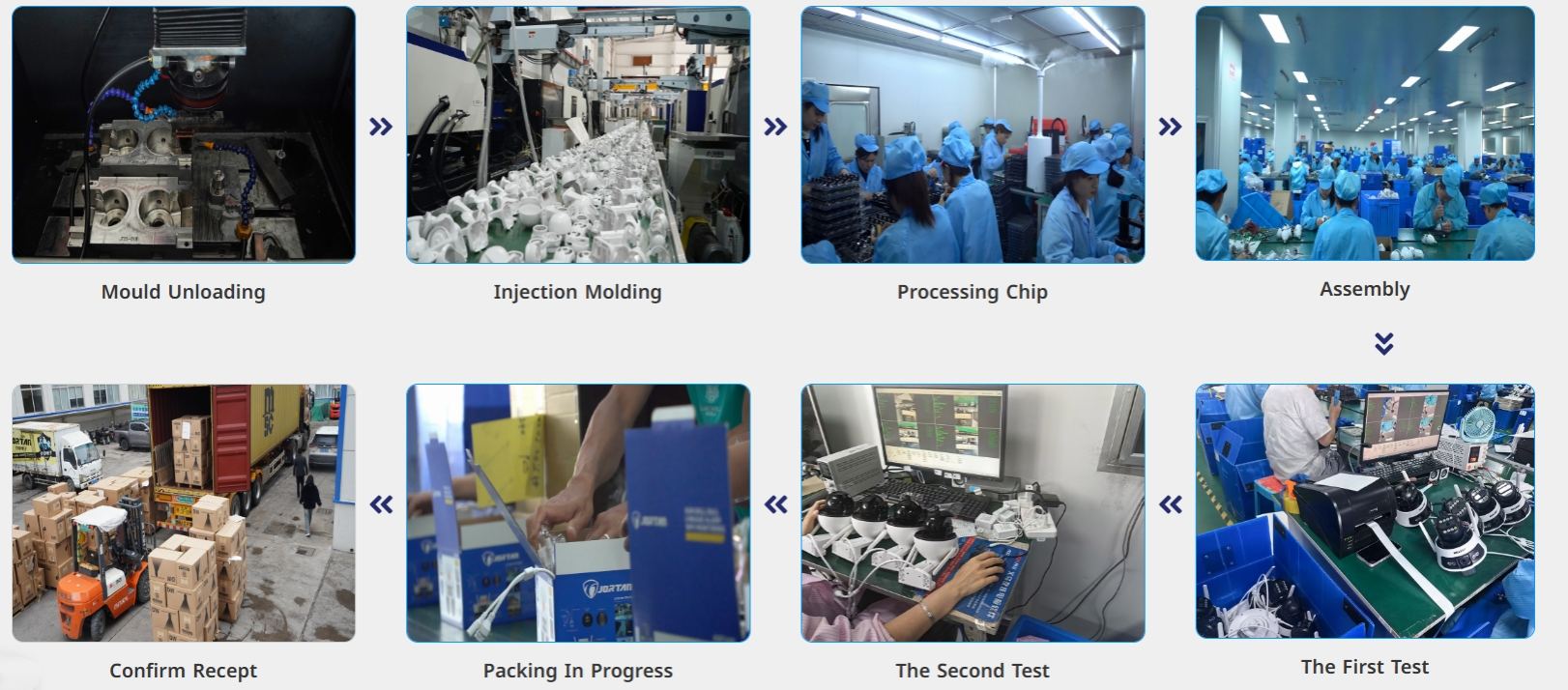
تشمل عملية الإنتاج الكاملة لدى جورتان عمليات التشكيل بالحقن، ومعالجة الرقائق، وتجميع الكاميرات، والتغليف، والنقل، بالإضافة إلى مراحل فحص متعددة. وهذا مفيد لطلبات القوالب الخاصة، لأن تطوير الهيكل والإنتاج الضخم يتطلبان توافقاً تاماً.
على سبيل المثال، يجب أن يتطابق تصميم الغلاف مع لوحة الكاميرا. ويجب أن يتوافق تصميم الإضاءة مع أداء الرؤية الليلية. ويجب أن يتطابق الحامل مع التركيب الفعلي. ويجب أن تتطابق العبوة مع الملحقات. ويجب أن يشمل الفحص أكثر من مجرد تشغيل الكاميرا. لا يُعتبر مشروع القالب الخاص منتهيًا إلا بعد أن يصبح المنتج قابلاً للتصنيع والتعبئة والشحن والتركيب وإعادة الطلب بنتائج مستقرة.
هنا تكمن ميزة شركة تصنيع كاميرات المراقبة المتكاملة مثل جورتان، حيث توفر الوقت للمشتري. إذ يقلّ الفارق الزمني بين مراحل التصميم، والعينة، والإنتاج، وفحص الجودة، والتسليم.
كيف ينبغي للمشترين تقييم مورد كاميرات مراقبة العفن الخاصة؟
ابدأ بخبرة حقيقية في تصنيع المعدات الأصلية/تصميمها. هل يستطيع المورد التعامل مع تخصيص المظهر، وتخصيص التطبيقات، وتخصيص التغليف، وفتح القوالب؟ هل يستطيع شرح الفرق بين طلب شعار بسيط ومشروع قالب خاص كامل؟
ثم انظر إلى التواصل الهندسي. يتطلب القالب الخاص رسومات، ومناقشة وظيفية، وتعديلًا هيكليًا، وملاحظات حول العينات. قد لا يكون المورد الذي يرسل صور المنتج وقوائم الأسعار فقط كافيًا لهذا النوع من الطلبات.
ينبغي أيضاً التحقق من عمليات الإنتاج والتفتيش. استفسر عن عمليات قولبة الحقن، وتجميع الكاميرات، وفحص المواد الخام، وأخذ عينات من المنتجات نصف المصنعة، وفحص المنتج النهائي، وفحص التغليف، وإعداد الشحن. تساعد هذه الخطوات في تقليل المخاطر عند انتقال الطلب من مرحلة العينة إلى الإنتاج بالجملة.
يُعدّ دعم ما بعد البيع جزءًا من الصفقة. يجب على المشترين التأكد من توفر قطع الغيار، ودعم البرامج الثابتة، وشروط الضمان، ومعالجة الأعطال، وإرشادات التطبيق، وإعدادات إعادة الطلب. بالنسبة لمشتري العلامات التجارية، فإنّ أقل سعر للقالب ليس دائمًا الخيار الأمثل. يحمل منتج القالب الخاص اسم العلامة التجارية للمشتري، لذا فإنّ استقرار المورّد أمر بالغ الأهمية.
التعليمات
س1: هل تخصيص القوالب الخاصة هو نفسه طباعة الشعار؟
ج1: لا. طباعة الشعار خدمة أساسية من خدمات تصنيع المعدات الأصلية. أما تخصيص القوالب الخاصة فيشمل مظهر المنتج، وهيكل الغلاف، وتصميم الحامل، وتوزيع العدسات، وموضع الإضاءة، وتخطيط التطبيقات، والتغليف، وتكوين النموذج. يجب على المشترين التأكد من النطاق الكامل قبل البدء.
س2: ما هي المعايير التي يجب على المشترين تأكيدها قبل طلب قالب خاص؟
A2: يجب على المشترين تأكيد نوع المنتج وحجمه ومادة الهيكل والعدسة وتصميم اللوحة والرؤية الليلية ووظيفة الذكاء الاصطناعي والصوت والتخزين والتطبيق وخيار WiFi أو 4G والهيكل المقاوم للماء ومصدر الطاقة والتغليف والحد الأدنى لكمية الطلب وتكلفة القالب ووقت العينة والضمان.
س3: هل يُعدّ برنامج Private Mold مناسبًا لطلبات تجريبية صغيرة؟
ج٣: عادةً لا. يُعدّ القالب الخاص خيارًا أفضل للمشترين ذوي خطط المبيعات الثابتة، أو الذين يحتاجون إلى علامة تجارية خاصة، أو الذين لديهم حماية لقنوات التوزيع الإقليمية. أما بالنسبة للتجارب الصغيرة، فقد تكون النماذج القياسية مع إمكانية تخصيص الشعار والعلبة والكتيب والملصقات أكثر عملية.
س4: كيف ينبغي التعامل مع تركيب وصيانة وخدمات ما بعد البيع لكاميرات المراقبة الأمنية الخاصة بالعفن؟
ج٤: يجب على المشترين اختبار طريقة التركيب، وقوة الدعامة، ومنفذ الكابل، والعزل المائي، وإعداد التطبيق، ودعم البرامج الثابتة، وقطع الغيار، واستبدال العيوب، وتناسق الطلبات المتكررة قبل بدء الإنتاج بكميات كبيرة. يجب توفير وثائق تركيب واضحة و قواعد ما بعد البيع يجب تجهيزها قبل الشحن.