A PTZ camera can follow a person across an open yard during a demonstration and still miss the target at a real site. The route may pass behind a vehicle, the subject may become too small, a light may flare into the lens, or the camera may start from the wrong preset. Auto-tracking is a chain of detection, decision, movement, zoom, and recovery. A failure in any link looks like a missed target.
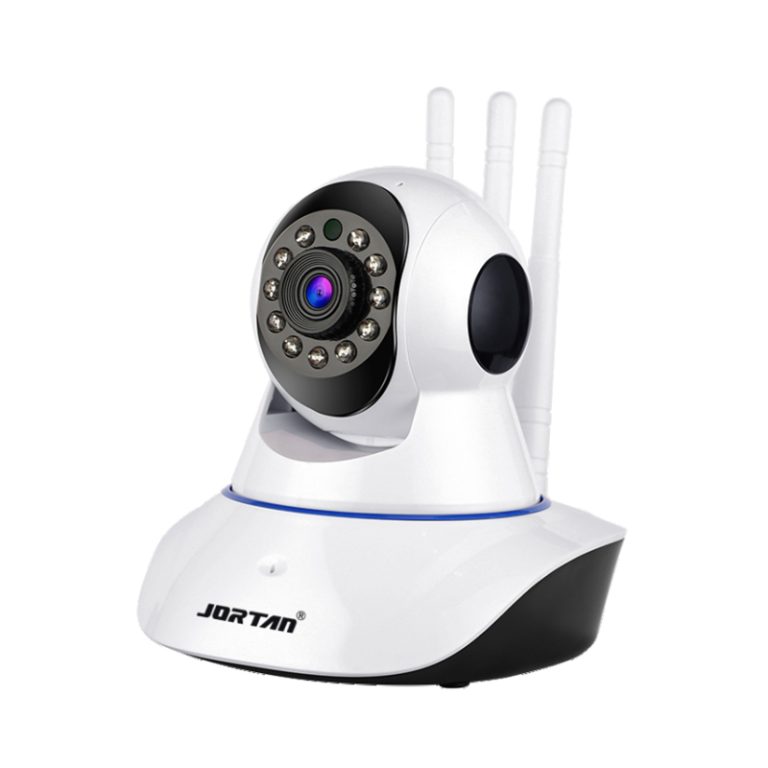
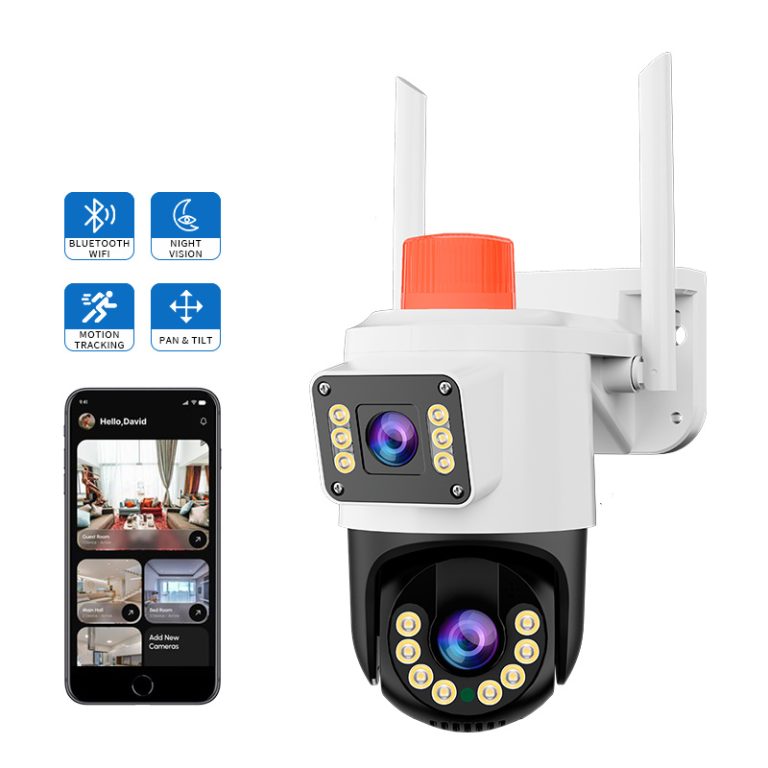
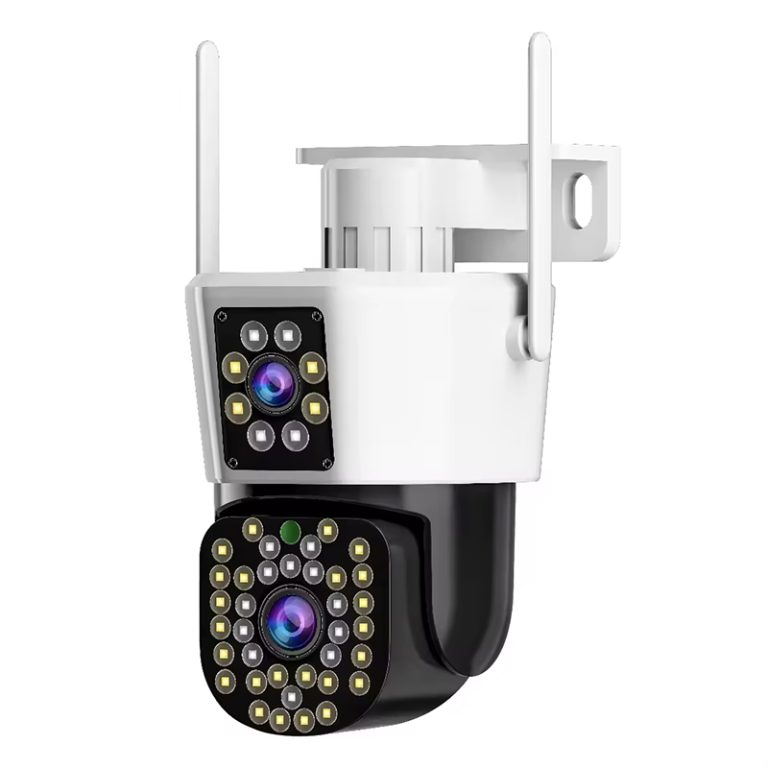
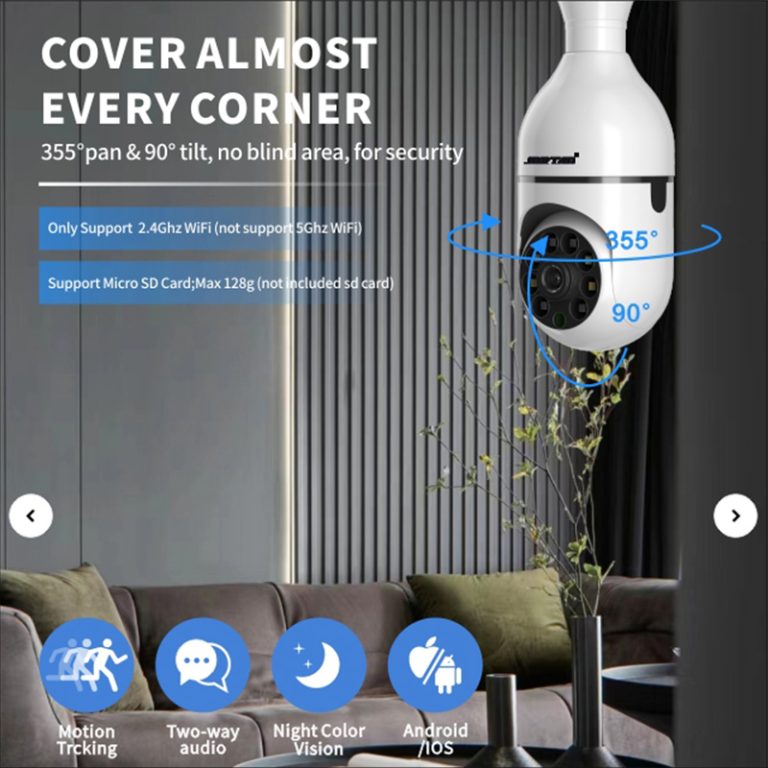
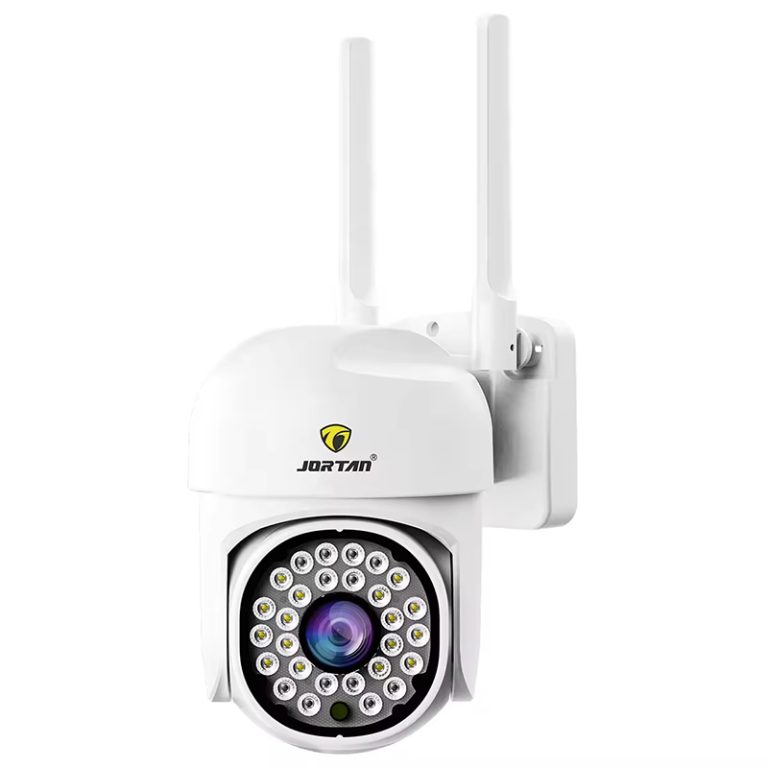
PTZ cameras are devices that combine a camera, a pan and tilt system, a zoom, and additional fill light in one housing. That capability expands coverage, but it also introduces movement, field-of-view, preset, and command-response variables that a fixed camera does not have.
Start With تhe Target أnd تhe Scene
Before changing sensitivity, describe the target. Is it a person, vehicle, forklift, or another moving object? How large is it at the point where tracking must begin? From which direction does it enter? Which objects can hide it? A PTZ camera cannot recover information that was never resolved in the image, so target size and starting view belong in the test plan.
Check Obstruction أnd Target Scale
Walk the actual route at different speeds and from both directions. Record when the target becomes visible, how long it remains visible, and whether a pole, sign, parked vehicle, tree, glare, or doorway interrupts the view. Repeat with a subject wearing different colors and carrying an object. The aim is to find the boundary, not to create a perfect demonstration.
نموذج مثل جيه تي-9687محترف PTZ آلة تصوير can be used for a controlled field trial, but its tracking result must be tied to the installed height, preset, lens position, light, and recorder or app workflow. A product label is not a site test.
Light أnd Image Quality Decide Whether Tracking Starts
Auto-tracking needs a usable image before it needs movement. Strong backlight, headlights, reflective surfaces, low illumination, rain, fog, and IR transitions can change the appearance of a target. A camera may detect movement but lack enough detail to keep the correct object after zooming or panning.
Test Day, Night, أnd Transition Hours
Run the same route during daylight, dusk, night, and the period when fill light changes. Record the target image, trigger time, first movement, zoom response, and whether the camera returns to the target after an obstruction. If the scene uses a large open area, include a fixed overview camera or a second evidence angle rather than expecting PTZ motion to provide every detail.
It distinguishes infrared, white-light, warm-light, and starlight-oriented fill-light approaches. That distinction affects the image used by an AI camera and should be included in the RFQ. Confirm the current illumination behavior for the جيه تي-9999محترف كاميرا خارجية or other selected model before approving a night tracking promise.
Presets, Limits, أnd Network Delay Change Behavior
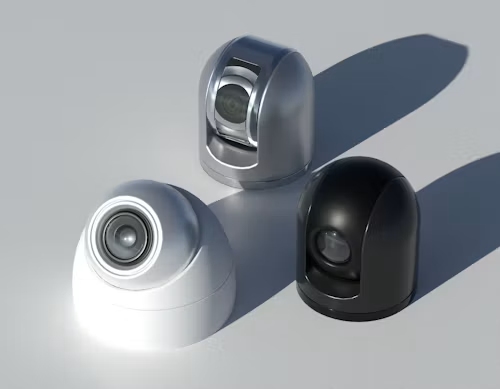
A PTZ system can miss a target because the starting preset is wrong, the patrol resumes at an unexpected point, or the camera reaches a pan or tilt limit. Network delay can also make the live view appear behind the physical scene. Record preset names, home position, patrol rules, zoom state, and command response before judging the algorithm.
يفحص تhe Movement Envelope
Test the full pan and tilt range, then mark areas that should be excluded because of a wall, roof, glare, or privacy requirement. Confirm that the preset places the target zone in a useful part of the image. Test whether auto-tracking overrides patrol behavior and how the camera behaves after the target is lost.
The recorder or client can add another delay. A camera may track locally while the remote preview looks late. Test tracking at the device, NVR, and approved client where the system supports each path. Keep firmware versions and configuration exports with the acceptance record.
يستخدم أ Real Tracking Acceptance Test
A useful test records target type, entry direction, distance, height, lighting, obstruction, starting preset, target time, tracking start, lost-target time, recovery action, clip quality, and final position. Repeat the same route at least across the conditions important to the project. Do not report a fixed recognition or tracking percentage without a verified test method and sample size.
Decide When أ Fixed Camera is تhe Better Partner
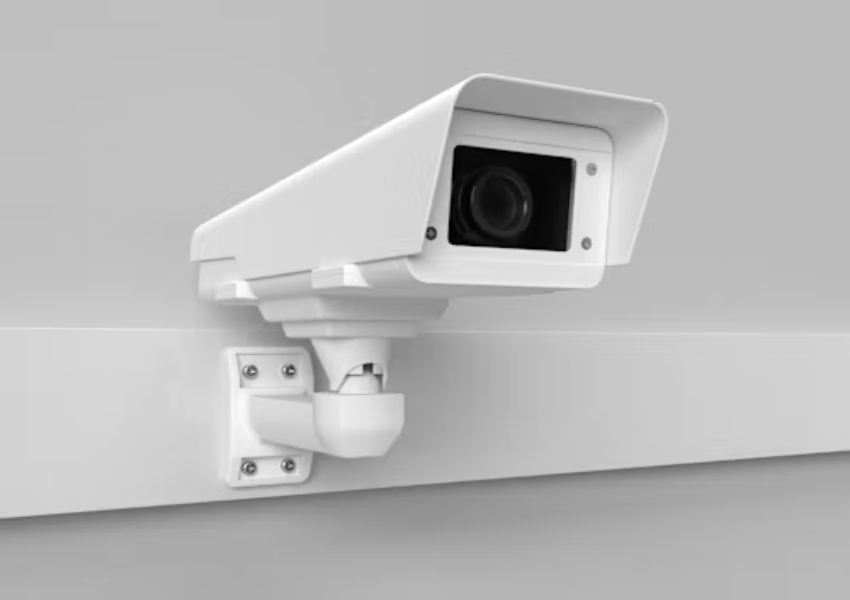
PTZ is valuable for active observation and wide-area movement, but a fixed camera can preserve a continuous view of an entrance while the PTZ follows a target. A second angle may be more reliable than asking one moving camera to cover overview, identification, and tracking at once. The PTZ كاميرات can support a solution review, while a tracking acceptance review should include the route, scene, and evidence standard.
The best project result may be a mixed design: fixed overview, PTZ response, local recording, and a clear operator rule for reacquisition. That is a design decision, not a failure of the PTZ. It turns a known tracking boundary into a manageable workflow.
خاتمة
PTZ auto-tracking misses targets when detection, image quality, movement limits, presets, network timing, or the target route exceeds the system boundary. Test the real path in day, night, and obstruction conditions, record the tracking sequence, and decide whether a fixed overview camera should share the task. Project evidence is more useful than a broad tracking claim. جفي المنتصف can frame the broader solution range.
التعليمات
Q1: Why can PTZ tracking work in a demo but fail on site?
A1: The site may have smaller targets, more obstruction, different light, incorrect presets, movement limits, network delay, or a more complex route than the demonstration.
Q2: Does better zoom guarantee better auto-tracking?
A2: No. Tracking also depends on target detection, light, image quality, movement limits, algorithm behavior, and the recovery rule after an obstruction.
Q3: Should a project use a fixed camera with a PTZ?
A3: Often it is useful. A fixed overview can preserve continuous context while the PTZ handles active movement, reducing the pressure on one moving camera to perform every task.