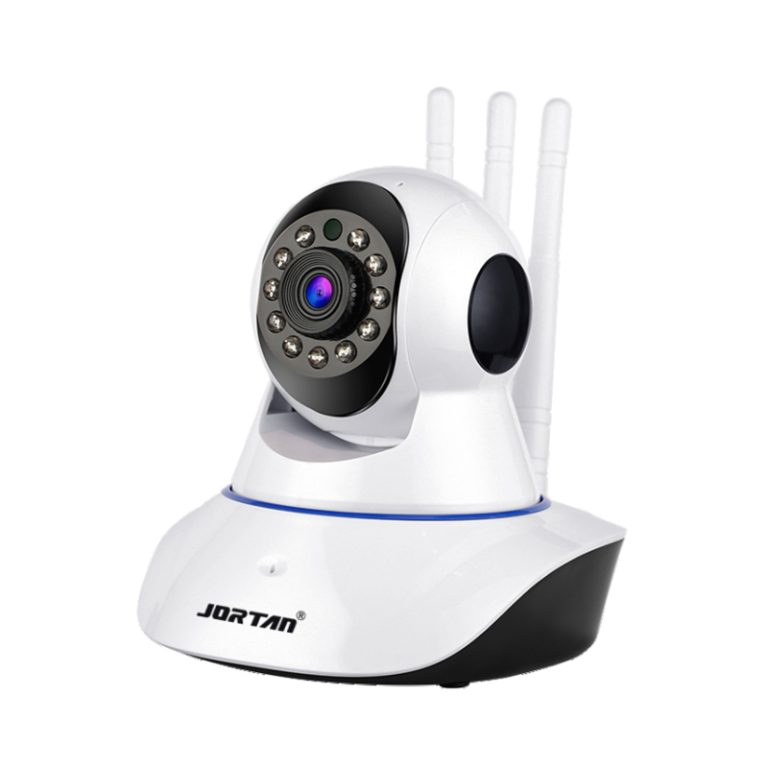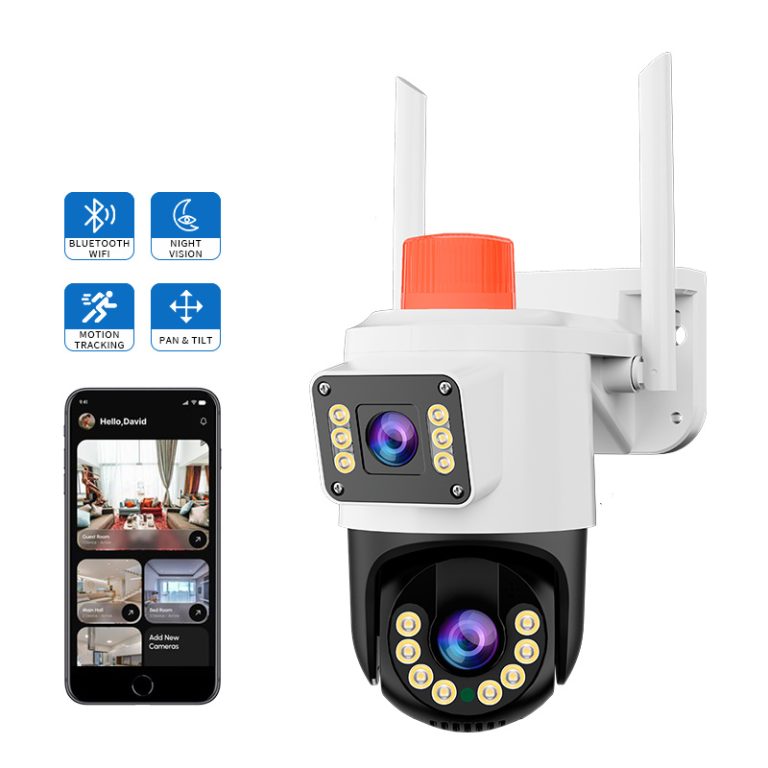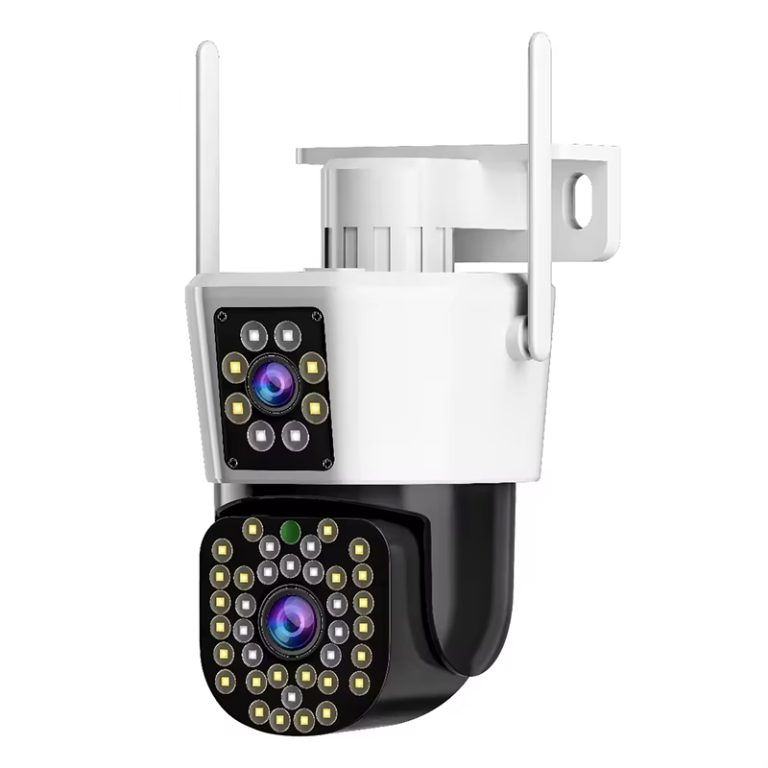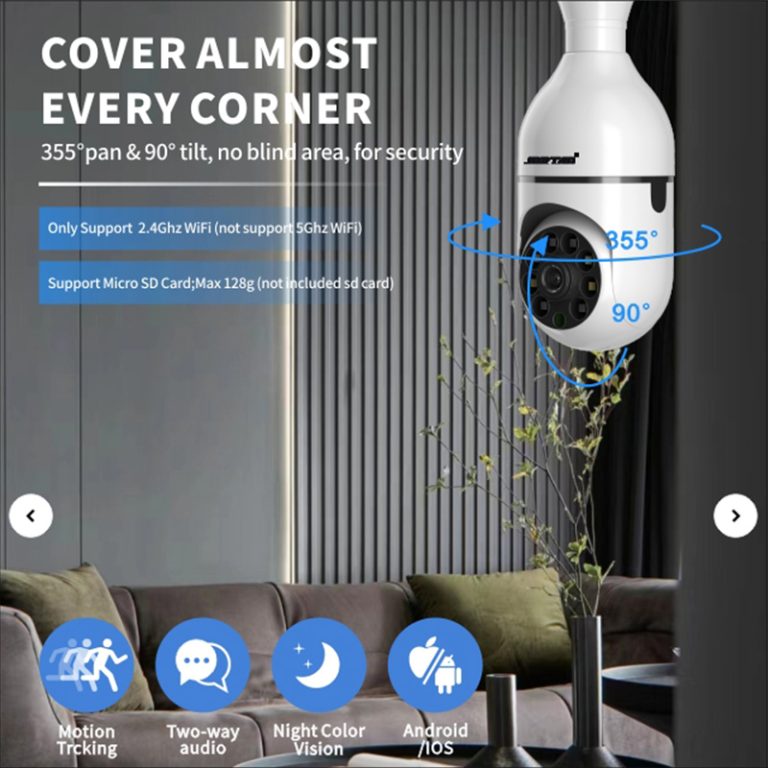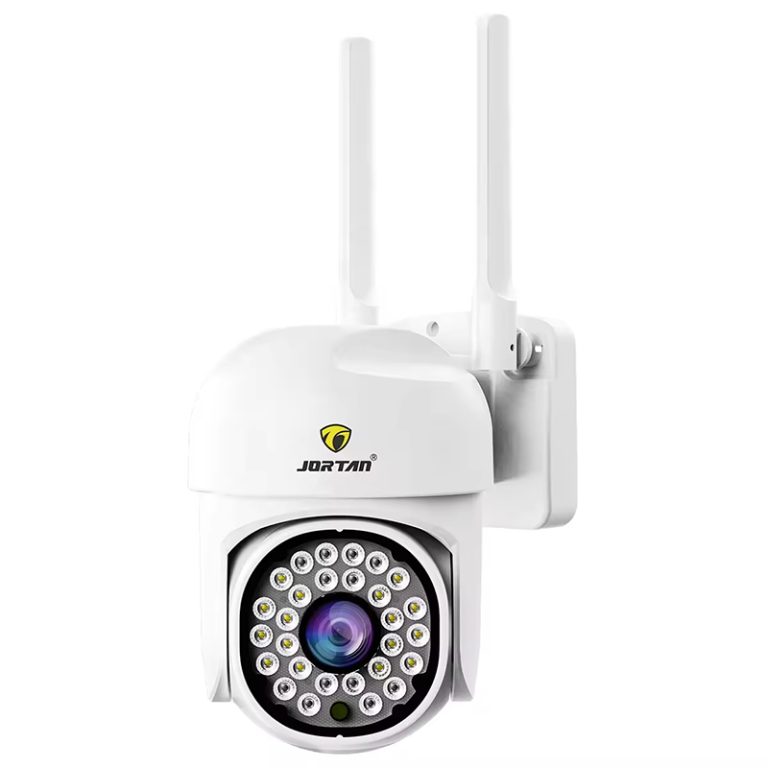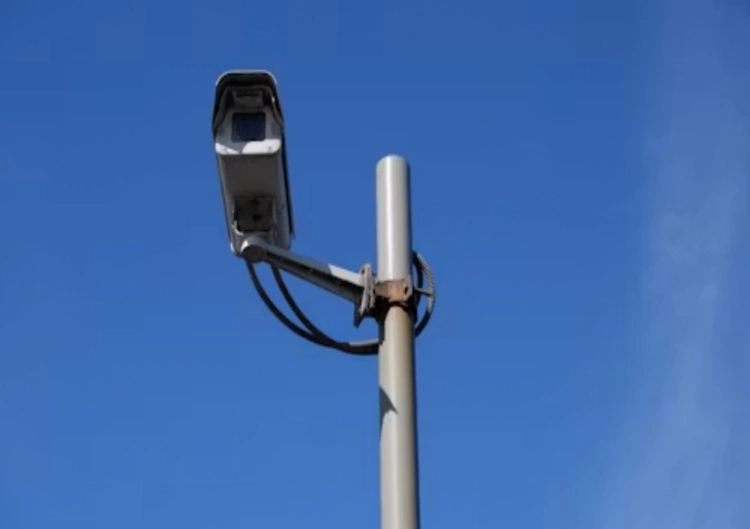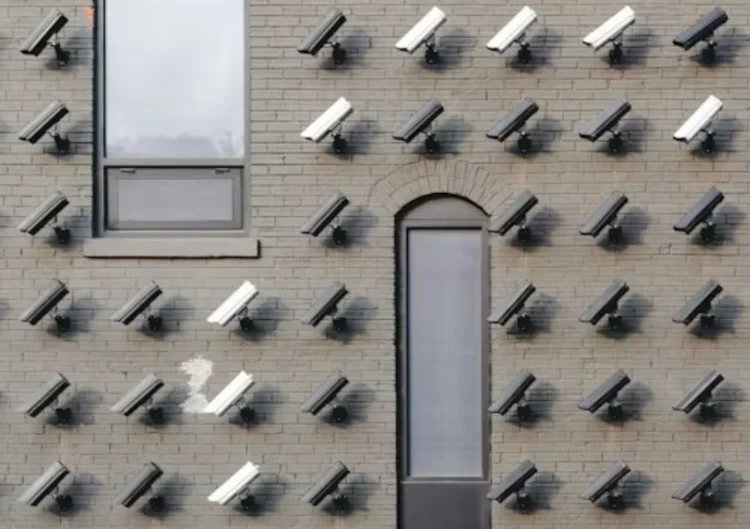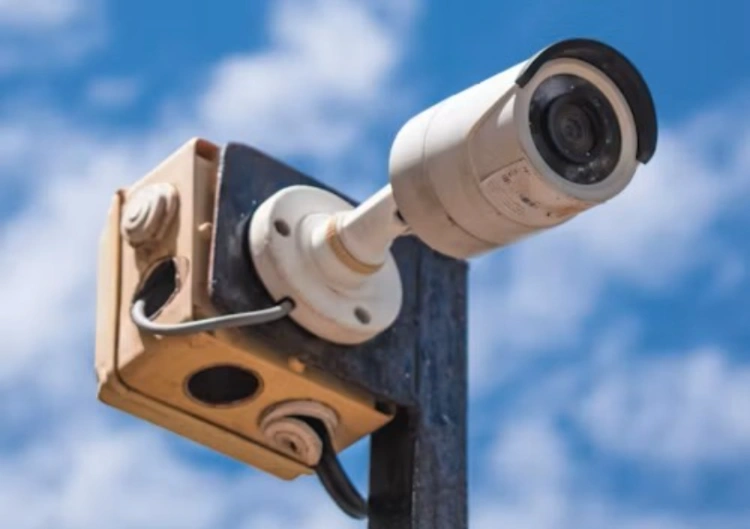
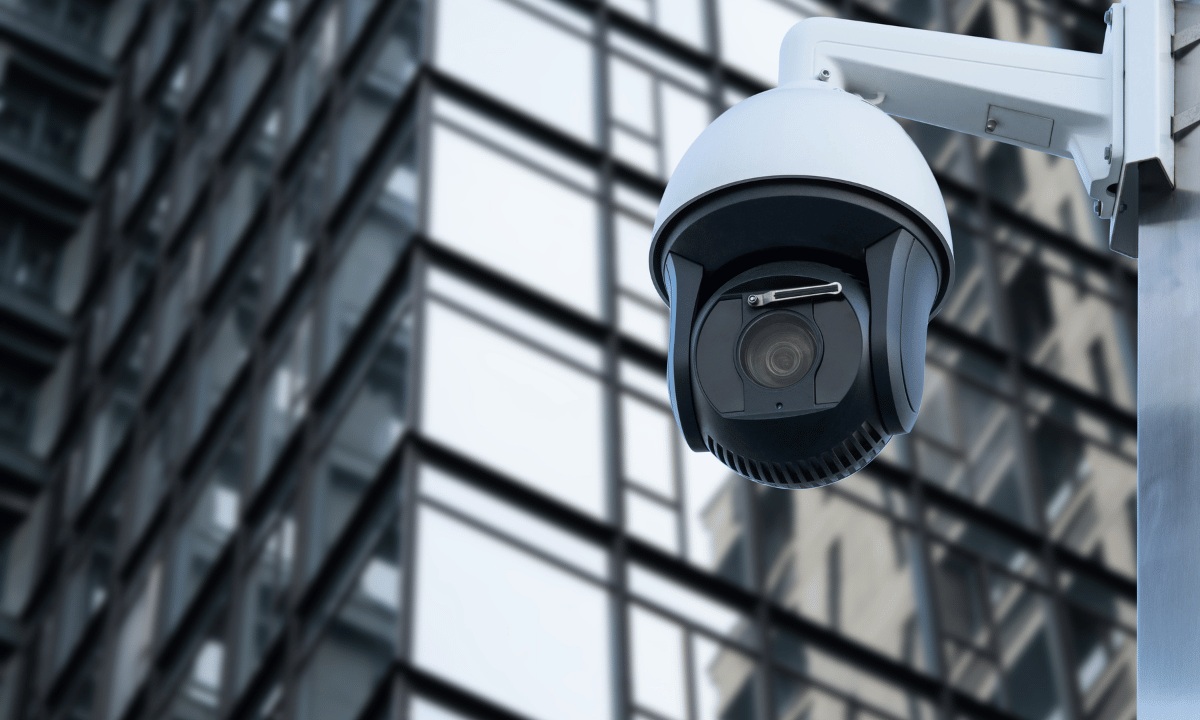
تتطلب أنظمة الأمن الخارجية بشكل متزايد تغطية مرنة، وتفاصيل عالية الجودة، ووظائف تحكم عن بعد. عند اختيار الأفضل كاميرا PTZ في عام 2026، لم يعد الأمر يقتصر على جودة الصورة فحسب. فمن خلال فهم آلية عمل كاميرات PTZ، يستطيع المستخدمون اختيار الطرازات التي توفر أعلى مستويات الأداء والوظائف العملية.
فهم كاميرات PTZ في عام 2026
يشهد سوق كاميرات PTZ تطوراً ملحوظاً في عام 2026 بفضل استخدام الذكاء الاصطناعي وإنترنت الأشياء والحوسبة السحابية. وقد أصبحت كاميرات PTZ عنصراً أساسياً في أنظمة المراقبة الاحترافية والصناعية.
تعريف ووظائف كاميرات PTZ الأساسية
في مجال المراقبة الأمنية، يُشير اختصار PTZ إلى "التحريك والإمالة والتكبير". وهذا يعني أن الكاميرا قادرة على التحرك أفقيًا، والإمالة رأسيًا، والتكبير على تفاصيل محددة. وعلى عكس الكاميرات الثابتة، تُغطي كاميرا PTZ مساحة أوسع بجهاز واحد، مع إمكانية تعديل زاوية الرؤية حسب الحاجة. وبفضل اتصالها بالشبكة، يُمكن للمستخدمين التحكم بالكاميرا عن بُعد عبر جهاز كمبيوتر أو هاتف محمول، مما يجعلها مناسبة للمساحات الخارجية، والمداخل، والساحات، وغيرها من المناطق التي تتطلب مراقبة مرنة.
تطور تقنية PTZ عبر الزمن
كانت النماذج الأولى من كاميرات PTZ ميكانيكية. يتم التحكم في رأس التحريك/الإمالة الكهربائي لكاميرا PTZ بواسطة مسجل فيديو أو لوحة مفاتيح لتحديد موضع منطقة المراقبة بدقة. تتميز منطقة المراقبة لرأس التحريك/الإمالة الكهربائي باتساعها وقابليتها للتغيير. تتميز أحدث طرازات كاميرات PTZ بسرعة استجابة فائقة، وأصبحت جزءًا من إنترنت الأشياء، ويمكن دمجها بسهولة مع منصات الحوسبة السحابية للمراقبة الآلية. وقد أصبح ذلك ممكنًا بفضل أحدث طرازات المحركات، وأحدث أجهزة الاستشعار، وأحدث خوارزميات الذكاء الاصطناعي.
الميزات الرئيسية التي تميز كاميرات PTZ الحديثة
توفر كاميرات PTZ الحديثة، المجهزة بتصوير عالي الدقة وميزات التشغيل الآلي الذكية، مجموعة من الوظائف المبتكرة لمحترفي الأمن والمشغلين الصناعيين.
إمكانيات تكبير/تصغير متقدمة
يُعدّ التكبير البصري مهمًا للحفاظ على جودة الصور من مسافة بعيدة. أما التكبير الرقمي فهو مكمّل له، ويدعم التحليل الدقيق عند حدود التكبير البصري. كما توجد أنظمة تكبير هجينة مستخدمة في أجهزة جورتان. JT-9999PROوالتي تتميز بالكفاءة من حيث التكلفة وتستخدم في مجموعة متنوعة من التطبيقات.
وظائف تتبع الحركة الذكية والتركيز التلقائي
ال مدعوم بالذكاء الاصطناعي تُمكّن وظيفة التتبع الكاميرات من تتبع الأجسام المتحركة داخل الغرفة تلقائيًا. ويُتيح التنبؤ بحركة الجسم تتبعًا مثاليًا حتى مع الصور المتأخرة. علاوة على ذلك، تم تحسين التركيز التلقائي المستمر للصور المباشرة، مما يسمح بالحصول على صور واضحة حتى مع تغير البعد البؤري باستمرار. تُستخدم هذه الصور المباشرة عادةً في المراقبة المباشرة، على سبيل المثال، في الملاعب الرياضية الكبيرة أو مناطق النقل العام.
تحسينات الرؤية الليلية والإضاءة المنخفضة
صُممت كاميرات PTZ الحديثة للحفاظ على وضوح الصور في ظروف الإضاءة المنخفضة. فبفضل الإضاءة البيضاء والأشعة تحت الحمراء، تستطيع الكاميرا التقاط صور عالية الدقة بالألوان الكاملة خلال النهار، والتحول إلى وضع الرؤية الليلية بعد حلول الظلام. كما تُسهم تقنية تقليل التشويش وتقنية النطاق الديناميكي الواسع (WDR) في تقليل الضبابية، وموازنة التباين العالي، والحفاظ على وضوح التفاصيل المهمة في المشاهد الخارجية المظلمة.
أنواع كاميرات PTZ المتوفرة في عام 2026
تتوفر كاميرات PTZ الآن بتكوينات متنوعة لتناسب أي عدد من التطبيقات. بدءًا من إمكانية تشغيلها على شبكة IP الخاصة بالمؤسسة وصولًا إلى إمكانية توصيلها بنظام تناظري قديم، يوجد طراز يلبي أي متطلبات.
كاميرات PTZ المتصلة بالشبكة
تستخدم النماذج القائمة على الشبكة اتصال بروتوكول الإنترنت (IP) لتمكين الوصول إليها عبر تطبيقات الويب أو تطبيقات الجوال. تتميز هذه النماذج بسهولة دمجها مع أجهزة تسجيل الفيديو الشبكية (NVR)، كما تتيح إدارة مركزية سهلة للفيديو. وهذا ما يجعلها الخيار الأمثل لأنظمة مراقبة الفيديو على مستوى المؤسسات، نظرًا لقابليتها للتوسع ومرونتها.
كاميرات PTZ التناظرية
لا تزال النسخ التناظرية تخدم البنية التحتية الحالية لأنظمة المراقبة التلفزيونية المغلقة بكفاءة. فهي موثوقة في الحالات التي قد لا يكون فيها التحديث الرقمي ممكناً، وغالباً ما تظهر في الأنظمة الهجينة التي تجمع بين التغذية التناظرية وحلول التسجيل القائمة على بروتوكول الإنترنت.
نماذج PTZ الخارجية مقابل الداخلية
صُممت النماذج الخارجية لتكون متينة. العديد منها IP66تتميز هذه الأجهزة بمقاومة للماء والغبار بمعيار IP67، مما يجعلها قادرة على تحمل العديد من الظروف الجوية القاسية. تُعد هذه الطرازات مثالية للاستخدام في الطرق أو الأماكن العامة التي تتطلب حماية مستمرة من العوامل الجوية. صُممت الطرازات الداخلية لتكون صغيرة الحجم وذات مظهر أنيق، مما يجعلها مناسبة للمكاتب أو المتاجر. وتتمتع بنفس أداء الطرازات الخارجية.
دمج الذكاء الاصطناعي والأتمتة في أنظمة PTZ
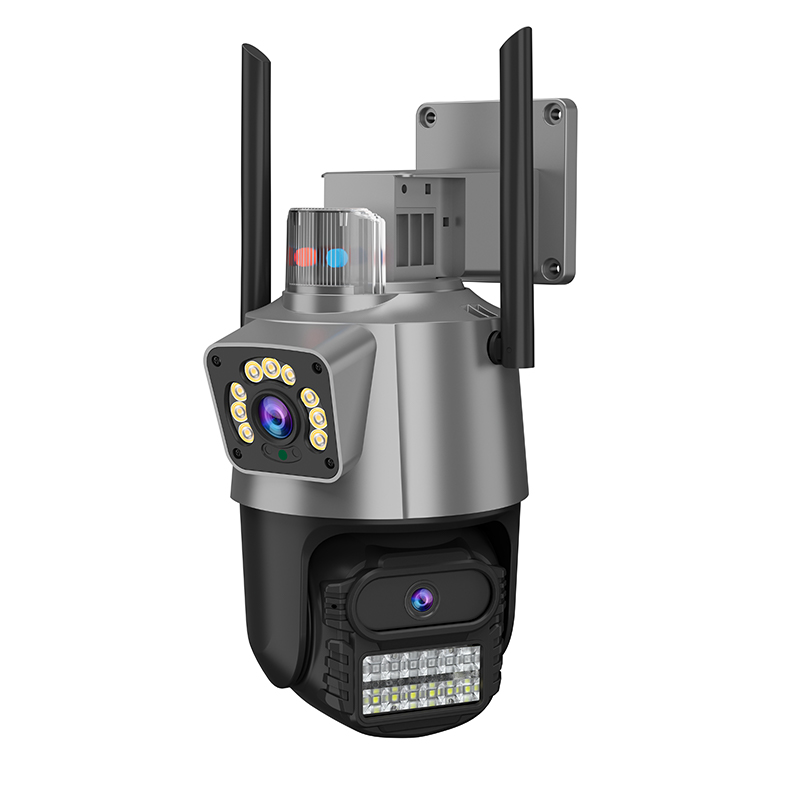
يُعد اتخاذ القرارات بشكل مستقل عنصرًا أساسيًا في كيفية عمل كاميرات PTZ كجزء من نظام المراقبة الأوسع نطاقًا بمجرد دمجها مع الذكاء الاصطناعي.
التحليلات الذكية للمراقبة الاستباقية
تستطيع حلول التحليلات الحديثة التمييز بين الأشخاص والمركبات والحيوانات باستخدام برامج كشف الأجسام. إضافةً إلى ذلك، يمكن لتحليل السلوك أن يكشف تلقائيًا أنماط النشاط غير المعتادة ويُرسل تنبيهات فورية، مما يسمح بالاستجابة السريعة في حالات الحوادث.
الدوريات الآلية والجولات المُعدة مسبقًا
تتيح لك الدوريات الآلية إنشاء مسارات متعددة تسمح لكاميراتك بتغطية جميع مناطقك بكفاءة. كما يمكنك ضبط جداول زمنية مختلفة لتنفيذ هذه الدوريات ومزامنتها مع نظام الإنذار للاستجابة لأي أحداث طارئة.
تطبيقات احترافية في مختلف الصناعات
تُركّب الأجهزة الأمنية هذه الكاميرات في المطارات والملاعب والعديد من الأماكن في المدينة. تُغطي هذه الكاميرات مساحات واسعة، وتتحرك بسرعة لمراقبة الأشخاص أو الأشياء أثناء حركتها السريعة. خلال عملية التصوير، تُساعد حركة الإمالة السلسة على تحسين جودة الصورة دون الحاجة إلى تشغيل الكاميرا يدويًا. كما تستخدم المصانع هذه الكاميرات لمراقبة خطوط الإنتاج أو مواقع الطاقة عن بُعد، مما يُتيح للعمال مواصلة العمل دون توقف.
الاتجاهات المستقبلية التي تُشكّل دور كاميرات PTZ بعد عام 2026
مع ازدياد ذكاء المدن وانتشار الحوسبة السحابية، ستتحول كاميرات PTZ إلى أجهزة استشعار بصرية ذكية ضمن بنية تحتية مترابطة لدعم الأتمتة على نطاق واسع.
ستُسهّل خدمات التخزين السحابي توسيع نطاق استخدام كاميرات PTZ في المنازل والشركات. إذ يُمكن للمستخدمين مراجعة التسجيلات من مواقع مختلفة دون الحاجة إلى الاحتفاظ بمعدات ثقيلة في الموقع. كما تُتيح باقات التخزين السحابي المرنة، مثل تخزين الأحداث لمدة 7 أو 30 يومًا وخيارات التسجيل المستمر، للمستخدمين مزيدًا من التحكم في التكلفة والوصول واحتياجات الأمان طويلة الأجل.
في إطار المدن الذكية، تُدمج مجموعة واسعة من أجهزة المراقبة عن بُعد في شبكات مراقبة البنية التحتية المتصلة بإنترنت الأشياء في المدينة. تُستخدم هذه الأجهزة لتنفيذ مهام إدارة حركة المرور أو مراقبة البيئة تلقائيًا، مما يُوسع نطاق تطبيقات أنظمة المراقبة التقليدية.
التعليمات
س1: ما الذي تفعله كاميرا PTZ بشكل مختلف عن كاميرا العدسة الثابتة القياسية؟
ج1: تتميز كاميرا PTZ بقدرتها على التحريك الأفقي والرأسي والتكبير، بينما تبقى الكاميرا ذات العدسة الثابتة ثابتة. لذا، يمكن لكاميرا PTZ تغطية مساحة أكبر من المطلوب باستخدام عدد أقل من الكاميرات.
س2: ما مدى فعالية كاميرات PTZ الحديثة في الليل؟
ج٢: تتميز كاميرات PTZ الحديثة بكفاءة عالية في التصوير الليلي بفضل استخدامها للأشعة تحت الحمراء، والإضاءة البيضاء، وتقنية النطاق الديناميكي الواسع (WDR)، وتقنية تقليل التشويش. تساعد هذه الميزات في الحفاظ على وضوح الصور، وتقليل التشويش، والتقاط تفاصيل مفيدة في المناطق الخارجية ذات الإضاءة المنخفضة. إذا كنت تبحث عن منتج كهذا، فننصحك بالاطلاع على منتجات Jortan. JT-9687PRO.
س3: هل كاميرات القبة المتحركة والمتحركة المتصلة بالسحابة آمنة بما يكفي للاستخدام المؤسسي؟
ج٣: نعم. تستخدم الأنظمة السحابية اتصالات مشفرة بالإضافة إلى نظام تحكم متعدد المستويات في الوصول للسماح بالوصول عن بُعد بشكل آمن. لذلك، توفر كاميرات PTZ السحابية للمستخدمين اتصالاً بالغ الأهمية حيث يتم توزيع المحتوى في جميع أنحاء العالم وتخزينه في مواقع متعددة، بما يتماشى مع الأردنتغطيتها العالمية من مراكز المراقبة السحابية حول العالم، مما يتيح للمستخدمين الكتابة على بطاقة TF محلية بالإضافة إلى مواصلة التسجيل في السحابة.