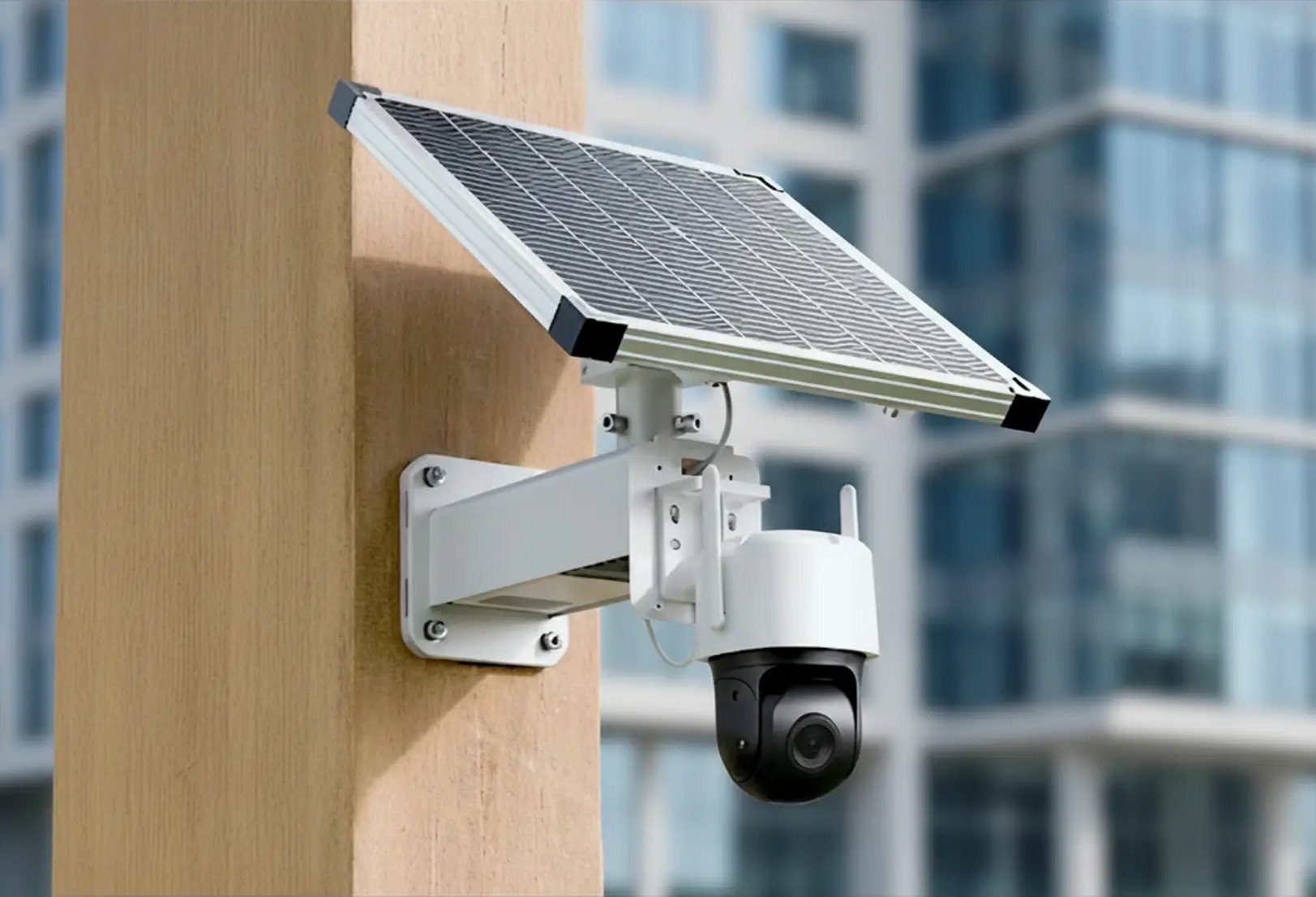
كاميرات تعمل بالطاقة الشمسية تُقلل هذه الأنظمة من أعمال التوصيلات الكهربائية وتُتيح فرصًا جديدة للمشاريع. في الوقت نفسه، تُثير مخاوف بشأن عمر البطارية، واستقرار الشحن، والحماية من العوامل الجوية، والصيانة الدورية. يجب على المشترين الذين يُخططون لعمليات شراء في عام 2026 أن يُوازنوا بين المزايا والعيوب قبل اختيار نماذج الطاقة الشمسية المناسبة لأسواقهم.
التحديات الصناعية ومخاطر التوريد في سوق الكاميرات الشمسية
يشهد قطاع الكاميرات الشمسية نمواً متسارعاً، مما يخلق تحديات جديدة أمام المشترين وقادة المشاريع. وتواجه الفرق الآن مستويات جودة متفاوتة، ومواصفات مبالغ فيها، وجداول تسليم غير مستقرة.
أبرز المشكلات التي تواجه فرق المشتريات
أدت التطورات التقنية السريعة إلى نتائج متباينة من مختلف الموردين. يبالغ العديد من البائعين في تقدير أرقام إنتاجية الألواح أو سعة البطاريات، مما يصعب معه تقييم الأداء الحقيقي. في غياب معايير اختبار موحدة، تعتمد الفرق غالبًا على كميات محدودة من البيانات الواقعية بدلًا من الموافقات الرسمية. كما أن تأخر الشحنات وضعف الدعم بعد الشراء يزيدان من المخاطر، لا سيما في المشاريع الكبيرة حيث يُعدّ التوقيت عاملًا حاسمًا.
لماذا يجب على المشترين الانتباه إلى تقييم كاميرات الطاقة الشمسية
تجمع كاميرات الطاقة الشمسية بين توليد الطاقة، وبصريات الكاميرا، والوصلات اللاسلكية. يُعدّ الفحص الدقيق أمرًا بالغ الأهمية، لأنّ اختيارًا رديئًا قد يتسبب في اهتزاز الفيديو أو انقطاع التيار الكهربائي في الإضاءة الخافتة. يجب على المشترين الموازنة بين السعر والموثوقية على المدى الطويل واحتياجات الصيانة.
لا تزال وحدات الطاقة الشمسية منخفضة الطاقة تحظى بشعبية كبيرة لأنها تحل مشاكل التركيب الصعبة في المناطق النائية أو التي لا تتوفر فيها خطوط كهرباء. كما أنها تتماشى مع توجهات ترشيد الطاقة والتكنولوجيا الذكية. وهذا ما يوضح أهمية التحقق الدقيق من الموردين وشفافية معلوماتهم عند الشراء في عام 2026.
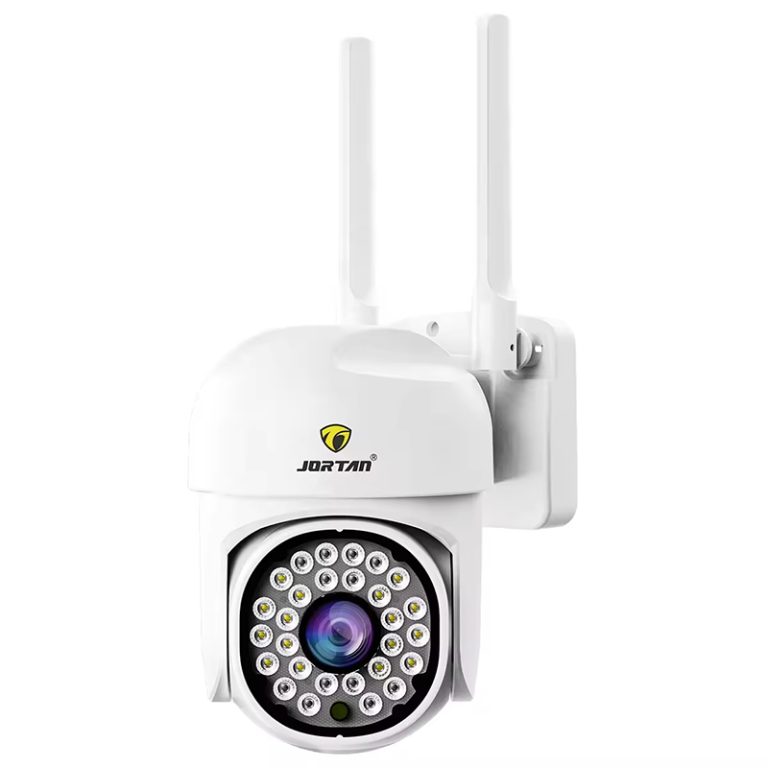
بالنسبة للمشترين الذين يقارنون بين موردي كاميرات الطاقة الشمسية في هذه المرحلة، الأردن يمكن استخدامها كمرجع عملي. تشمل مجموعة منتجاتها فئات كاميرات الطاقة الشمسية، وكاميرات IP، وحزم المراقبة، بحيث يمكن للمشترين مقارنة نماذج الطاقة الشمسية الخارجية مع كاميرات IP المزودة بتقنية WiFi وحلول الحزم من خط إنتاج مورد واحد.
المعايير الفنية الأساسية التي تؤثر على قرارات الشراء
تساعد مراجعة تقنية واضحة المشترين في العثور على وحدات تدوم طويلاً، وتعمل بكفاءة، وتوفر ميزات ذكية.
كفاءة نظام الطاقة وتكوين البطارية
يُحدد نظام الطاقة ما إذا كانت الكاميرا ستستمر في العمل عند تغير مستويات الإضاءة. تُفضل العديد من الفرق استخدام الألواح أحادية البلورة مع بطاريات الليثيوم الكبيرة. تُشحن هذه الألواح بالكامل خلال خمس إلى ست ساعات من التعرض لأشعة الشمس، وتدعم أكثر من عشرة أيام من الاستخدام في الأيام الغائمة. كما يؤثر تحمل البطارية للحرارة والبرودة على الأداء على المدى الطويل. يجب أن تتحمل البطاريات الخارجية تقلبات واسعة في درجات الحرارة دون أن تفقد سعتها.
أداء التصوير وميزات الاتصال
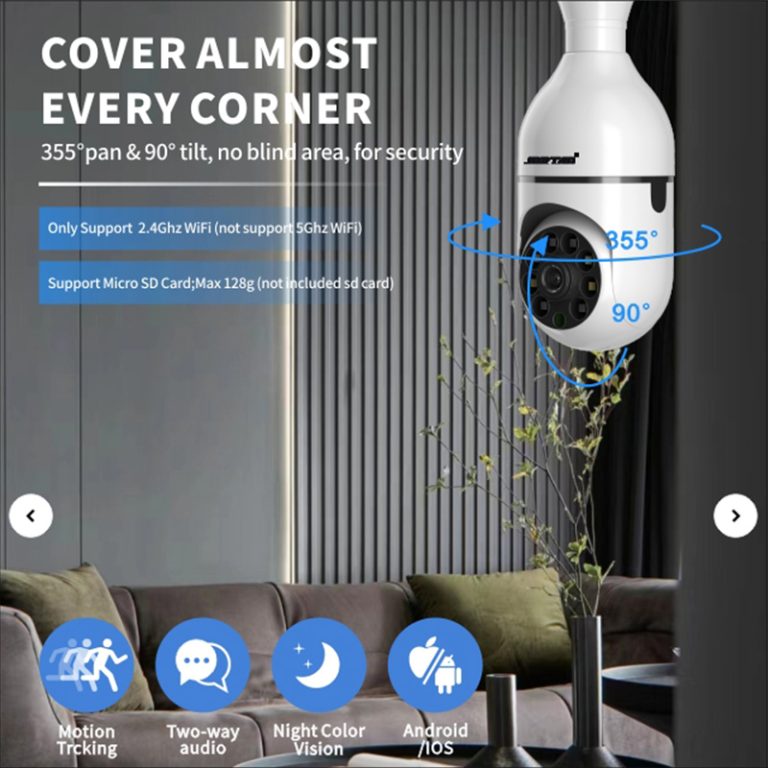
تُعدّ الصور الواضحة ضرورية لأعمال الأمن والتحليل على حدّ سواء. الدقة التي تتجاوز 3K وما فوق رؤية ليلية كاملة الألوان يساعد على تحديد الهوية في الإضاءة المنخفضة. تعمل الكاميرا ذات المحور الدوار بزاوية 360 درجة على إزالة النقاط العمياء، كما يضيف تتبع الحركة قيمة إضافية. تعمل الوحدات المزودة بدعم لشبكات الجيل الرابع أو الخامس بكفاءة في المناطق التي تفتقر إلى شبكات ثابتة.
جودة المواد والمتانة البيئية
تحتاج الوحدات الخارجية إلى مقاومة عالية للصدأ والغبار والماء. تساعد الهياكل المصنوعة من الألومنيوم الحاصلة على تصنيف IP66 أو أعلى على إطالة عمر الوحدات في الظروف القاسية. IP66 وتوفر الحماية بمعيار IP67 مقاومة للأمطار الغزيرة والغبار ودرجات الحرارة من -30 إلى 70 درجة مئوية. كما تعمل الأغلفة المعدنية على تحسين تبديد الحرارة ومقاومة التآكل.
الشهادات ومعايير الجودة التي يجب التحقق منها قبل الشراء
ينبغي على المشترين التحقق من وجود علامات CE وFCC وRoHS، بالإضافة إلى شهادات ISO9001 الخاصة بعمليات التصنيع. كما تُقدّم التقارير المُستقاة من الاختبارات الميدانية في ظروف مناخية مماثلة دليلاً إضافياً على الأداء الفعلي.
سيناريوهات استخدام الكاميرات الشمسية في مختلف الصناعات
تُستخدم أنظمة الطاقة الشمسية الآن في العديد من المجالات، من مواقع المصانع إلى خطط السلامة في المدن. ويدعم تصميمها المستقل عن الشبكة سهولة وضعها في مواقع بعيدة أو مؤقتة.
المشاريع الصناعية والبنية التحتية
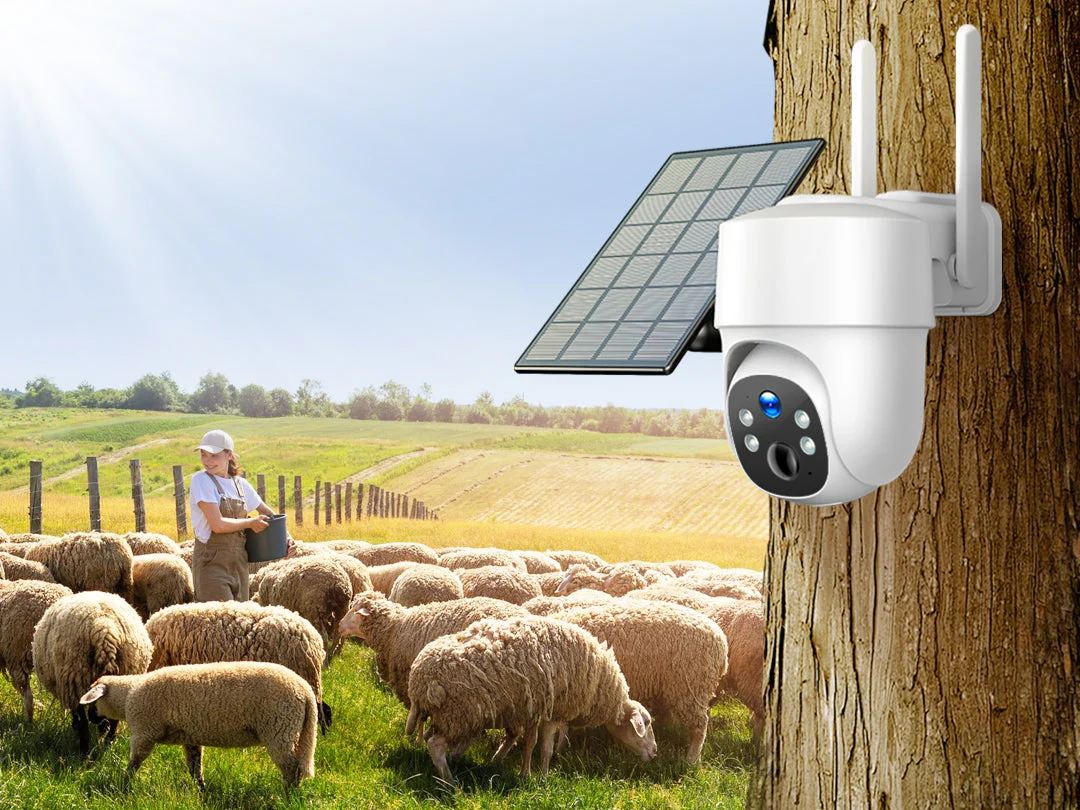
غالباً ما تفتقر مواقع البناء والمناجم والمنشآت النائية إلى مصادر طاقة مستقرة أو خطوط شبكة كهربائية. تُغني الطاقة الشمسية عن الحاجة إلى الكابلات أو وصلات الشبكة، مما يجعلها مناسبة للساحات الريفية والبساتين والمراعي ومواقع البناء والمناطق الجبلية التي تفتقر إلى الكهرباء الموثوقة. هذه الميزات تجعل كاميرات الطاقة الشمسية خياراً مثالياً لإجراء فحوصات السلامة الدورية دون تكاليف توصيل باهظة.
حالات الاستخدام في البلديات والنقل
تقوم فرق البلدية بوضع وحدات الطاقة الشمسية عند التقاطعات أو الحدائق لتوسيع نطاق التغطية بسرعة. وتُقلل التصاميم اللاسلكية من وقت التركيب، بينما تحافظ شرائح SIM الخاصة بإنترنت الأشياء على استقرار الاتصالات.
البيئات التجارية والزراعية
تستفيد المتاجر من أنظمة مراقبة استهلاك الطاقة المنخفضة التي تُخفّض فواتير الكهرباء تدريجيًا. وتستخدم المزارع كاميرات تعمل بالطاقة الشمسية لمنع السرقة ومراقبة الماشية عن بُعد. وفي البساتين، تُظهر عدسة بدقة 8 ميجابكسل تفاصيل الثمار بوضوح. وتُسرّع التنبيهات الفورية الاستجابة عند حدوث أي مشكلة.
أخطاء شائعة في عمليات الشراء يجب تجنبها في عام 2026
على الرغم من المكاسب التكنولوجية، لا يزال المشترون يواجهون العديد من المخاطر أثناء عملية الشراء.
قد تختلف معايير مراقبة الجودة اختلافًا كبيرًا. فبعض الشركات المصنعة تستورد قطعًا أساسية من مصادر خارجية دون تتبع واضح. كما أن اختلافات البرامج الثابتة تتسبب في حدوث خلط بين الدفعات. وقد تُضلل الكتالوجات أحيانًا بشأن حجم البطارية بإغفالها لفقدان الطاقة أثناء التحويل أو بافتراضها ساعات مثالية من سطوع الشمس.
يُسبب ضعف خدمات ما بعد البيع مشاكل إضافية عندما تظل شروط الضمان محدودة أو عندما تتأخر عمليات الشحن بالجملة. وقد تُكلف هذه المشاكل المشاريع الكبيرة أموالاً طائلة عند تأخر الجداول الزمنية.
معايير الاختيار الرئيسية لشراء كاميرات تعمل بالطاقة الشمسية بكميات كبيرة
معايير الاختيار وقائمة التحقق من الشراء لكاميرات الطاقة الشمسية الموثوقة
قبل الإنفاق، ينبغي على الفرق وضع معايير مراجعة واضحة مدعومة ببيانات الاختبار.
تشمل التدابير المفيدة سرعة الشحن في ضوء الشمس الجزئي، وعمر البطارية في الأيام الغائمة، وتأخير الفيديو عبر شبكات الجوال، واستقرار خرج المورّد. ينبغي أن تتضمن فحوصات العلامات التجارية المقارنة نسب الألواح الشمسية إلى البطاريات، وميزات التطبيق للمهام عن بُعد مثل ضبط الذكاء الاصطناعي أو مزامنة السحابة. تساعد التعليقات من عمليات التثبيت السابقة في ظروف مماثلة على تقييم الاتساق عبر مختلف أنواع الطقس.
وضع استراتيجية شراء رشيدة لكاميرات الطاقة الشمسية في عام 2026
تعتمد خطة الشراء السليمة على الجمع بين الفحوصات التقنية وتقييمات الموردين بدلاً من التركيز على السعر فقط. كما أن الاطلاع على سجلات الأداء الحقيقية وتفاصيل الضمان يمكّن الفرق من توقع تكاليف دورة حياة المنتج بالكامل.
ينبغي على المشترين طلب الاطلاع على جداول المواصفات التي توضح نتائج اختبارات الشحن والتحمل الفعلية قبل تقديم الطلبات. توفر التجارب المصغرة دليلاً عملياً في ظل الظروف الجوية المحلية، وتساعد على مواءمة الاستثمارات مع الأهداف البيئية، كما هو الحال مع طرازات مثل سلسلة SunVision SC-Pro.
حلول المنتجات الموصى بها والمتوافقة مع معايير الشراء لعام 2026
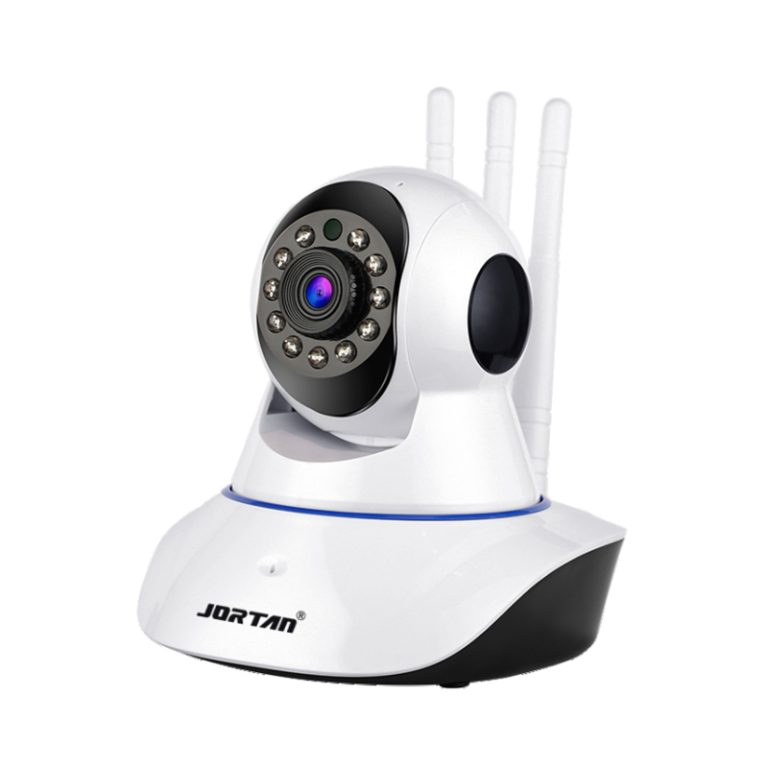
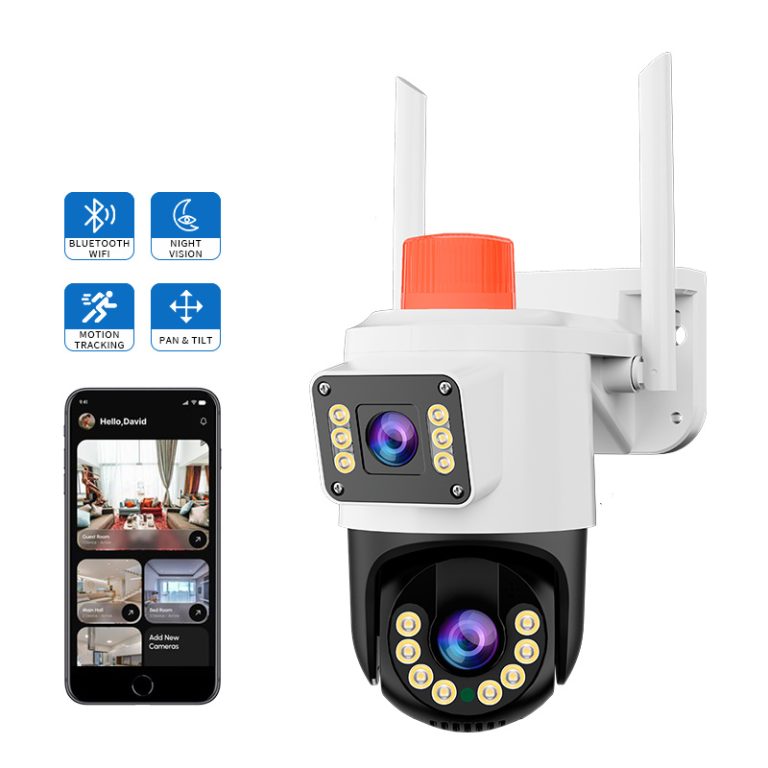
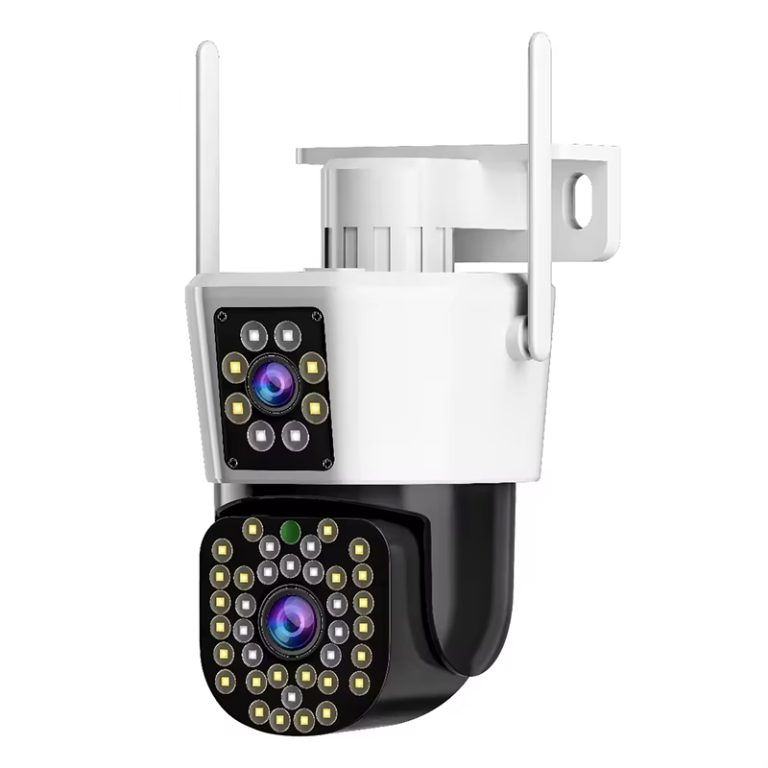
تُعدّ كاميرات جورتان الشمسية خيارًا مثاليًا للعملاء الذين يحتاجون إلى معدات أمنية خارجية لاسلكية تتطلب تركيبًا في مواقع يصعب تمديد الأسلاك إليها. تُقدّم الشركة خطوط إنتاج تشمل الكاميرات الشمسية، وكاميرات IP، وأنظمة المراقبة، مما يتيح للموزعين والمشترين المحتملين فرصة مقارنة الكاميرات الشمسية بأنواع الكاميرات الأخرى.
التعليمات
س1: ما هي أهم مزايا وعيوب استخدام الكاميرات الشمسية؟
أ1: تشمل المزايا الرئيسية الاستقلالية عن الطاقة بفضل الألواح الشمسية التي تغني عن الحاجة إلى الأسلاك، وانخفاض فواتير الكهرباء مع مرور الوقت، وسهولة الاستخدام في المناطق النائية التي تفتقر إلى البنية التحتية. أما العيوب، فقد تشمل ارتفاع التكاليف الأولية أو انخفاض الإنتاج خلال فترات الأمطار الطويلة، وذلك بحسب تصميم البطارية.
س2: كيف يمكن للمشترين التحقق من موثوقية المورد قبل الشراء بالجملة؟
ج2: يجب على المشترين فحص وثائق ISO9001، وطلب تقارير الاختبارات الميدانية من مناخات مماثلة، ومراجعة شروط ما بعد البيع، والتأكد من قدرة التسليم على الوفاء بمواعيد العقد.
س3: ما هو النموذج المناسب للنشر على نطاق صناعي يتطلب وقت تشغيل عالٍ؟
ج٣: بالنسبة للمشاريع الكبيرة التي تتطلب أداءً قويًا مع أقل وقت توقف، توفر سلسلة كاميرات جورتان الشمسية خيارًا ممتازًا. تُعد هذه الكاميرات مثالية للاستخدام في الأماكن التي قد تُشكل فيها الأسلاك مشكلة، مثل المصانع، ونقاط الدخول، ومواقع البناء، والمزارع، وحتى مواقف السيارات. يمكن مقارنة الخيارات المختلفة فيما يتعلق بعمر البطارية، والأشعة تحت الحمراء، ومقاومة الماء، والتطبيق، ومدى الرؤية، و خدمة دعم العملاء.