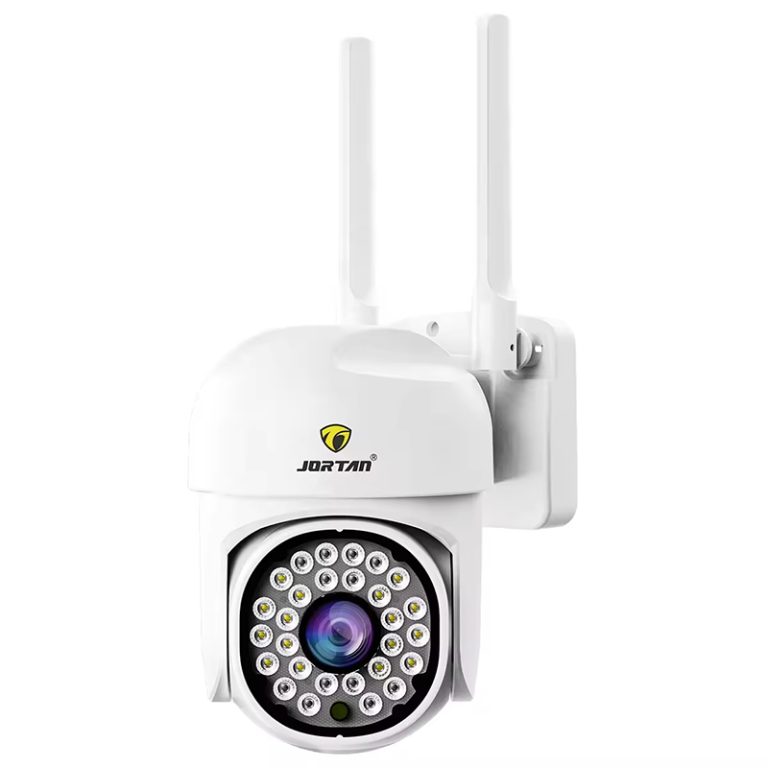
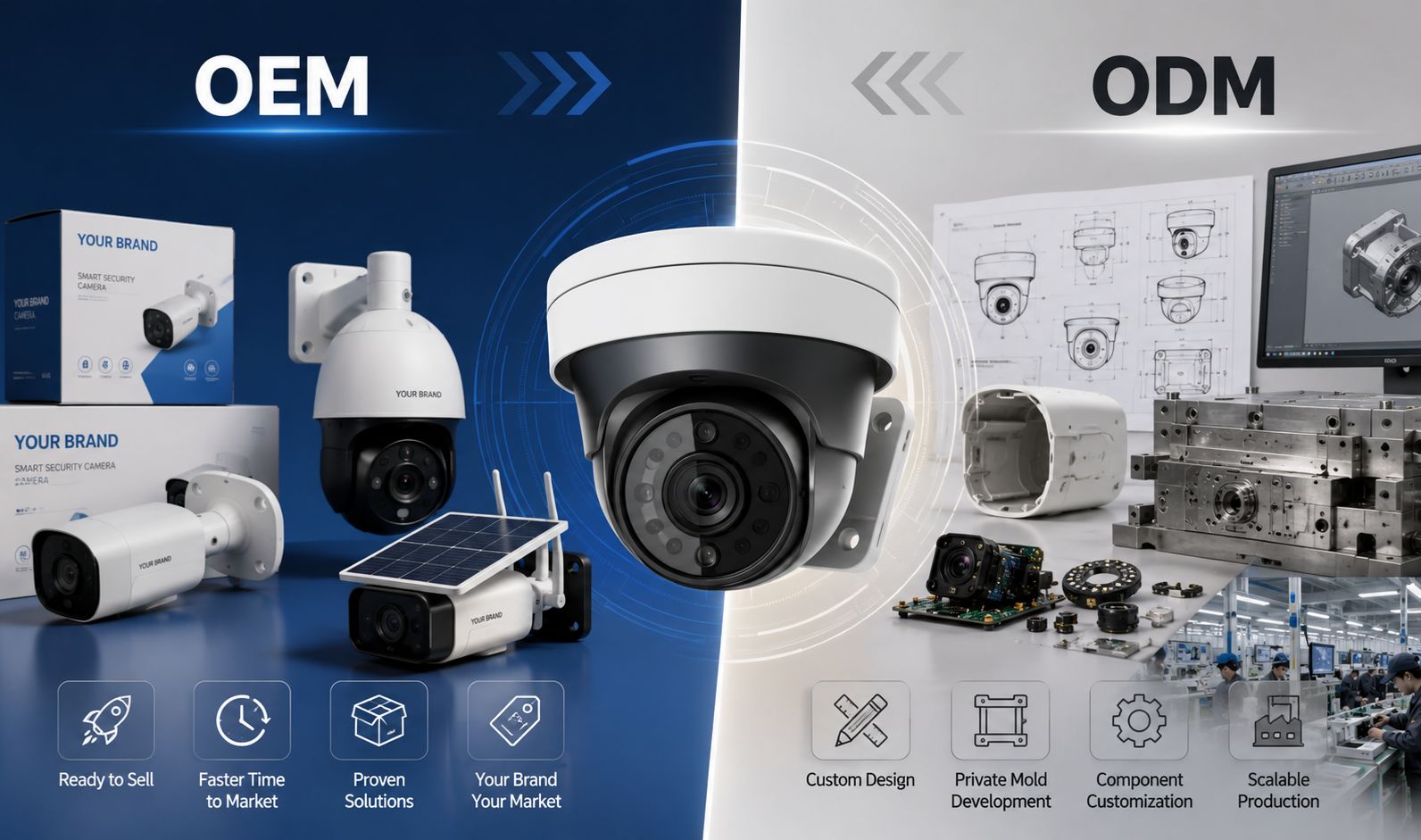
في عام 2026، ازدادت المنافسة في السوق. تتشابه العديد من الكاميرات من حيث الشكل الخارجي، وتستخدم أسماء تطبيقات متشابهة، وتدّعي امتلاكها ميزات مماثلة. بالنسبة للموزعين، ومنفذي المشاريع، والعلامات التجارية الخاصة، يُشكّل هذا تحديًا حقيقيًا: كيف يُمكن بيع منتج ذي مظهر مختلف بما فيه الكفاية، ويعمل بكفاءة عالية، ويمكن توفيره مجددًا عند نفاد الكمية الأولى؟ لهذا السبب تصنيع المعدات الأصلية وتصميمها أصبحت القرارات أكثر أهمية من ذي قبل.
ماذا تعني مصطلحات OEM و ODM في مجال توريد كاميرات المراقبة؟
تصنيع المعدات الأصلية: تسويق طرازات الكاميرات الناضجة لتسريع دخول السوق
تعني عبارة OEM أن المشتري يستخدم طراز الكاميرا الحالي يتم تجهيز المنتج من المصنع، ثم تُضاف إليه عناصر العلامة التجارية. قد تشمل هذه العناصر طباعة الشعار، وتصميم علبة البيع بالتجزئة، والتصميم اليدوي، والملصق، وخيارات الألوان، وأحيانًا تفاصيل عرض التطبيق. هيكل المنتج ناضج بالفعل، لذا لا يحتاج المشتري إلى البدء من الصفر.
التصميم والتصنيع حسب الطلب: تطوير حلول كاميرات مخصصة لأسواق متنوعة
يتجاوز تصميم وتصنيع المنتجات الأصلية (ODM) ذلك بكثير. فقد يحتاج المشتري إلى هيكل مختلف، أو لون مختلف، أو تركيبة عدسات مختلفة، أو نظام بطارية مختلف، أو توافق مع الألواح الشمسية، أو هيكل تغليف مختلف، أو تعديلات متعلقة بالتطبيق. وفي بعض الحالات، يشمل تصميم وتصنيع المنتجات الأصلية أيضًا تخصيص مظهر المنتج وفتح قالب.
لماذا يُعدّ تصنيع المعدات الأصلية (OEM) خيارًا مناسبًا للمشترين الذين يحتاجون إلى السرعة وتقليل مخاطر التطوير؟
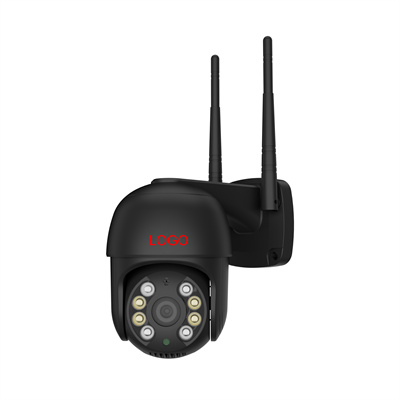
إطلاق أسرع باستخدام نماذج كاميرات IP أو كاميرات تعمل بالطاقة الشمسية أو باقات المراقبة الحالية
تُعدّ خدمات تصنيع المعدات الأصلية (OEM) مفيدة عندما يكون الوقت عاملاً حاسماً. إذ يُمكن للمشتري الاختيار من بين خطوط الإنتاج الحالية والانتقال بسرعة إلى مراحل أخذ العينات والتعبئة والتغليف والتحضير للمبيعات. وهذا يُناسب الأسواق التي يتغير فيها الطلب بسرعة أو عندما يرغب المشتري في اختبار عدة وحدات تخزين في الوقت نفسه.
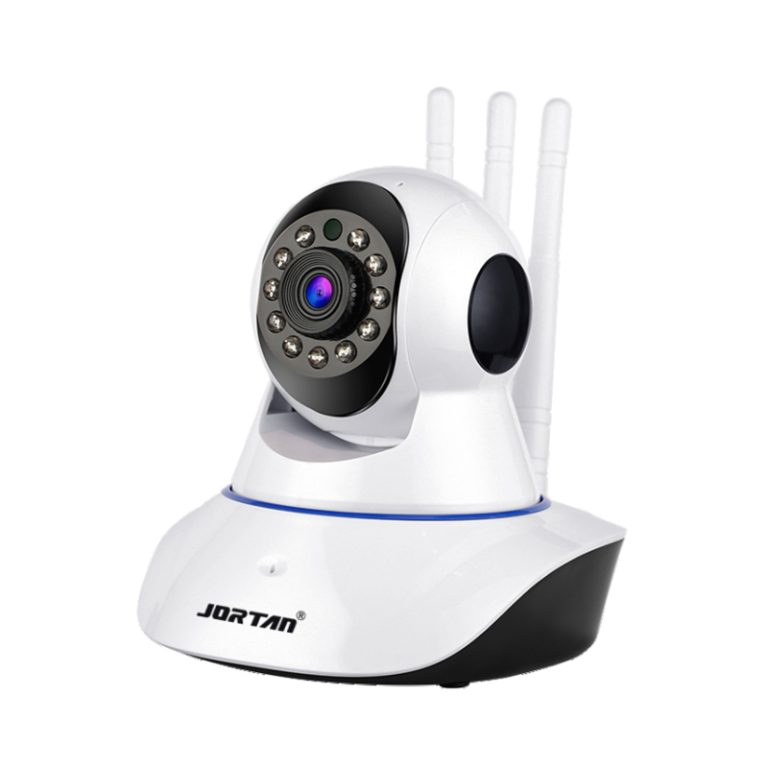
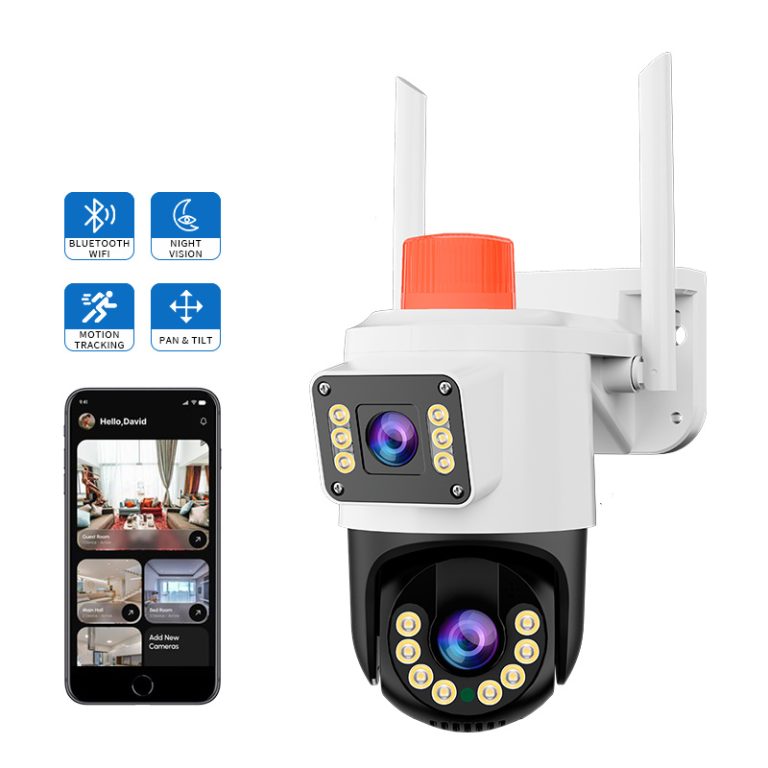
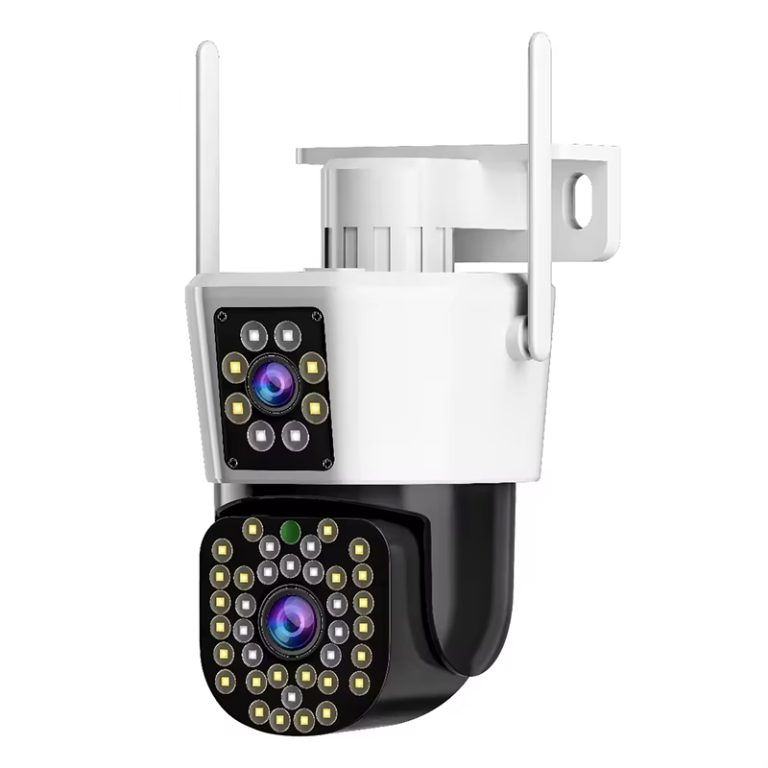
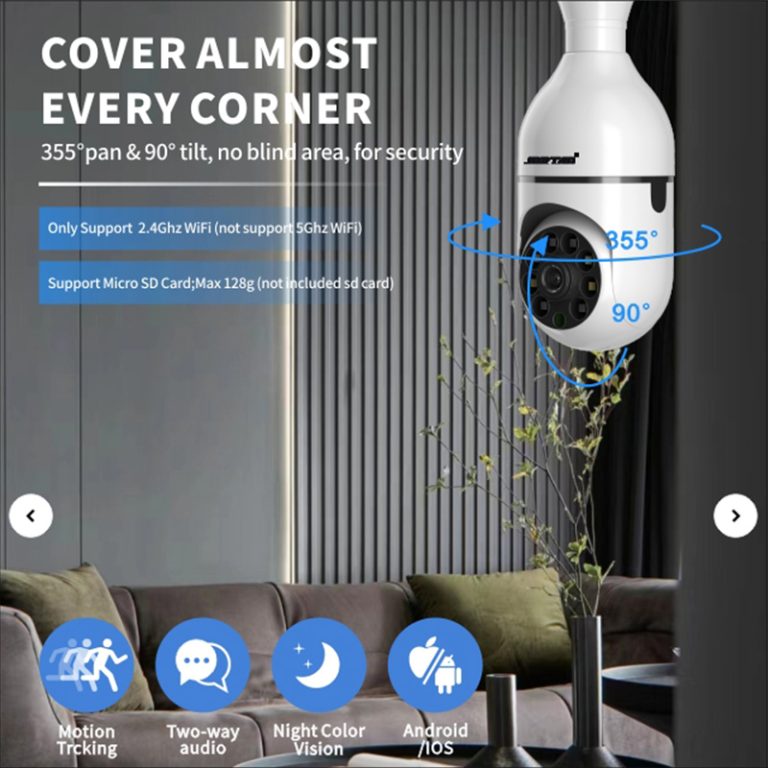
بالنسبة لكاميرات المراقبة، قد تتضمن مجموعة البداية من الشركة المصنعة الأصلية كاميرا IP داخلية واحدة، وكاميرا PTZ خارجية واحدة، وكاميرا تعمل بالطاقة الشمسية واحدة، وحزمة مراقبة واحدة. وهذا يمنح فرق المبيعات نطاقًا كافيًا دون تعقيد الطلبية الأولى.
الأردنتشمل فئات منتجات الشركة كاميرات IP، وأنظمة المراقبة، والكاميرات الشمسية. بالنسبة للمشترين الذين يخططون لإطلاق سريع لعلامة تجارية خاصة، فإن هذا النوع من المنتجات يسهل عليهم بناء مستويات أسعار ومجموعات تطبيقات مختلفة من قاعدة موردين واحدة.
بناء علامة تجارية أسهل من خلال تخصيص الشعار والتغليف والدليل والتطبيق
غالباً ما تكون عملية تصنيع المعدات الأصلية (OEM) الخطوة الأولى في بناء العلامة التجارية. قد لا يحتاج المشترون المحليون إلى تصميم جديد كلياً في البداية، بل يحتاجون أولاً إلى منتج يحمل علامتهم التجارية بشكل منظم. شعار أنيق، علبة بيع مناسبة، دليل استخدام واضح، وتطبيق مستقر، كلها عوامل تُحسّن من عرض المنتج في السوق.
يُعدّ التغليف عاملاً مهماً أيضاً في خدمة ما بعد البيع. فالعلبة الجيدة والملصقات ودليل المستخدم الجيد تُسهم في تقليل حيرة المستخدم. وهذا الأمر بالغ الأهمية خاصةً للكاميرات اللاسلكية والكاميرات التي تعمل عبر التطبيقات، حيث غالباً ما تكون أسئلة الإعداد أول شكوى بعد البيع.
لماذا يناسب تصميم وتصنيع المنتجات الأصلية المشترين الذين يسعون إلى تمييز أقوى للمنتجات؟
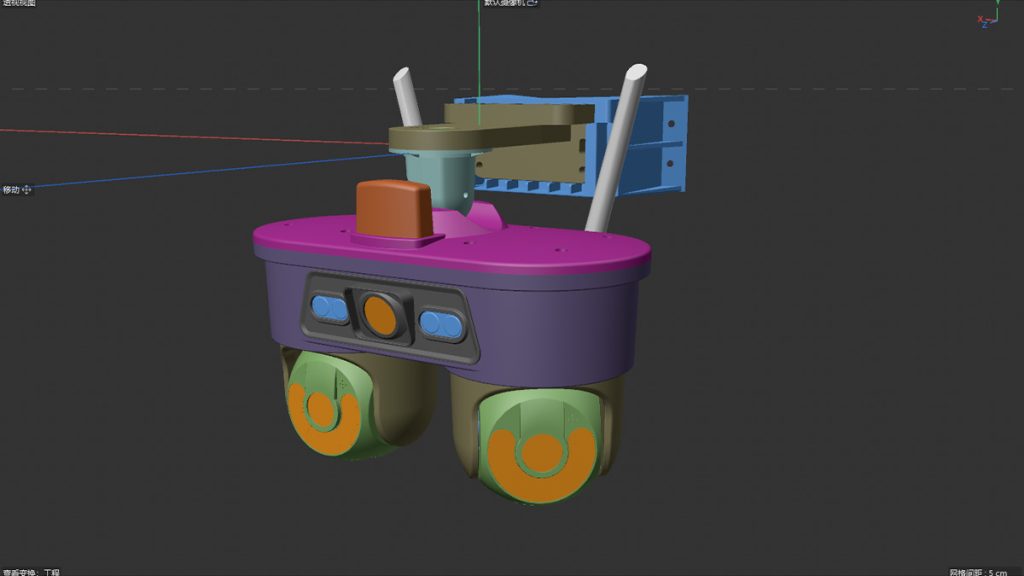
تخصيص مظهر المنتج، والهيكل، واللون، والقالب
يصبح تصميم وتصنيع المعدات الأصلية (ODM) خيارًا جذابًا عندما لا تكفي النماذج العامة. فإذا كان العديد من الموردين يبيعون كاميرات بهياكل وعدسات وصور تسويقية متشابهة، فقد يجد المشترون صعوبة في الحفاظ على مستويات الأسعار. ويمكن أن يساعد الهيكل المصمم خصيصًا أو القالب الخاص العلامة التجارية على الظهور بمظهر أكثر استقلالية.
هنا تبرز أهمية قوة المصنع. يُسلط جورتان الضوء على سلسلة إنتاج تشمل قولبة الحقن، ومعالجة الرقائق، وتجميع الكاميرات، والتغليف، والنقل. بالنسبة للمشترين، تُتيح إمكانيات قولبة الحقن والقوالب الداخلية إمكانية إجراء تغييرات أكثر مرونة في المظهر، وضمان اتساق أكبر في دفعات الإنتاج.
لا ينبغي أن يقتصر تصميم القوالب الخاصة على المظهر فقط. يجب على المشترين مراعاة متانة الدعامة، ومقاومة الماء، وتبديد الحرارة، وموضع العدسة، وزاوية التركيب، وحجم التغليف. فالكاميرا ذات المظهر الجميل والتي يصعب تركيبها ستسبب مشاكل لعملاء المشروع.
مناسب للعلامات التجارية الراسخة، ومشتري المشاريع، وخطوط الإنتاج طويلة الأجل
يُعدّ تصميم وتصنيع المعدات الأصلية (ODM) خيارًا أفضل للمشترين ذوي الطلب المتكرر. فإذا كانت العلامة التجارية تبيع بالفعل آلاف الكاميرات سنويًا، فقد يكون تصميم منتج خاص بها خيارًا مناسبًا. وإذا كان مورد المشروع يخدم مواقع مماثلة باستمرار، فإنّ النموذج المُخصّص يُمكن أن يُساعد أيضًا في تحديد الأسعار وضمان التوريد على المدى الطويل.
يُعدّ هذا الخيار أقل ملاءمةً للمشترين الذين لا يزالون غير متأكدين من السوق. قد يؤدي البدء بتصنيع التصميم الأصلي (ODM) مبكرًا جدًا إلى بطء الموافقة، وتكاليف إضافية، ومخزون غير مباع. في معظم الحالات، ينبغي على المشترين البدء بتصنيع المعدات الأصلية (OEM)، وجمع آراء السوق، ثم استخدام تصنيع التصميم الأصلي (ODM) للمنتجات التي تُظهر إمكانات حقيقية.
كيفية الاختيار بين تصنيع المعدات الأصلية (OEM) وتصميمها (ODM) لخطة التسويق الخاصة بك لعام 2026
قم بمواءمة الاستراتيجية مع الميزانية والجدول الزمني وقناة المبيعات
السؤال الأول ليس تقنياً، بل هو سؤال تجاري. ما مدى سرعة حاجة المشتري لإطلاق المنتج؟ ما هي الميزانية المتاحة؟ هل المنتج مخصص للبيع بالتجزئة عبر الإنترنت، أم للتجار المحليين، أم للمثبتين، أم لتوريده للمشاريع؟
إذا كان المشتري بحاجة إلى بدء سريع، فعادةً ما يكون التصنيع الأصلي للمعدات (OEM) خيارًا أكثر أمانًا. أما إذا كان لدى المشتري طلب مستقر ويرغب في تعزيز هوية علامته التجارية، فقد يكون التصميم والتصنيع الأصلي (ODM) خيارًا مناسبًا. كما يُمكن اتباع نهج مختلط: استخدام التصنيع الأصلي للمعدات (OEM) للطرازات الأساسية، والتصميم والتصنيع الأصلي (ODM) لطراز أو اثنين من الطرازات ذات القيمة الأعلى.
تحقق مما إذا كان السوق يحتاج إلى نماذج قياسية أو تصميم منتج فريد
لا تحتاج بعض الأسواق إلى تصميمات مخصصة في البداية. كاميرا خارجية متطورة مع تطبيق جيد الاستخدام، صورة ليلة صافيةوقد يحقق التغليف المتين مبيعات جيدة. وتكتظ الأسواق الأخرى بالفعل بمنتجات مماثلة في الشكل، لذا يحتاج المشتري إلى تصميم أكثر تميزًا لحماية هامش الربح.
ينبغي أن ينبع القرار من قنوات البيع، لا من التفضيلات الشخصية. إذا اشتكى الموزعون المحليون من تشابه جميع الكاميرات، فقد يُسهم تطوير قوالب خاصة في حل المشكلة. أما إذا قارن العملاء السعر والوظائف الأساسية بشكل رئيسي، فقد يكون تصنيع المعدات الأصلية (OEM) كافيًا في المرحلة الأولى.
مراجعة قدرات المورد في فتح القوالب، والقولبة بالحقن، والتجميع، والاختبار
يجب أن يمتلك المورد الذي يدعم التصميم والتصنيع الأصلي (ODM) أكثر من مجرد كتالوج. ينبغي على المشترين الاستفسار عن إمكانية فتح القوالب، وعملية قولبة الحقن، وسير عمل التجميع، وخطوات الاختبار، ودعم التعبئة والتغليف، وسرعة الاستجابة أثناء التعديلات.
تقدم خدمة التصنيع الأصلي للمعدات/التصميم والتصنيع الأصلي من جورتان إنتاجًا متكاملًا وشاملًا، يشمل قولبة الحقن، ومعالجة الرقائق، وتجميع الكاميرات، والتغليف، والنقل. كما تتضمن الخدمة وصفًا لعمليات فحص متعددة تغطي اختبار المواد الخام، وأخذ عينات من المنتجات شبه المصنعة، وفحص المنتج النهائي. تُعد هذه النقاط مفيدة للمشترين الذين يهتمون بتخصيص الدفعات وتكرار التسليم.
ما الذي يجب على مشتري B2B التأكد منه قبل تقديم طلبات OEM أو ODM
الحد الأدنى لكمية الطلب، وسياسة العينات، ومدة التسليم، واستقرار الطلبات بالجملة
قبل تأكيد أي مشروع، ينبغي على المشترين الاستفسار عن الحد الأدنى لكمية الطلب، وتكلفة العينة، ومدة تجهيزها، ومدة تسليم الطلبات بالجملة، ومدة تجهيز التغليف، وخيارات الطلبات التي تتضمن نماذج متعددة. قد يتطلب تصميم وتصنيع المعدات الأصلية (ODM) حدًا أدنى أعلى لكمية الطلب مقارنةً بتصنيع المعدات الأصلية (OEM)، خاصةً عند استخدام قوالب جديدة أو إجراء تعديلات خاصة على الهيكل.
يُعد استقرار الطلبات بالجملة أمراً بالغ الأهمية. يجب على المشترين التأكد من إمكانية توفير نفس الطراز والتغليف والمكونات الرئيسية نفسها للدفعات المستقبلية.
تفاصيل العلامة التجارية، ملفات التغليف، متطلبات التطبيق، والوثائق التقنية
يجب التأكد من تفاصيل العلامة التجارية. يجب فحص موضع الشعار، وطريقة الطباعة، وتصميم العلبة، ولغة الدليل، وشكل الملصق، والباركود، واسم التطبيق، وصور المنتج قبل بدء الإنتاج بكميات كبيرة.
تُعدّ الوثائق الفنية مهمة أيضاً للموزعين والفنيين. قد تشمل هذه الوثائق أدلة المستخدم، وأدلة التركيب، ومواصفات المنتج، وشروط الضمان، وملاحظات استكشاف الأعطال وإصلاحها. ويمكن للوثائق الواضحة أن تُخفف من ضغوط ما بعد البيع في السوق المحلية.
شروط الضمان، وخدمة ما بعد البيع، ودعم الطلبات المتكررة
يجب ألا تكون شروط الضمان غامضة. ينبغي على المشترين الاستفسار عن كيفية التعامل مع الوحدات المعيبة، وما هي الأدلة المطلوبة، وما إذا كان بالإمكان توفير قطع الغيار، ومدى سرعة استجابة المورد لأسئلة التطبيق أو الإعداد.
بالنسبة لكاميرات المراقبة، خدمات ما بعد البيع يرتبط هذا الأمر ارتباطًا وثيقًا باستقرار التطبيق، وإعداد شبكة الواي فاي، والتخزين، وجودة الصورة الليلية، وأخطاء التثبيت. المورد الذي يستطيع الإجابة على هذه الأسئلة بسرعة يُعدّ أكثر قيمة من المورد الذي يُقدّم فقط سعرًا أقل للوحدة.
التعليمات
س1: هل تصنيع المعدات الأصلية (OEM) أم تصميم وتصنيع المعدات الأصلية (ODM) أفضل لعلامة تجارية جديدة لكاميرات المراقبة الأمنية ذات العلامة التجارية الخاصة؟
ج1: عادةً ما يكون تصنيع المعدات الأصلية (OEM) خيارًا أفضل للعلامات التجارية الجديدة، لأنه يعتمد على نماذج كاميرات راسخة ويتيح إطلاقًا أسرع مع شعار وتغليف ودليل استخدام وتخصيص أساسي للعلامة التجارية. أما تصنيع التصميم الأصلي (ODM) فهو أفضل بعد أن يمتلك المشتري بيانات المبيعات ويرغب في إجراء تغييرات أعمق، مثل الهيكل واللون وبنية العدسة وتصميم الحامل وتكوين الطاقة الشمسية أو التعديلات المتعلقة بالتطبيق.
س2: ما هي التفاصيل التي يجب على المشترين التأكد منها قبل تخصيص كاميرات المراقبة؟
ج٢: يحتاج المشترون إلى توضيح جميع التفاصيل المتعلقة بالحد الأدنى لكمية الطلب، وسياسة أخذ العينات، ومدة التسليم، وموضع الشعار، وتصميم التغليف، ولغة دليل المستخدم، ومواصفات التطبيق، وعملية ما بعد البيع. أما بالنسبة لكاميرات المشاريع، فيحتاج المشترون إلى التأكد من معلومات التركيب، ومصدر الطاقة، والشبكة، والذاكرة، والرؤية الليلية، والحماية من العوامل الجوية.
س3: كيف يمكن للموردين دعم طلبات كاميرات المراقبة طويلة الأجل من مصنعي المعدات الأصلية (OEM) ومصنعي التصميم الأصلي (ODM)؟
ج٣: يجب أن يتمتع المورد المثالي بتدفق مستمر من النماذج، وخدمات اختبار المنتجات، والمساعدة في التعبئة والتغليف، والبيانات الفنية، والاستجابة لما بعد البيع، وإعادة الطلب بشكل منتظم. في مشاريع التصميم والتصنيع الأصلية الأكثر تفصيلاً، ينبغي البحث عن خدمات فتح القوالب، والقولبة بالحقن، والتجميع، ومراقبة الجودة، والتواصل الفعال بشأن المشاريع من المورد.