
A private label camera that passes one market’s rules is a prototype for the next market, not a finished product. Localization fails in three places where an unlocalized unit still looks and works perfectly: the radio, the paperwork, and the words. Power adapters and plugs are trivial by comparison, yet even they teach the pattern, because a charger carried across markets is a certification the accessory must hold in the destination, not in the origin. The layers below follow what actually changes per market, and how a distributor builds one product line into several SKUs without building several products.
The Radio Layer Decides Everything Else
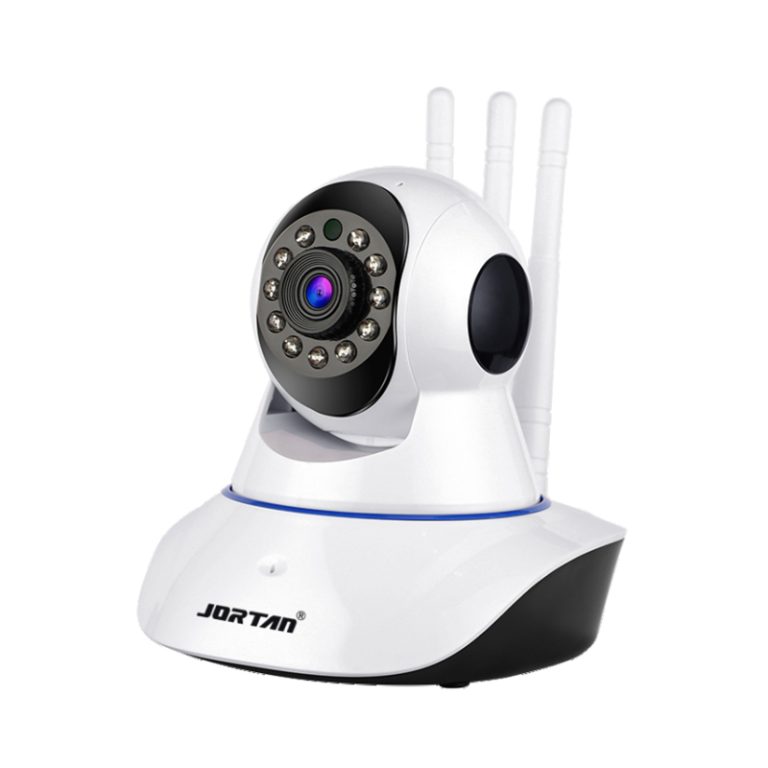
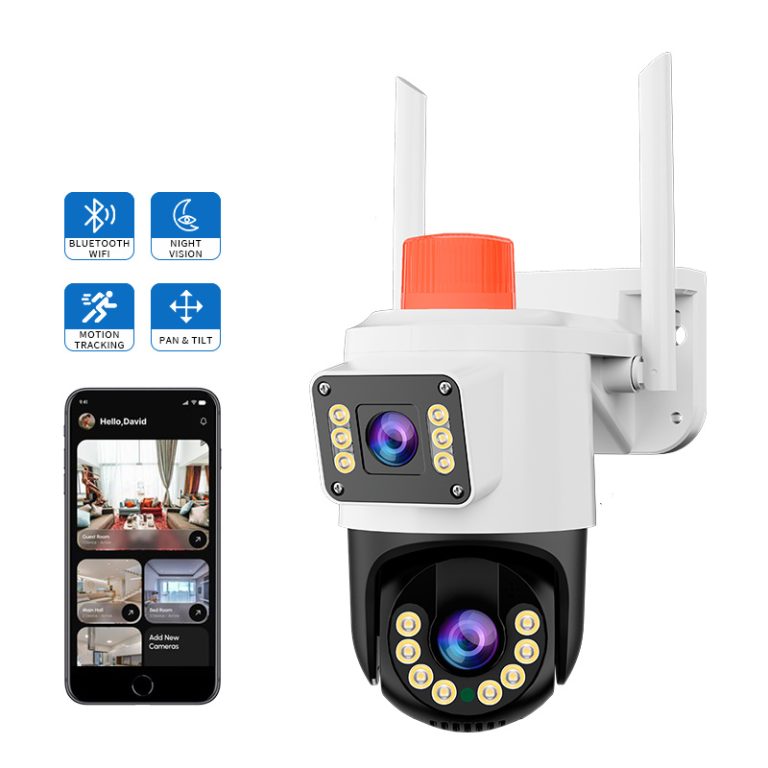
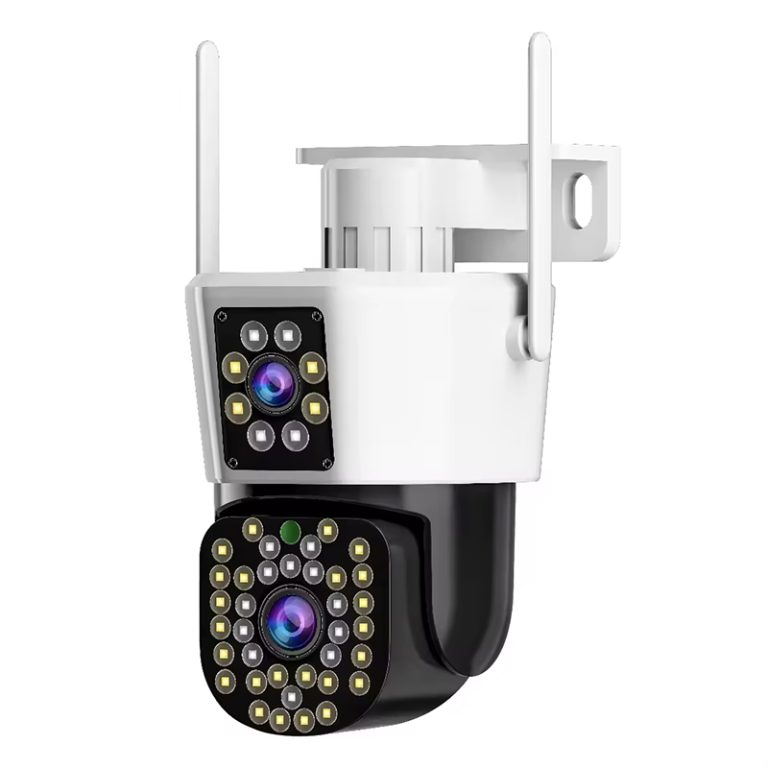
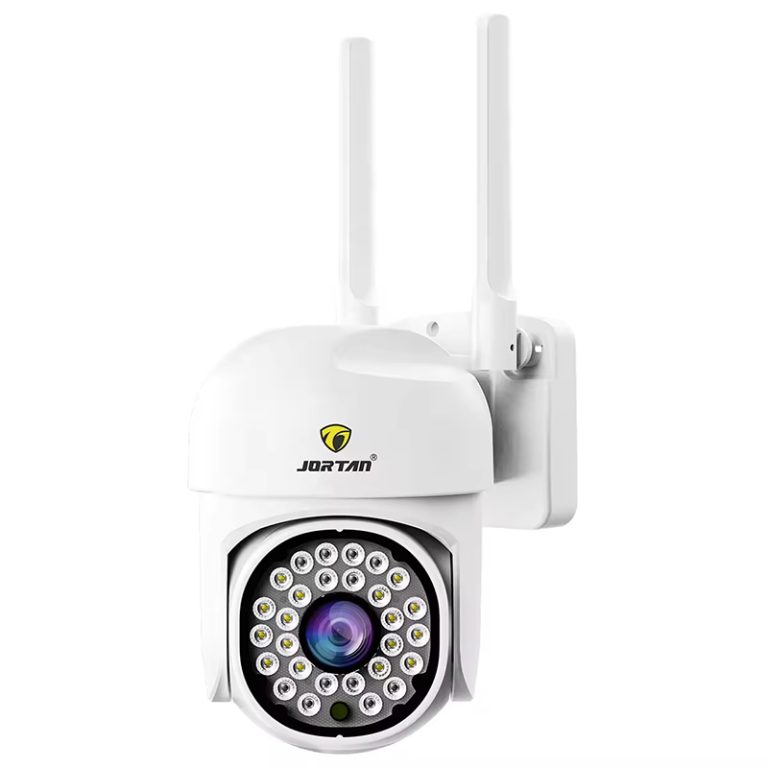
A wireless camera’s radio is the regulatory heart of the product. Channel plans differ, 2.4 GHz usage rules differ, and the 5 GHz bands a camera may touch vary by region with radar-avoidance behavior attached in some markets. Transmission power limits differ, and a firmware built to one market’s ceiling is out of spec in the next one. The practical structure: one hardware platform, per-market firmware that locks the radio behavior, and a certification per destination keyed to that firmware state. This is why firmware and radio certification get negotiated together. A radio certification pays for a configuration, and a firmware change touching that configuration can reopen the file. The app-connected JTZ-160B style indoor line shows the shape: identical housing, market-specific radio firmware, market-specific test reports behind each SKU.
Electrical accessories follow the same logic at smaller scale. The power adapter for the destination carries its own plug certification, and the carton that lists the included adapter lists the certified one. A buyer swapping adapters at the warehouse to serve a new market has changed the certified product, which is exactly the kind of quiet change the change-control record exists to catch.
Build a Market Matrix Before Creating the SKU
Before assigning a market-specific SKU, the buyer and supplier should agree on a matrix showing which attributes change and which remain common across the product family. It can list the destination market, model identifier, radio configuration, firmware build, power adapter, plug type, app language, on-screen display, printed manual, carton label, warranty information, and compliance documents attached to that configuration. This prevents two products from being treated as identical simply because they share the same housing.
The matrix should distinguish a shared hardware platform from a sellable market SKU. Several markets may use the same camera body but require different radio firmware, adapters, labels, or app content. Those differences need to appear in the product code and factory packing instructions. If one SKU code is used for configurations with different certificates or accessories, the warehouse may pick the wrong adapter or the distributor may receive documents that do not match the goods.
Assign an owner to each field. Engineering may control firmware and hardware; compliance staff may maintain certificates; marketing may approve packaging and store listings; and the distributor may provide local support details and warranty wording. The matrix should state who approves a change and which records must be revised. A new adapter, for example, may affect carton contents and electrical docum
Software and Content Localization,Ranked by Cost
The app layer localizes cheapest and matters most daily. Interface strings, pairing flows rewritten for how people actually connect in the market, push notification wording, and the store listing in the local language with the local support contact. Support channels localize here too, since a listing that shows only a foreign hotline converts good hardware into bad reviews in weeks. Language is the visible part; the invisible part is legal text inside the app, the privacy notice and account terms the store review in some markets reads before approving. Camera-side firmware localization runs behind it: the on-screen display, the OSD menus, and any voice prompts, which ship as per-market builds from the same baseline. The documentation layer finishes the set: quick guides, printed labels, warranty cards. Print localization for a twelve-market launch is a spreadsheet discipline, and the version that dies in transit between the marketing file and the carton file is the version customs eventually reads. Every printable carries the SKU code and the firmware build it was approved against, so a reprint gets checked rather than argued.

Market Documentation as a Product Attribute
The compliance artifact set per market gets named the same way the BOM gets named. Radio and electrical certificates with report numbers, a declaration of conformity where the market uses one, the energy or efficiency label where the market applies one, and data rules where personal video triggers registration or notice duties. The SKU record carries these the way it carries weight and carton size, because a market entry held hostage to a document search is the expensive version of a spreadsheet problem. Two structural moves keep the set alive: a per-SKU compliance folder indexed at listing time, and a change-control rule where any firmware or accessory change reopens the affected certificate check before shipment. Suppliers with an export process built like Jortan carry these artifacts per destination already; the buyer’s job is to verify the folder exists and name the owner of each file in it. The folder also answers the question a marketplace or a chain buyer asks before listing a SKU, which certificates cover this exact model, in this exact radio configuration, with this exact adapter, and a folder that answers it in one email is a sales asset before it is a compliance artifact. A distributor starting a second market can request the exact documentation checklist through the contact team and run the gap analysis before the first pallet moves.
Conclusion
Radio first, because the firmware and the certificates both hang off it. Content second, because the user touches it every day and the store review blocks on it. Documentation third but constantly, because market entry dies on a missing file rather than a bad camera. One platform becomes many SKUs through per-market firmware, per-market accessory certification, and a compliance folder treated as part of the product record. The localization budget is mostly discipline, and the discipline is cheap before launch and priceless after.
FAQ
Q1: Can one camera firmware serve several export markets?
A1: Not for the radio behavior. Channel plans, power ceilings and radar rules differ per region, so the working model is one code baseline with per-market locked builds, each tied to the certification file it was tested under. Letting one global build roam markets is how a compliant product becomes a noncompliant one between two firmware pushes, with no visible change anyone made.
Q2: What localizes cheapest and matters most?
A2: The app. Interface strings, pairing flow wording, store listing and in-app legal text cost little compared to hardware changes and touch the customer daily, and a store rejection in one market blocks every device sold under that listing.
Q3: Which documents belong in a per-SKU compliance folder?
A3: Radio and electrical certificates with report numbers, the conformity declaration where the market uses one, energy labels where required, and the data-protection posture the market expects for recorded video, each with a named owner.