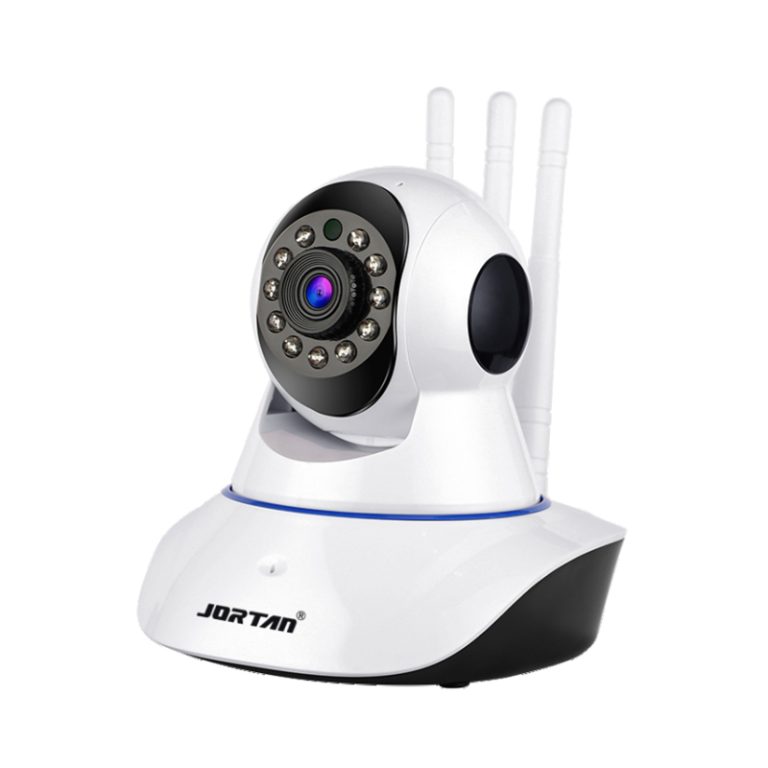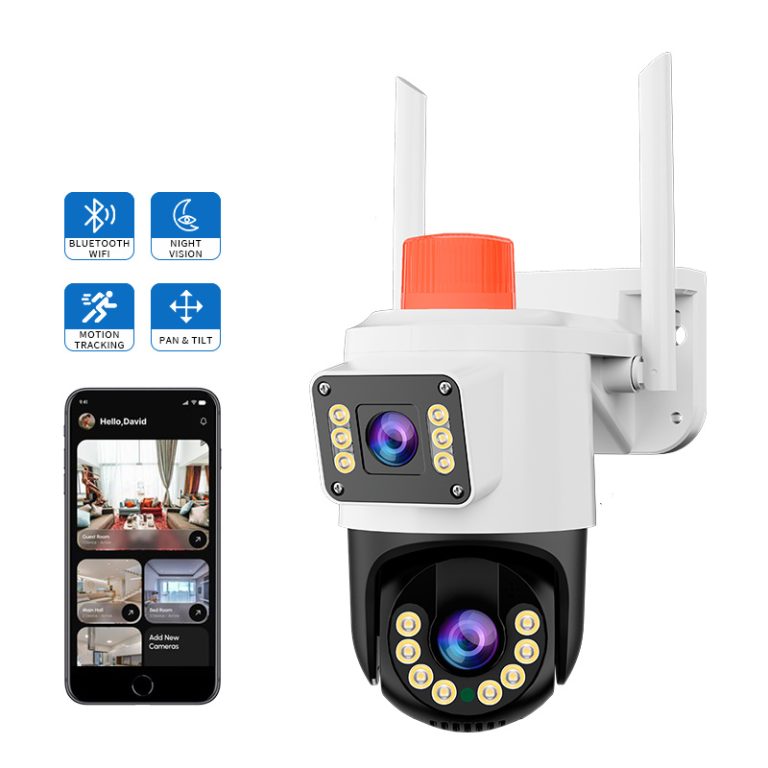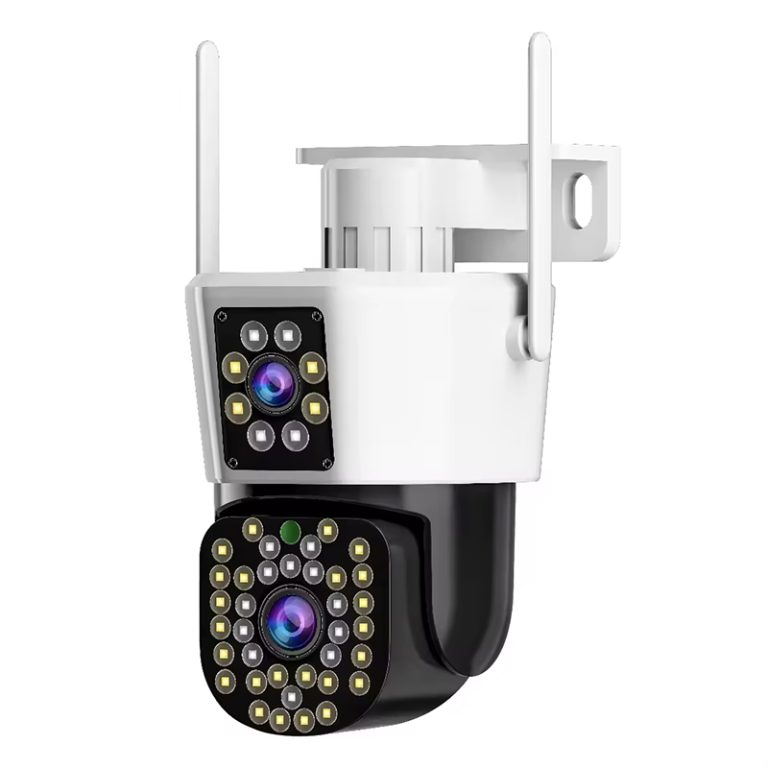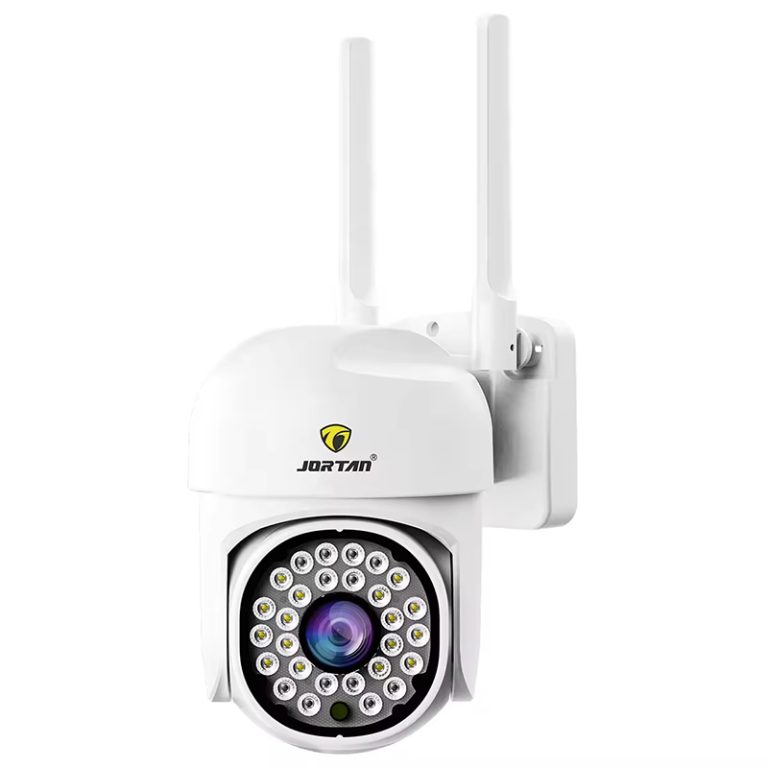

An engineering change order is where a private label camera program’s discipline shows. Component shortages, line yield, a cheaper supplier, a compliance question. Reality pressures the bill of materials constantly, and every pressure eventually arrives as a change request against a product someone already approved. Programs that treat an ECO as an email discover the difference at a customer’s receiving dock, when a new batch fails an acceptance that the old batch passed. The approval machinery below is what separates a change from a surprise.
What an ECO Actually Contains
A real engineering change order names the old part and the new part, the reason, the affected model and firmware versions, the affected camera BOM line, which production batches carry the change, and the qualification evidence attached. The qualification attachment is the product; the form is only its wrapper. A substitution of an image sensor, a lens barrel, an SoC, a memory part, or the Wi-Fi module changes what the device is, and the approval should read like someone knows that. A connector housing substitution usually does not, and the paperwork weight should follow the difference rather than the cost delta.
Risk Classes Decide Review Depth
Class one changes touch image, radio, or the user-visible experience. Sensor, lens, IR illuminator, antenna, processor, wireless firmware. These re-run the product’s core acceptance: image comparison against the golden sample under the standard scenes, network performance, app pairing, power behavior. Class two touches reliability or manufacture without touching the experience, for example a passivated bracket or a revised mold gate, and needs a shortened qualification plus the supplier’s own test report. Class three is cosmetic, a carton artwork revision, a label position. Both parties should sign the class definitions once, attached to the agreement, because half of all change-control disputes are really disputes about which class a change belongs in.
The same classes deserve asymmetric approval rights. Changes a distributor would see in a comparison shop, image and appearance, need buyer sign-off before any batch ships, full stop. Internal reliability improvements can run on notification with evidence, which respects engineering reality while closing the door on the surprise substitution. Silent changes belong to one class only, the class with no such thing.
Match Qualification Tests to the Changed Component
The test plan should follow the component being changed rather than repeat one checklist for every ECO. A sensor substitution calls for image comparisons under agreed reference scenes, including difficult lighting that can reveal differences in exposure, color, detail, and noise. A lens change should be checked for focus, field of view, distortion, and sharpness. If the infrared illuminator changes, night images need a separate comparison because daytime samples cannot demonstrate whether illumination coverage has remained acceptable.
A radio or antenna change requires evidence on connection stability, pairing, and compatibility with the app or recorder used in the approved configuration. If the processor, memory, or power components change, qualification may also need to cover startup, recording continuity, heat, and power consumption. Mechanical substitutions should be checked for fit, mounting alignment, sealing, and cable clearance. A cosmetic change may need approved photographs and packaging checks, provided it does not affect labels, ventilation, or another customer-visible feature.
The record should identify the test sample, old and new part numbers, firmware build, test conditions, acceptance criteria, and reviewer. Old and new samples must be compared under equivalent settings. A statement such as “tested OK” does not help a buyer explain a later difference in image quality or field performance. If a result falls outside the agreed limit, the ECO should remain open until engineering proposes a correction or the buyer approves a documented deviation.
Version Control at the Batch and Box Level
Approved changes need a physical trace, or the approval decays at the factory door. The working mechanism ties every change to serial ranges and carton markings. An ECO-14 substitution of the 2.4 GHz module applies from serial 26041201 upward, the cartons carry the revision code, and the distributor’s warehouse can tell a changed unit from a photo of its own shipment. The asset register on the buyer’s side records the same boundary, so a month-nine field complaint reads as a version lookup. Firmware gets the same treatment, since a wireless camera like the JT-8293QJ line ships with an app pairing stack, and an unlogged baseline change breaks exactly one installer’s weekend and every argument that follows.
A batch certificate naming BOM revision, firmware version, and the ECO list inside the boundary turns incoming inspection from a judgment into a confirmation. Inspectors open the box, read the version, compare, done. The certificate costs a technician twenty minutes per batch and removes the one question incoming inspection exists to ask, whether this shipment is still the product that got approved.

The Approval Workflow that Survives a Shortage
Process pressure breaks change control at the worst hour. A line stops, a component is short, the ship date is fixed, and a rushed substitution gets approved verbally with evidence promised later. Later means never. Two clauses prevent the shape of that story. An emergency lane with a defined trigger, a named approver per side reachable within twenty-four hours, and provisional shipment allowed against a named evidence deadline and a flagged batch. And a revocation clause: evidence missed means the batch gets treated as unapproved, with a stated remedy. Boring, mechanical, it holds. The pattern the Jortan production process follows, from injection molding and assembly through two test stations to shipping, only stays honest when the change record travels with the batch, and the test stations are where a fake record dies fastest. Programs standardizing this paperwork can request the change-control template and run their first ECO against it.
Conclusion
A change order only counts as approved once its qualification evidence sits attached to it. Class the change by what the customer can perceive, sensor and lens and appearance changes get buyer sign-off before any batch ships. Record every approved change at serial and carton level, pair it with the firmware baseline, and let incoming inspection confirm rather than judge. Build the emergency lane honestly, with a deadline and a revocation, because the line-stop substitution is coming to every program and change control that only works under calm conditions is not change control. Written into the agreement once, the machinery then just runs.
FAQ
Q1: Who should approve an ECO in an OEM camera program?
A1: Class-driven. Image, radio, and appearance changes need the buyer’s named approver before shipping batches. Internal reliability and process changes run on evidence-backed notification. One signed class table per program ends the jurisdiction arguments.
Q2: How do buyers detect unapproved substitutions?
A2: Incoming inspection checks the batch certificate against the approval register, and a periodic teardown sample, a few units per year, opens the housing against the BOM of record. The certificate plus the teardown makes silent changes a contract breach with proof rather than a rumor.
Q3: Should firmware changes go through ECO?
A3: They should, when they alter pairing, app behavior, recording, or cloud endpoints. An unlogged firmware baseline is the same class of surprise as an unlogged module swap, and the batch certificate should name both versions.