A security budget can be approved in one quarter and feel out of date by the next. A revised component quote, a custom carton change, or a replacement request spread across several camera models may not look dramatic on its own. Together, those small movements decide whether a project produces useful security camera ROI or leaves the buyer paying for avoidable complexity.
The lowest unit price is rarely the whole purchasing picture. Importers, distributors, and project buyers also carry the cost of repeated sampling, inconsistent accessories, fragmented communication, rework, support calls, and stock that cannot be shared across a product range. An integrated manufacturer can reduce some of that friction because more stages sit within one operating chain. That advantage is real, but it is not a promise that every quote will remain unchanged.
Why Integration Changes the Cost Equation
An integrated manufacturer is valuable when manufacturing depth changes the buyer’s exposure, not simply when a sales page uses the word factory. The review should connect production stages to a commercial result: fewer handoffs, clearer change decisions, more consistent parts, and a shorter path from a sample problem to a corrective action. These are the foundations of repeatable camera manufacturing, rather than marketing labels.
More Than a Lower Unit Price
A camera quote represents a working product, not just a housing, sensor, and carton. Light passes through the lens to the image sensor, is converted from an analog signal into a digital signal, is processed by the ISP or DSP, and, for a network camera, is encoded and compressed in formats such as H.264, H.265, or H.266 before output. The commercial offer therefore includes imaging, processing, connectivity, storage behavior, power parts, firmware, housing, accessories, packing, and assembly. A lower unit price can lose its appeal when those surrounding items are sourced and supported through separate channels.
Where Fewer Handoffs Help
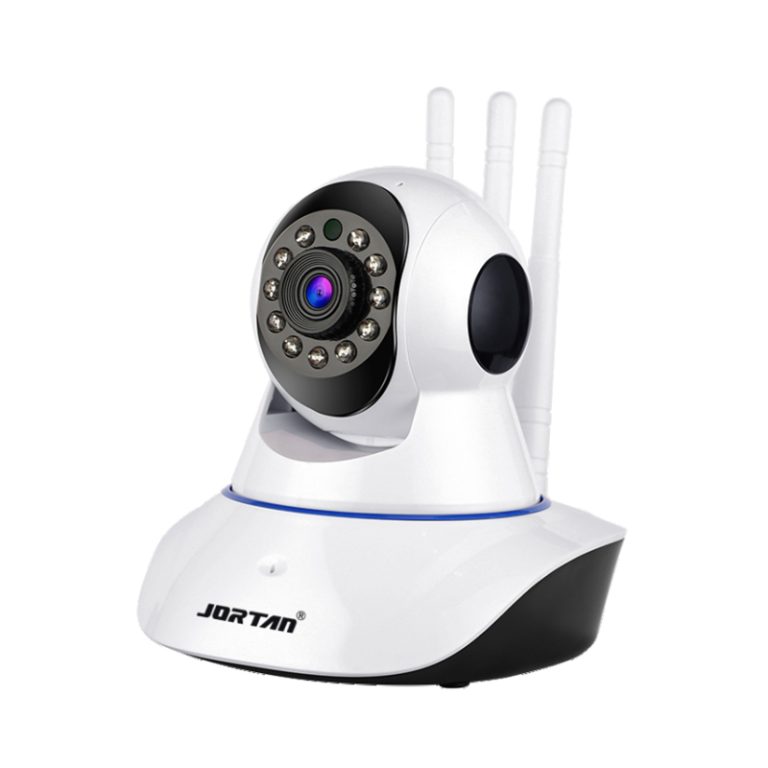
Jortan’s production flow covers mold work, chip processing, injection molding, assembly, sampling, inspection, packing, and shipment. That chain gives a buyer concrete checkpoints for a private-label program: approve the appearance, check a sample, review the production result, and confirm packing before dispatch. It does not remove every risk, but it can reduce the number of separate parties that need to explain a change.
For buyers comparing a security camera supplier, the useful test is simple: can the supplier trace a proposed change to the affected model, part, package, and approval sample? A clear answer is often more valuable than a broad claim of vertical integration. Jortan gives a starting point for that conversation, while the order still needs its own specification and acceptance record.
Lock Down Specifications That Protect ROI
Cost stability begins before production, when the specification is still easy to change. A vague brief creates multiple interpretations: one party may price a particular lens or memory option, while another assumes a different accessory pack. Once cartons, tooling, and assembly time are committed, a small revision can affect purchasing, testing, labeling, and after-sales support at the same time.

Make the Approved Sample Measurable
The release file should name the model, image setting, lens, connection method, power input, storage route, recording behavior, application expectations, enclosure, mounting parts, cable, carton marks, labels, and language. It should also state which substitutions require written approval. A photograph of a sample helps, but it cannot replace a list of functional and physical checks.
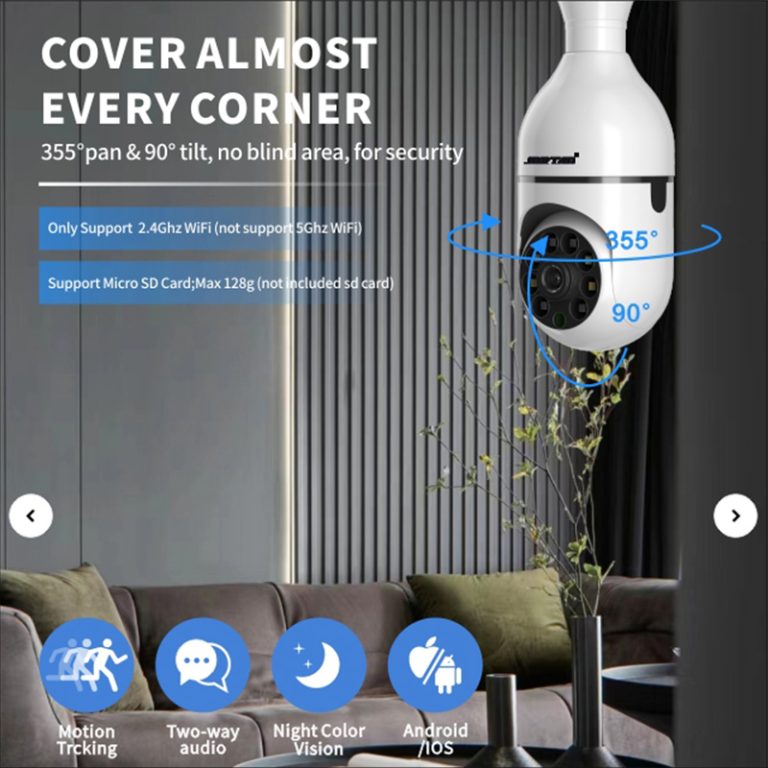
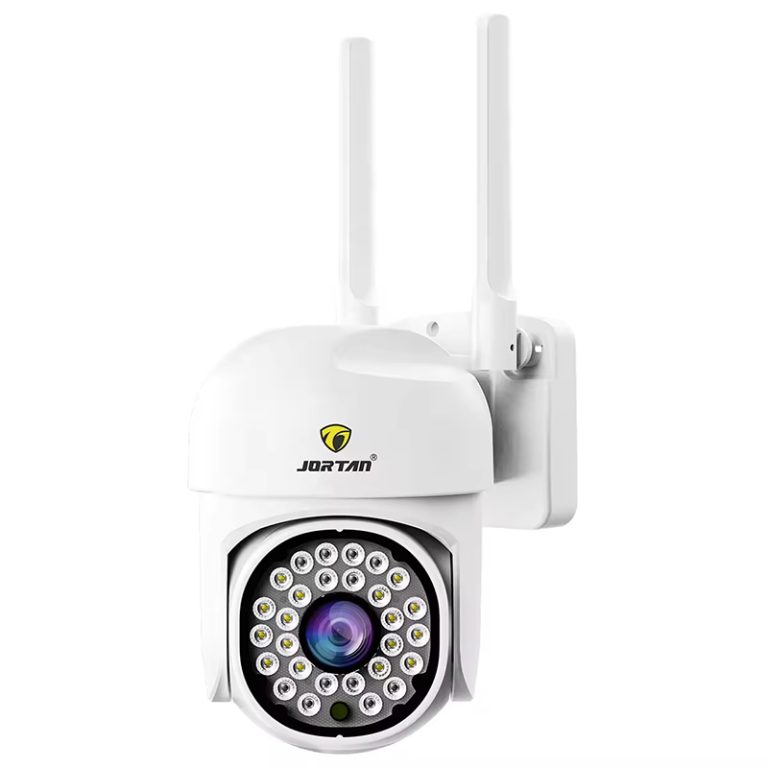
Jortan describes consumer cameras with WiFi networking, TF card or cloud storage, basic human detection, voice alerts, and mobile app management. The published 8185XM information also lists H.265 video, 1920x1080P output, alarm and manual recording, cloud and local Micro SD storage, mobile-phone memory, Micro SD support up to 128GB, PIR wake-up, and IP66 protection. Those details show why a specification must cover both the headline image and the functions that create support obligations.
Separate Fixed Facts From Variable Costs
A quote should distinguish the approved product from variables such as packaging quantity, plug type, freight route, inspection scope, spare ratio, and validity period. This makes a revised quote easier to read. A change in shipping or carton volume is not automatically a change in the camera itself, while a changed chip, firmware behavior, lens, or storage route can affect the product promise and the replacement process.
When a private-label line needs logo, packaging, color, appearance, mold opening, or app customization, each choice should have an approval point. The OEM/ODM camera service is relevant to that kind of program, but it should be paired with a written version record. A buyer gets better security camera ROI when a later batch can be compared with the approved one without guesswork.
Use Manufacturing Scale Without Losing Flexibility
Scale helps when common parts, repeat processes, and shared tooling reduce unnecessary variation. It becomes less helpful when a buyer is pushed into a large commitment before demand, support needs, and regional requirements are clear. A sound program uses scale where it lowers repetition while keeping the approval route flexible enough to catch a mismatch before it spreads across a full order.
Choose Common Platforms Carefully
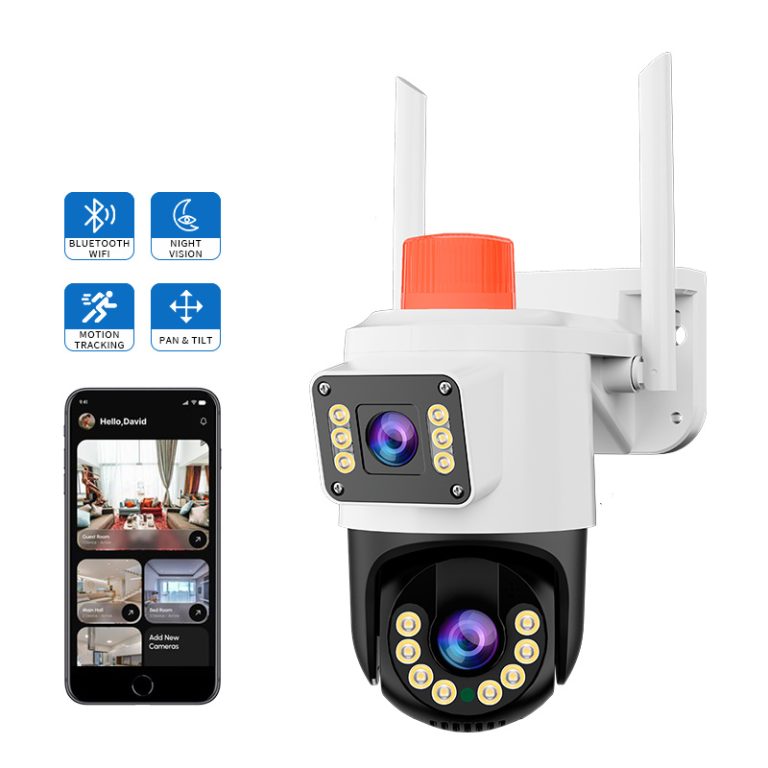
Home cameras primarily support WiFi networking, TF card or cloud storage, simple AI features such as human detection and voice alarms, and mobile app management. Network cameras can use RJ45, WiFi, 4G, or fiber transmission, while common power options include AC24, DC12, DC5V, solar energy, and batteries. Those interfaces affect parts, packaging, installation, and support, so the release file should name them.
IP cameras may connect through an Ethernet cable and broadband modem or router or wirelessly through a WiFi router. Once connected, they capture footage and send it to a network video recorder. The IP camera can help a buyer frame the comparison, but network conditions, recorder compatibility, and the current model configuration still need confirmation before a multi-model rollout.
Treat Tooling and Customization As Assets
Private molds and in-house injection molding can support a product identity that is difficult to maintain through a chain of unrelated vendors. They may also reduce repeated coordination for a housing revision or accessory fit. The commercial question is who owns the tooling decision, how revisions are approved, and whether the design will be used across enough volume to justify the commitment. Tooling is not automatically a saving; it is a long-term cost decision.
Jortan combines its own mold, chip-processing, injection-molding, assembly, inspection, and shipment capabilities with OEM/ODM options. For a buyer, that can support a more direct discussion about a repeat camera manufacturing program, particularly where appearance, packaging, and app behavior need to stay aligned. A WiFi camera may suit one channel, while another needs a different power or recording model. The range decision should follow the end use, not the factory story alone.
Measure Total Cost After the Shipment
A procurement team can protect the initial quote and still miss the larger cost if the products create avoidable work after arrival. Security camera ROI should be reviewed across installation, replacement, storage, customer support, and the time needed to keep a product line saleable. The aim is not to force every expense into one spreadsheet. It is to make recurring friction visible before it becomes normal.
Track Quality, Support, and Replacement Work
Use a small set of repeat measures: incoming defects, missing accessories, app or network questions, replacement requests, time to identify a batch, and time to close a supplier action. These figures do not prove a supplier’s quality by themselves, but they show whether the purchase is creating work for the warehouse, installer, support team, or distributor. A lower camera manufacturing price is less attractive when every unit needs extra handling.
For compact local recording, the 8185XM camera model provides a concrete example of a product whose published features include H.265, alarm and manual recording, local Micro SD storage, PIR wake-up, and IP66 protection. Those specifications can shape a comparison sheet, but current batch details and included accessories should be confirmed with the supplier before a commercial promise is made.
Build A Pricing Conversation Around Evidence
A stable pricing discussion should cover the validity period, what is fixed, what is variable, the trigger for a revision, and the notice needed before a substitute or packaging change. It should also identify the party responsible for freight, inspection, customs documents, and destination requirements. This is more practical than asking for a permanent price, which no responsible manufacturer can promise across changing components and shipping conditions.
The best supplier conversations connect a commercial change to an affected order line and a buyer decision. Ask for the original specification, the revised item, the reason for the change, the available options, and the effect on testing or support. That record gives finance, sales, and operations the same basis for deciding whether the projected security camera ROI still holds.
Conclusion
Integrated manufacturing can make camera procurement more predictable by reducing handoffs, keeping specifications closer to production, and creating clearer checkpoints for samples, inspection, packaging, and replacement decisions. It cannot freeze every input or guarantee a permanent quote. Buyers get stronger security camera ROI when they measure the whole program and ask for evidence behind each claimed saving. For a current OEM, repeat order, or supplier review, contact kingjin@safejortan.com.cn.