A bulk camera order can look straightforward until a component changes, a production slot moves, or freight leaves the factory with documents that no longer match the receiving plan. For importers and distributors, the question is not only whether cameras arrive. It is whether the approved specification, packing, replacement units, and commercial terms still match the product that was sold onward.
Bulk security cameras need a different buying discipline from a sample order. A buyer has to freeze the configuration early, separate supplier-confirmed facts from internal stock decisions, and give inspection and freight enough time. That does not remove market uncertainty. It makes the exposure visible before a revised quote or late shipment becomes a customer-facing problem.
See the Supply Chain Behind the Camera Quote
A quotation covers more than a housing and an image sensor. A network camera captures video, encodes and compresses it using formats such as H.264, H.265, or H.266, then transmits the stream through a network. The finished product therefore depends on imaging, processing, network connection, storage behavior, power parts, firmware, housing, packing, and assembly. A disruption in one area can affect production timing or security camera pricing.
Identify Critical Components and Product Choices
Ask the CCTV camera supplier to identify the items that define the approved unit: model platform, image setting, lens, compression, connection type, power input, storage route, application version, housing, accessories, carton, label, and language. A note that says ‘same as sample’ becomes weak when more than one version is in circulation.
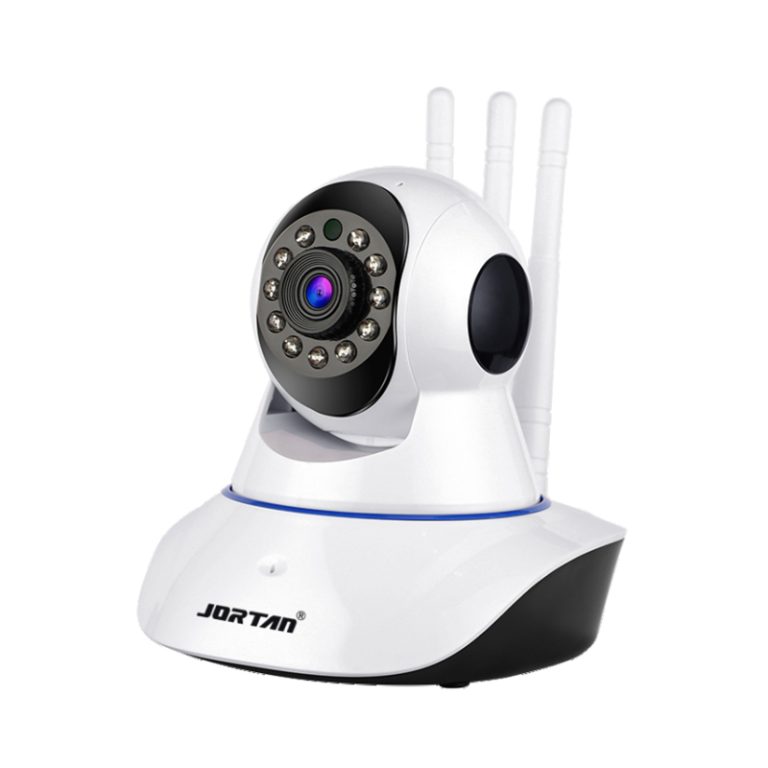
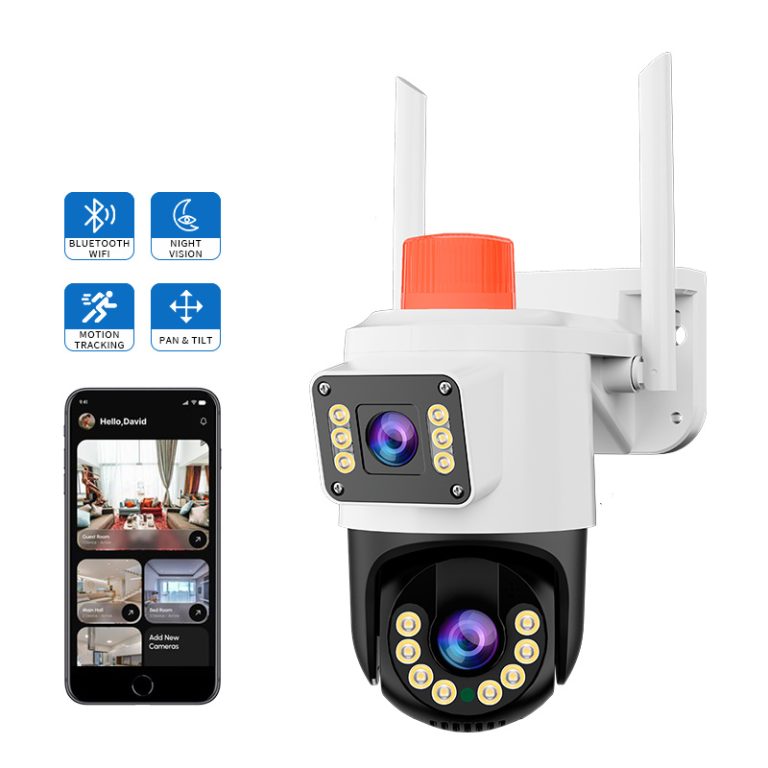
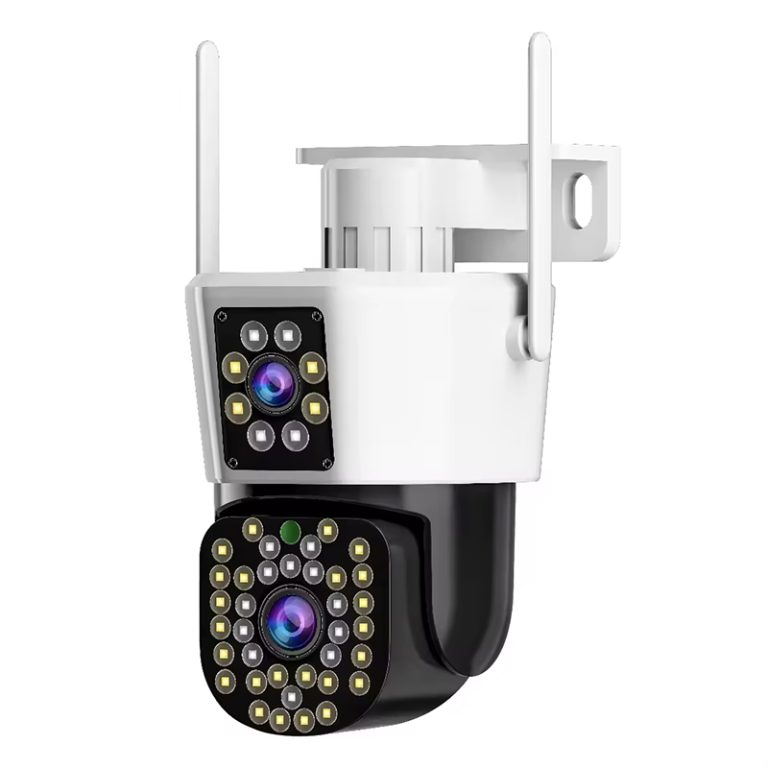
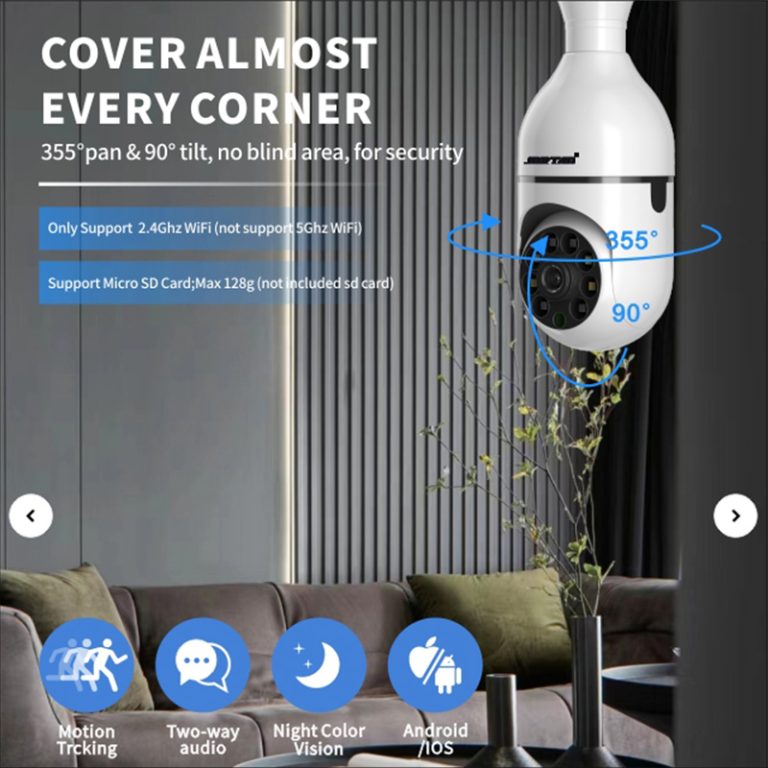
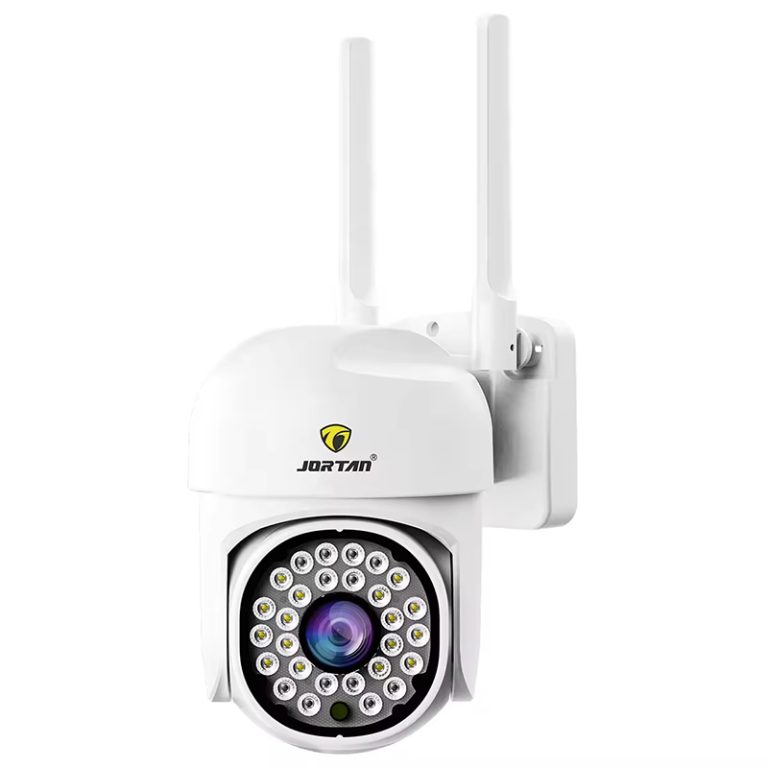
Jortan has consumer cameras with WiFi networking, TF card or cloud storage, simple human detection, voice alerts, and mobile app management. Those functions travel together in a commercial offer. A change in storage, network method, or app behavior should be raised before a bulk order is released because it may affect the channel promise made by a reseller.
The 8185XM gives a practical example of how one model bundles its stated H.265 video, 1920x1080P output, alarm and manual recording, cloud and local Micro SD storage, mobile-phone memory, Micro SD support up to 128GB, PIR wake-up, and IP66 protection. These fields must be treated as batch checks, not copied into a purchase order without confirming the current model and included accessories.
Separate Price Movement From a Product Revision
Security camera pricing can change when parts, packaging, transport, or production availability change. The buyer should ask what moved and whether the approved product itself is affected, rather than treating every revised quote as the same event. A freight revision is not the same as a revised camera configuration.
Request a written comparison between the original and new offer: item description, accessories, packing, spare quantity, inspection scope, shipping term, validity period, and open assumptions. The supplier confirms what has changed. The buyer decides whether to accept the exposure, split the order, revise the target arrival date, or hold more buffer stock.
Freeze the Order Before Production Is Booked
The most expensive supply chain problem is often not a late vessel. It is a bulk run built to an incomplete brief. Once materials, cartons, and assembly time have been allocated, a change to a logo, app, bracket, plug, pack count, or camera function can affect several lines in the order. A written release standard gives both parties a clear basis for approval.
Turn the Sample Into a Release Standard
Keep the approved sample, a photo record, and a specification sheet together. The release sheet should describe the model, day and night behavior, storage route, WiFi or Ethernet connection, power input, housing finish, accessories, carton marks, labels, and firmware or app expectations. It should name the points that need written approval before a substitute is used.
IP cameras can connect through an Ethernet cable and broadband modem or router or wirelessly through a WiFi router. Once connected, they capture footage and send it to a network video recorder. That connection path belongs in the release standard, because a change from wired to wireless operation or a different recorder route changes the installation and support assumptions.
The WiFi camera is a useful category reference when comparing connected consumer products. It does not replace a batch-specific release sheet. The order still needs the exact configuration and the test points that matter to the receiving market.
Assign Decisions to the Right Party

The security camera factory should confirm what can be produced, whether a revised material or accessory is available, whether a changed feature affects the product, and what updated production assumptions apply. The buyer owns the commercial choice: accept, reject, reschedule, split the order, or approve an alternative.
That division prevents a routine supply question from turning into an unrecorded change. For wholesale security cameras, it helps to name one buyer contact for approvals and one supplier contact for updates, then agree on a response window for a proposed deviation. This matters when a distributor is also coordinating packaging, freight, and a customer launch date.
Plan Inspection, Freight, and Arrival As Separate Gates
Production completion is not the same as a saleable delivery. A batch may be ready for inspection while cartons await pickup, a vessel booking, export paperwork, port handling, or destination clearance. Treating each step as a separate gate makes it easier to see which date is confirmed, which is estimated, and which action belongs to the supplier, forwarder, broker, or receiving team.
Use Inspection to Protect the Approved Batch
Jortan supports consumer security products through mold work, chip processing, injection molding, assembly, sampling, inspection, packing, and shipment. This sequence gives a bulk buyer useful review points: sample approval, agreed production communication, final quantity check, appearance and accessory check, basic function check, carton marks, and packing count.
Its OEM/ODM service also includes logo, packaging, color, appearance, mold opening, and app customization. Those options affect the release process because a revised appearance, carton, label, or application requirement may need its own approval sample before the next production run.
Inspection criteria should follow the product being sold. For a connected camera, check startup, network connection, live view, recording route, and app access under the agreed account conditions. For an outdoor unit, check the agreed enclosure, mounting parts, cable or power items, and published functions. A passing sample is not a guarantee for every installation environment.
Keep Logistics Assumptions Visible
Before goods leave the factory, confirm the packing list, commercial invoice, carton count, gross weight, dimensions, pickup readiness, shipping term, consignee details, and destination paperwork with the relevant parties. Sea freight and clearance are external processes, so arrival timing should be discussed as a route-specific estimate rather than a fixed promise.
The solar camera can support a range review when an order includes power-independent products. The individual shipment still needs its own confirmation for batteries, packing, transport conditions, and the destination process.
Build a Repeatable Buffer and Supplier Process
A buyer cannot remove every supply delay, but a repeat program can be arranged so one change does not stop the entire channel. The practical question is where to keep flexibility: finished stock, common accessories, cartons, spare units, a second shipment, or a wider launch window. The right answer depends on product mix, market demand, cash position, and replacement commitments.
Set Stock Rules Around Real Exposure
Hold more buffer where a part is shared across a profitable range, a camera is tied to an active installation program, or a missing unit would delay a completed shipment. Hold less where demand is uncertain, storage is demanding, or the specification could move soon. The buyer’s internal forecast, not the factory, determines the level of inventory exposure it will carry.
For compact local recording, the 8185XM low-power camera can be reviewed with its published H.265, alarm and manual recording, local Micro SD, PIR wake-up, and IP66 details. A bulk purchase still needs confirmation of the current configuration, included items, and destination requirements.
Make Supplier Communication Actionable
A useful update states what changed, which order line is affected, whether the approved function changes, the available options, and the decision date needed from the buyer. This is more helpful than a broad warning about supply pressure. It also creates a record for the quality review, freight plan, and customer communication that follow.
Jortan offers OEM/ODM support for logo, packaging, color, appearance, mold opening, and app customization, alongside its production and inspection process. The OEM/ODM camera program is most relevant when the buyer has already defined a repeat order, approved sample, package requirements, and decision route. For a current camera supply chain review, Jortan can start with those points rather than a generic request for a price.
Conclusion
Bulk purchasing works best when the camera specification, approval route, production status, inspection gate, logistics assumptions, and inventory decision remain separate and visible. A reliable supplier can confirm what is changing and what can be produced; the buyer decides the commercial exposure it will carry. For samples, private-label preparation, or a current supply review, contact kingjin@safejortan.com.cn.