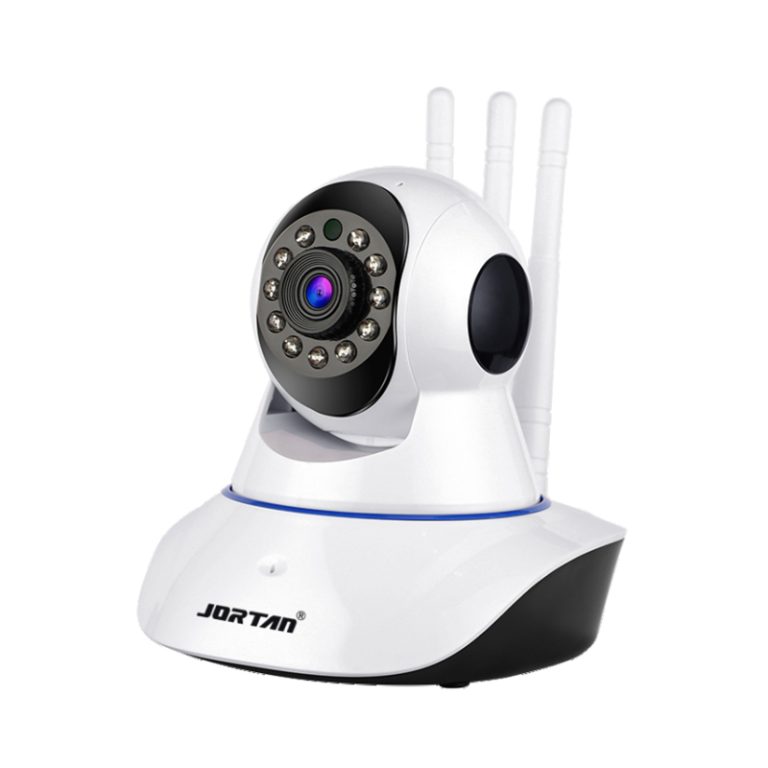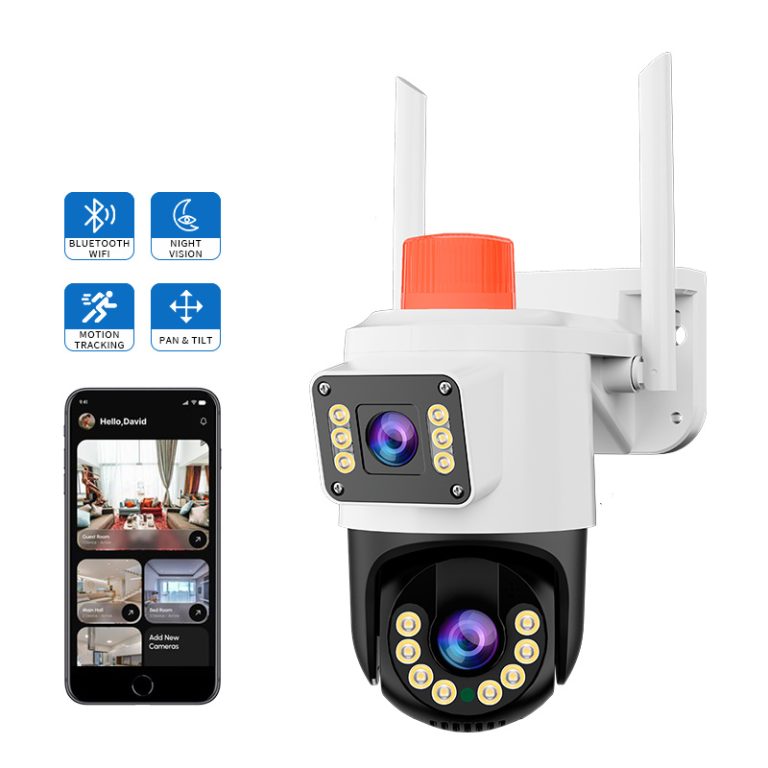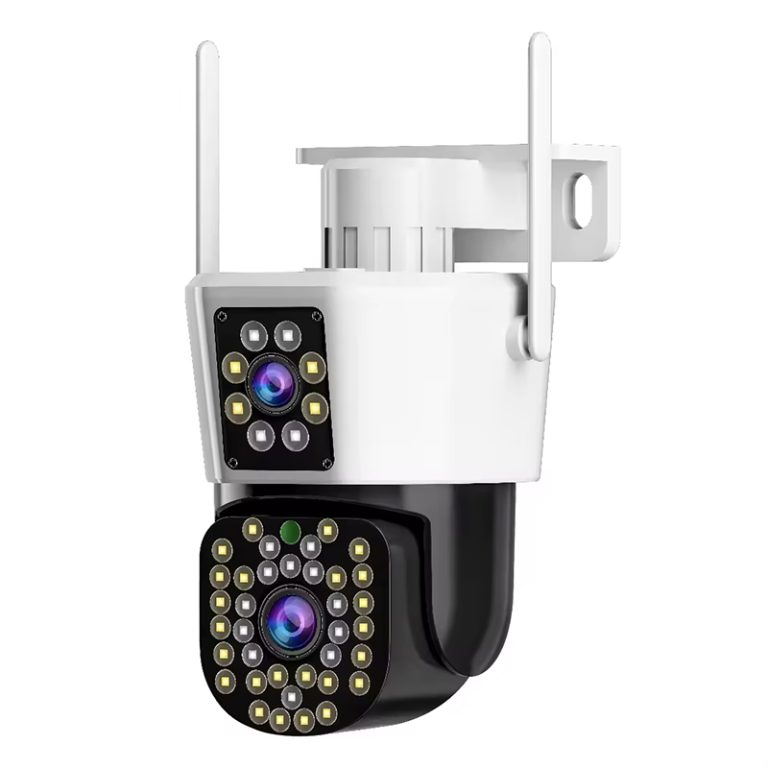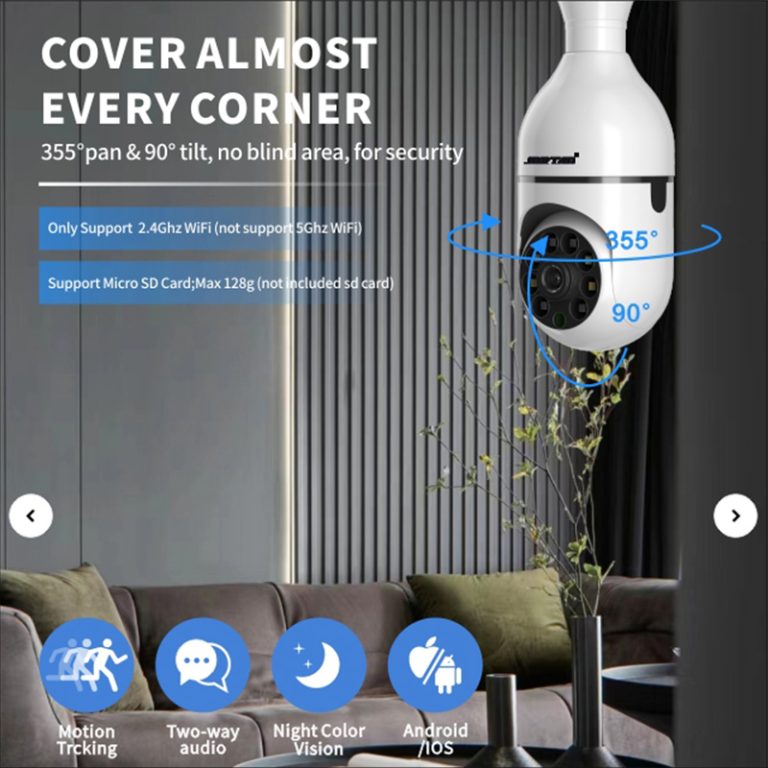
A completed camera often conceals a series of important choices. The image sensor and lens must work together with the processing board. Firmware needs to match the radio, storage, and app. The housing must protect the assembled electronics. It has to do this without blocking the view or heat path. For a B2B buyer, “made in a factory” is not enough to evaluate supply risk. A more useful discussion follows one sample from incoming components.
Start with the approved bill of materials
Similarly, the production of PCBs for Jortan products starts before they are sent to the assembly line and requires a controlled bill of materials for sensor, processor, memory, network module, power parts, connectors, lens, illuminator, microphone, speaker, and motor where required, as well as housing, seals, brackets, and accessories. Critical Components need to be identified and a process established to approve alternative components. Incoming components must be inspected for identity, quantity, random damage, and lot number traceability. A single photograph of a production line does not necessarily mean that it was this line that made the products you are quoting for. A substitution can change more than cost. A different sensor may alter night performance. A radio module may affect app pairing. A new seal may change fit around a cable exit.
Ask for a revision-controlled BOM or a change declaration that you can share with your buyers. It might contain confidential information about your suppliers, but it should at least specify the critical parts and the procedure to approve substitutions. Try to get information on how you will verify the identity, quantity, condition, and lot number of the components you receive. Do not rely on a photo of a production line to verify that they are producing the model you have quoted for. A process traveler for one serialized sample is a very useful independent asset. It contains the following information: component lot, board revision, firmware, assembly date, functional station, any rework, and the final carton label so that returned units can be connected to the correct production units. For planned projects or private-label products, share model information and target markets with your suppliers prior to your production audit discussion. Find out what the actual boards, housings, firmware, and packaging look like for your production lines. Jortan’s factory and tooling capabilities should be evaluated through current records and a sample walk-through. The buyer’s own acceptance criteria must be agreed before bulk production.
Follow the signal from PCB to image
On the board, components are placed and joined through the supplier’s chosen assembly process. A buyer does not need to inspect every solder joint. However the buyer should ask what inspection is used for the board type and what happens when a board fails. The answer should name a record or disposition step.
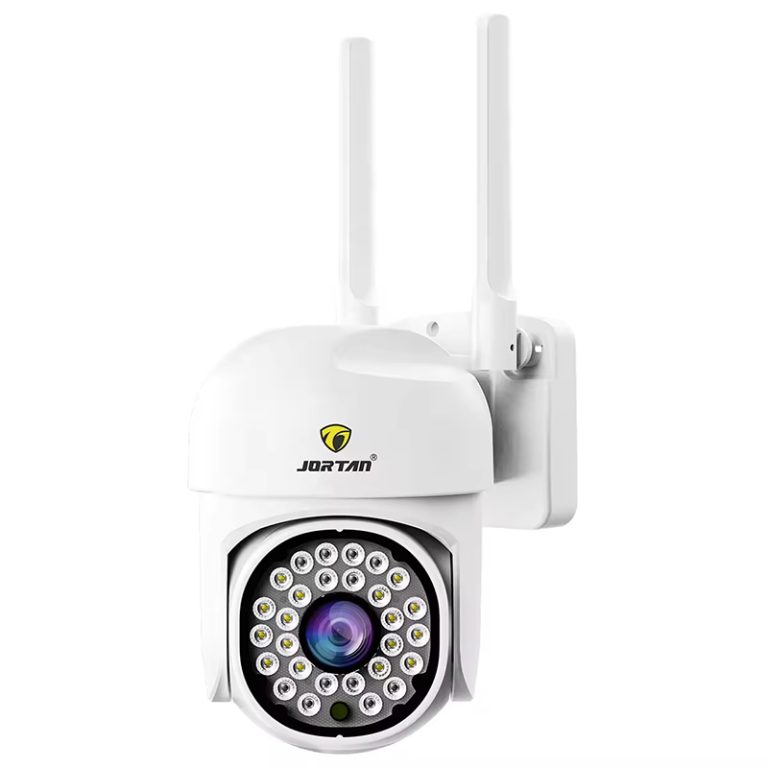
A model such as the JT-8177 outdoor camera can be used to frame a production audit around a defined housing, cable path, lens, and lighting configuration. Its final specification must be checked against the purchase version. The aim is to follow the exact product family through the line. It is not to infer process quality from a catalog image.
For a second reference point, compare the line record for the JT-9696PRO camera only if that model shares the process stages under review. Similar product families can still have different boards and final checks.
For camera production, the process traveler should connect the optical and electronic revisions. The sensor receives light through the lens. The board processes and encodes the image. Firmware then governs network, storage, and event behavior. A mismatch in any one stage can make a sample behave differently from a production unit. Ask the supplier to state which tests follow board assembly. Ask which occur after the lens and housing are fitted. Also ask which are repeated after firmware loading. Record the station and pass evidence rather than accepting a broad statement that the product is tested.
Firmware, enclosure, and final assembly
Map out the functional elements of the board that the user will interface with. This could include network settings, image adjustment, file storage, motion settings, audio configuration, app pairing, and update functionality. In addition to approval of the sample, find out how approved firmware will be loaded onto production units and how individual stations verify that they are running the approved version. Make sure that a ‘reset to default’ will not mysteriously revert to a different regional default or clear a crucial default setting. Have the approved firmware string recorded on the sample approval and verify this against the approved version during the incoming inspection. The functions of the board are ‘housed’ within the physical casing of the unit. If your project includes private housing or even branded products for commercial clients, consider Jortan’s OEM/ODM development service in addition to the camera manufacturing range, which can act as a starting point for your brand. In terms of actual stage ownership, confirm that approved drawings, the full material list, the trial sample, and confirmation of mold ownership and the change process are recorded. Tooling capability is of little use unless the design records are adequately connected to production.
Ask for release evidence, not a factory tour alone
A final camera check should reflect the order specification. A buyer can request evidence that the unit powers on. The unit should pair with the intended network or recorder. It must produce the specified view. It needs to record to the selected storage path. It should include the agreed accessories.
Conclusion
A credible camera manufacturing review follows a defined revision from component receipt to carton release. The buyer should leave with a process map, change rules, firmware and lot traceability, and records tied to the tested sample. The described route is an audit framework. Model-specific steps, in-house operations, and inspection results must be verified with the supplier.
FAQ
Q1: Does a factory visit prove that a camera is made entirely in-house?
A1; No. Ask which stages are in-house, which are subcontracted, and how revision and defect records follow the product between organizations.
Q2: What records are most useful before a bulk order?
A2: A revision-controlled specification, approved sample record, firmware identity, process map, inspection evidence, nonconformance process, and lot traceability provide a practical starting set.
Q3: Can a product’s IP rating replace installation checks?
A3; No. Confirm the exact tested configuration and inspect cable entries, connectors, mounting, and field installation details separately.