A night incident often exposes the gap between a camera quote and a usable security system. A low-priced unit may show movement after dark yet leave a buyer with blurred faces, a white glare from the nearest reflective surface, or a battery that cannot carry the recording pattern promised in the sales call. Meanwhile, enterprise-grade solutions can place a serious burden on a project budget, especially when an installer is protecting scattered gates, yards, and temporary facilities. An AOV camera occupies a more practical middle ground when its limits are clear. It keeps a low-rate visual record while a scene is quiet, then raises recording speed when a relevant event occurs. For B2B buyers, the value is not a fashionable feature name. It is a way to weigh tonight’s evidence, energy use, storage, and recurring service costs together before a specification becomes difficult to change.
What AOV Changes After Dark
AOV is commonly described as always-on video, but the useful procurement question is how the camera behaves during an uneventful hour and what it does the moment activity begins. That recording pattern differs from both continuous full-frame video and a camera that wakes only after a trigger. The distinction shapes the evidence available before an event, as well as the power and storage budget behind it.
Background Frames and Event Frames
In a low-power AOV design, the quiet scene can be captured at about 0.5 to 1 frame per second. When a person, vehicle, or other relevant event is detected, recording can rise to roughly 25 fps. The result is a continuous visual timeline without asking the camera to run full-frame recording all night. A buyer can see when a vehicle first arrived, then inspect the event itself with smoother motion and more usable detail. That is particularly helpful at a perimeter gate, a materials yard, or a rural access road where an alarm alone does not answer what happened just before it.
AOV Is Not Just Full-Color Night Vision
Color night vision and AOV solve different parts of the same after-dark problem. An AOV security camera describes a recording strategy. “Full color” describes image rendering under available or added light. Infrared cameras use IR illumination and normally produce black-and-white imagery. Starlight and full-color modes depend on ambient light or supplemental light; in complete darkness, color needs an added light source. Product claims become easier to assess once buyers separate those questions: what light is present, what evidence must be visible, and how often the recorder will run at its highest frame rate.
Compare AOV With Low-Light, Infrared, and Dual-Light Cameras
There is no universal best night vision camera. A warehouse entrance with managed white light has a different requirement from a dark equipment yard where a sudden white-light warning could disturb neighbors or reveal the camera location. Before comparing resolutions, compare what the site can tolerate at night and what kind of evidence the operator needs to retrieve.
When Color Needs Ambient or Added Light
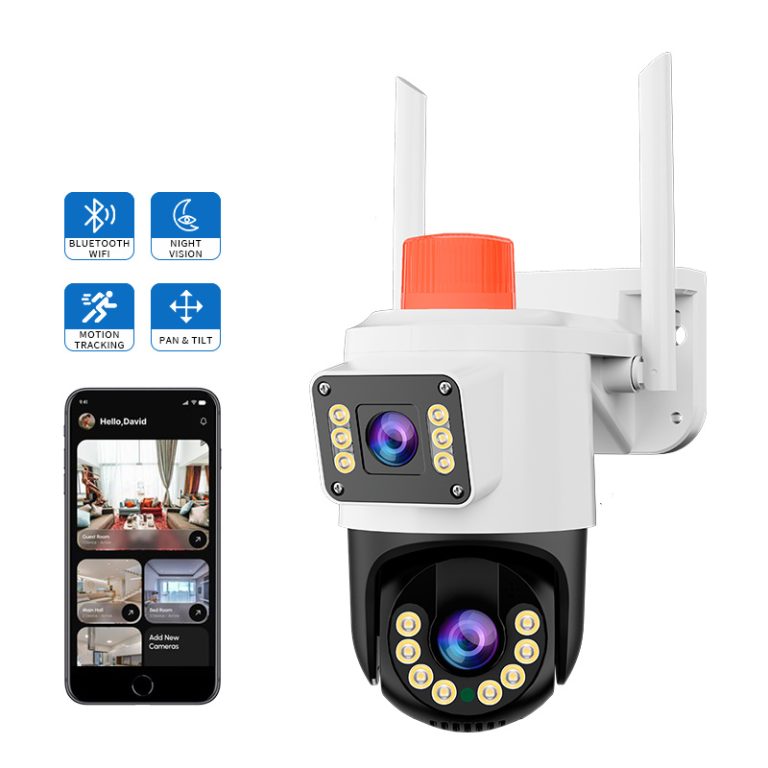
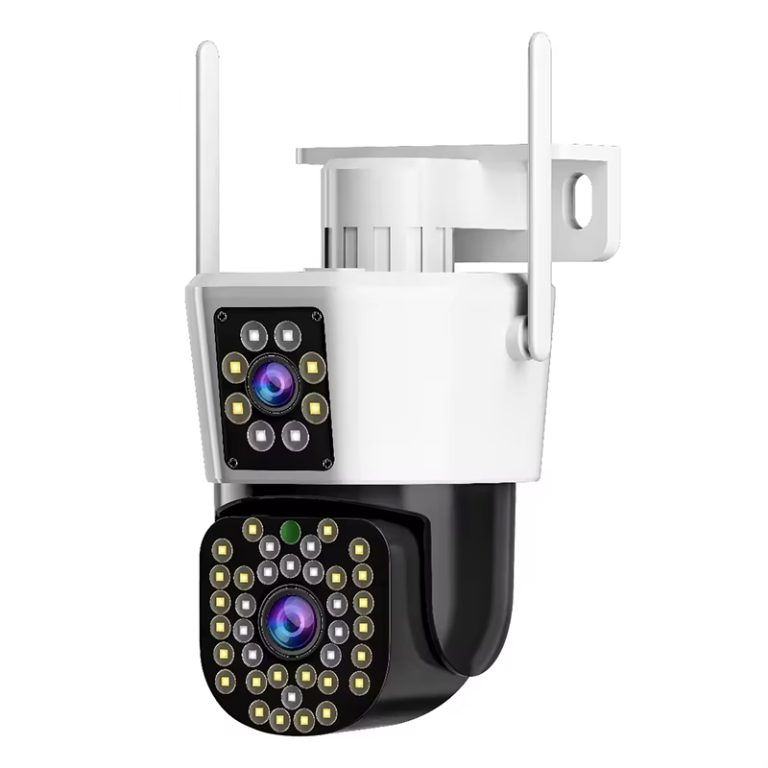
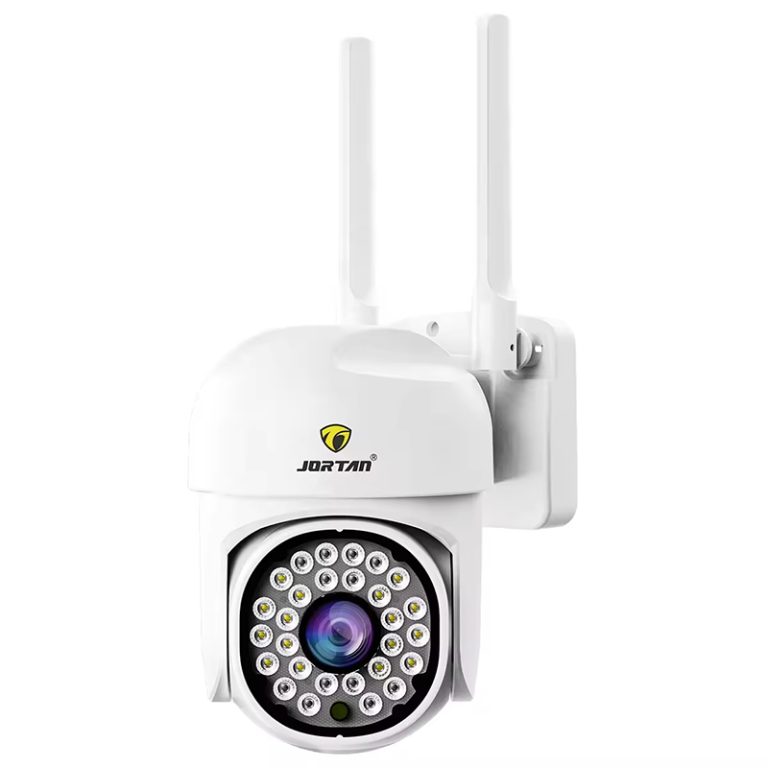
A full-color image can preserve vehicle paint, clothing color, and other contextual clues, but it cannot appear from total darkness without help. White or warm fill lights can support color and may act as a visible warning. IR is more discreet, although it shifts the image to black and white. Dual-light designs give buyers another option: maintain a darker IR view, then use visible light when a trigger needs stronger color evidence. The JT-8695PRO dual-light camera illustrates the comparison with starlight full color, IR night vision, and dual-light warning modes, plus 11 IR and 12 white LEDs. It also lists 2D/3D noise reduction and H.265AI, features that matter when a low-light scene is prone to noise and unnecessary bitrates.
Choose The Evidence Requirement Before The Camera
A loading area may need clear color during a scheduled delivery window but not all night. A remote gate may need a quieter black-and-white overview until a human trigger occurs. A residential-adjacent site may rule out frequent white-light activation. Ask for recorded clips, not just a live daytime demonstration, and test faces, plates where lawful, motion at the edge of the scene, and reflected light from wet ground or metal fencing. A lower-priced camera is useful only when it produces the proof the operating team expects under the actual night conditions.
Match Power, Storage, and Connectivity To The Site
The financial case for an AOV camera is usually stronger at locations where mains power, fixed broadband, or frequent service visits cost more than the hardware. Yet a low-power label should not replace an energy model. Activity levels, local weather, signal conditions, illumination behavior, and the selected storage method all need to sit in the same purchasing discussion.
Low-Power Recording Has Real Boundaries
Event-led frame-rate changes can reduce idle consumption, but a busy scene will spend more time at the higher rate. Solar positions therefore need a realistic view of seasonal sunlight, panel placement, battery reserve, nighttime illumination, and false-trigger risk. The JT-8699T solar camera provides useful reference points for such a review: a 7.5 W solar panel, a 10,800 mAh built-in battery, a 5 mA standby draw, PIR plus radar detection, and IP66 protection. Those details help a buyer frame the correct questions, but they do not remove the need to calculate against the site rather than a laboratory.
Storage Plans Must Follow Recording Behavior
A buyer who asks only for a card capacity can miss the larger issue: retention depends on frame rate, bitrate, scene noise, resolution, and how often the camera enters event mode. H.265AI can reduce the storage pressure of a demanding scene, while noise reduction can keep low-light video from consuming space on visual noise. Depending on the project, footage may live on a TF or SD card, cloud service, NVR, NAS, or another edge-storage arrangement. The JT-8695PRO supports cloud and TF-card storage up to 256GB, so it is a practical reference when comparing local-retention needs with remote access expectations. Document the required retention period and clip export process before deciding that a smaller storage option is a saving.
Buy AOV Cameras As A Repeatable Product Line
For an importer, distributor, or multi-site buyer, the final issue is repeatability. A promising sample can fail a wider rollout if night behavior changes with firmware, the housing does not suit the intended mounting, or a private-label version arrives with different component choices. The purchase process should therefore test the transition between modes and then lock the confirmed requirements into a product specification.
Test The Event Transition, Not Just The Daytime Image
Build a short test route: approach from the far edge, pause in the detection zone, walk across the field of view, and leave the scene. Review the background frames before the trigger, the time needed to lift to event recording, false alarms from vegetation or headlights, and the footage after the subject exits. Test the selected lighting mode in dry and wet conditions. Also check outdoor installation basics: stable mounting, protected rear connections, the proposed viewing angle, and weather resistance suited to the location. This is where an IP camera should be judged as a field tool, not a catalog image.
Turn Sample Findings Into A Stable Private-Label Specification
Later in procurement, factory control starts to matter. Jortan can support logo, packaging, color, appearance, mold-opening, and app customization through its security camera OEM/ODM service. Its production flow covers injection molding, chip processing, assembly, packing, raw-material testing, semi-finished sampling, and finished-product inspection. For buyers building a consumer security line, that creates a more direct route from an approved night test to a repeatable enclosure, package, and feature brief. It also helps avoid a costly mismatch between an early sample and a later batch. For a broader mix of standard IP, dual-light, and low-power models, the Jortan is a useful starting point for matching the product format to the intended channel.
Conclusion
An AOV camera can make night coverage more affordable when it is chosen as part of a recording and power plan, not as a shortcut around poor lighting or weak site design. Compare the quiet-state frame rate, event transition, illumination method, retention target, and real energy reserve. Then prove those choices with clips from the intended installation conditions. For sample requests, ODM details, or a product brief that balances AOV recording with color night vision and outdoor use, contact kingjin@safejortan.com.cn.