Inflation rarely arrives on a project plan as one dramatic line item. It shows up as a longer trench, a utility connection needing approval, a contractor who has repriced the crew, or a remote gate with no reliable power. For security buyers, these costs turn a modest camera request into a wider civil-works decision. That is why off-grid security deserves attention beyond the usual promise of no wires. A solar security camera can move protection to a yard, worksite, temporary access road, farm perimeter, or storage compound without waiting for a mains extension. The right system does not make every site cheap. It gives procurement teams a way to cap a large part of the cost before inflation reaches the groundworks.
Why Inflation Hits Wired Security First
A conventional security camera system brings together the device, cable route, power source, network backhaul, mounting work, testing, and repair access. Hardware pricing matters, but an expansion becomes expensive when each added camera needs a new path through a building or across a site. Off-grid planning changes that cost structure.
Cable Runs Multiply Small Cost Changes
Copper, conduit, poles, junction boxes, trenching, reinstatement, permits, and technician time can all move in price independently. A single increase is manageable. Several at once make a twelve-camera extension very different from its early estimate. Long outdoor routes also have awkward failure points: a damaged cable, a flooded duct, an exposed connector, or a power fault can take more time to find than to replace.
A Site Constraint Is Not a Camera Problem
The strongest case for off-grid security appears where electricity and fixed internet are absent, delayed, or expensive to extend. Construction staging areas, irrigation assets, quarry entrances, remote depots, and temporary logistics yards are typical examples. The camera industry already uses WiFi, 4G, network cable, coaxial cable, power lines, and optical fiber as different transmission choices. The practical question is which combination matches the site life and the cost of reaching it.
Build an Off-Grid System Around the Real Operating Window
Solar CCTV is not simply a camera with a panel attached. Its reliability depends on the balance between daily energy harvest, battery reserve, wake-up behavior, recording method, radio signal, and the amount of activity the camera must handle. A buyer who specifies these conditions early avoids paying for a larger system after installation.
Power Budget Comes Before Resolution
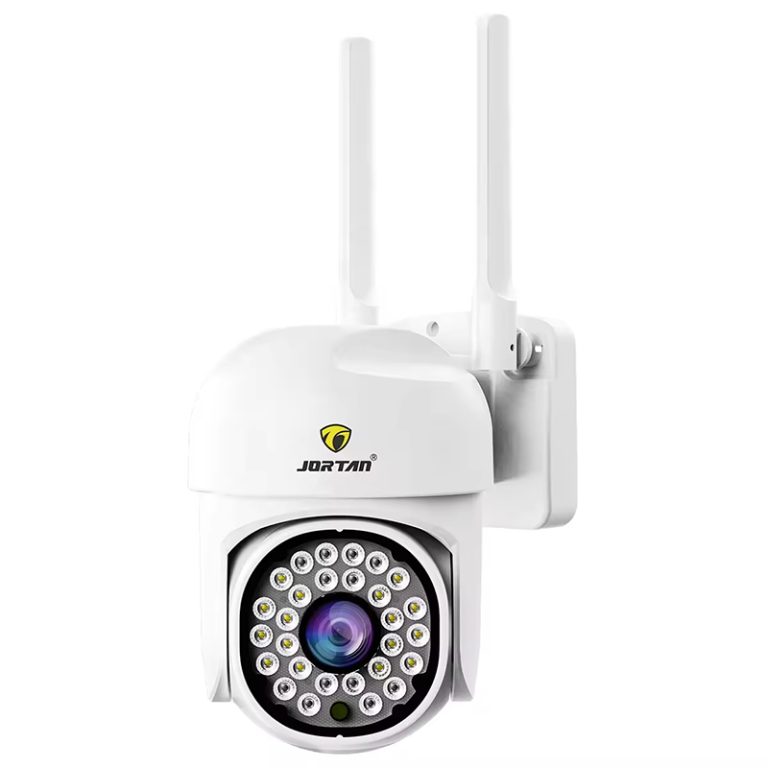
Look at active power draw, standby draw, local climate, panel orientation, and the required autonomous period. The JT-8699T solar camera provides a useful purchasing example: it combines a 7.5W panel with a built-in 10,800mAh battery, lists 5mA standby power, and is designed for solar-panel-plus-18650-battery operation. Those figures are not a substitute for a site survey, yet they are the kind of information that lets a buyer compare energy reserves instead of comparing product photos.
Events Matter More Than Continuous Recording
For a quiet perimeter, continuous high-bitrate recording can waste stored energy and fill a card with empty footage. PIR and radar or human-triggered wake-up rules reduce unnecessary activity when they are tuned to the scene. The same JT-8699T specification combines PIR and radar detection, supports human-related detection, and records locally to a TF card up to 128GB. A defined event policy protects battery life while still preserving the evidence a site manager needs.
Choose Coverage and Connectivity Without Creating New Dependencies
The next decision is not whether a solar security camera is wireless. It is whether the chosen link can carry the alerts and clips needed at that location. A local device can record during a service interruption, but remote viewing depends on a workable network path. The design should separate on-site evidence from live access.
Wireless CCTV Needs a Signal Plan
WiFi works well where an access point can reach the camera with a stable signal. At more isolated locations, 4G or another cellular path can be more realistic, especially for alert-led viewing. For sites that need wider coverage from fewer mounting points, the solar camera includes low-power and multi-lens options rather than one fixed format. Record the expected signal strength, data allowance, and placement height before choosing the communications method.
Coverage Can Reduce Future Extension Work
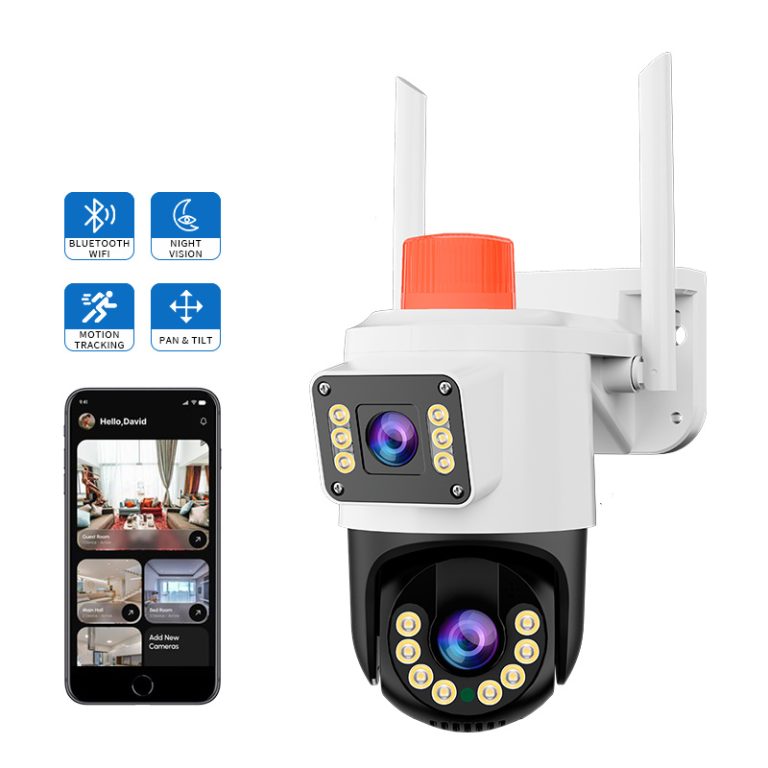
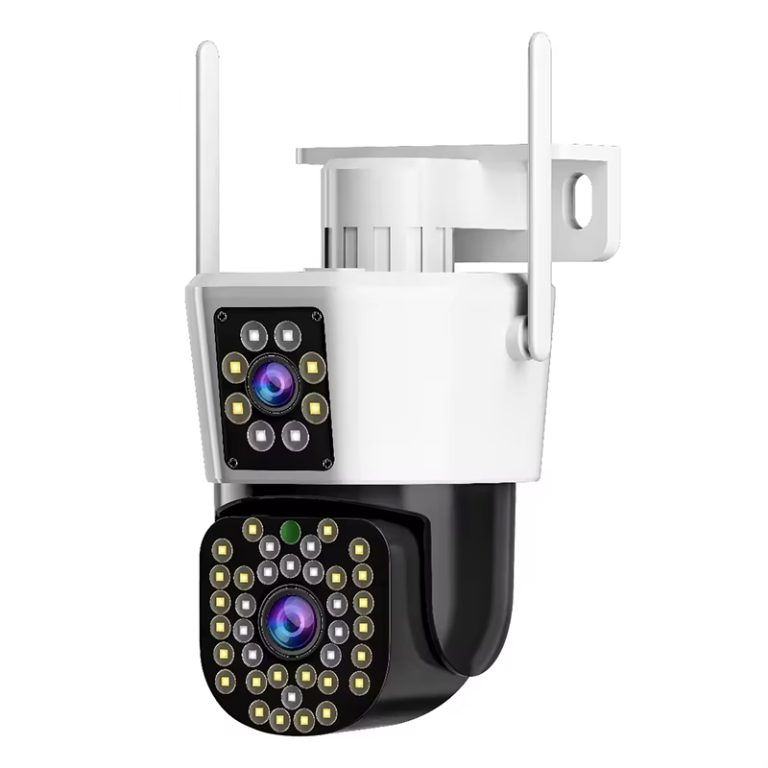
Every blind spot left in a first phase tends to return as a rushed add-on request. That is where inflation has room to do more damage. A dual-lens unit may cover a broad approach and a closer detail view from one powered position, while PTZ movement can help a guard check a changing area. The JT-8698PRO dual-lens camera pairs dual lenses with H.265 video, human-shape tracking, two-way audio, a TF card option up to 256GB, and wired Ethernet plus 2.4G WiFi. It suits locations where an off-grid power choice is paired with a nearby local network, not necessarily a cellular-only design.
Buy for Serviceability and Inflation Resistance
A low initial quote can still create a costly remote asset if the bracket loosens, the panel is shaded, the lens needs cleaning, or the battery reserve is poorly matched to actual traffic. Off-grid equipment needs a maintenance plan that is shorter than a mains-extension plan, not an excuse to skip one. This is where supplier capability becomes part of the inflation defense.
Specify Weather, Storage, and Access Details
Outdoor selection should cover mounting stability, cable protection where a short lead is still present, weather exposure, viewing angle, and safe access for cleaning. IP66 conditions are relevant, but they do not solve a bad mounting location. Buyers should also decide who retrieves footage, changes a local card when required, and checks the panel for dust or seasonal shade. For camera estates with a stable wireless network, wireless IP camera options can complement solar positions at the site edge without forcing every camera into the same power model.
Factory Control and Procurement Boundaries
For distributors and project buyers, the more durable saving may come from avoiding product revisions that trigger replacement visits. Jortan supports logo, packaging, appearance, mold-opening, and app customization through its security camera OEM/ODM service. Its in-house flow spans injection molding, chip processing, camera assembly, packing, raw-material testing, semi-finished sampling, and finished-product inspection. That gives a buyer a clearer route for a project-specific enclosure, retail pack, or feature set than stitching unrelated components together after purchase.
A procurement brief should separate the camera, panel, battery, mount, connectivity, local storage, and commissioning. Then list what remains outside the package: pole foundations, lifting equipment, access permits, SIM charges, or data plans. This turns the first price into a total installed-cost conversation and makes later substitutions visible. It also reveals where a conventional wired extension still has a genuine advantage.
Off-grid security is strongest at the edges of a site, not as a rule that every camera must follow. Mains-powered cameras can remain sensible inside a warehouse or beside an existing data point. The better portfolio uses each architecture where it is cheapest to own. Jortan can help align solar, wireless, and standard IP models around the same purchasing plan when a project needs that mix.
Conclusion
Inflation turns overlooked installation work into a security-budget risk. Off-grid security gives buyers a way to protect remote points without automatically adding trenching, cable routes, and new mains infrastructure. The strongest projects match panel and battery capacity to site activity, keep local evidence available, and choose wireless connectivity with clear limits. For a solar CCTV brief, product sample, or custom specification, contact kingjin@safejortan.com.cn to discuss the site rather than only the camera price.