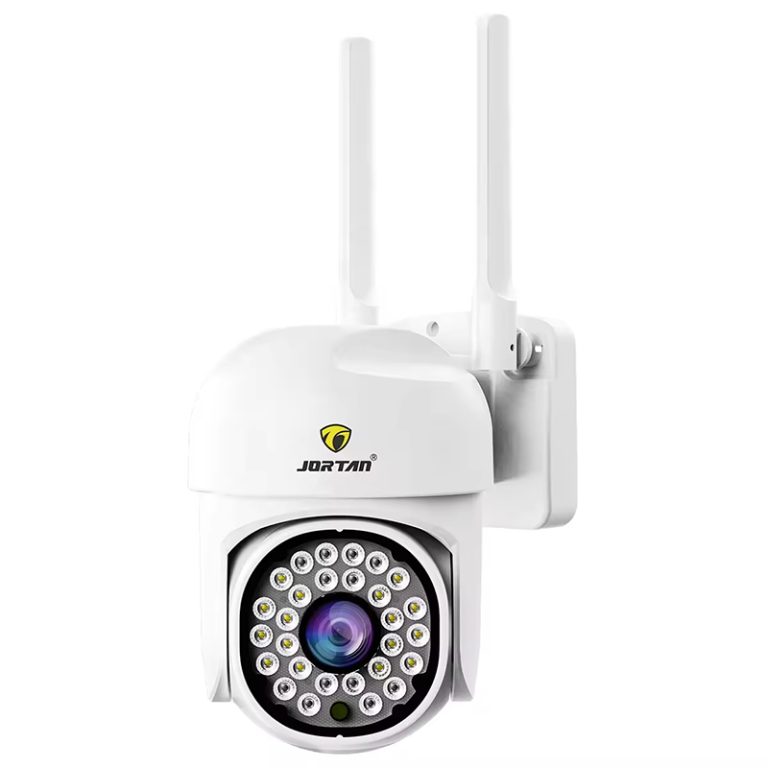

A CCTV quote can look calm until the storage line appears. The cameras may fit the budget. The recorder may look reasonable. Then the buyer asks for thirty days of footage, sixteen channels, night recording, remote playback, and enough image detail to identify faces or plates. Suddenly, CCTV storage is no longer a side item. It becomes a hard drive plan, a bandwidth plan, and a maintenance plan.
That is where H.265 compression earns attention. Good video compression does not make storage free, and it should never be used as an excuse to buy weak cameras. Still, it can cut wasted data, reduce network pressure, and delay the moment when an NVR needs a larger drive. When AI compression is added through event-based recording, smarter bitrate control, or low-frame background capture, storage costs can drop by hundreds across a multi-camera project. The practical question is whether the system keeps useful evidence while spending less money to store it.
CCTV Storage Is A Project Cost, Not A Hardware Detail
Storage planning starts before any hard drive is purchased. A buyer has to decide what the footage is for: routine review, incident evidence, staff safety, vehicle checking, alarm verification, or long-term compliance. Each goal changes the needed retention period, frame rate, resolution, and playback quality.
The Retention Question Comes First
A small shop may only need a week of footage. A warehouse, apartment entrance, farm gate, or parking area may need thirty days or more because incidents are not always noticed immediately. More days mean more hard disk space, larger cloud plans, or shorter replacement cycles for local media.
In a real surveillance system, storage is a system decision, not a loose accessory. Surveillance camera storage can include cloud storage, local SD card storage, NVR storage, NAS storage, edge storage, or PC-based management software storage. Cloud plus local SD backup can help locate key footage if a memory card fails. For buyers, that is a cost and risk discussion at the same time.
Resolution And Frame Rate Change The Bill
Resolution sells cameras, but it also fills storage. A 1080p stream, a 4K stream, and a low-frame event stream do not behave the same way on an NVR. Frame rate matters too. Six frames per second may be enough for a quiet storeroom, while faster motion in a parking lot or loading bay may need a higher recording frequency.
Resolution, frame rate, and bit rate all affect storage and bandwidth calculations. That is why a buyer should ask for retention days before asking for the cheapest recorder. Without that number, the CCTV storage budget is mostly guesswork.
H.265 Compression Cuts Waste Without Killing Evidence
H.265 compression matters because it reduces the amount of data that must travel and sit on a drive. The benefit grows when many cameras record at the same time. One channel may not change the budget much. Eight or sixteen channels can turn a codec choice into a hard drive choice.
Lower Bitrate Helps Both Storage And Bandwidth
Network cameras capture images, compress files, and transmit video over an IP network to a network video recorder. Digital video may be encoded and compressed through standards such as H.264, H.265, or H.266 before output. That compression step sits between image quality and project cost.
For a buyer comparing a CCTV monitoring package, the value is simple: lower bitrate can mean smaller files, less network strain, longer retention on the same hard disk, or fewer urgent storage upgrades. It also helps remote viewing, especially when several people need access through a mobile app or client software.
AI Recording Pushes Savings Further
AI compression is not only a label on a spec sheet. In many practical systems, the saving comes from recording behavior around real events: event-triggered recording, motion-triggered recording, intelligent search, remote viewing, human detection, voice alarms, auto-tracking, and cloud-based intelligent playback.
That changes the storage pattern. A quiet corridor does not need to record the same empty scene at full load all day. A gate camera may record a low-frame background stream, then raise recording quality when a person or vehicle appears. Done well, H.265 compression plus AI recording protects evidence while trimming data that buyers rarely review.

The Right Storage Path Depends On The Site
A storage plan should follow the site, not the other way around. The same security camera storage method will not suit every job. A private residence, convenience store, school gate, farm entrance, warehouse yard, and multi-building property all create different pressure on drives, cloud plans, and networks.
NVR, Cloud, And Edge Storage Each Carry Costs
NVR storage keeps recording centralized through a hard disk. Cloud storage can reduce the risk of local damage and help remote review. Edge storage records to a local SD card or NAS and can protect footage when the network or remote server fails. The main stream can be stored locally while a substream is used for remote access under low-bandwidth conditions.
That is where storage costs become more than a hardware question. A cloud plan may be easy to manage but costly over time. A larger NVR drive may be cheaper across many channels, but it needs the right recorder and hard disk plan. Edge storage can help remote sites, but buyers must check privacy, card capacity, playback, and backup habits.
Playback Needs Should Guide Capacity
Storage is useless if the footage cannot be found quickly. For projects where evidence matters, playback zoom, event search, time selection, user permissions, and remote access are part of the purchase. NVRs and DVRs typically support preview, playback, centralized management, and remote viewing through mobile apps or computer clients.
A model such as the 8906ZL3-8 CCTV camera fits this storage-led conversation because it combines an 8-channel CCTV camera system, 2MP HD cameras, P2P support, two-way audio, 1080p wireless CCTV direction, H.265 IP camera wording, night vision, motion tracking, and SD card, cloud, and NVR storage options. Those details let buyers discuss video compression and retention together.
Supplier Control Makes Compression Savings Repeatable
The first sample may show a good stream, but repeat orders are where savings are tested. A buyer needs the same codec behavior, app behavior, storage menu, firmware stability, and accessory set across batches. If any of those change without notice, H.265 compression savings can disappear into support calls.
Product Examples For Storage-Led Buying
Some projects still need a full DVR or NVR package. The 6115AHD-8 DVR is relevant where buyers want an 8-channel AHD CCTV DVR kit, H.265 direction, 4K DVR positioning, IP66 outdoor protection, 1080P/2MP outdoor system packaging, online technical support, OEM/ODM availability, and a two-year warranty. That kind of package can make the storage discussion cleaner than mixing random cameras with an under-sized recorder.
For smaller or edge-led projects, the 8185XM wireless camera adds another useful reference. It lists H.265 video compression, 1920*1080P resolution, alarm-triggered and manual recording, cloud storage, local Micro SD card and mobile phone memory options, Micro SD support up to 128GB, PIR wake-up, and IP66 dust and water protection. Those details help buyers decide when security camera storage should stay close to the camera rather than only inside a central recorder.
Factory Support Matters After Sampling
Jortan’s company capability belongs in the later procurement stage, after the storage logic is clear. The company works in consumer security products at meaningful volume, with production that includes mold unloading, chip processing, injection molding, assembly, first testing, second testing, packing, and shipping. Its OEM/ODM camera production support covers logo customization, packaging box design, appearance customization, mold opening, app customization, and color customization.
That matters for brands, installers, and distributors that need the same storage behavior across repeat orders. Jortan discussion can connect codec choice, recorder capacity, firmware, packaging, warranty, and channel needs instead of treating storage as an after-sales problem. The better RFQ should ask for codec, bitrate settings, recording mode, storage path, hard drive guidance, playback behavior, app access, and batch consistency before the price is locked.
Conclusion
H.265 compression can save real money when it is tied to retention days, channel count, bitrate, recording mode, and playback needs. AI compression pushes the saving further by reducing low-value footage while keeping useful events. For B2B buyers, the best result is not the smallest file. It is stable evidence at a lower storage cost. For H.265 camera selection, NVR planning, or OEM/ODM discussion, contact kingjin@safejortan.com.cn.