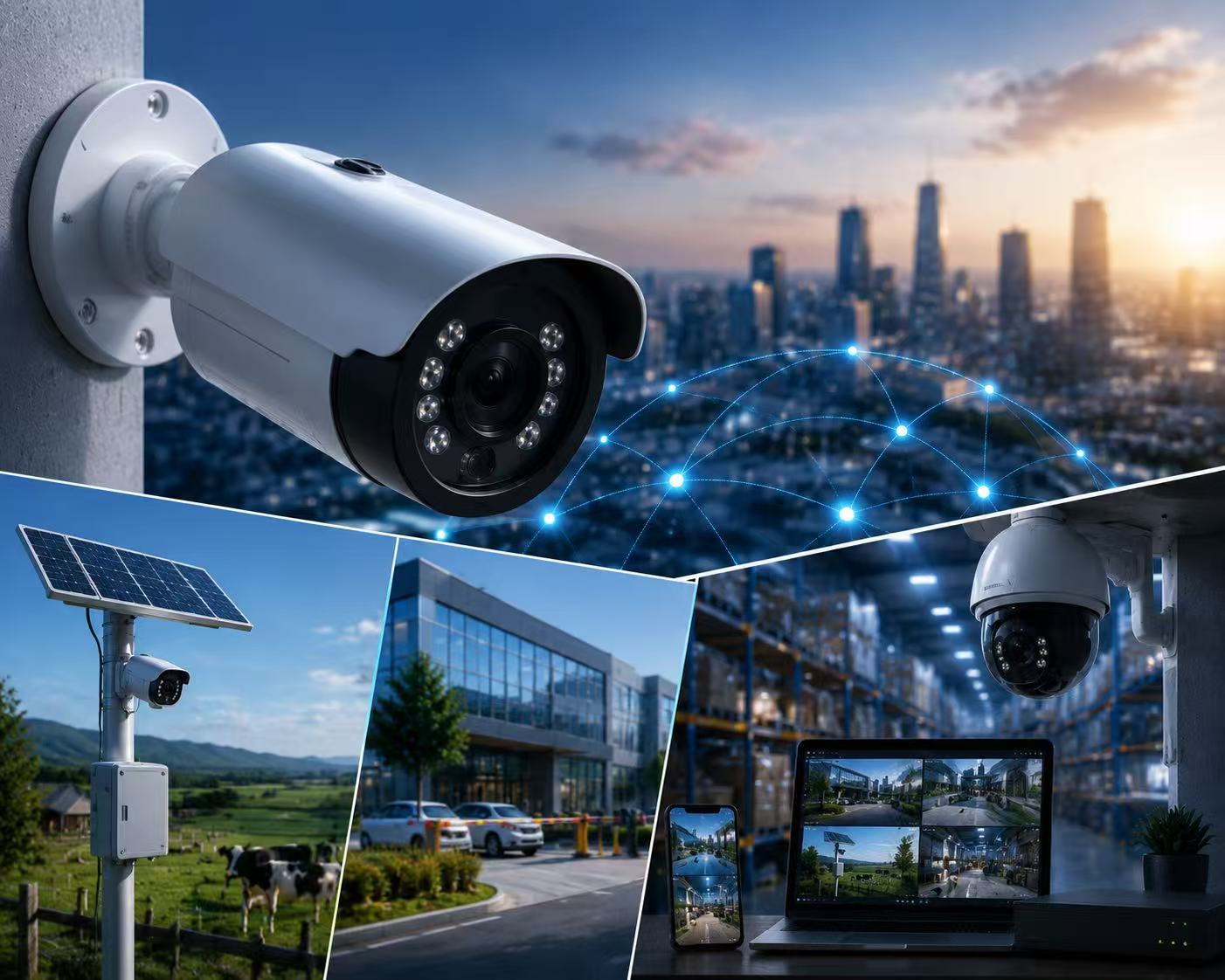
Video security projects are no longer planned around resolution alone. A camera may deliver a sharp daytime image and still fall short when a site has weak connectivity, difficult night lighting, frequent false alerts, or several locations that must be viewed from one mobile app.
That shift is shaping the CCTV camera market trends 2026. Buyers are paying closer attention to where analytics run, how footage is stored, which networks a device can use, and what happens after the first firmware update. The result is a market where deployment fit carries as much weight as the headline specification.
Why the CCTV Camera Market Is Changing in 2026
The most useful 2026 trend is the move from isolated devices toward connected video systems. Edge analytics, cloud services, IP migration, open integration, and stronger device security all appear in Pelco’s 2026 video security outlook. These directions are related: more intelligence at the camera can reduce unnecessary uploads, while remote multi-site access increases the need for reliable software and safer account practices.
For a procurement team, this changes the RFQ. Pixel count should sit beside detection behavior, night imaging, connection method, storage cost, integration, and update support. A low unit price becomes expensive when installers revisit a site or a later batch arrives with different software.
Edge AI Becomes a Practical Buying Criterion
Detection Quality Matters More Than Feature Labels
An AI label tells a buyer very little by itself. Human detection, area alerts, motion tracking, and smart lighting should be judged by what they do in a real scene. A useful device filters swaying branches, insects near the lens, rain, and changing headlights without becoming too insensitive to a person entering the target area.
Local analysis can shorten alert time and reduce video uploads over a limited connection. Buyers should ask which functions work on the device, which require a paid cloud plan, and whether the same feature set is available in each target market.
What Buyers Should Test in Samples
Test samples at several distances and at more than one time of day. Walk across the scene rather than only toward the lens, introduce backlight, and repeat the test after dark. Record alert delay, missed events, false alerts, and whether tracking returns to its preset view after the subject leaves.
The app deserves the same attention. Pair several units, change Wi-Fi networks, share access with a second account, and review stored footage. Slow pairing or unstable notifications can create heavy dealer support work.
Flexible Connectivity Expands Remote-Site Demand
Wi-Fi, 4G, Solar, Battery, and AOV Tradeoffs
Wi-Fi models remain practical for shops, homes, small warehouses, and other sites with stable power and local coverage. A 4G camera suits farms, temporary construction areas, remote yards, and other places where fixed internet is unavailable. Solar and battery designs reduce cabling work, while AOV options can support longer observation periods in locations without grid power.
Each choice moves cost elsewhere. Wi-Fi may need better access-point placement, while 4G adds SIM and data expenses. Solar performance depends on panel orientation, seasonal light, battery capacity, and wake-up behavior. Test weak signals and cloudy days, not only a bench setup beside a router.
Regional Bands, Data Plans, and Offline Behavior
Never approve a 4G order from a broad region name alone. Match the module’s supported bands with the intended carrier and country, then test with a local SIM. Confirm APN setup, data consumption, roaming rules, remote viewing quality, and what the camera records when mobile service drops.
Offline behavior matters for Wi-Fi models too. A local hotspot may permit nearby viewing, while TF card recording may continue during an outage. Document which alerts, playback functions, and cloud features stop working.
Multi-Lens Coverage and Smarter Night Imaging
Fixed Views, PTZ, and Multi-Lens Combinations
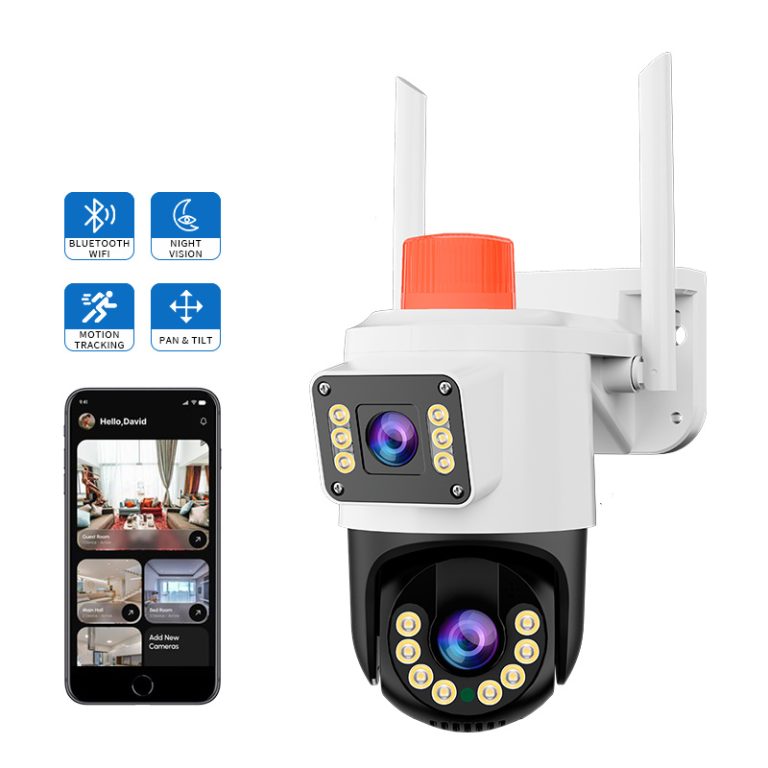
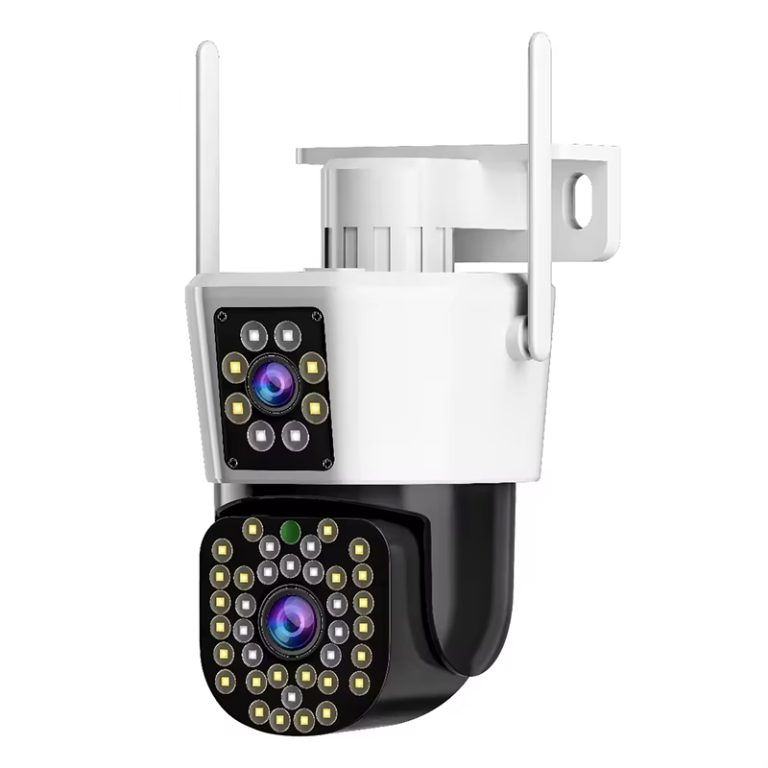
A fixed lens gives a predictable view. PTZ movement adds detail and wider coverage, but the lens can be facing elsewhere when an event starts. Multi-lens designs address that gap by keeping one broad view while another lens follows or inspects a target. They can reduce blind spots at gates, yards, parking areas, and warehouse aisles.
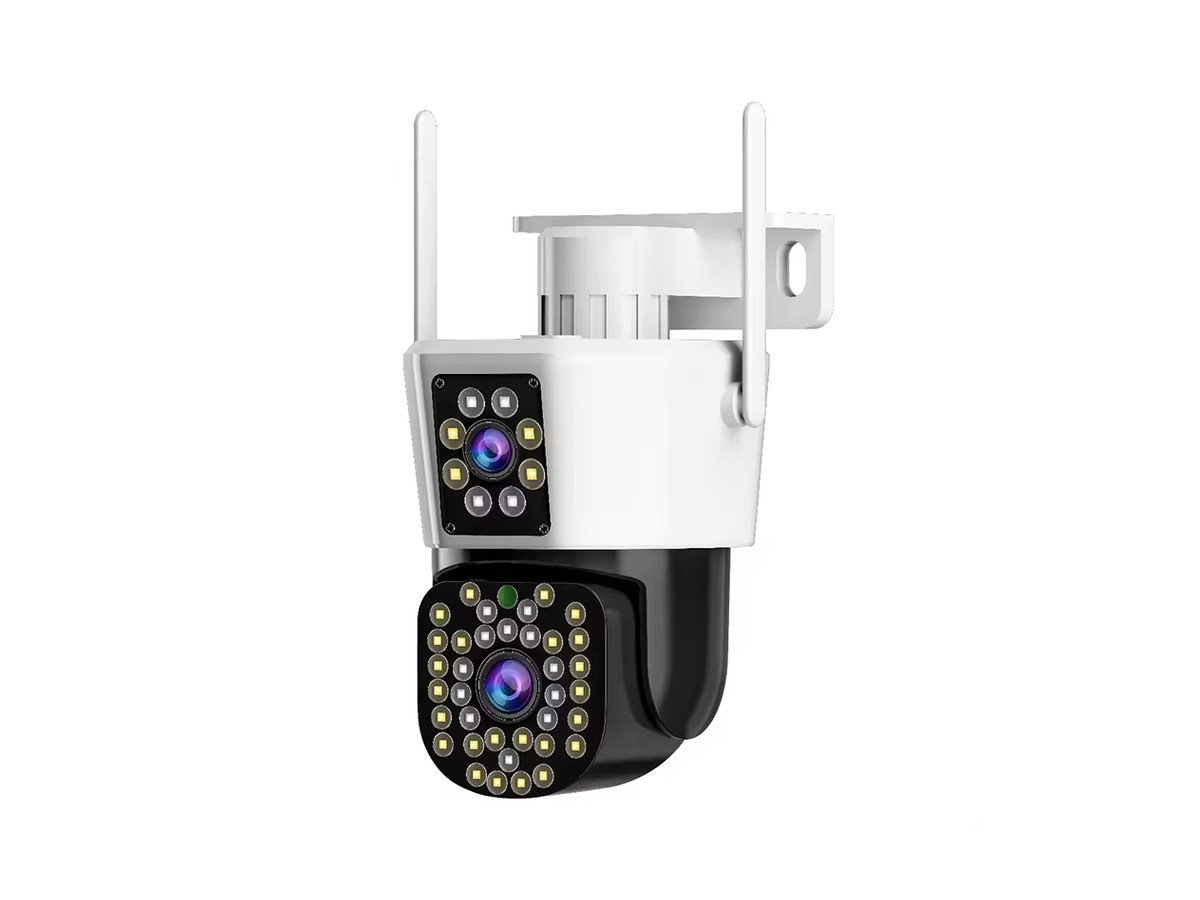
The JT-8293QJ dual-lens outdoor camera combines two lenses, PTZ movement, human tracking, 2.4 GHz Wi-Fi plus RJ45, H.265, TF card capacity up to 256 GB, cloud storage, and ONVIF. Test lens alignment, return position, mounting rigidity, and both views in the selected app.
Infrared and Full-Color Night Performance
Night imaging should be tested at the actual mounting height. Infrared light can reflect from walls, eaves, glass, rain, or insects close to the lens. Full-color modes provide more identifying detail, but white lights may disturb nearby residents or draw attention to the camera. Dual-light behavior is often the better comparison point: check when the device changes modes and how quickly the image settles.
Ask for night footage with moving people, dark clothing, wet surfaces, and bright vehicle lights. Motion blur and overexposed faces matter more than a small resolution difference.
Storage and Open Integration Shape the Total Cost
Cloud, TF Card, NVR, and Hybrid Options
Cloud storage supports remote playback and can preserve footage if a camera is damaged. TF cards avoid recurring fees, but card quality and overwrite behavior matter. NVR storage fits multi-camera sites that need longer retention and central review. Hybrid designs can keep routine footage locally and send selected events elsewhere.
Calculate retention with the intended resolution, frame rate, event frequency, and compression. Test event search and export as well; capacity has little value when playback is slow.
Compression, Apps, and Interoperability
H.265 can reduce bandwidth and storage demand, but compatibility must be checked across the system. The ONVIF interoperability framework matters when cameras join third-party recorders or video platforms. Verify the exact profile and required functions.
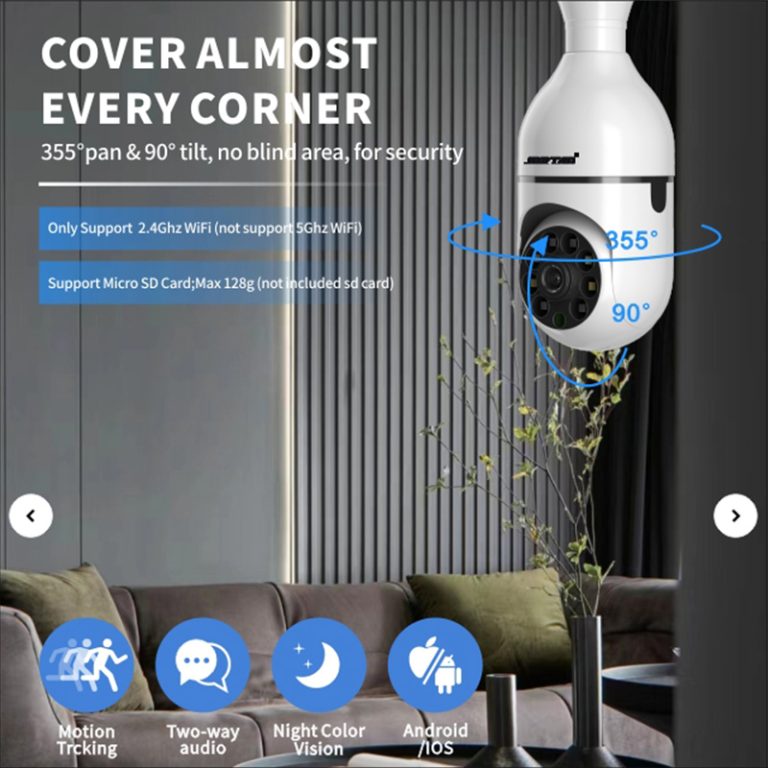
For smaller wireless sites, the JTZ-160B PTZ camera combines 2.4 GHz transmission, H.265, a Yoosee app, human tracking, cloud storage, and TF card capacity up to 128 GB. Compare that package with the site’s network, installation work, and support capability.
Device Security and Lifecycle Support Affect Supplier Choice
Firmware, Permissions, and Update Responsibilities
Every connected camera raises account and update questions. Check password setup, sharing permissions, reset behavior, encrypted connections, and the firmware process. Ask whether older batches will retain compatible app support.
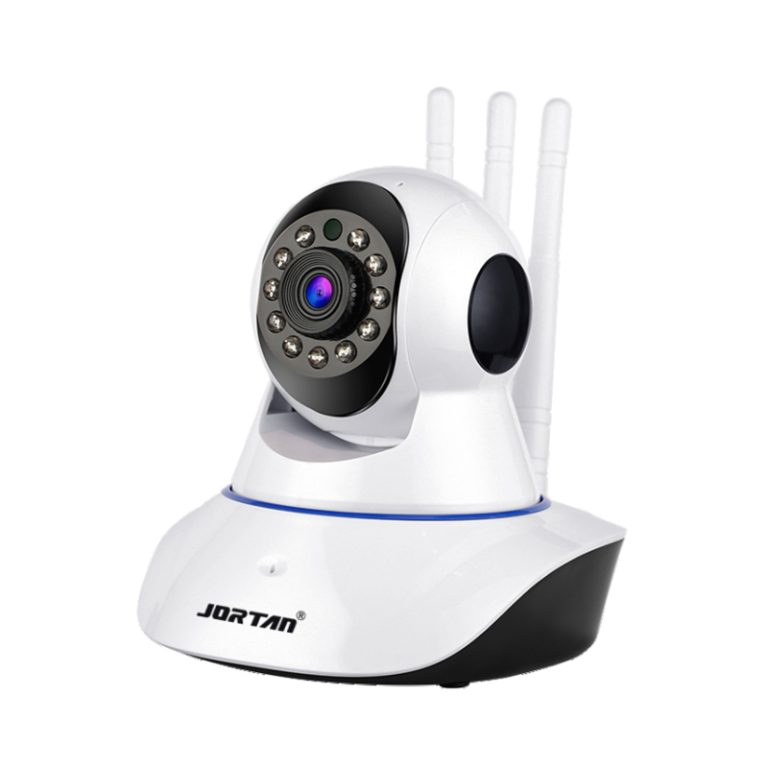
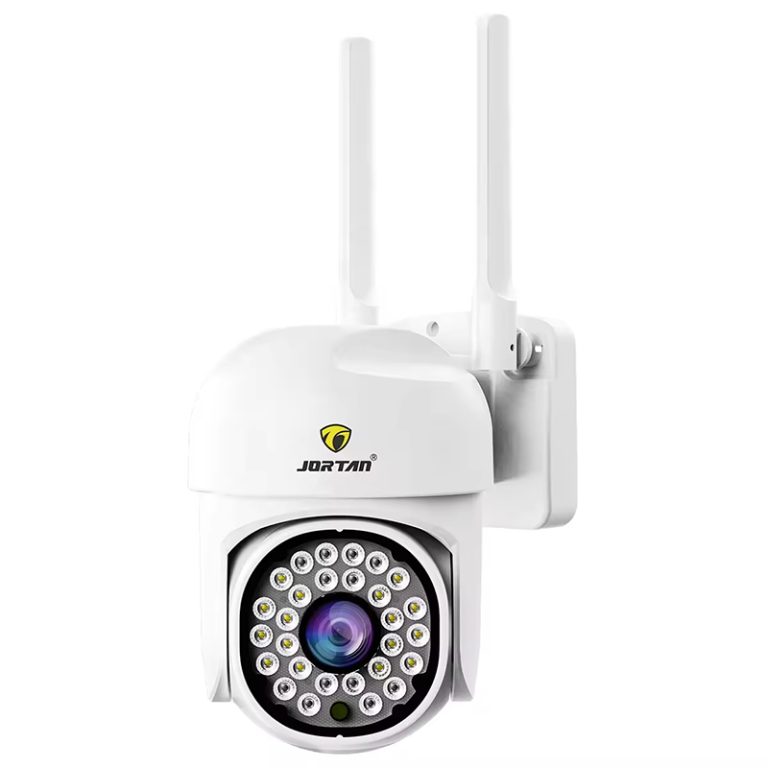
A buyer comparing Jortan camera can discuss app choice, storage, network type, and installation environment before fixing the assortment. This prevents several models from reaching the channel with different setup steps or accessories.
Batch Consistency and After-Sales Readiness
Use the approved sample as a written reference for firmware, app, lens, adapter, antenna, bracket, screws, manual, label, and retail box. Recheck them before shipment. An undocumented substitution can trigger rework or returns.
For private-label programs, confirm artwork, startup screen, packaging, software changes, inspection points, and replacement parts through a defined OEM and ODM workflow. Ask how remote debugging and later spare-part supply are handled.
A Practical 2026 Sourcing Checklist
Before RFQ and Sample Testing
Describe the mounting environment, the viewing distance, the target events, and the night light conditions.
Find the right power supply and networking solutions based on the environment, especially 4G frequencies.
Define storage solutions, retention goals, apps, NVRs, and integration requirements.
Create test scenarios for detection, alerting, playback, low signal, and night movement.
Before Bulk Production and Shipment
Freeze the hardware, firmware, application, accessory, labeling, and packaging for your approved configuration. Cover image quality, detection performance, pairing, and storage video playback for sample vs. batch. Consolidate documentation on manuals, replacement parts, reporting issues, remote debugging, and replacement procedures.
The CCTV Camera Market in 2026 appreciates customers who match up the specs to the reality of installation and service. Start by analyzing your location, test the entire user experience, and document the approved configuration. If you need help choosing a model, samples, customization, or project advice, please contact Jortan.
FAQ
Q1: What security camera trends should buyers prioritize in 2026?
A1: Prioritize event detection, suitable connectivity, useful night imaging, planned storage, open integration, and ongoing software support. Resolution should not hide installation or service risks.
Q2: How should buyers compare smart security camera samples?
A2: Use the same scene, network, movement path, and night conditions for every sample. Record detection accuracy, alert delay, app pairing, playback, offline recording, and recovery.
Q3: What should buyers confirm for OEM or bulk orders?
A3: Freeze the approved hardware and software configuration, then verify accessories, labels, packaging, manuals, inspection points, replacement parts, and update support before shipment. This reduces batch variation and later service costs.