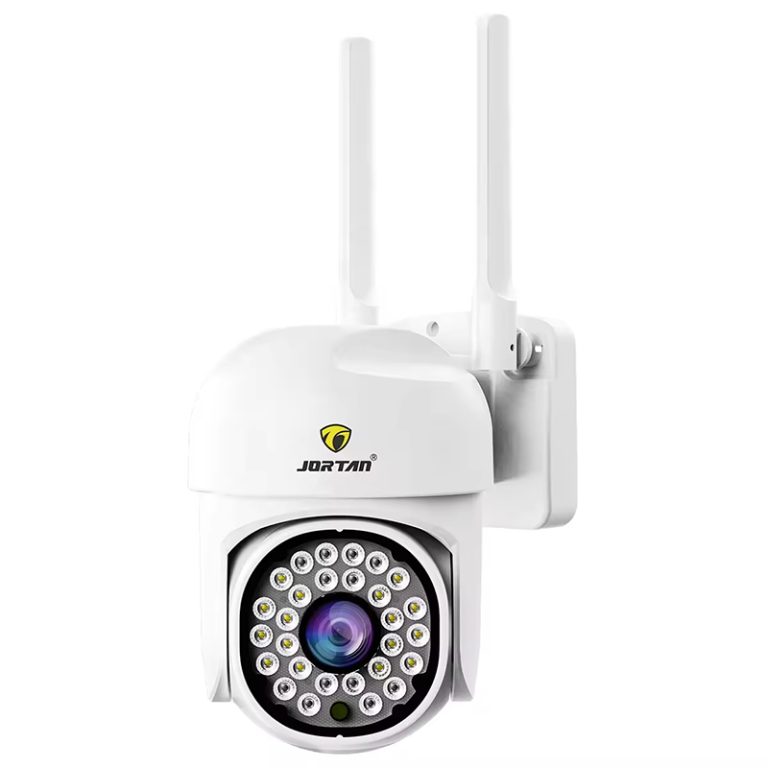

For B2B buyers, CCTV kit storage is not a small technical detail. It affects how many days of footage can be kept, how fast users can find a clip, how many cameras the system can handle, and how much after-sales work the distributor may face later.
What Does Storage Mean in a CCTV Kit?
Storage is more than adding a hard drive
In a CCTV camera kit, storage means the whole recording setup. It includes HDD support, TF card options, cloud storage, recording mode, local playback, APP playback, remote access, backup, and video export.
Channel number affects storage pressure
A 4CH kit and an 8CH kit do not create the same recording load. More channels mean more cameras, more video data, and usually higher storage demand. Resolution, frame rate, compression, and recording mode also change the result.
For example, an 8CH system recording all day at higher resolution will need more HDD capacity than a 4CH kit recording by motion events. Buyers should confirm expected recording days before confirming the order.
What Is NVR Storage?
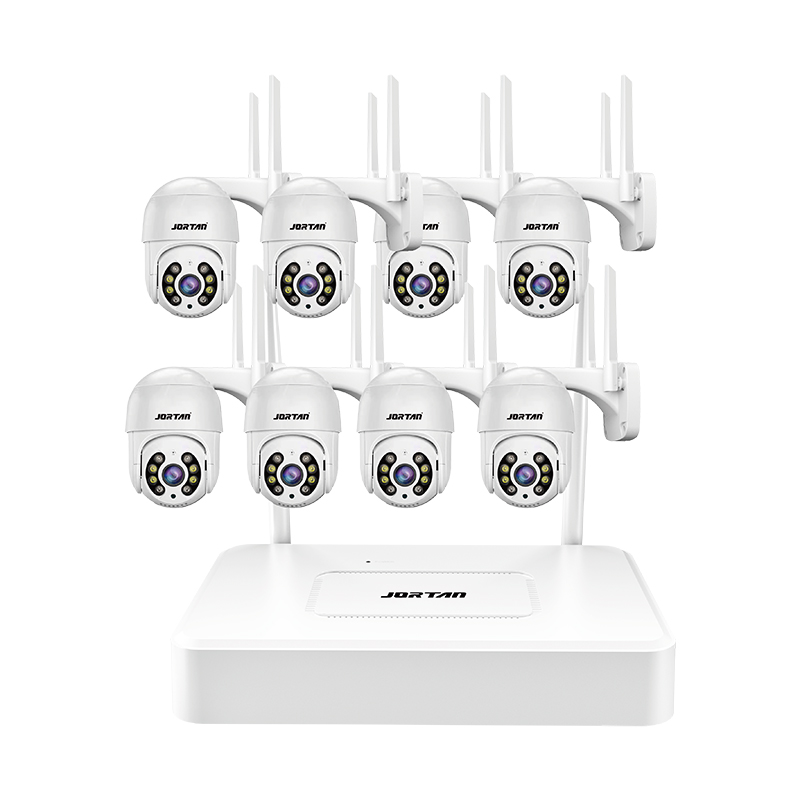
NVR means Network Video Recorder. NVR storage usually works with IP cameras, PoE cameras, or WiFi camera systems. Video data travels through the network and is stored in the NVR, hard drive, TF card, or sometimes cloud storage.
NVR systems fit projects that need more network flexibility. Warehouses, offices, parking areas, and multi-camera IP projects often lean toward NVR because the system can be planned around network connection, remote viewing, and centralized playback.
For PoE NVR kits, one Ethernet cable can handle power and video data, which makes fixed installation cleaner. WiFi NVR kits reduce some wiring work, but signal quality still matters. Jortan’s monitoring package range includes NVR, PoE/NVR, WiFi NVR, and 8CH kit directions such as JT-8276-8PXM and 8906ZL3-8, giving buyers options for different project sizes.
Before buying an NVR camera system in bulk, buyers should confirm HDD capacity, ONVIF needs, APP support, playback speed, camera compatibility, and whether storage is included or only supported.
What Is DVR Storage?
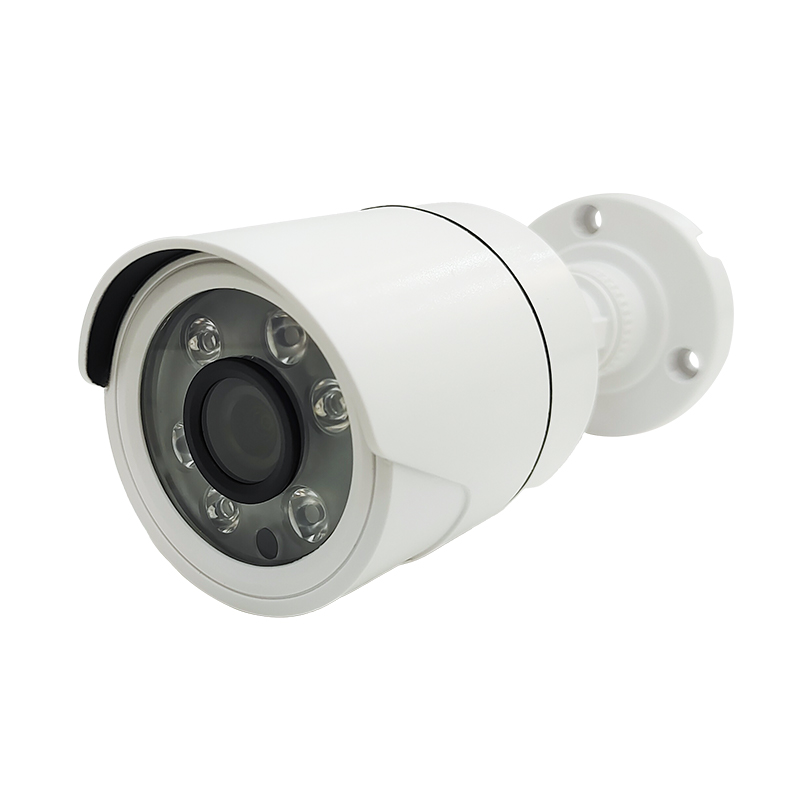
DVR means Digital Video Recorder. DVR storage usually works with traditional AHD, TVI, CVI, or CVBS camera systems. The cameras send video signals to the DVR, and the DVR handles recording, storage, and playback.
DVR systems are still useful in many traditional CCTV channels. Some installers are used to coaxial-style cabling. Some buyers care more about cost control than future expansion. Some local markets already have spare parts, cables, and service experience around DVR systems.
Jortan’s Monitoring Package range also includes DVR and AHD/DVR kit directions, including products such as 6115AHD-4 and 6115AHD-8. These can fit buyers serving markets where familiar CCTV installation habits are still important.
For DVR camera system orders, buyers should confirm signal format support, HDD capacity, cable type, playback method, spare parts, and whether the target market still prefers DVR-based kits.
NVR vs DVR Storage: What Are the Main Differences?
System scalability
NVR storage is usually easier to scale in IP camera projects. It can work with network-based cameras, PoE layouts, WiFi NVR systems, and sometimes third-party platform needs. For buyers who plan future expansion, this can be useful.
DVR storage is more tied to traditional system formats and cabling. It can still work well, but it is usually less flexible when the buyer wants to move toward IP-based monitoring.
Installation and cable planning
NVR systems may use network cables, PoE cabling, or WiFi connections depending on the kit. This gives more layout choices, but it also means network planning becomes important.
DVR systems usually depend on coaxial-style video cabling and separate power planning. For installers already familiar with this setup, the work can be simple. For new network-based projects, NVR may be easier to position.
Storage capacity and recording days
Storage days depend on channel number, resolution, compression, frame rate, HDD size, and whether the system records continuously or by events. Buyers should not accept a vague answer like “it can record for many days.”
Ask for a realistic storage estimate. For bulk CCTV orders, it is also useful to test recording and playback on a sample kit before confirming mass production.
Playback and evidence export
Good storage is not only about keeping video. Users need to find it. Check APP playback, local monitor playback, file export, search speed, user permissions, and whether playback remains smooth when several cameras are recording.
For commercial sites, evidence export matters. If the client cannot download or share a usable clip, the storage system has not done its job.
Cost and market fit
DVR may still fit cost-sensitive channels and traditional markets. NVR is usually stronger for scalable IP camera systems, remote viewing, and multi-camera projects.
The better choice depends on the buyer’s market. A distributor serving small retail shops may still need DVR options. A project supplier handling warehouses and office buildings may need more NVR kits.
What Storage Details Should Buyers Confirm Before Bulk Orders?
Buyers should confirm recorder type first: NVR or DVR. Then check channels’ number, such as 4CH, 8CH, or higher. After that, confirm HDD support, maximum capacity, TF card or cloud options, recording mode, expected recording days, APP playback, remote viewing, backup format, and export method.
Also check whether the kit includes a hard drive or only supports one. This small point can change the quotation and customer expectation.
For private label buyers, storage planning should be tied to packaging, manual language, APP instructions, model grouping, MOQ, and warranty rules. If the product is sold through dealers, the storage setup must be easy for the dealer to explain.
How Should Buyers Evaluate a CCTV Kit Supplier?
A reliable security camera supplier should explain NVR and DVR storage differences clearly. It should also offer product choices for different markets, not only one recorder type.
For bulk CCTV orders, buyers should ask about sample testing, APP guidance, installation documents, firmware help, spare parts, defect handling, and repeat-order configuration. Storage must stay consistent across batches. A recorder change without notice can affect playback, setup, and after-sales support.
Jortan was established in 2013 in Yiwu and integrates development, production, sales, and after-sales service. Its product structure covers IP Camera, Monitoring Package, and Solar Camera categories, while the Monitoring Package range includes DVR and NVR directions.
FAQ
Q1: Is NVR storage more scalable than DVR storage?
A1: Usually yes. NVR storage fits IP camera systems, PoE kits, WiFi NVR kits, and projects that may expand later. Buyers should still confirm channel number, HDD capacity, APP playback, ONVIF needs, installation method, MOQ, warranty, and supplier support before bulk orders.
Q2: Is DVR storage still useful for CCTV kits in 2026?
A2: Yes. DVR storage still works for traditional AHD, TVI, CVI, and CVBS markets, especially where installers already know the system. It can also fit cost-sensitive buyers. Confirm format support, cable type, HDD capacity, playback method, spare parts, and after-sales handling.
Q3: What should buyers confirm before bulk ordering NVR or DVR kits?
A3: Buyers should confirm recorder type, channel number, HDD support, recording days, APP playback, remote viewing, backup/export method, cable type, packaging, MOQ, logo or manual customization, installation guidance, firmware support, warranty terms, and defect replacement rules.