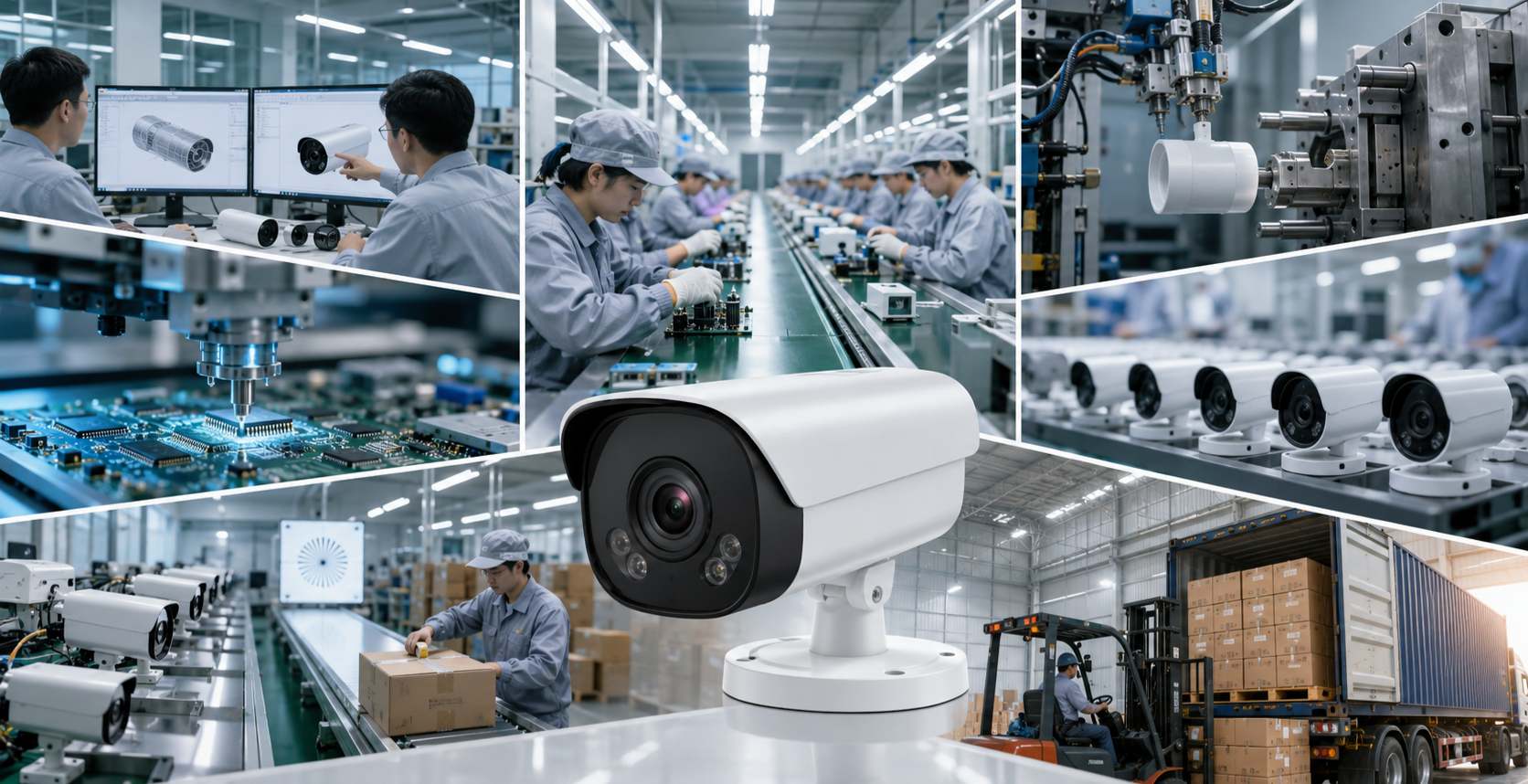
Nowadays, the choice of a security camera is not limited to picking the model with proper resolution or a cheaper unit price. The real challenge for business-to-business buyers begins only when the order is placed: can such a configuration be provided repeatedly? Will the packaging meet the demands of the particular target audience? Will the inspection process be strict enough, and will the delivery be timely? That is why the manufacturing process as a whole has become one of the most important criteria for a security camera producer.
Why Does Full-Process Production Matter in Security Camera Sourcing?
Bulk orders need more than product assembly
Bulk security camera orders are not only about putting a lens, board, housing, and cable together. A real order needs material preparation, configuration confirmation, firmware matching, packing rules, carton marks, accessory checks, and pre-shipment testing. If these steps are handled by too many disconnected parties, problems become harder to trace. A firmware change may not be noticed until customers install the cameras.
Supplier capability affects long-term cooperation
Most serious buyers are not thinking about one trial order only. They want repeat orders, seasonal supply, project continuity, and a product line that can stay stable in their market.
A security camera supplier with a wider production base can support different order types more easily. Standard models may be used for quick channel supply. OEM security camera manufacturer projects may need logo printing, box design, APP customization, or housing adjustment. Private label security cameras need even more coordination because the buyer is building market trust under its own brand name.
What Does Full-Process Production Include for Security Cameras?
Product development and configuration planning
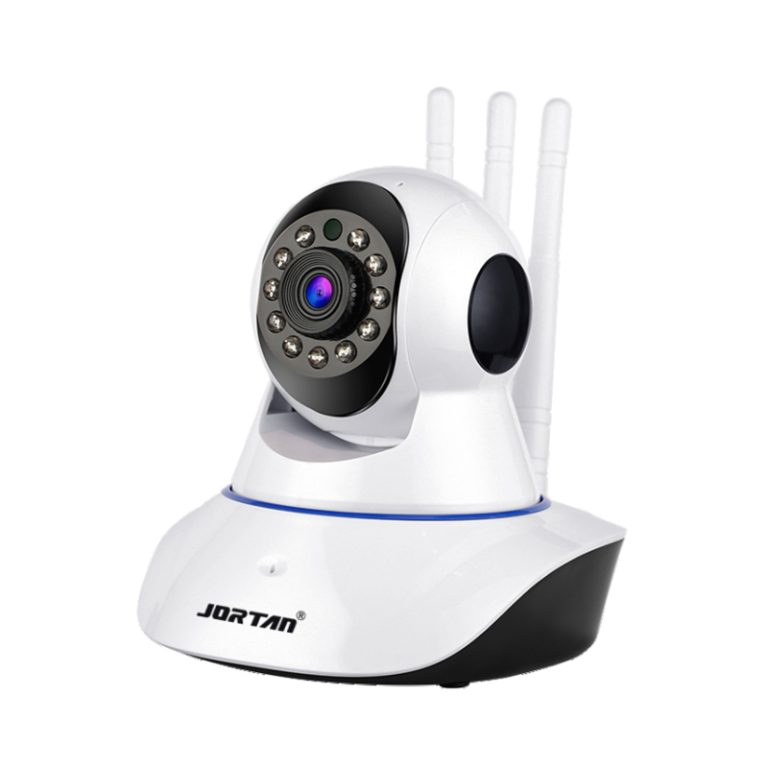
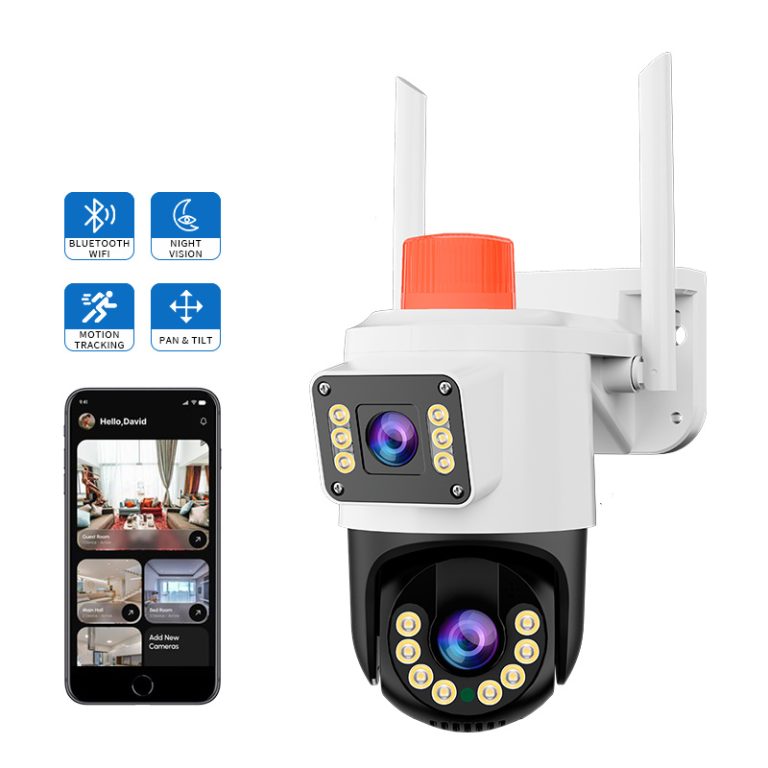
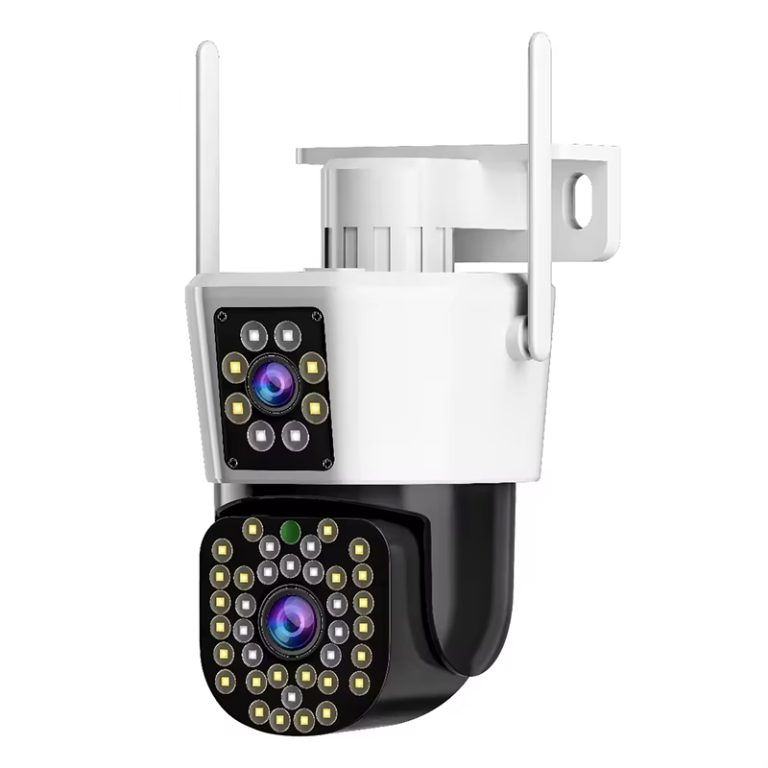
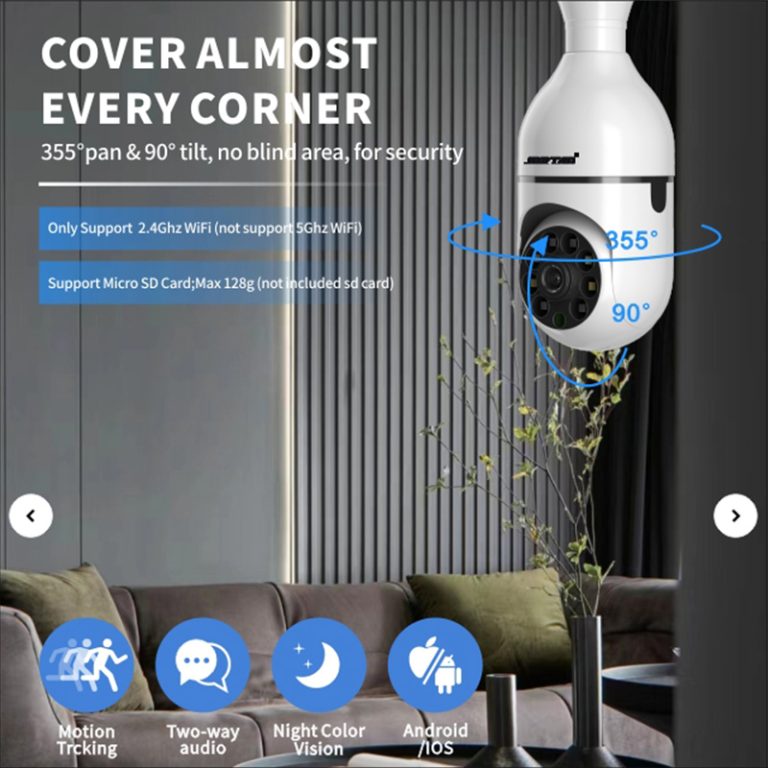
Before mass production, buyers should confirm the product configuration. This includes chipset, sensor, lens, housing, app, storage, AI features, night vision, WiFi or 4G version, power supply, waterproof rating, and packaging plan. A buyer selling outdoor cameras may need IP cameras, solar cameras, or monitoring kits for different channels.
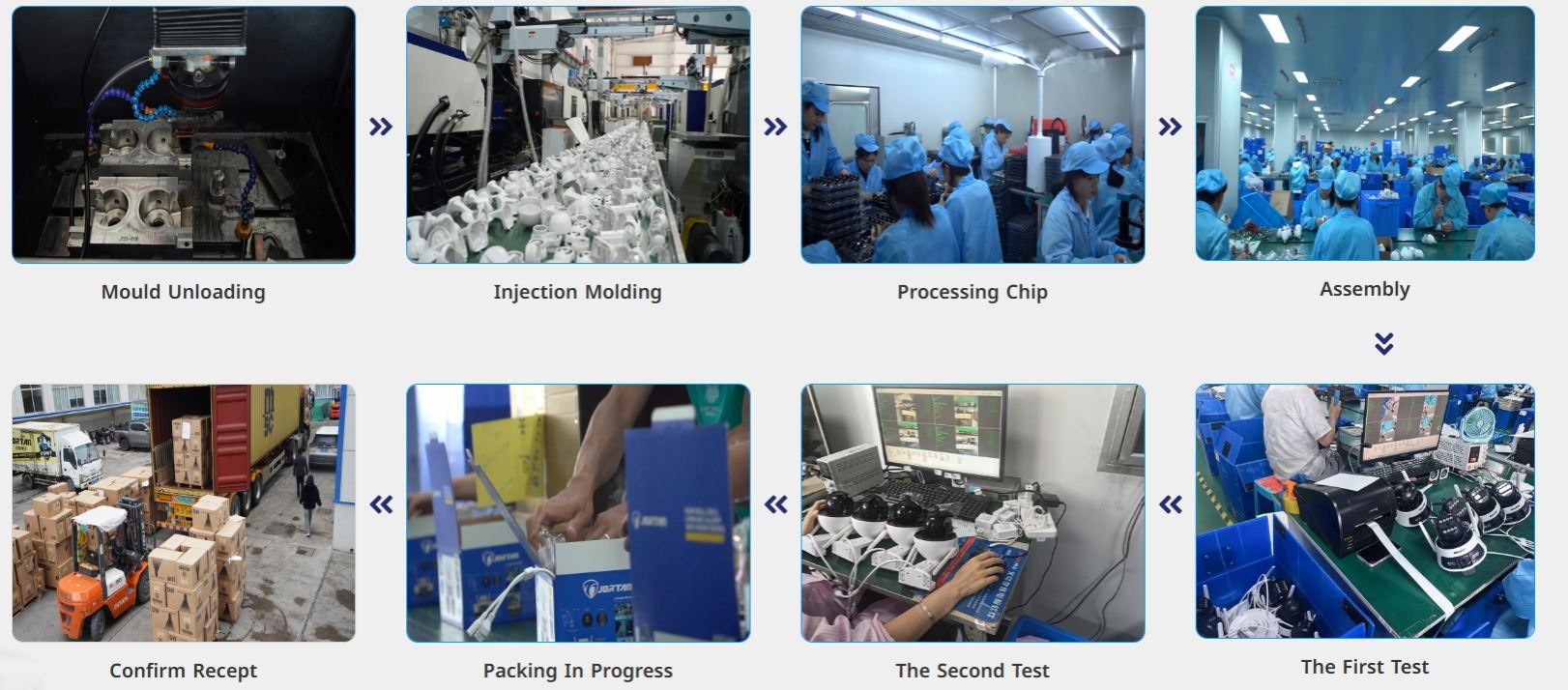
Component processing and camera assembly
The more scattered the supply chain is, the easier it is for batch differences to appear. Integrated production supports better matching between the board, lens, housing, antenna, light source, and accessories. This matters for image quality and installation. Poor fitting, weak cable sealing, or unstable assembly can cause trouble in outdoor projects.
Packaging, labeling, and brand customization
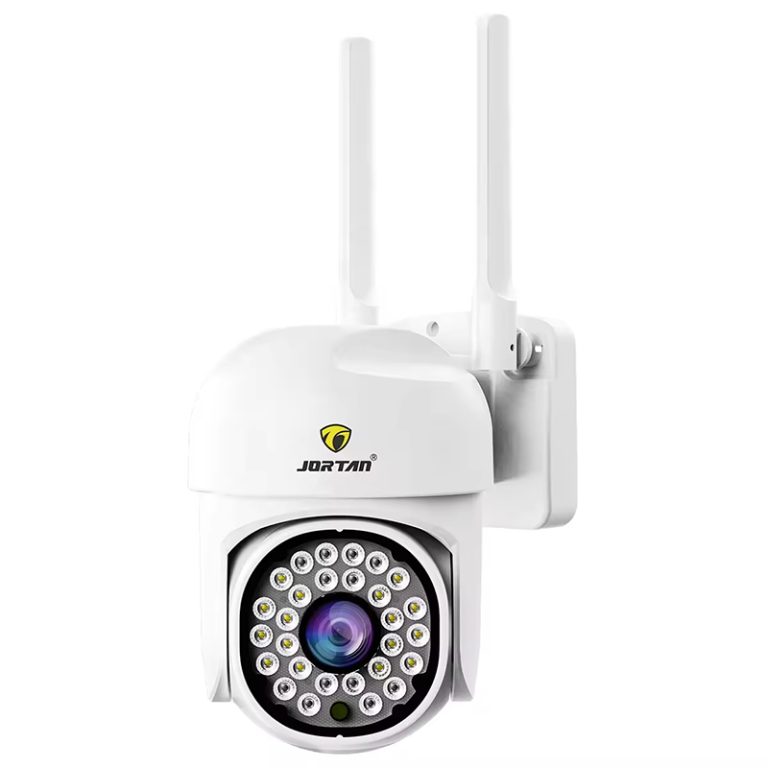
Packaging is not just a box. For distributors and brand owners, it affects channel confidence, warehouse handling, and retail presentation. Jortan supports logo customization, customized packaging boxes, product appearance customization, mold opening, and APP customization. These options fit buyers planning private label security cameras or market-specific product lines.
Final inspection before shipment
Camera quality inspection should happen before shipment, not after customer complaints. Inspection should include image checks, night vision checks, network connection, app pairing, storage function, button function, accessories, packaging, and carton condition. For outdoor models, waterproof structure and cable sealing should also be checked. For AI models, buyers should ask whether human detection, tracking, or alarm functions were tested during sample approval.
How Can Full-Process Production Improve Product Consistency?
Same model, same configuration, fewer surprises
One common problem in bulk security camera sourcing is “same model name, different inside.” The sample uses one chipset. The bulk order uses another. The first order uses one app version. The repeat order behaves differently.
Buyers should lock the key configuration before production. This includes chipset, sensor, lens, app, firmware, storage option, power supply, housing, and packaging. A reliable manufacturer should also warn the buyer before changing any major component.
Better batch stability for distributors
Distributors need stable repeat orders. Their dealers and installers expect the same setup process, same accessories, same app flow, and same image performance. If every shipment behaves slightly differently, the distributor’s own support cost rises.
Jortan’s full-process production helps keep model planning and production records in one system. That makes repeat-order communication smoother and reduces unnecessary surprises.
Lower after-sales pressure
After-sales pressure often starts before the goods leave the factory. Weak inspection, unclear configuration, rough packaging, or rushed production can all turn into warranty claims later. Consistent hardware, stable firmware, proper packing, and complete inspection reduce this pressure. They also help buyers protect their own brand reputation in the market.
Why Is Factory Scale Important for Bulk Security Camera Orders?
Production capacity supports larger order planning
Factory scale matters when buyers need monthly supply, seasonal promotion stock, or project delivery. A small workshop may handle samples quickly, but bulk orders require scheduling, workers, equipment, inspection space, packing capacity, and shipment coordination.
Larger production systems improve scheduling
A full-process manufacturer can plan sample approval, mass production, packaging, inspection, and shipment together. This is important for importers working with fixed shipping windows or distributors preparing stock before peak selling seasons.
Buyers should still ask for a realistic lead time. A good supplier should explain sample time, material preparation, production days, inspection time, and packing schedule clearly.
Capacity matters for OEM and private label projects
OEM and private label orders need more coordination than standard products. The logo, packaging, app, housing color, manual language, and accessory plan all have to match. If production capacity is weak, customized orders can easily delay standard orders or create packing mistakes.
Jortan was established in 2013 in Yiwu and integrates development, production, sales, and after-sales service. Its full-process production system covers customization, component processing, camera assembly, inspection, packaging, and shipment, helping bulk buyers maintain stable quality, consistent configurations, and more reliable delivery.
What Should Buyers Check When Choosing a Security Camera Manufacturer?
- Product range and project fit:A reliable manufacturer should support indoor cameras, outdoor cameras, WiFi cameras, 4G cameras, solar cameras, and monitoring kits. A wider range helps buyers build a practical product line for retail, dealer sales, and project supply.
- Manufacturing and inspection process:Ask about assembly, aging test, waterproof check, image test, app test, packaging inspection, and shipment preparation. A supplier that can explain the process clearly is usually easier to work with when problems appear.
- Delivery and communication reliability:Price is important, but communication decides whether the order moves smoothly. Check sample response time, production updates, packing list accuracy, shipping document preparation, and after-sales response.
- Technical and after-sales support:Security cameras still need technical support after delivery. Buyers should confirm installation documents, app guidance, firmware support, spare parts, warranty terms, and defect handling.
FAQ
Q1: What should buyers check first when choosing a security camera manufacturer?
A1: Buyers should first check production capability, product range, inspection process, customization support, delivery schedule, and after-sales response.
Q2: Which product parameters should be confirmed before a bulk order?
A2: Confirm resolution, lens, sensor, app, storage, WiFi or 4G option, night vision, AI function, waterproof rating, power supply, accessories, packaging, and target market requirements.
Q3: What is the usual MOQ for OEM or private label security cameras?
A3: MOQ depends on the model and customization level. Standard products usually need a lower MOQ. Logo printing, customized color boxes, APP customization, mold opening, or special appearance changes usually need a higher quantity. If you have any further questions like this, please feel free to contact Jortan.
Q4: Can a full-process manufacturer support customized branding?
A4: Yes. A full-process manufacturer like Jortan can usually support logo customization, packaging design, label planning, manual language, product appearance changes, and selected APP-related requirements.