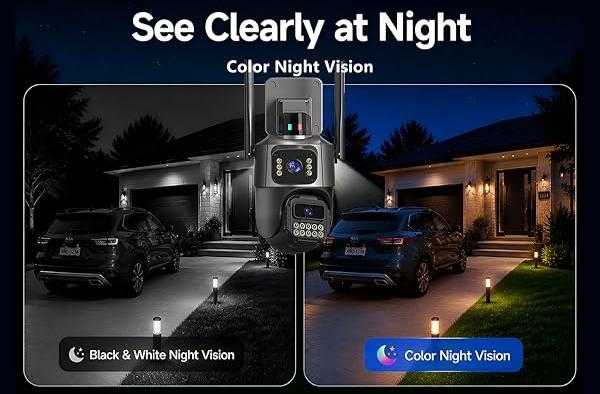
In the B2B security industry, night vision is not just a technical specification—it is a key element that shapes project coverage, customer satisfaction, after-sales workload, and long-term client retention. For distributors, contractors, and brand owners, checking night vision performance in security cameras means weighing price against installation environment, nighttime image quality, alarm integration, supply stability, and project scalability.
Why Night Vision Matters in Security Camera Projects
Nighttime stays the most important risk period for many surveillance scenarios. Warehouses, construction sites, parking lots, farms, and shop perimeters often face higher risks after dark. The ability of smart cameras to deliver usable footage at night directly affects the project’s overall effectiveness. Clear imaging of people, vehicles, and motion trajectories reduces disputes during project acceptance and builds client trust.
Strong night vision capabilities also raise the value of security cameras beyond basic monitoring. When paired with motion detection, remote alerts, two-way audio, supplementary lighting, and reliable storage solutions, they become comprehensive safety systems instead of simple recording devices.
Common Night Vision Types in Security Cameras
Different projects need different night vision technologies based on environmental light levels and operational goals.
Infrared Night Vision
Infrared (IR) night vision works for low-light or no-light conditions where visibility is minimal. It produces black-and-white images but keeps essential details visible even without ambient light. When checking IR cameras, buyers should focus on infrared distance and exposure balance to prevent overexposed objects at close range.
Full-Colour Night Vision
Full-colour night vision delivers vivid colour images even under starlight or weak illumination. The camera pushes past the limits of darkness, and its night vision image performs 10 times better than that of the 1/1.8 single camera from competitors. It achieves all-weather full-colour monitoring under weak starlight at 0.001 lux. This feature suits areas where colour recognition—such as vehicle paint or clothing—matters for identification.
Dual-Light Night Vision
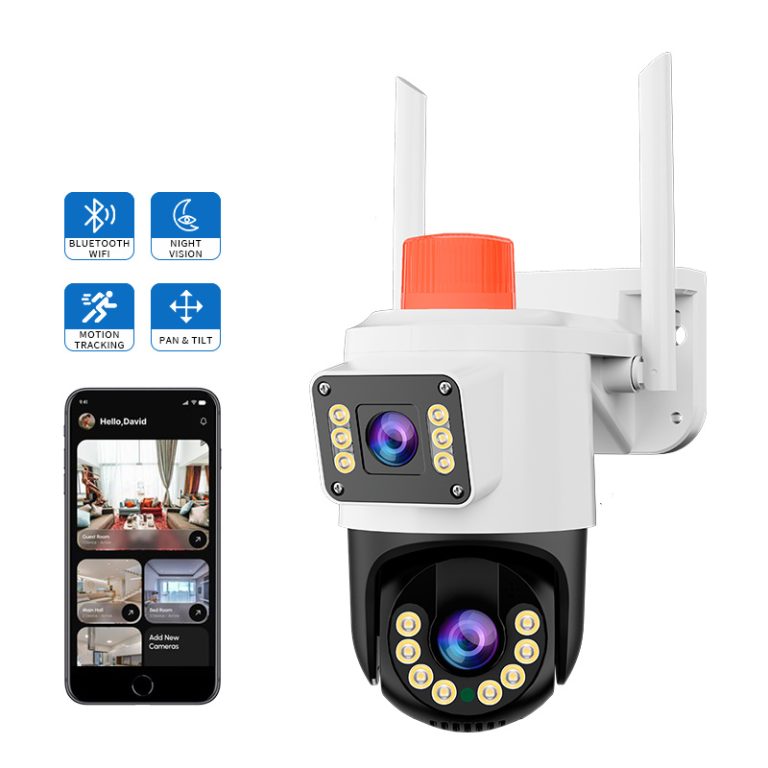
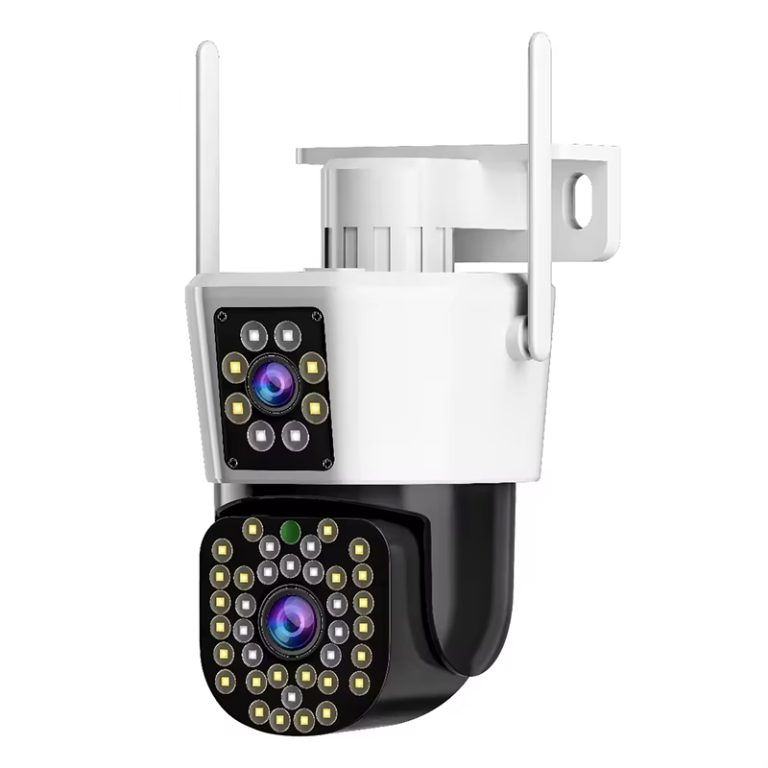
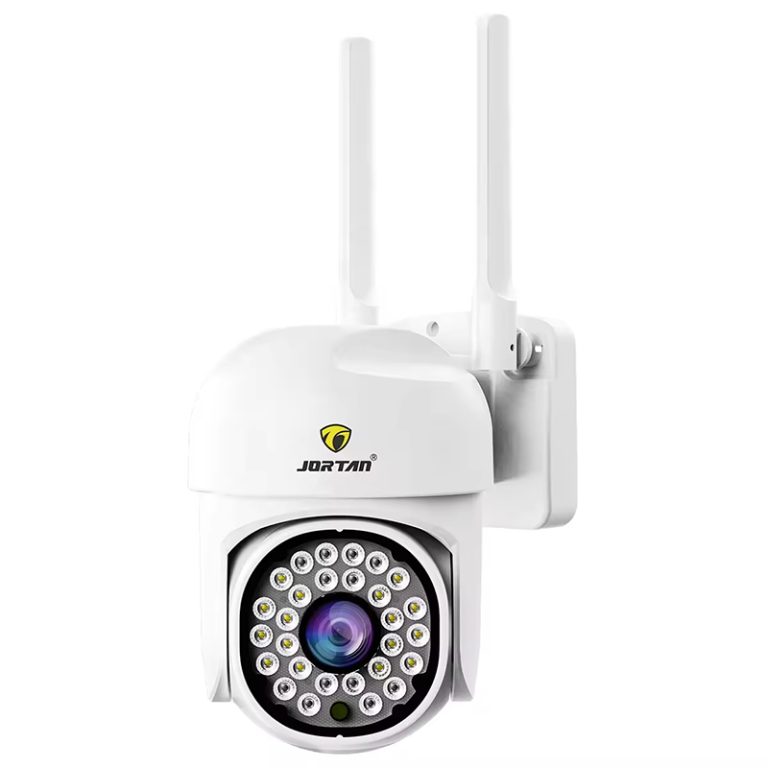
Dual-light technology blends infrared and white light modes for flexible use between covert surveillance and active deterrence. Dual-light surveillance cameras bring certain benefits in surveillance. Equipped with both infrared and visible light sensors, they give clear, stable images in changing lighting conditions. This type lets users keep discretion while still turning on visible lighting when motion is detected or more detail is required.
Low-Light Sensor Performance
Not every installation needs bright illumination; some depend on advanced low-light sensors that capture details with minimal supplementary lighting. The combination of lens quality and image processing algorithms shapes clarity under tough conditions. Dual cameras rely on two lenses and two sensors to gather more light and perform photoelectric conversion at the same time. This method delivers better outcomes without excess brightness or power use.
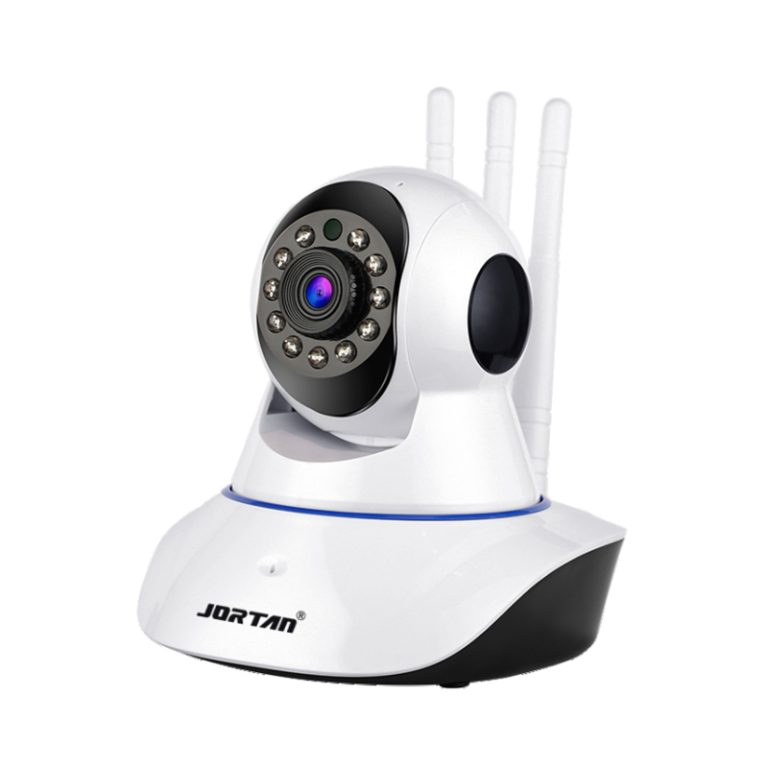
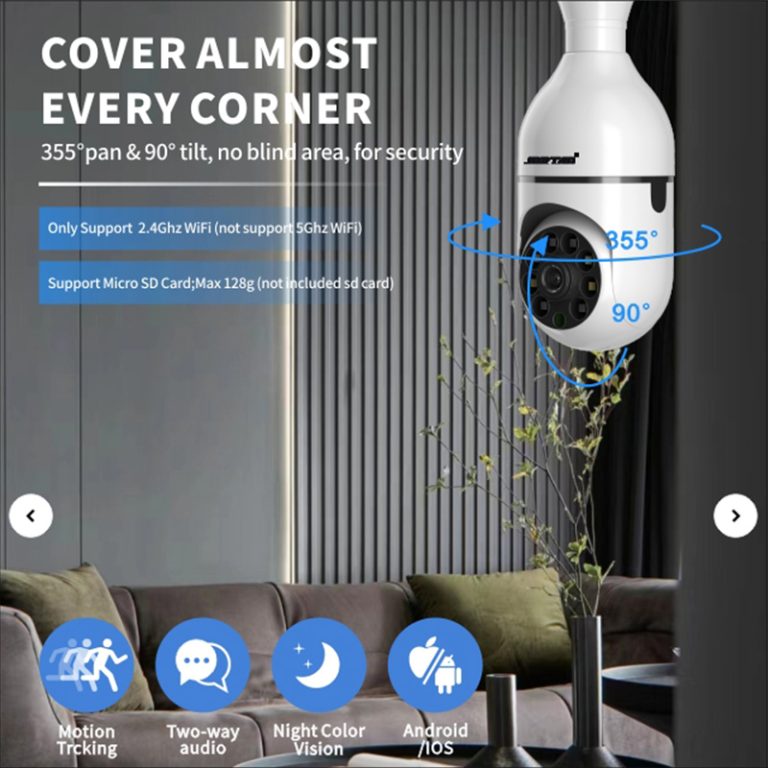
For buyers comparing night vision security cameras, Jortan offers several models with practical night vision configurations. Models such as JT-8695PRO, JT-8698PRO, JTZ-9690PRO, and JT-8293QJ include features like starlight full colour, infrared night vision, dual-light warning, white light or infrared light sources, and low-light performance down to 0.001 Lux in black-and-white mode. These options are useful for distributors, contractors, and private label brands sourcing cameras for warehouses, parking areas, shop entrances, yards, and outdoor projects.
Key Parameters B2B Buyers Should Check
Professional buyers should carry out careful evaluation before confirming bulk orders to ensure performance consistency across environments.
Night Vision Distance and Real Test Conditions
Do not rely only on specification sheets—test actual performance under different distances and angles. Reflective walls or open spaces can change effective range in noticeable ways.
Resolution, Lens, and Sensor Matching
High resolution by itself does not ensure good night vision; the right pairing of lens aperture size, sensor sensitivity, fill light design, and image processing software decides real-world results.
Motion Detection and Night Alerts
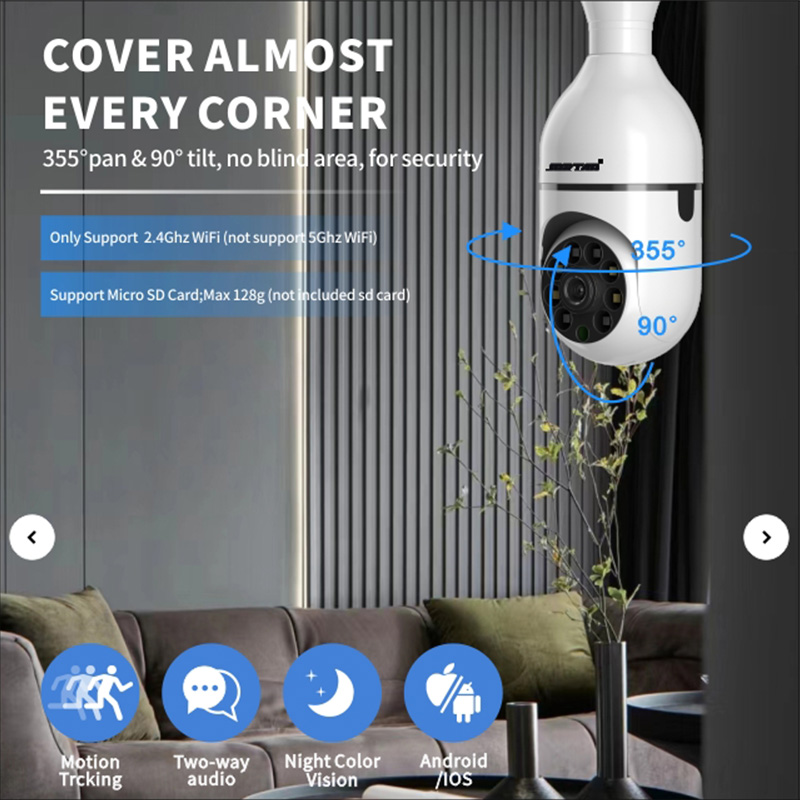
Accurate detection at night cuts down false alarms that frustrate end-users. The camera uses intelligent motion recognition technology, allowing quick identification of moving objects within the frame. This responsiveness supports timely push notifications through mobile applications during unusual events.
Waterproof Rating and Outdoor Reliability
Outdoor installations require IP-rated enclosures that resist rain and dust buildup. Material durability influences long-term stability under temperature changes or extended exposure.
Project Applications Where Night Vision Brings More Value
Night vision adds measurable value across multiple industrial applications: warehouses rely on it for loading zones; construction sites need continuous material protection; farms gain from wide-area coverage using solar-powered options; and parking areas demand accurate capture of vehicle plates at entry points.
Dual-light night vision cameras see wide use in various scenarios, including construction sites and parking lots. Their flexibility across indoor theft prevention or outdoor perimeter use makes them cost-effective solutions for system integrators handling diverse projects.
For example, Jortan’s Dual-Light Surveillance Camera models combine IR sensors and warm white fill lights to keep colour fidelity while supporting discreet operation when needed.
How Night Vision Affects B2B Procurement Decisions
Matching technology type with market demand helps distributors refine inventory structures—infrared models fit residential installations, full-colour works well for retail environments, and dual-light setups meet mixed commercial needs.
Procurement teams should avoid choosing only based on price because lower-cost units often cut corners on sensor quality or app stability—problems that raise maintenance costs later.
Sample testing stays essential before mass purchase decisions; evaluate performance in total darkness as well as on reflective wet surfaces after rainfall to mimic real-world challenges.
Diversified product planning further improves competitiveness—pairing Wi-Fi models with PTZ or PoE variants allows suppliers to serve both small-scale retail clients and enterprise-level projects efficiently.
Supplier Selection for Night Vision Security Cameras
Choosing the right manufacturing partner directly shapes brand reputation in long-term cooperation cycles. Assess OEM/ODM capabilities including logo customisation, packaging design, app integration compatibility, lens configuration flexibility, and accessory support.
Batch consistency ensures identical visual output across shipments; confirm whether sensor versions hold steady between production runs.
Suppliers must run comprehensive pre-shipment tests such as ageing trials, waterproof verification, functional calibration checks, and packaging inspection processes—all vital for maintaining reliability standards expected by international buyers.
It is equally important to verify spare parts availability, like brackets or power adapters, since these affect post-sale service continuity for distributors managing multiple markets worldwide.
Procurement Suggestions for 2026
Distributors should build multi-tiered portfolios covering budget-friendly IR models up to advanced AI-enabled full-colour options addressing retail chains or municipal infrastructure contracts.
Contractors are encouraged to focus on installation efficiency alongside stable nighttime imaging results because these factors reduce site revisits during warranty periods.
Private label brands must blend aesthetic design consistency with app usability improvements while positioning their product lines according to specific verticals instead of competing purely on specifications alone.
FAQ
Q1: Which night vision type is better for B2B security camera projects?
A1: It depends on application scenarios—infrared suits no-light areas; full-colour performs well where colour accuracy matters; dual-light offers flexibility between covert observation and active illumination functions depending on user preference.
Q2: What parameters should buyers check before bulk ordering night vision cameras?
A2: Evaluate distance range accuracy under real tests along with resolution-to-sensor matching efficiency; confirm waterproof certification level (IP66/IP67) and alarm precision rate during low-visibility conditions as well as firmware update support from the supplier side, ensuring consistent performance across shipments.
Q3: Should distributors buy one model or multiple models?
A3: Multiple models are more practical because market segments vary widely—from residential Wi-Fi units to solar-powered PTZ solutions used in agriculture fields—and partnering with companies offering customisable options like Jortan’s dual-light lineup helps distributors expand coverage efficiently while maintaining unified after-sales standards.