In 2026 the world of professional security has moved toward sustainable and self-sufficient technologies. B2B buyers—including distributors, engineering contractors, brand owners, and project managers—can no longer afford to judge a solar outdoor camera based only on basic measures like resolution, price, or visual design.
Why Solar Outdoor Cameras Are Gaining B2B Demand
The core reason why low-power solar cell surveillance cameras are so popular is that they solve the deployment difficulties of traditional surveillance equipment in remote areas or areas without infrastructure while conforming to the trends of energy conservation, environmental protection, and technological intelligence.
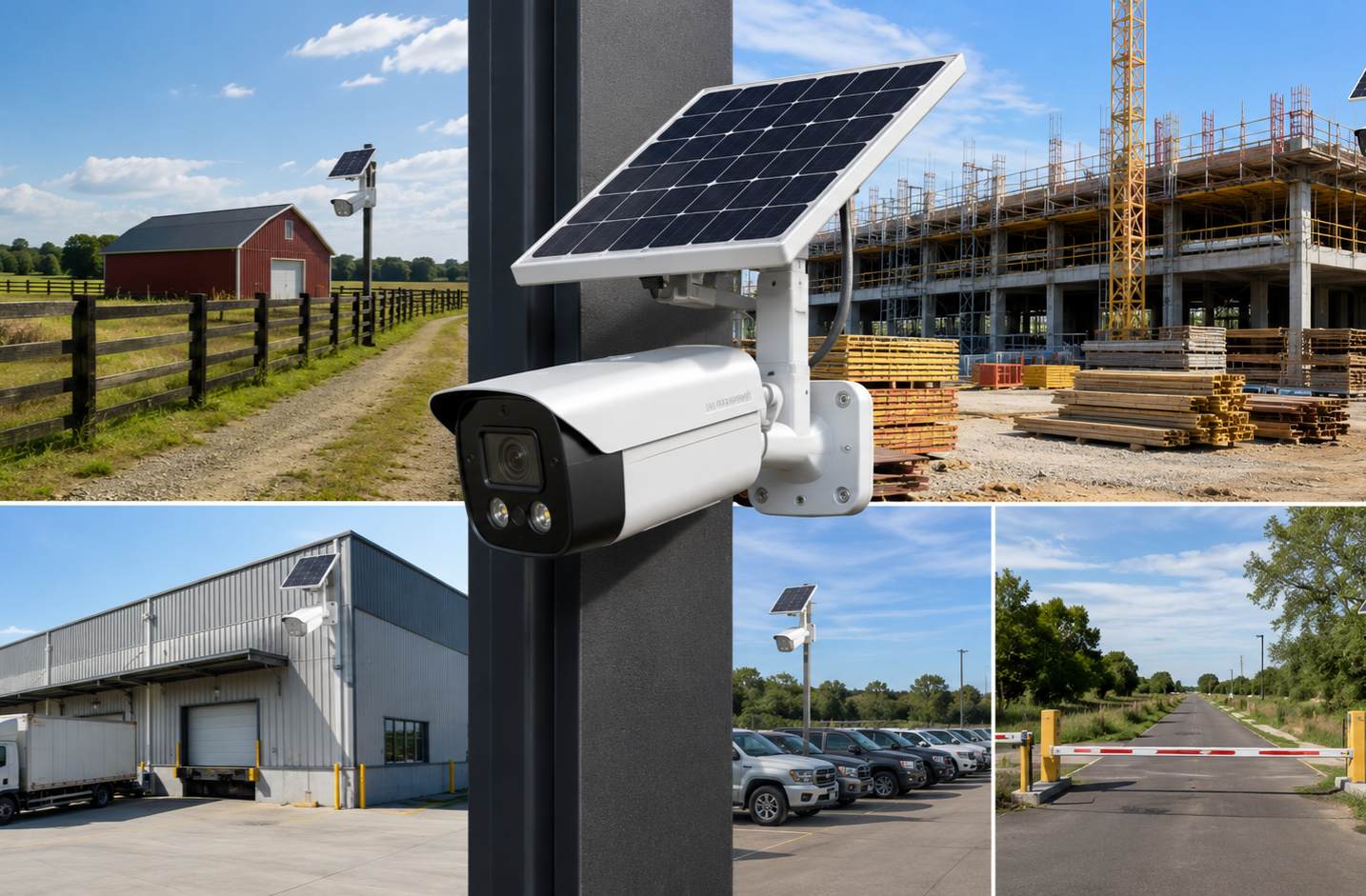
Growing Demand in Remote and Outdoor Projects: Modern surveillance no longer stays limited to city centers that already have easy access to utilities. A solar outdoor camera has become the first choice for rural courtyards, orchards, pastures, construction sites, and remote mountainous areas. These locations often lack steady power. As a result, traditional wired systems become almost impossible to set up.
Lower Cabling Pressure for Project Contractors: For contractors the main delay in project schedules is usually the work needed for basic infrastructure. A solar power supply does not require wiring or electricity connection and is particularly suitable for rural courtyards, orchards, pastures, construction sites, remote mountainous areas, and other scenes without a stable power supply. Wireless cameras support fast setup on existing poles. They often finish installation in less than 30 minutes and cut infrastructure costs by as much as 70 percent.
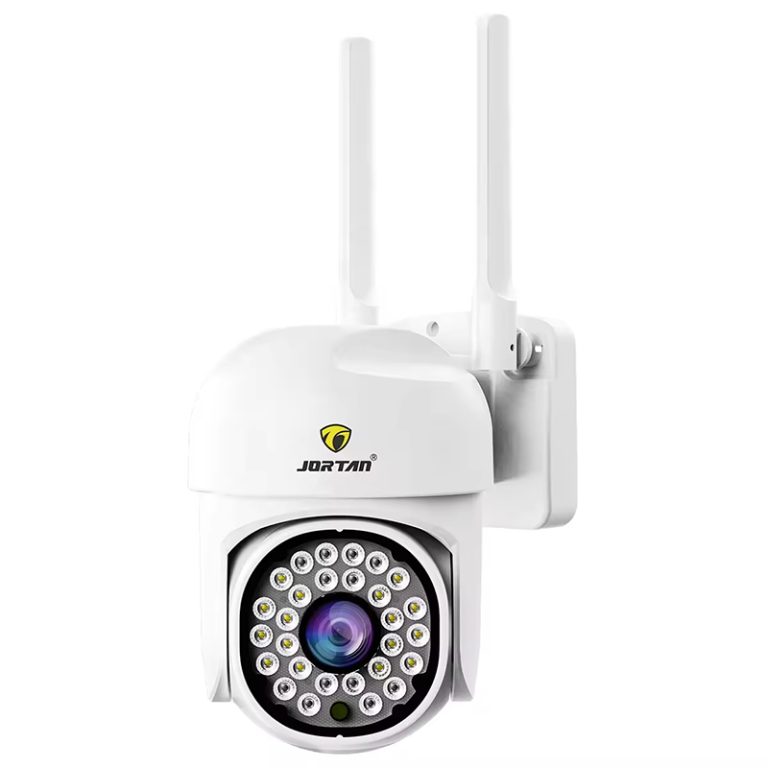
Flexible Product Lines for Distributors and Brands: Industry leaders can now present a layered selection in their catalogs. By using different configurations of the WiFi camera, distributors can serve the entry-level residential market, mid-range commercial projects, and high-spec industrial applications.
Key Specifications Buyers Should Evaluate First
Technical excellence in 2026 shows itself in how effectively a device handles its limited resources while still delivering strong performance.
Solar Panel and Battery Matching
The balance between energy collection and storage remains essential for “always-on” security. The preferred choice is a combination of monocrystalline silicon solar panels + large-capacity lithium batteries, which can be fully charged in 5-6 hours on sunny days and can last for more than 10 days on rainy days. Buyers must ensure that the solar panel wattage is sufficient to replenish the battery even during short winter days.
Image Quality and Night Vision Performance
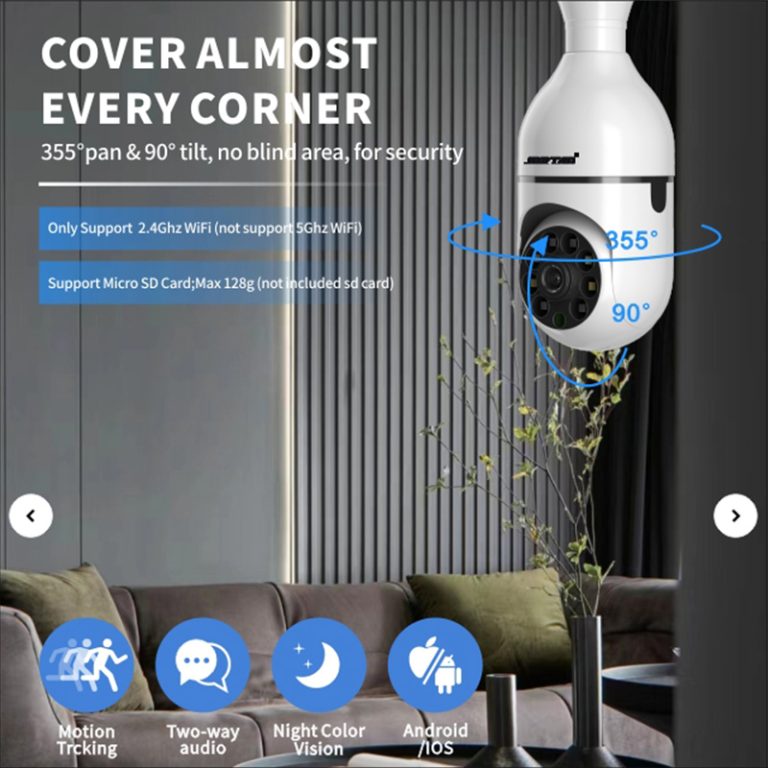
Although high pixel counts look appealing, the actual value of recorded footage depends on the quality of the sensor and lens. The resolution is recommended to be no less than 3K (such as 8 million pixels), support full-color night vision or infrared night vision, and the night monitoring distance must be more than 10 meters. For professional projects, look for features like a panoramic gimbal design that enables 360° monitoring without blind spots and is even better when combined with the motion tracking function.
Waterproof Rating and Outdoor Durability
The long-term life of a solar camera depends heavily on its construction quality. The waterproof and dustproof level must reach IP66 to adapt to severe weather such as heavy rain, sandstorms, etc. Furthermore, the housing material should be high-temperature resistant and antifreeze material to ensure stable operation in an environment of -20°C to 60°C. In coastal or industrial areas, a metal shell is often preferred, as it enhances heat dissipation and corrosion resistance.
Procurement Factors Beyond Product Parameters
Successful B2B procurement calls for close attention to the logistics and compliance sides of the supply chain.
MOQ, Lead Time, and Batch Supply Capacity: In case of larger projects, the quality supplied by the supplier must be consistent for thousands of units. In this regard, the minimum order quantity and lead times required for mass production should be validated by the procurement team. It is important that the factory be capable of delivering consistently during peak season.
Certifications and Market Access Requirements: Many regions have their own set of stiff regulations. For the consumer, it becomes essential to ensure that the producer has all the certificates, like CE, FCC, RoHS, or UKCA. Not only do these certificates meet the legal standards, but also they validate the safety of the electronic component being used.
Packaging, Manuals, and Private Label Support: Brand consistency and a good unboxing experience become very important for brand owners. The supplier needs to provide OEM services, which include a brand logo, a color box, and a manual in several languages.
Spare Parts and After-Sales Support: Long-term maintenance represents a major cost element. No line maintenance is required, and subsequent costs are reduced by 70%. However, one cannot do without having a constant supply of spare parts such as antennas, brackets, and solar panels. It becomes essential for the supplier to provide a warranty and technical support service for firmware updates and other hardware problems.
How to Match Solar Outdoor Cameras with Project Scenarios
Different environments call for particular feature combinations so the surveillance system stays effective for years to come.
Farms and Rural Perimeter Projects
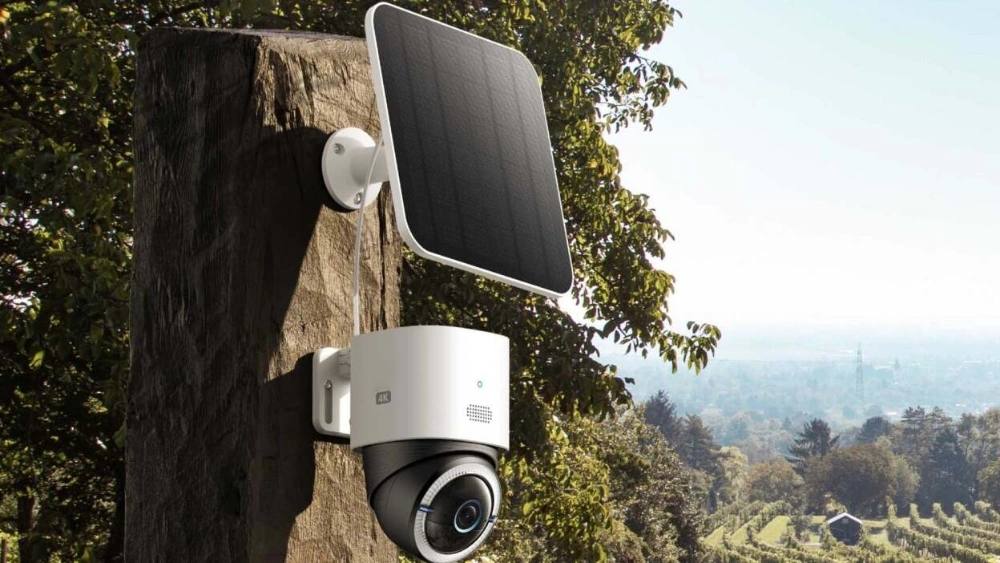
In agricultural settings the biggest difficulties involve long distances and poor connectivity. These projects should prioritize 4G full network access, a built-in triple-network switching module, and increasing signal coverage in remote mountainous areas by 50%. Additionally, ultra-long battery life is essential to handle extended periods of overcast weather common in rural areas.
Construction Sites and Temporary Outdoor Areas
The construction site requires fast deployment and the ability to relocate the cameras as the project progresses. In a construction site and warehouse environment, the camera will protect construction materials by detecting motion and sending notifications, as well as remote audio warning systems, which will scare off any intruders.
Warehouses, Parking Areas, and Commercial Sites
For commercial zones the emphasis turns to smart protection and clear evidence collection at high resolution. It needs to have active warning functions such as AI human/vehicle detection, area intrusion detection, and crying recognition to reduce false This ensures that every movement is captured while maintaining energy efficiency.
How to Evaluate a Reliable Supplier
Selecting the right manufacturing partner matters just as much as selecting the right hardware details.
Check Real OEM and ODM Capability: A top-tier supplier should demonstrate the ability to customize hardware and software. This includes modifying firmware for specific local network requirements or integrating with third-party VMS platforms. Jortan, for instance, provides robust support for brand owners looking for tailor-made solutions in the solar camera market.
Ask for Test Samples Before Bulk Orders: Theoretical specs often differ from real-world performance. Technological advances for 2026 include developments in battery power in the rain and artificial intelligence that alarms false alarms. It is advisable for customers to test the technological advances to ascertain that these advancements are indeed true, especially artificial intelligence alarm accuracy and solar-powered charging system efficiency.
Review Quality Inspection Process: A professional factory will have a documented quality control workflow. This should include aging tests, waterproof immersion tests, and drop tests for packaging. Ensuring the supplier follows these steps minimizes the risk of receiving defective batches that could damage a distributor’s reputation.
Confirm Long-Term Model Continuity: In the B2B sector, consistency is king. Confirm the major models, chips, lenses, batteries, and shells can be supplied stably for a long time. This prevents the “mix-and-match” problem where subsequent orders of the same model number arrive with different internal components, causing headaches for technical support and installation teams.
FAQ
Q1: What is the typical MOQ for a customized solar outdoor camera order?
A1: The minimum order quantity for custom logo printing will range between 100 and 500 pieces for most professional manufacturers like Jortan, whereas the minimum quantity requirement for full OEM packaging will be at least 1,000 pieces. However, different projects have different requirements. You can contact Jortan for further information.
Q2: What kind of after-sales support should a distributor expect?
A2: Jortan provides a 1-2 year warranty, free firmware updates, and a dedicated technical account manager. They should also offer spare parts like brackets and antennas to ensure that any minor hardware damage doesn’t result in a total loss of the unit.
Q3: How can buyers verify whether a solar outdoor camera fits their project before bulk orders?
A3: Buyers should test samples in real outdoor conditions before placing bulk orders. The test should cover solar charging, battery life, night vision, 4G or WiFi connection, alarm response, app operation, storage method, waterproof performance, and bracket stability.