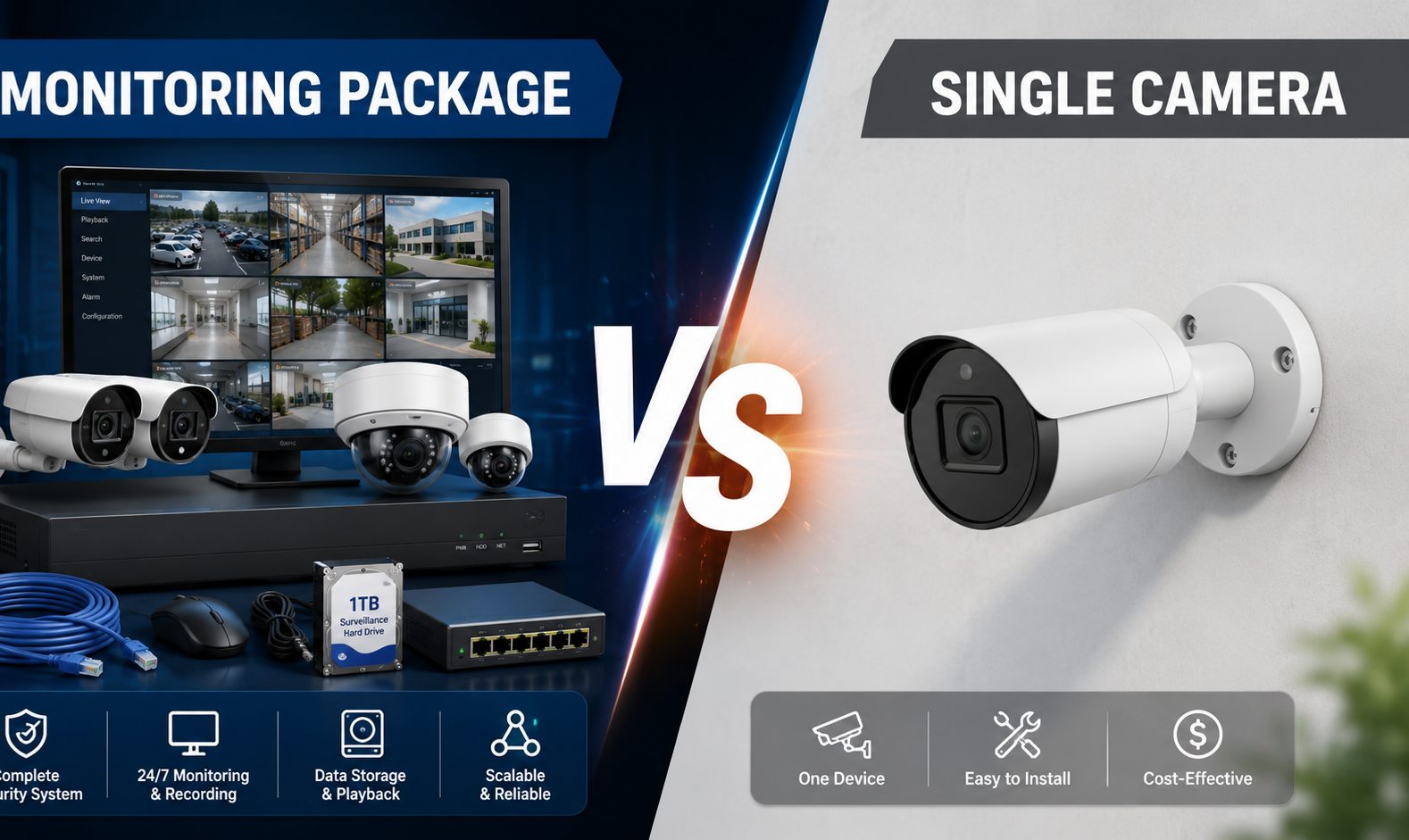
For 2026 security projects, buyers should first decide one thing clearly: does the site only need one flexible camera point, or does it need a full multi-camera system? This choice looks simple, but it affects storage, installation cost, product matching, after-sales work, and the way distributors or contractors plan bulk orders.
Evaluating Security Needs for 2026 Projects
The Scope of Modern Security Requirements
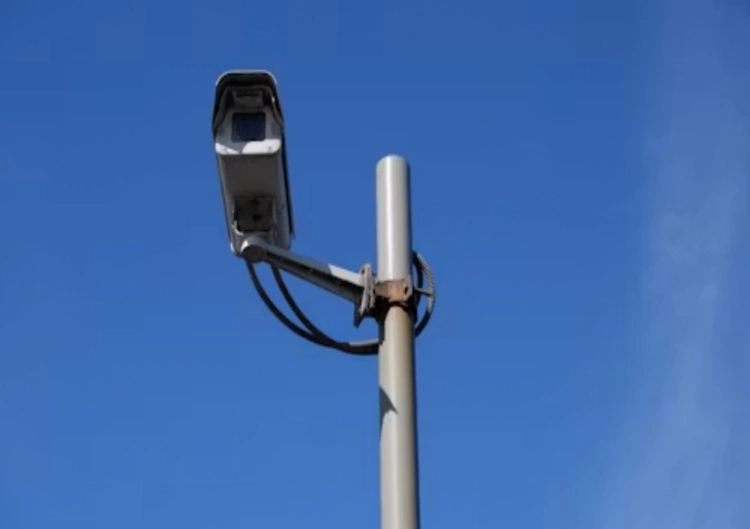
Surveillance cameras are generally composed of image sensors, video encoders, network servers, external alarm control interfaces, and other components. This structure is one reason cameras can be used in larger systems such as city monitoring, commercial buildings, small business security, and industrial automation networks.
As more sites use smart devices, security products also need to fit with other equipment. Buyers may want remote viewing, several user accounts, cloud dashboards, or easier maintenance records. This does not mean every project needs a full system. It means buyers should leave room for future changes.
Factors Influencing System Design Choices
Site size, layout, and risk level decide a lot. A small shop entrance may need only one camera. A warehouse may need several indoor and outdoor points. A parking area may need PTZ cameras or a monitoring package with central storage.
Storage also needs early planning. Some customers accept TF card storage or cloud storage. Larger projects often prefer NVRs or local storage. If the market has privacy rules, encryption and retention settings should also be discussed before ordering.
Budget matters too. Some buyers start with one camera and expand later. Others already know the project will grow, so a monitoring package is easier to manage from the start.
The Role of Single Cameras in Targeted Surveillance
Single cameras still have a clear place in 2026 procurement. They are useful for small sites, test projects, retail sales, and buyers who want to enter the security camera category with lower risk.
When a Single Camera is Sufficient
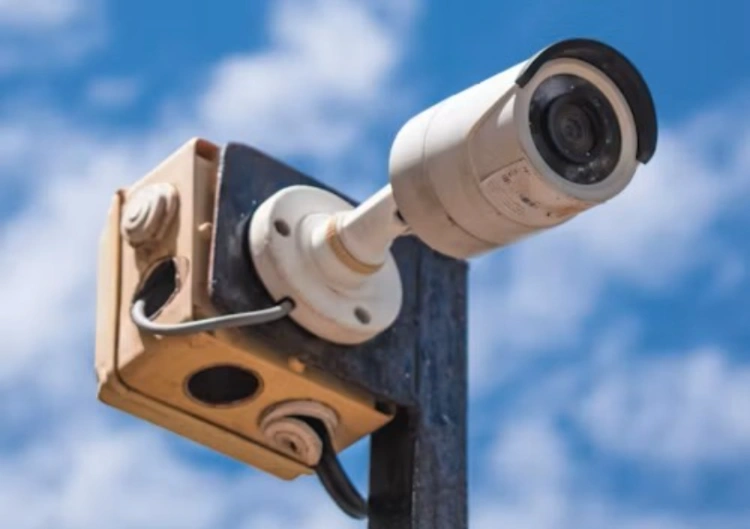
A single camera is suitable for an entry point, cash register, small office, room, hallway, or isolated zone. If the site only needs visual proof or simple event checking, one camera can do the job.
Technical Capabilities of Standalone Cameras in 2026
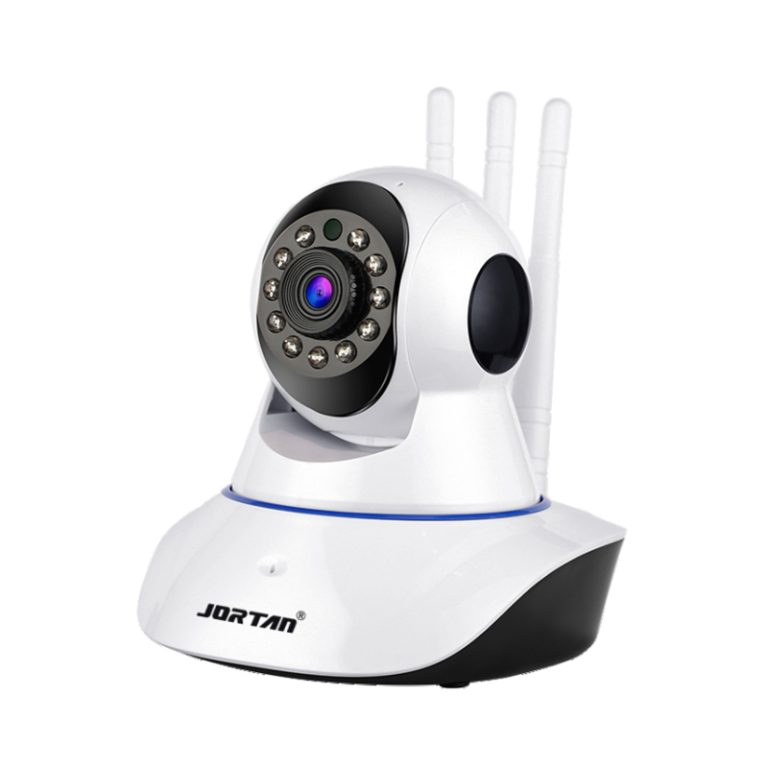
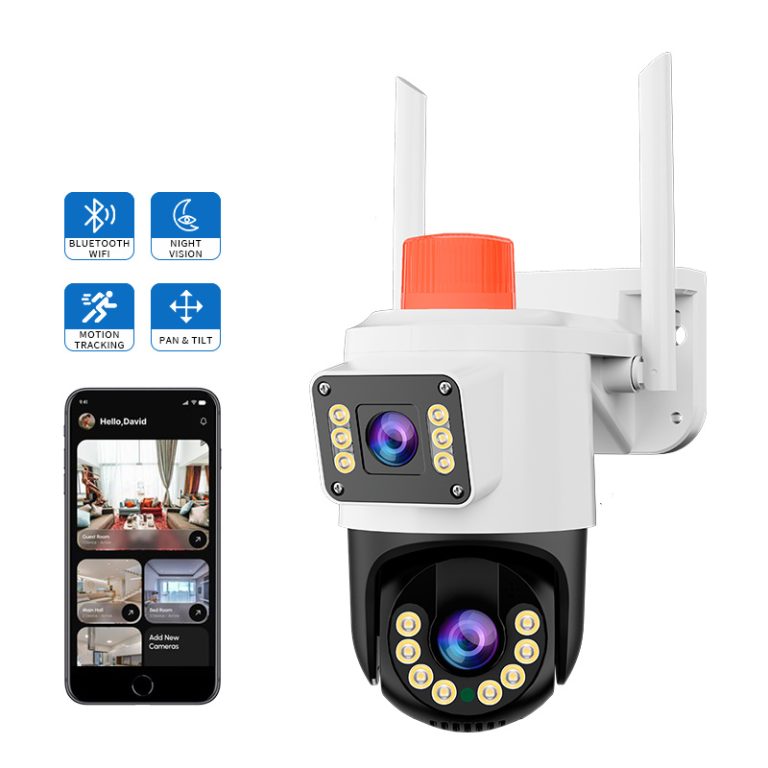
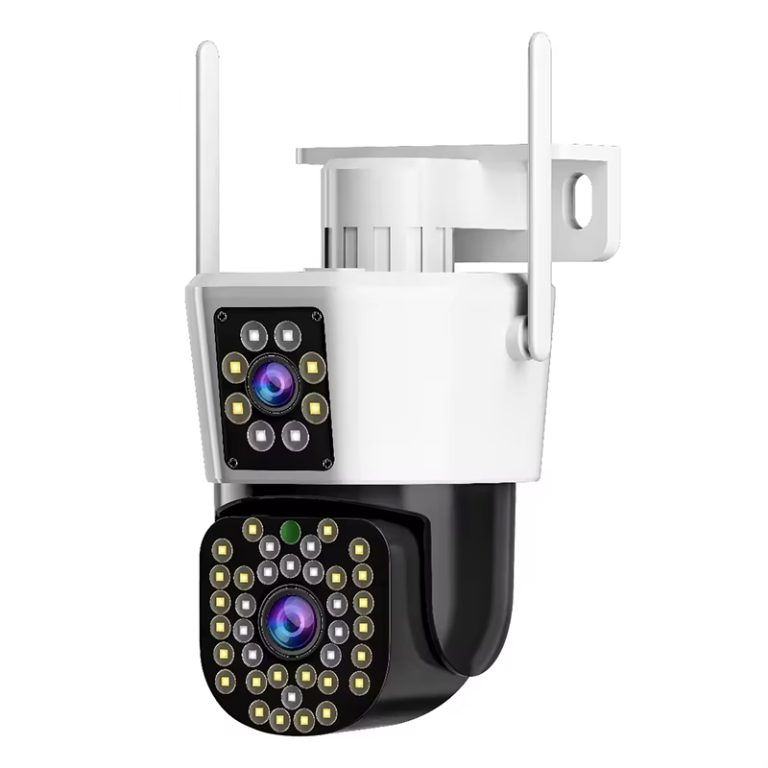
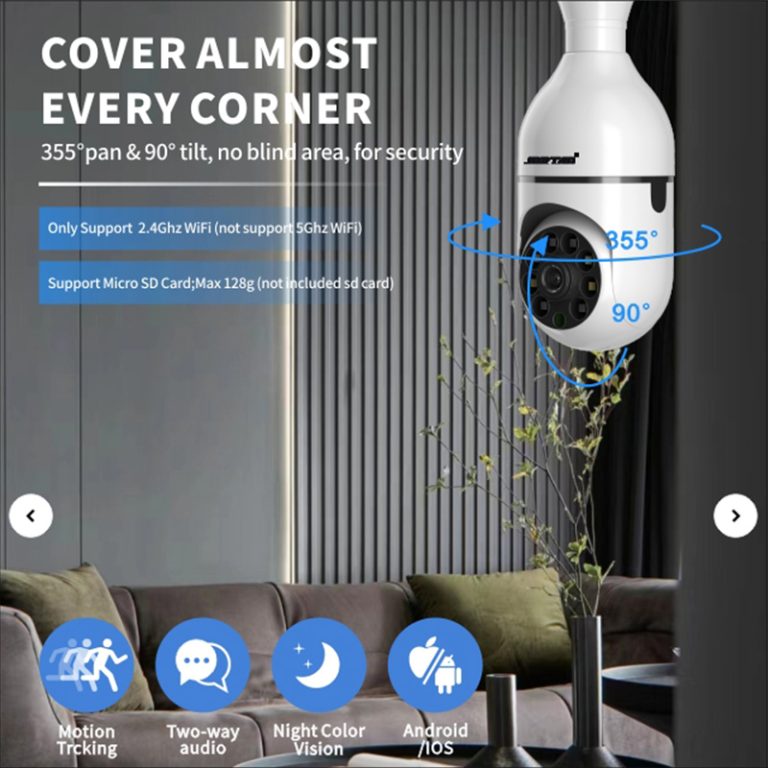
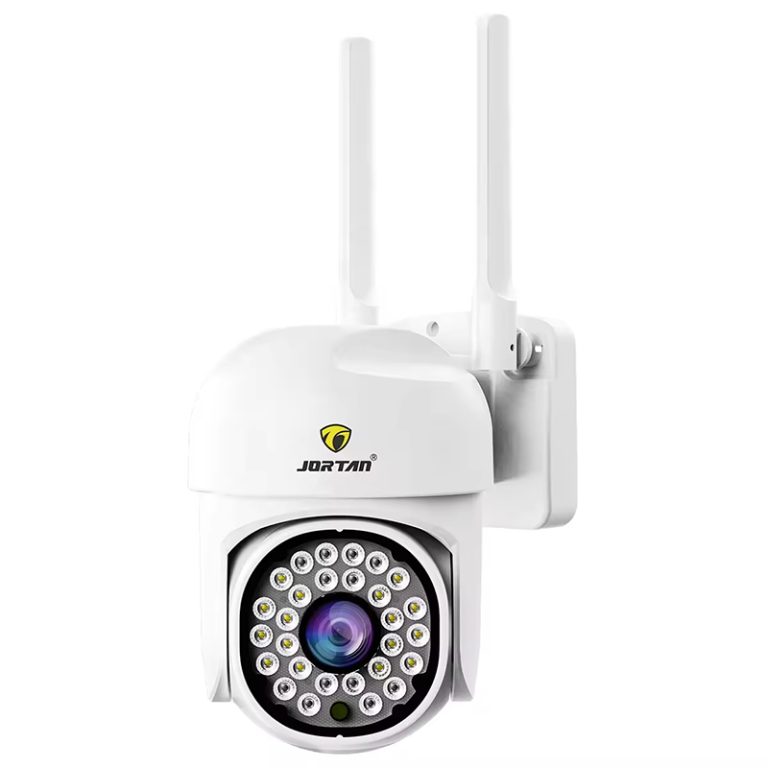
Standalone cameras are no longer only basic devices. Many now support AI-enabled motion detection, app alerts, night vision, two-way audio, and remote viewing. Some models also offer 4K resolution, wide dynamic range (WDR), and better low-light performance. If you are looking for such a product, you might as well take a look at the series of products of Jortan.
The Advantages of a Monitoring Package for Comprehensive Coverage
A monitoring package is more suitable when one camera cannot cover the site properly. This often happens in warehouses, offices, apartment projects, campuses, logistics centers, parking areas, and multi-room stores.
Components of a Typical Monitoring Package
A typical monitoring package includes several IP cameras connected to centralized management software through NVRs or cloud servers. IP cameras in small business front-end surveillance transmit information back to the central recording device, which forms the “brain” of the entire system.
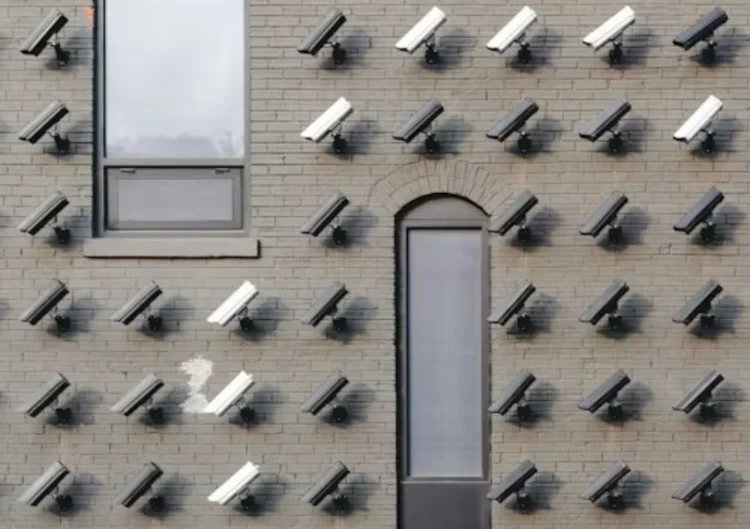
This kind of setup helps users view several camera points from one place. It can also support mobile apps, web dashboards, real-time alerts, playback, and sometimes simple analytics.
Benefits of System Integration in Monitoring Packages
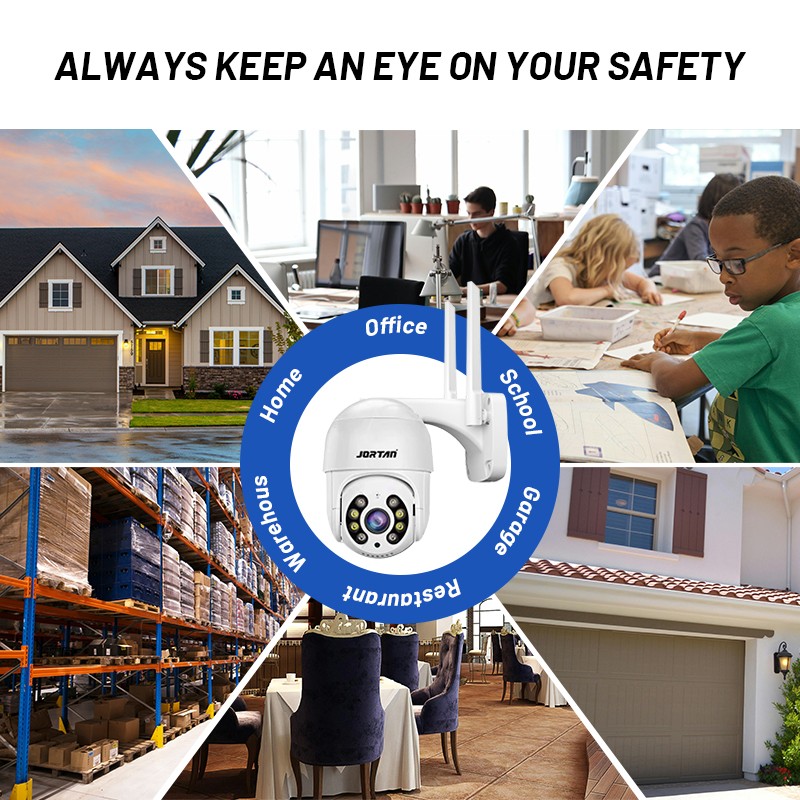
A monitoring package can make the system easier to manage. Firmware updates, storage settings, and camera layout can be handled more centrally. This matters when the site has many camera points.
Integrated systems also reduce the risk of buying cameras that do not work well with the recorder or software. For a contractor, that saves installation time. For a distributor, it can reduce complaints after the system is sold.
Comparing Cost Efficiency Between Single Cameras and Monitoring Packages
Initial Investment vs. Long-Term Value
Single cameras cost less at the beginning. They are good for small sites and basic demand. But they have limits. If the buyer later needs more coverage, more storage, or central management, the system may need to be rebuilt or expanded piece by piece.
Monitoring packages usually cost more at the start. They may include several cameras, NVRs, cables, storage, software, and accessories. But for larger projects, this can bring better value because the whole system is planned together.
Maintenance is also different. A single camera may be checked only when something goes wrong. A package system may have support terms for firmware updates, storage checks, and system performance.
Operational Costs and Resource Management
Operational cost includes power use, bandwidth, storage, maintenance, cloud subscription, and replacement parts. A single camera may seem simple, but if many single cameras are installed without planning, the user may end up with messy storage and separate apps.
Integrated packages can reduce this problem. Some systems use AI-driven event filtering, so the system records important events instead of saving every second of video. This can reduce storage use and make playback easier.
Choosing Between a Single Camera and a Monitoring Package for Future Projects
Assessing Organizational Priorities Before Implementation
Before procurement starts, project owners should define what they want to monitor. Is it one door, one counter, one room, or a full building? Do they need live view only or also long-term recording? Will the site add more access points later?
Scalability should be checked early. If the project will expand next year, a monitoring package may be safer. If the buyer only needs one temporary point, a single camera is enough.
Strategic Recommendations for 2026 Security Deployments
Small retail stores, workshops, home entrances, and small offices can start with modular single-camera setups. This keeps the first order simple and gives the buyer room to test the product.
Large enterprises, apartment projects, warehouses, and public or commercial facilities often gain more from monitoring packages. These projects need wider coverage, central storage, and easier management across several locations.
For distributors, both types should be kept in the product line. Single cameras bring retail and entry-level sales. In the case of customers requiring both standalone camera systems and entire packages, Jortan can be considered a useful choice of suppliers. The company provides a range of IP Camera, Monitoring Package, and Solar Camera, making it easy to compare different suppliers’ offerings within a single brand.
Final Procurement Advice for 2026 Security System Buyers
For 2026 bulk purchasing, buyers should focus on supplier reliability, compatibility testing, and product lifecycle support.
Compare System Cost, Not Only Camera Price
A single camera may need extra memory cards, cloud service, brackets, adapters, or replacement units. A monitoring package may include more parts, but it can reduce mismatch and simplify management.
Buyers should include installation labor, software, cloud subscription, storage expansion, warranty, and maintenance when calculating cost.
Build a Mixed Product Line for Different Sales Channels
Distributors can offer single cameras for SMEs, retail stores, e-commerce buyers, and simple security needs. They can offer monitoring packages for contractors, enterprise clients, and project buyers. This mixed product line helps avoid relying on one narrow product type.
Test Compatibility Before Bulk Orders
Before large orders, buyers should test cameras, NVRs, VMS software versions, power supplies, apps, storage, cables, and network settings. A single camera should be tested for app setup and image quality. A monitoring package should be tested as a complete system.
Choose Suppliers That Can Support Long-Term Supply
A supplier should provide stable models, firmware updates, spare parts, manuals, certifications, packaging, and after-sales support. For multi-year contracts, long-term support matters more than a short-term low price.
FAQ
Q1: What factors should influence my choice between a single camera and a monitoring package?
Buyers should consider site size, risk level, number of camera points, storage needs, budget, and future expansion. Single cameras are practical for low-risk areas or pilot projects. Monitoring packages are better for larger facilities that need central management and wider coverage.
Q2: How do I estimate maintenance costs after installation?
Maintenance costs depend on product type, service terms, storage method, and supplier support. Single cameras may need manual checks, battery changes, or app troubleshooting. Package systems may include remote diagnostics, firmware updates, spare parts support, and planned service checks.
Q3: Where can I find reliable suppliers offering both single cameras and complete monitoring packages?
Buyers should look for suppliers that offer both standalone products such as the wireless surveillance camera and full system options such as smart IP camera packages. Jortan is a good example. They should also check product documents, sample availability, warranty terms, OEM/ODM support, and long-term supply ability before placing bulk orders.