
Everywhere you look right now, fresh security devices appear. They claim to offer improved tracking, sharper night vision, and wiser alerts. Meanwhile, global supply chain shake-ups over the past couple of years have made a huge impact. This forces everyone—from tiny local shops to massive distributors—to watch hardware price tags closely. Shoppers often obsess over the software app or the sheer megapixel count. However, the physical reality of assembling these machines paints a totally different picture.
The specific plastics, glass elements, and silicon chips picked at the factory determine a lot. They decide if a gadget can survive a brutal winter storm. They also govern whether it can actually read a license plate at midnight. We really need to peer behind the glossy marketing materials. Let’s see how camera material costs directly mold the reliability and actual functions of today’s systems. This guide breaks things down so buyers grasp exactly what their money goes toward when investing in smart surveillance. In turn, picking the proper gear for particular business demands becomes much simpler, helping you avoid throwing cash away.
The Core Components That Drive Security Camera Prices
Taking apart a modern monitoring gadget uncovers a neat blend of optical engineering and weather-resistant parts. Manufacturers must make tough calls regarding where to spend their budgets. Those choices inevitably start with the outer shell and the electronic eyes. Achieving a sweet spot between raw physical toughness and crisp visual accuracy remains tricky.
High-Grade Image Sensors and Lenses
The optical hardware sitting inside the unit stands as the biggest driver of the final price tag. You simply cannot rescue terrible glass using fancy software tricks. A client might demand crisp 4K resolution or 0.01 Lux full-color night vision. To achieve that, the factory has to drop in bulkier CMOS sensors, like the 1/2.8-inch formats. They also need to pair them with multi-layer glass lenses. Naturally, these specific security camera parts grab a lot more light and fine detail. But they undoubtedly push up the baseline production expense by a wide margin.
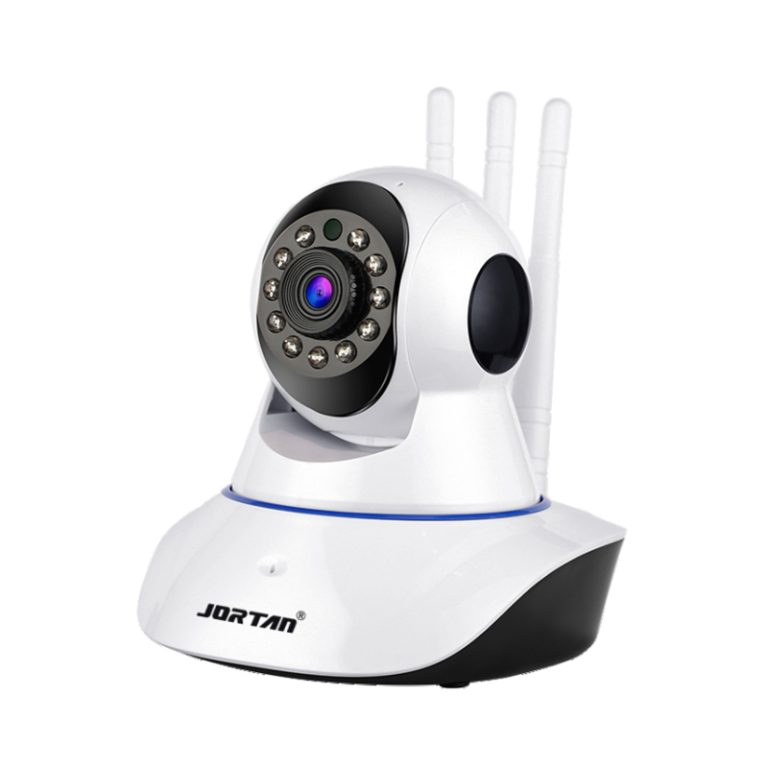
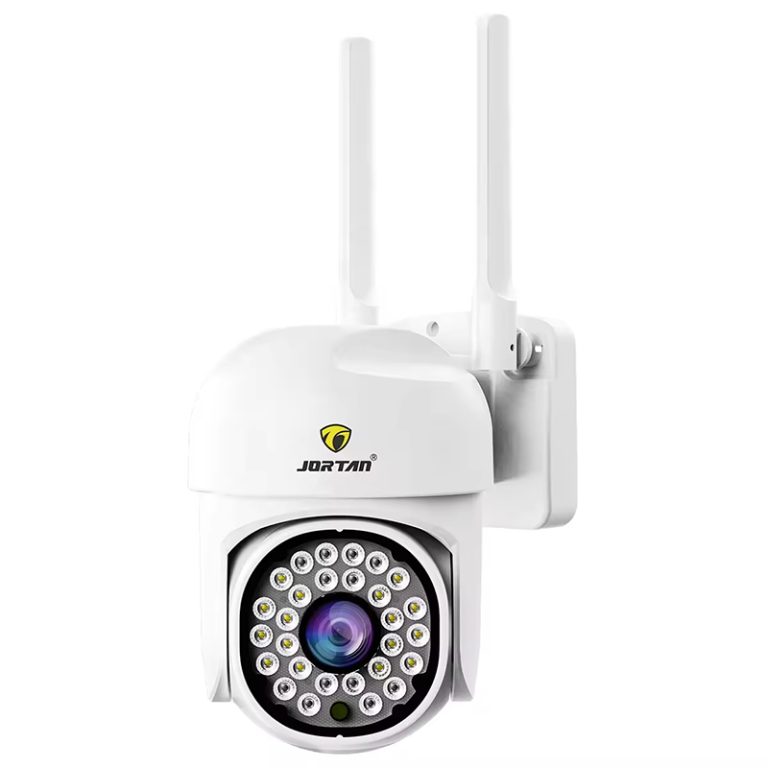
Budget-friendly plastic lenses might save a handful of dollars initially. Yet, they break down fast under the beating sunlight. This inevitably causes blurry video feeds in under twelve months. A trusty Jortan smart camera steps away from those cheap shortcuts. It relies on dedicated short-focus and telephoto lenses instead. These pieces hold onto their crystal clarity even after sitting outside for thousands of hours. Furthermore, picking solid sensors like the SC2336 lets the gadget chew through visual data more quickly. That results in a wonderfully fluid 25 frames per second feed.
Durable Weatherproof Housings
Electronic bits are notoriously delicate when facing moisture and wild temperature swings. Crafting a machine capable of surviving the outdoors demands heavy-duty materials. Unsurprisingly, this directly bumps up the camera manufacturing cost. Industrial-grade setups skip the flimsy plastics. Instead, they typically utilize IP66-rated die-cast aluminum or uniquely treated ABS polymers. These tougher materials fight off physical strikes and block water from sneaking inside. They also help vent the trapped heat thrown off by hardworking infrared LEDs and main processor chips.
Consider a housing built to endure a brutal 65°C bake test for seven straight days. It obviously costs way more to mold and piece together compared to a basic indoor shell. Shoppers have to understand a stark reality here. Skimping in this department goes straight toward shorter lifespans and nasty equipment breakdowns outdoors. By putting your cash into a solid exterior shell, you defend those pricey internal motherboards. You also stop the vital copper wiring from rotting away. Ultimately, you end up saving a pile of money on replacement units later on.

Balancing Production Budgets with Advanced Tech
Packing intelligent features into a unit kicks off a serious tug-of-war with the retail price. Factories face a tough puzzle. They have to squeeze in hefty processing power alongside complex moving parts. Still, they must avoid making the final item overly expensive for the regular B2B buyer or project planner.
Dual-Lens and Mechanical PTZ Capabilities
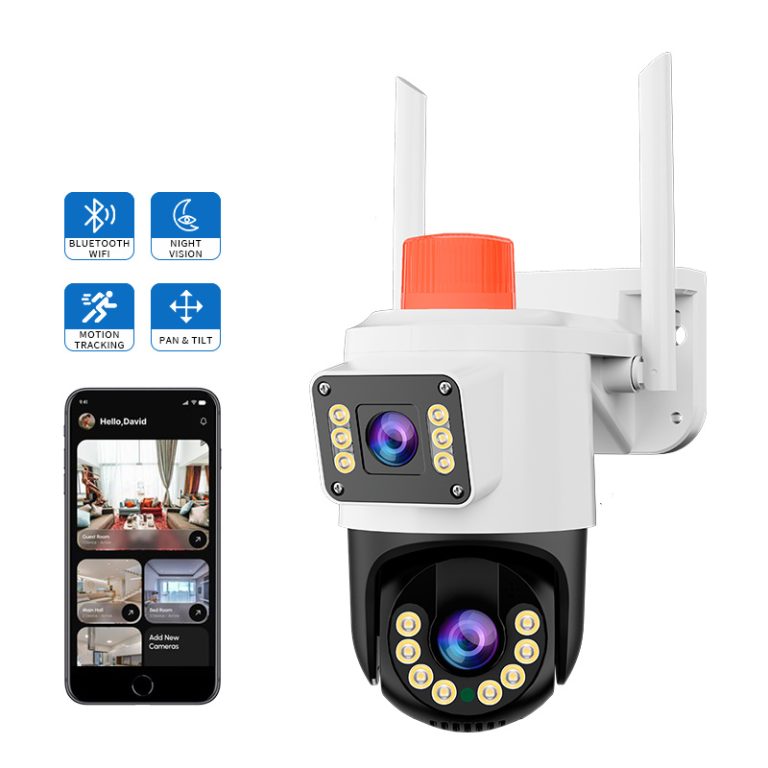
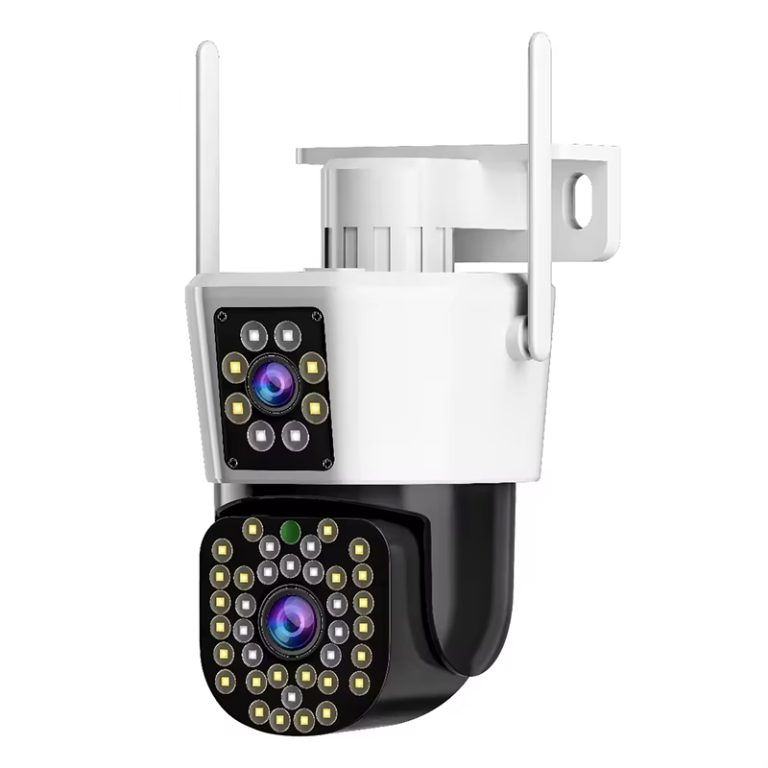
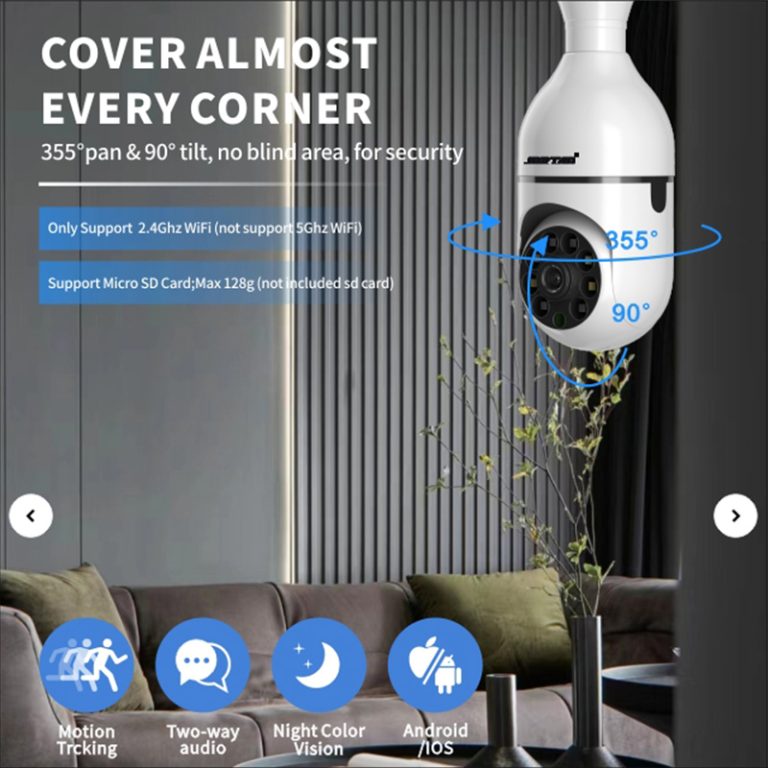
The growing urge to wipe out blind spots has nudged the market toward gun-ball linkage designs. Basically, this means stuffing two distinct viewing modules—one locked in place and one that spins—inside just one system. Putting together a unit like the JT-9999PRO demands dual image processors. It also needs extra internal wiring along with highly accurate horizontal and vertical motors. Furthermore, those mechanical parts have to sweep 355 degrees horizontally and tilt 90 degrees vertically without making a peep.
Tacking on these physical movement modules noticeably hikes the camera manufacturing cost. Nevertheless, that upfront spend pays off big time. It removes the hassle of buying and mounting two standalone traditional cameras. The physical hardware needed to pull this off involves fussy little gears. It also demands premium copper wiring that dirt-cheap brands just cannot afford to slip in. Whenever a shopper grabs a dual-lens unit, they basically buy a highly capable little robot. It grinds away tirelessly, watching two completely different zones at the same moment.
Advanced AI and Full-Color Night Vision
Flashy smart camera features, such as 15-meter human shape tracking and dual-light night vision, don’t appear by magic. They lean heavily on beefy internal chips, much like dual-core 32-bit DSP processors. They also need clusters of high-intensity white and infrared LEDs. When a Jortan security camera spots movement in the pitch black, it reacts instantly. It flips from infrared straight to full-color mode. This switch grabs accurate clothing colors and sharp facial details effortlessly.
Pulling off that seamless swap calls for highly sensitive photoresistors and mechanical IR-CUT filters. Upgrading these inner parts lets the unit ignore annoying false alarms set off by wandering pets or dropping leaves. Yet, pulling this off demands a much higher grade of silicon and clever circuitry. That naturally inflates the raw material budget. Meanwhile, the H.265AI video compression technology baked into these chips shrinks storage needs by a whopping 50%. This handy trick makes the steeper initial hardware cost entirely worth it, since you won’t have to buy massive external hard drives.
How Market Categories Respond to Hardware Expenses
Not every single monitoring job needs the same pile of hardware cash. A basic indoor baby monitor runs on vastly different material needs when stacked against a rugged, off-grid agricultural setup. Because of this, builders tweak their component sourcing to match the exact situation.
– Indoor Wi-Fi Units versus Outdoor Commercial Systems: Gadgets built for cozy living rooms or tiny retail shops skip the heavy weatherproofing. They certainly don’t need giant solar panels either. That fact lets builders keep the camera material costs fairly low. They pivot their focus to straightforward Wi-Fi links and standard two-way audio. Conversely, outdoor systems like the JT-9697QJ have to pack tough external antennas. They require sturdy mounting brackets and dual-screen synchronization tech. The physical stuff needed to keep an outdoor unit humming along in freezing -20°C weather automatically shoves it into a higher pricing bracket. You are essentially handing over cash for thick insulation, rare cold-weather batteries, and toughened glass.
– Off-Grid Solar and Low-Power Configurations: Sprawling agricultural farms and lonely construction sites generally lack normal power grids. They rarely have wired internet, either. Rigging up a system for these harsh spots brings in a whole new batch of hardware expenses. Configurations like the 8906ZL3-8 lean heavily on beefy lithium iron phosphate batteries. They also need polycrystalline solar photovoltaic panels to stay awake around the clock. High-conversion solar panels and stubborn 10000mAh batteries are bulky, pricey pieces. While these elements definitely bump up the initial camera manufacturing cost, the flip side is great. They spare buyers thousands of dollars by wiping out the need for messy electrical trenching and pricey manual labor down the road.
Sourcing Reliable Equipment Without Breaking the Bank
Project planners and regional distributors carry a heavy burden. They have to hunt down systems that work flawlessly without busting their strict budgets. The real trick lies in figuring out which specific materials actually matter for your unique setup. Finding the proper factory partner is just as critical.
– Work directly with Integrated Manufacturers: Grabbing products from a brand that manages its own research, design, and assembly chops down those annoying middleman markups. A huge factory boasting a 30,000 square meter footprint holds serious volume leverage. They wield the supply chain grip needed to score raw materials at vastly superior rates. Naturally, they hand those savings straight over to you. That setup lets your business secure top-notch smart surveillance gear at a surprisingly friendly price tag. Going direct also guarantees you land much better after-sales support. You get solid technical advice when laying out massive equipment networks, too.
– Prioritize Necessary Functions: Please don’t throw cash at hardware you don’t actually require. Say your clients just want to watch over a small, brightly lit indoor warehouse space. They probably don’t need a crazy 4K solar-powered AOV rig. Always align the smart camera features with the actual physical environment. By knowing exactly what security camera parts hide inside the casing, shoppers can make much smarter choices. This helps you strike a perfect harmony between the upfront purchase price and enduring reliability. Always peek at the data sheets. Don’t forget to question the CMOS sensor size before dropping money on a massive bulk order.
Conclusion
The physical guts tucked inside a security device form the genuine bedrock of its performance. Everything matters, from the caliber of the CMOS sensor down to the thickness of the waterproof shell. Indeed, camera material costs play an undeniable part in how thoroughly a system guards a property. Once buyers grasp the tight link between raw bits and advanced smart camera features, they end up making much wiser long-term investments. Try not to chase the absolute cheapest box on the shelf. Instead, zeroing in on solid manufacturing promises fewer annoying field failures. It also delivers much crisper video evidence when it truly counts. If you feel like exploring top-tier hardware crafted for real-world beatings, drop by the Jortan homepage. You can also contact us today at kingjin@safejortan.com.cn to chat about your project needs today.