
The global electronics manufacturing sector is dealing with heavy turbulence right now. Every time a new quote lands on a procurement desk, people ask the same question. Why are security camera prices rising so fast? The answer isn’t just about factories trying to squeeze a few extra dollars out of buyers. We are looking at a complex mix of raw material shortages, deep shipping nightmares, and rapidly changing technology demands from end-users. Let us dig into the real factors pushing the CCTV camera cost upward and figure out how smart b2b buyers are adjusting their purchasing strategies to stay profitable this year.
The Raw Reality Behind the Camera Price Increase
When you take apart a modern dome or bullet camera, you are not just looking at a simple piece of plastic and some glass. You have copper wiring, specialized aluminum housings, and highly specific silicon chips. The camera price increase is deeply tied to what happens on the global commodities trading floors. If the raw materials go up, the finished product has to follow.
Semiconductor shortages: The lead times for basic image sensor chips jumped from a standard 12 weeks to over 30 weeks during recent supply shocks. While the panic has cooled down slightly, the base cost for these crucial components remains about 15% to 20% higher than pre-2020 levels. Silicon foundries prioritize massive tech giants, leaving smaller electronics manufacturers paying a premium just to get their chips on time.
Metal and resin costs: Aluminum is used heavily in outdoor weather-resistant models because it handles heat dissipation well. Industrial aluminum saw massive price swings, sometimes jumping 30% in a single quarter. Factories pay more per metric ton, and that cost gets passed down the line. Even the industrial-grade polycarbonate resins used for vandal-proof domes have become more expensive due to oil price fluctuations.
Rising energy prices: Running a massive injection molding machine or an automated PCB assembly line takes immense electrical power. Industrial energy rates in major manufacturing hubs across Asia and Europe went up significantly. This raises the daily overhead for every single unit rolling off the factory line.
All these tiny bumps in material expenses stack up fast. If the lens assembly costs 40 cents more, the housing costs 60 cents more, and the processor adds another dollar, the final wholesale price takes a noticeable hit before the item even gets put in a cardboard box.
How the Global CCTV Supply Chain Impacts Production
Raw materials represent only half the battle for a factory. Once those parts are assembled into finished goods, they actually have to reach the regional distributors and project sites. This brings us to the logistics side of the equation. When shipping routes get tangled, the financial structure of a product changes dramatically overnight.
Shipping and Freight Bottlenecks
The CCTV supply chain relies heavily on steady, predictable ocean freight. A few years ago, sending a standard 40-foot container from Asian manufacturing hubs to North America or Europe cost around $2,000 to $3,000. Recently, those numbers spiked wildly, sometimes hitting $10,000 during peak port disruptions. Even as rates settle down into a new normal, they have not returned to those old bargain-basement levels. Distributors simply have to charge more for the final product to cover this massive transit bill. When you are moving heavy wooden pallets filled with multi-camera DVR kits, the freight weight hits your profit margin hard. Delays at the ports also mean distributors have to hold more buffer stock in their local warehouses, which ties up cash flow and adds to the overall CCTV camera cost for the end buyer.
Labor Shortages in Manufacturing Hubs
Building precision electronics is not entirely automated. Skilled workers who know how to solder tiny connections, calibrate optical lenses, and run intensive quality control software are in incredibly high demand. Factory worker wages have grown steadily as the cost of living increases globally. A responsible manufacturer cannot risk hiring untrained, cheap labor because a high defect rate ruins a brand’s reputation instantly in the b2b world. Paying competitive salaries to keep experienced factory floor staff keeps the product reliable. However, it also directly feeds into the rising we see in the current market.
Shifting Surveillance Market Trends: Driving Premium Features

Corporate clients and homeowners no longer want the grainy, blurred black-and-white footage from ten years ago. Today’s surveillance market trends lean heavily toward smart, high-resolution devices that do more than just record video. The baseline standard for commercial security has moved from basic 1080p resolution to crisp 4K, full-color night vision, and active deterrence mechanisms.
AI and smart analytics: End-users now expect their systems to tell the difference between a stray dog and a person trying to break in. Building smart human-tracking and vehicle-detection algorithms requires significantly better processors inside the camera housing. You are basically putting a small computer on a wall, which costs more to build than a simple analog lens.
Better connectivity hardware: Modern installations rely heavily on wireless technology. Dual-band Wi-Fi capabilities and stable 4G or 5G cellular connections require complex antenna arrays and specialized modems.
Robust physical builds: B2B buyers demand IP66 or IP67 waterproof ratings as an absolute standard for outdoor projects. This means using tighter rubber seals, higher-grade weatherproof plastics, and better anti-corrosion paint.
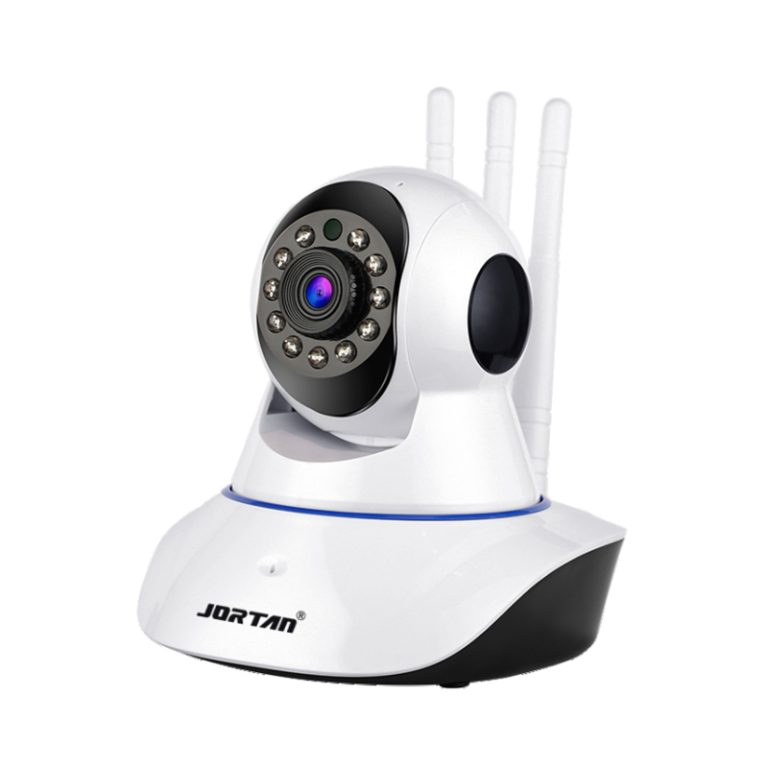
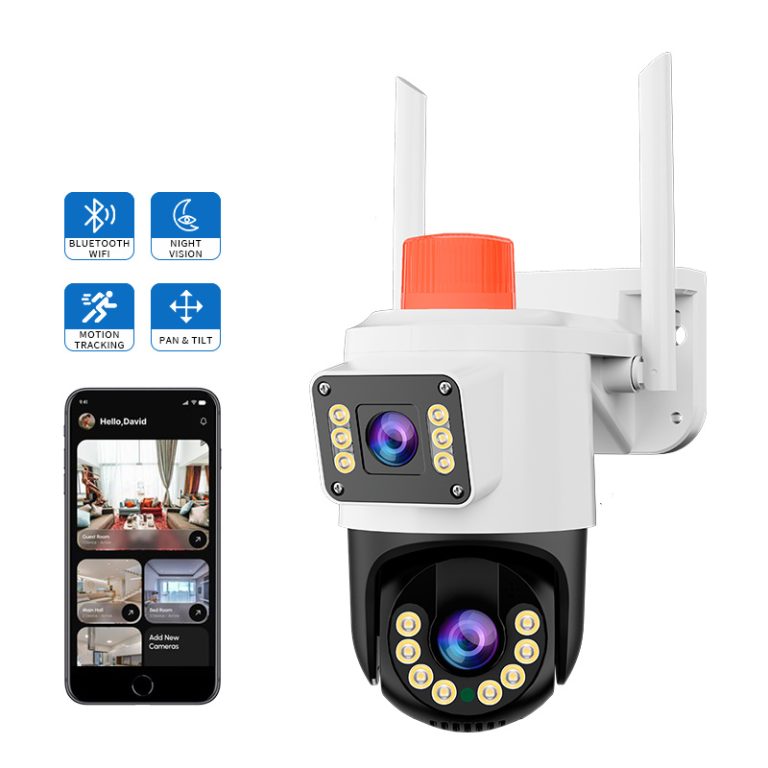
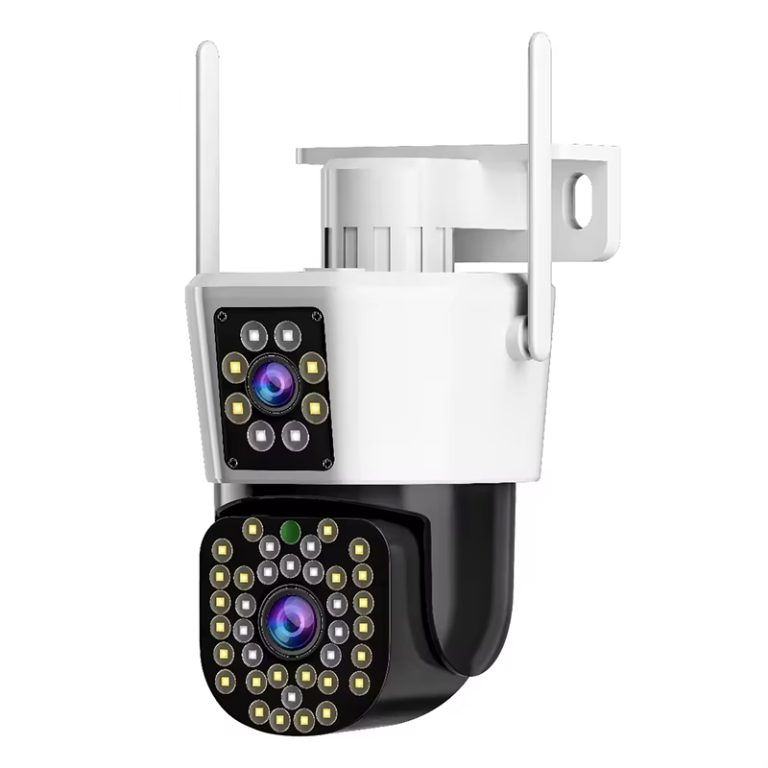
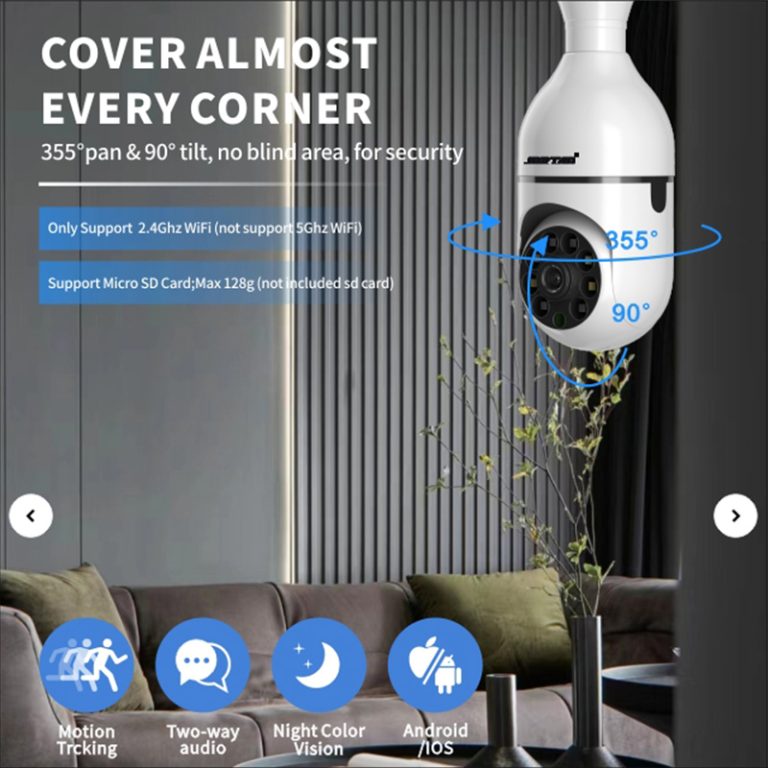
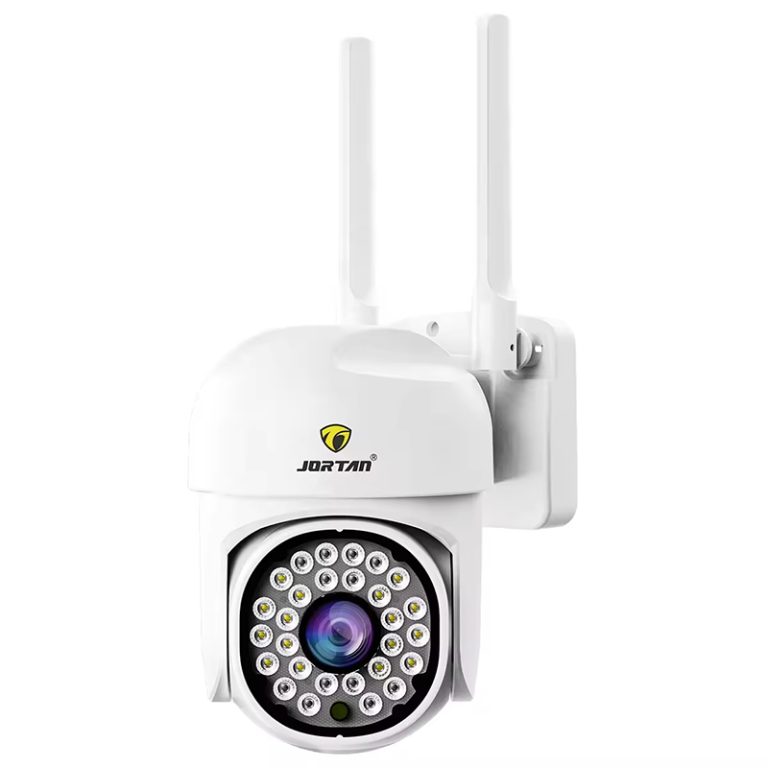
While these features make the products incredibly capable, they naturally raise the floor price. You get a much better tool, but it requires a bigger initial investment. This is exactly where finding a reliable, factory-direct brand matters. A well-built Jortan security camera incorporates these modern features without the massive markup you often see from traditional legacy brands. For instance, models like the JTZ-9690PRO pack in advanced full-color night capabilities and precise human tracking, giving wholesale buyers premium specs at a sensible rate. Similarly, the JT-9696PRO provides dual-lens panoramic views, a high-end feature that usually breaks the budget when sourced from other suppliers.
Navigating Rising Costs Without Sacrificing Quality
Knowing exactly why the market is expensive does not magically change your available purchasing budget. You still have to buy inventory, win bids, and complete your projects. To keep margins healthy in a tough climate, smart distributors must rethink exactly who they buy from and how they place orders.
Partnering with Direct Manufacturers
The most effective way to fight back against a steep camera price increase is to cut out the middlemen entirely. Buying from a local retail importer who bought from a regional distributor who bought from a trading company means you are paying four different profit margins. Going straight to the source changes the math completely.
When you deal with the primary manufacturer, you gain transparency and control over the CCTV supply chain. Companies like Jortan manage their own production lines, component sourcing, and rigorous quality testing. This means when you order a robust analog HD system like the 6115AHD-4 kit or a highly reliable wireless dome like the JT-8258T, you get direct pricing. Bulk buyers get the distinct advantage of factory-level technical support, faster replacement parts, and much better warranty terms.
Planning Bulk Orders Ahead of Time
Reactive buying kills corporate budgets. If you wait until your warehouse shelves are empty to place an order, you will pay premium spot rates for both the product and the expensive air freight needed to rush it over. Experienced procurement managers watch the surveillance market trends and forecast their needs three to six months out.
By placing larger, less frequent wholesale orders, you secure current pricing before the next material spike. This also gives the factory enough lead time to put your items on a standard, cheaper ocean freight route. This simple shift in inventory planning can cut your total landed costs by up to 15%, wiping out the sting of the recent security camera price jump. If you want to figure out how to structure your next bulk purchase without breaking the bank, talk to the factory team directly. You can easily contact us to discuss custom wholesale pricing and see how direct sourcing keeps your security business competitive.
Conclusion
The days of race-to-the-bottom hardware pricing might be behind us, but that does not mean your profit margins have to shrink. Yes, the overall CCTV camera cost has gone up due to raw material spikes, expensive ocean shipping, and the massive consumer demand for smarter AI features. However, by understanding these global shifts, you can adapt your buying habits. Skipping the middleman and forecasting your inventory will protect your bottom line. A premium Jortan security camera delivers the high-end features your clients demand at a price that actually makes sense for bulk buyers. Stay ahead of the curve, plan your shipments early, and always buy as close to the factory floor as possible. Contact us today at kingjin@safejortan.com.cn.