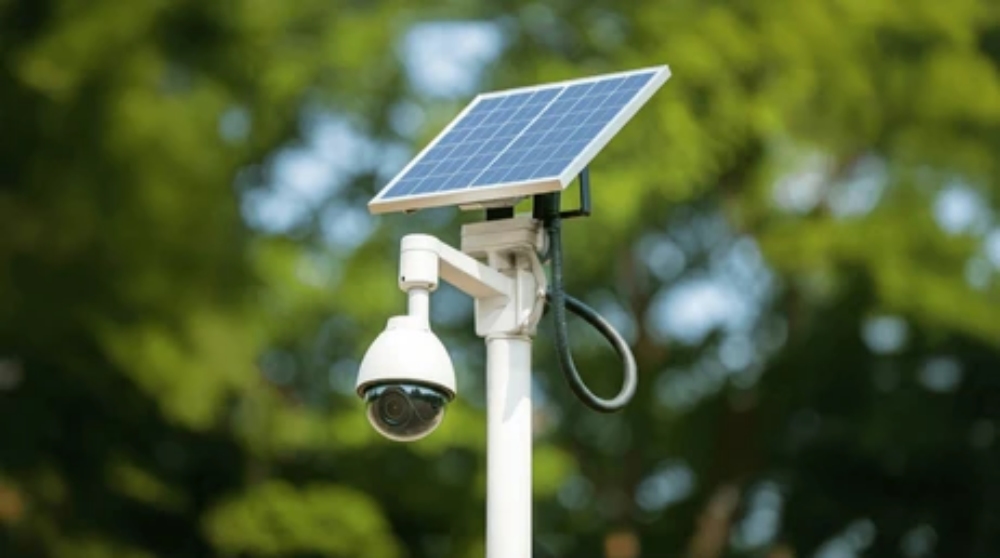
In 2026, home safety goes beyond simply recording odd events. A solar camera provides homeowners with a flexible method to watch entrances, yards, driveways, and distant spots without needing much wiring or frequent battery changes. These case studies reveal how solar-powered security setups are turning into a sensible option for today’s homes.
The Growing Relevance of Solar-Powered Home Security Systems
The use of solar-powered home security systems is growing quickly as homeowners focus on eco-friendliness, energy freedom, and money savings. This change shows a wider shift in how folks view protection and care for the environment in living spaces.
The Shift Toward Sustainable Security Solutions
Climbing energy prices and stronger awareness of the environment push homeowners to look for options that cut down on regular power use. Solar-powered tools present a pleasing choice by mixing clean energy with up-to-date tech. With steady progress in the watch industry, people now see and apply surveillance more often. From wired setups to WiFi and then 4G, ease of use has gotten better. This step-by-step improvement makes solar-powered systems not just workable but also appealing for green lifestyles.
Advantages of Solar Integration in Security Cameras
Solar integration offers big pluses over old wired setups. One main gain is steady work during blackouts, which keeps protection going without stops. Solar cell surveillance cameras bring three key improvements: energy self-reliance, network protection, and smart defense. These traits make them very useful in spots with shaky power or few facilities.
Also, solar home cameras cut down on upkeep costs thanks to their wireless style and battery power. They need less cabling and can go up fast on things like poles or walls. So, homeowners get lower running costs while helping cut carbon through no-emission work.
Technological Foundations of Solar Home Cameras
Grasping the tech in solar home cameras shows how these setups gain freedom and steadiness via built-in parts and fresh ideas.
Key Components and Their Functions
The heart of each solar camera system is its sunlight-to-power skill. Solar panels turn sun rays into electric power that runs the camera’s tasks all day. Rechargeable batteries hold extra power for night or overcast times, making sure it works around the clock. Wireless links add ease by letting far-off access via phone apps—a vital trait for current homeowners who want live command of their land’s safety state.
It supports permanent off-grid operation through monocrystalline silicon photovoltaic panels and an intelligent energy storage system. An average of 4 hours of daily sunshine can support 15 days of rainy and cloudy operation, with zero electricity bills throughout the year. This shows how good energy turning supports lasting firmness even in changing weather.
Innovations Enhancing Performance and Efficiency
New steps forward have boosted both output and toughness in solar-powered cameras a lot. The 2026 technology upgrade will focus on breakthroughs in battery life in rainy weather and control of AI false alarm rates. Such changes make sure there is steady work no matter the weather hurdles while keeping high correctness with AI-based motion spotting that cuts false warnings.
Moreover, AI-powered recognition improves event detection accuracy through a three-level humanoid and vehicle filtering algorithm, reducing false alarms to 0.3% in measured scenarios. At the same time, they save recording time and storage via cloud links for safe video handling.
Evaluating the Practical Applications of Solar Camera Systems
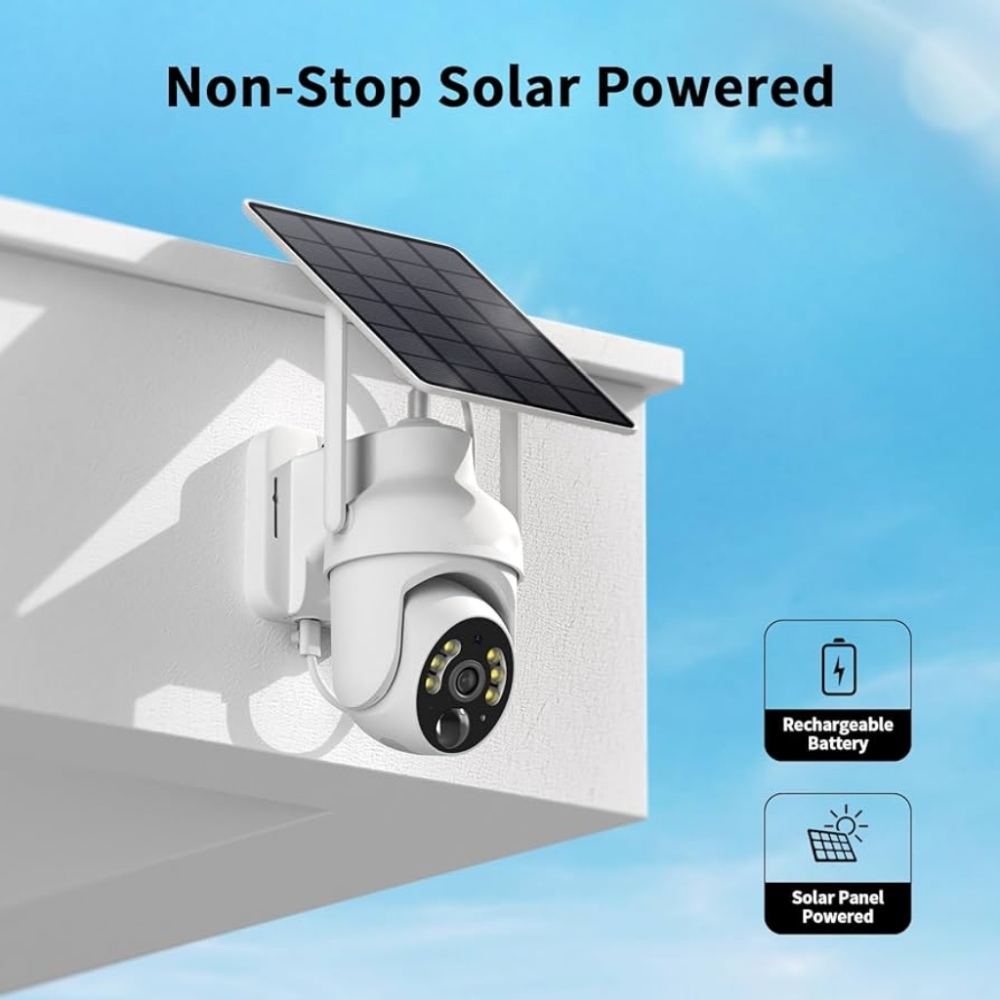
Solar-powered cameras are changing home safety plans by giving bendability, strength, and green work across different property types.
Deployment in Residential Environments
Solar camera systems suit homes in country or no-grid areas where usual wiring is hard or costly to set up. Their piece-by-piece design allows easy placement around land edges for full watch without big cable jobs. They are the ultimate solution for areas without electricity or internet access, making them particularly suitable for remote rural areas, field operations, ecological protection areas, and other special scenarios. Linking with current smart setups adds to ease by allowing smooth ties with voice helpers or phone boards.
Addressing Common Operational Challenges
Even with their pluses, solar home cameras run into some limits tied to weather factors like sun access or dirt buildup on panels that slow charging. Routine cleaning keeps top performance all year.
Data safety stays a key worry since many tools use cloud storage for video saving. Using coded sending methods cuts these dangers while holding user privacy rules.
Market Trends Shaping the Future of Solar Camera Security
The world market for solar camera systems keeps growing as green choices become key to what buyers pick in city and country areas.
The increasing need for eco-friendly monitoring tools pushes makers to create mixed models that blend several clean sources like wind or main power backups for better trust during long, dim times. Government perks for clean energy use speed up this move to greener tech.
Zero carbon emission reduction: A single device reduces carbon emissions by 1.2 tons per year, in line with the city’s carbon neutrality goals. This clear effect matches public green aims while giving real money gains over time from lower upkeep needs.
Rivalry among sellers sparks fast tech growth as big names team with new companies offering piece kits for self-setup (solar home cameras). Product differences now focus on longer battery times over two weeks in little sun, plus better picture clearness from AI-led analysis.
Strategic Considerations for Implementing Solar-Powered Surveillance Solutions
Before putting in a solar-based safety setup at home or work spots, check several key points carefully about place-based sun patterns along with tech details that balance clearness needs against power limits.
Weighing long-term gains on money against first costs gives a clear view of total money perks from cut power bills plus small upkeep duties over the whole use time.
Measuring the extreme weather resistance of solar-powered surveillance cameras. Such performance makes sure of steady service across varied weather worldwide—building buyer trust in using these forward-thinking solutions as part of ready-for-tomorrow smart homes tied into bigger city setups built on green ideas.
FAQ
Q1: What makes solar cameras more reliable than traditional wired systems?
A1: Their independence from grid electricity allows uninterrupted operation even during outages while minimizing infrastructure costs through quick installation methods supported by renewable energy sources.
Q2: How do AI features improve performance in modern solar cameras?
A2: Advanced algorithms filter human or vehicle movement precisely—reducing false alarms below one percent—thus enhancing situational awareness without unnecessary notifications.
Q3: Can these systems function effectively under poor weather conditions?
A3: Yes; monocrystalline silicon panels combined with intelligent storage sustain up to fifteen days’ operation under cloudy skies thanks to efficient power management designs developed by leading manufacturers like Jortan.