Is Your Solar Camera Getting Enough Sunlight for Peak Efficiency Today
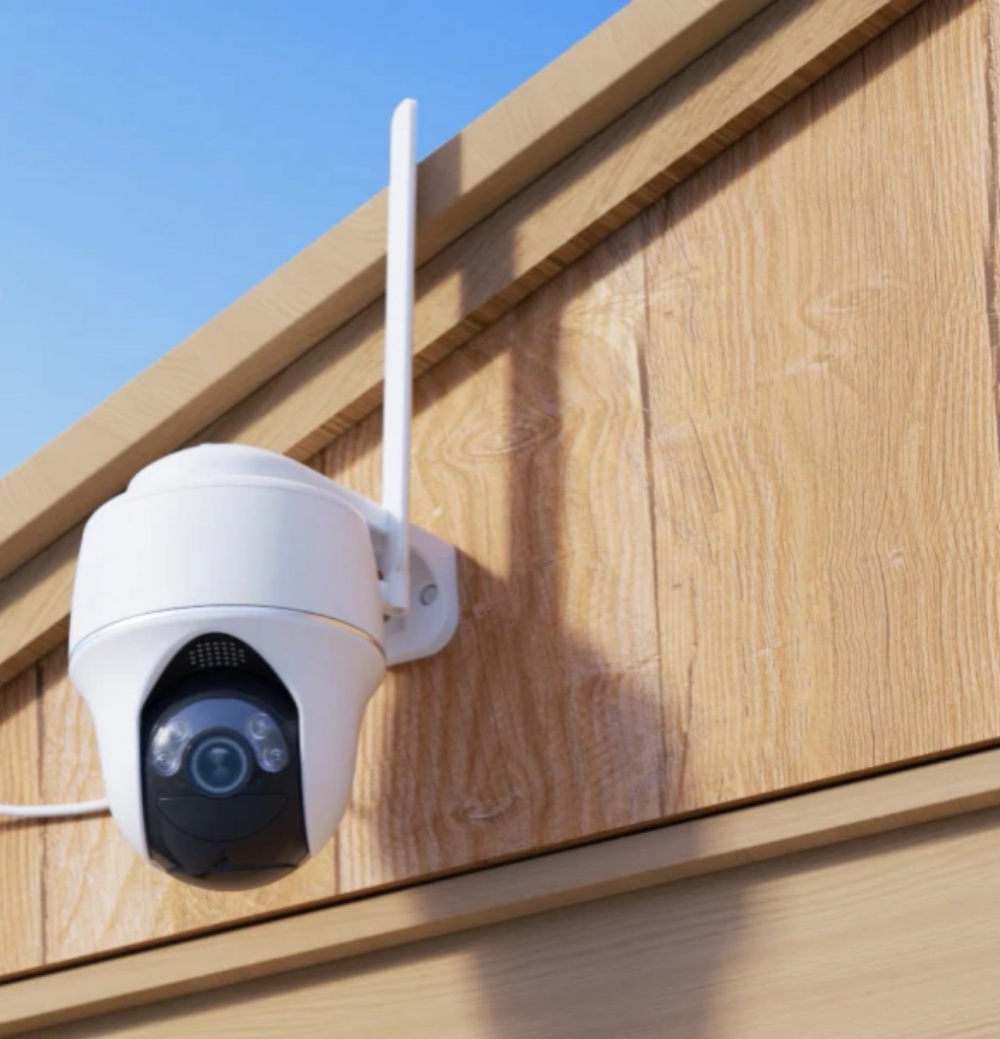
A solar camera’s output relies a lot on the direct sun its panel catches every day. A decent solar-powered camera can still fill its battery slowly if shade covers the panel, if it points in a bad direction, or if faint light from the season hits it. You can tell if it runs well today by learning how the sun changes the charging process, battery holding, and the camera’s lasting steadiness.
Understanding the Relationship Between Sunlight and Solar-Powered Cameras
The connection between sun and solar-powered cameras lies at the heart of how well they work and how trustworthy they are. These setups change sun rays into power you can use, so they run alone even in out-of-the-way places.
How Solar Energy Powers Security Cameras
Solar panels pick up sun and turn it into power kept in batteries that recharge. How well this works comes from the build of the photovoltaic parts and how much straight sun it gets. With steady new ideas in the surveillance world, more folks see and pick monitoring tools. They went from wires to Wi-Fi to 4G, which made them easier to use.
Factors That Influence Sunlight Requirements
Some outside and tech elements set how much sun a solar camera calls for. Where you live counts big, because spots by the equator get more sun power than up-north areas. Shifts in seasons hit the time of day and its power, and how you aim and slant the panel sets how well it grabs light. If you fix panels just right, they boost charging speed and battery staying power by a good margin.
Evaluating Sunlight Needs for Modern Solar Cameras in 2026
Tech gets better over time, so solar cameras now in 2026 take less sun than past ones because of gains in holding energy and shaping panels.
Typical Daily Sunlight Hours Required for Operation
Many solar cameras call for three to six hours of straight sun each day to hit top output. But that need changes with battery size, how fast it uses power, and the area around it. The best setup mixes monocrystalline silicon solar panels + large-capacity lithium batteries, which fill up in 5-6 hours on bright days and hold on for more than 10 days in rain. In 2026, top models mix in strong cells that cut the pull on long sunshine, yet they hold steady work even in covered skies.
The Role of Battery Efficiency and Storage Capacity
The way batteries are made shapes how long a camera keeps going with no sun. Large lithium batteries let you save extra power in the best sun times. Through ultra-low power standby and AI event-triggered recording, it achieves 24-hour continuous monitoring, with a battery life far exceeding that of traditional battery solutions (e.g., it can continue to work for 7-15 days on rainy days). Better battery controls fine-tune charge rounds, and parts that save energy stretch run time with smart spread of loads.
Technological Advancements Reducing Sunlight Dependency in 2026
Steady new steps have turned solar-powered cameras more self-standing by bettering how they grab and keep energy.
Developments in Solar Panel Technology
New types of photovoltaic stuff grab more kinds of light waves, which lets them do better in spread-out light. Bendy solar panels give more setup choices for better sun catch. Monocrystalline silicon solar panels support fast charging in 5–6 hours, low-light charging, and stable operation in extreme environments. On top of that, coatings from tiny tech raise grab power by cutting bounce-back loss.
Integration of Smart Power Management Systems
Man-made smarts take a growing part in fine-tuning power spread in today’s solar camera setups. Tools run by AI change setups based on weather outlooks or how users move. Standby ways that use little power also cut extra use in quiet times. All these smart tools together ease the need for always-on sun while making sure work never stops.
Environmental and Installation Considerations Affecting Performance
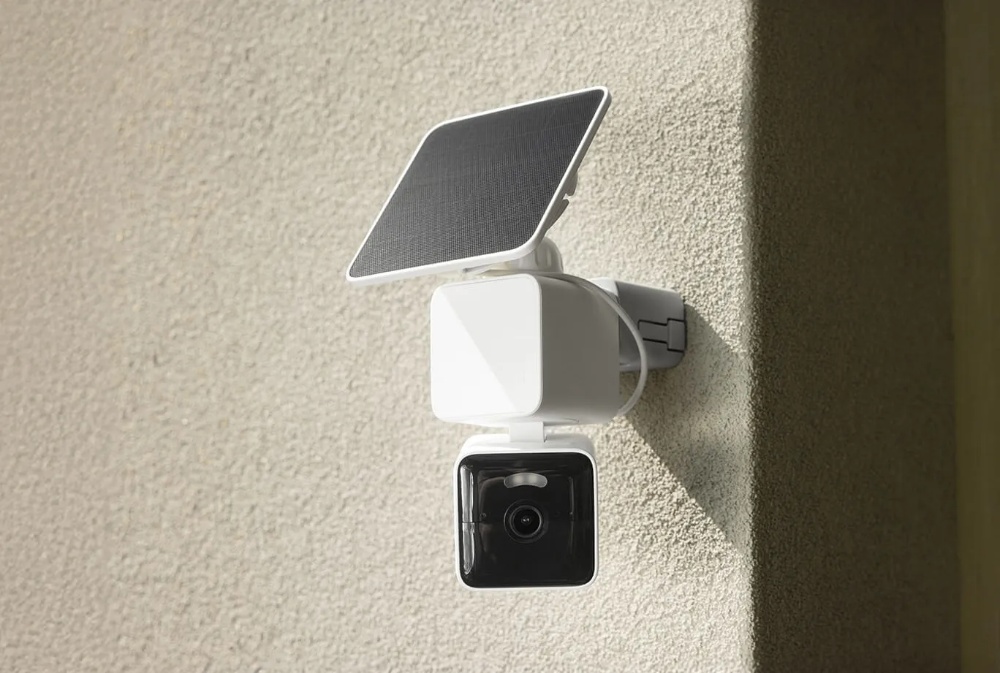
Outside things like spot, weather types, and setup plans shape a lot how well a solar camera pulls in sun.
Impact of Location and Climate Conditions
Areas with frequent cloud cover, long rainy seasons, or shorter winter daylight may require larger solar panels, stronger battery capacity, or backup charging options to maintain stable performance. Wild heat or cold also sways battery output and panel yield.
Installation surroundings matter as well. In urban areas, tall buildings, walls, trees, and roof edges can block direct sunlight for several hours a day, reducing the actual charging time. For better performance, the solar panel should be placed where it receives the longest possible sunlight exposure, with an angle that matches local sun direction and avoids regular shade.
Optimal Placement Strategies for Maximum Sunlight Exposure
A right setup makes sure you pull max energy from the sun that’s there.
Adjusting Angle and Orientation
Panels need to look true south in the Northern Hemisphere or true north in the Southern one for steady sun all day. Match the slant close to your area’s latitude to even out seasonal sun moves.
Avoiding Shading and Obstructions
Day-to-day care matters—buildup of dust or junk cuts charging strength by a lot. Clean on a schedule, along with wise mount spots, to keep top output all year.
Practical Recommendations for Reliable Solar Camera Operation in 2026
To get lasting trust from your solar-powered cameras, smart picks of type and steady care stand as key moves.
Selecting the Right Model Based on Site Conditions
Before choosing a solar camera, check the daily sunlight hours, installation position, network coverage, and possible shading at the site.
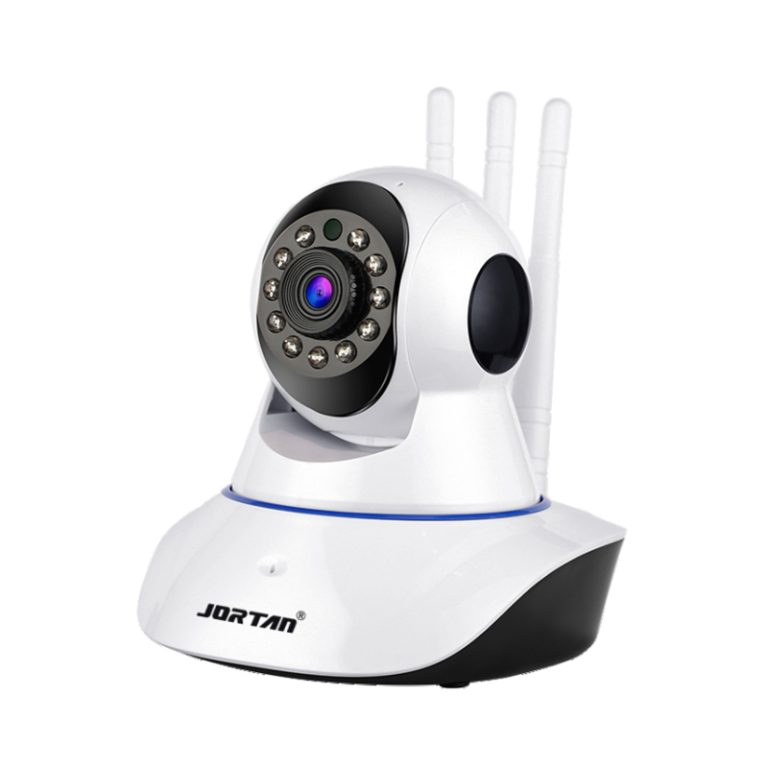
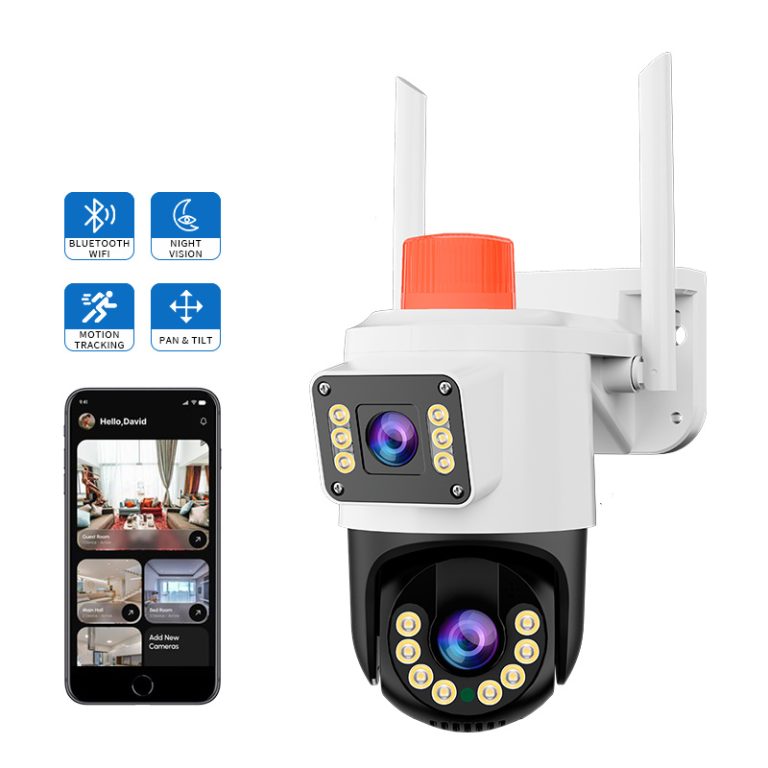
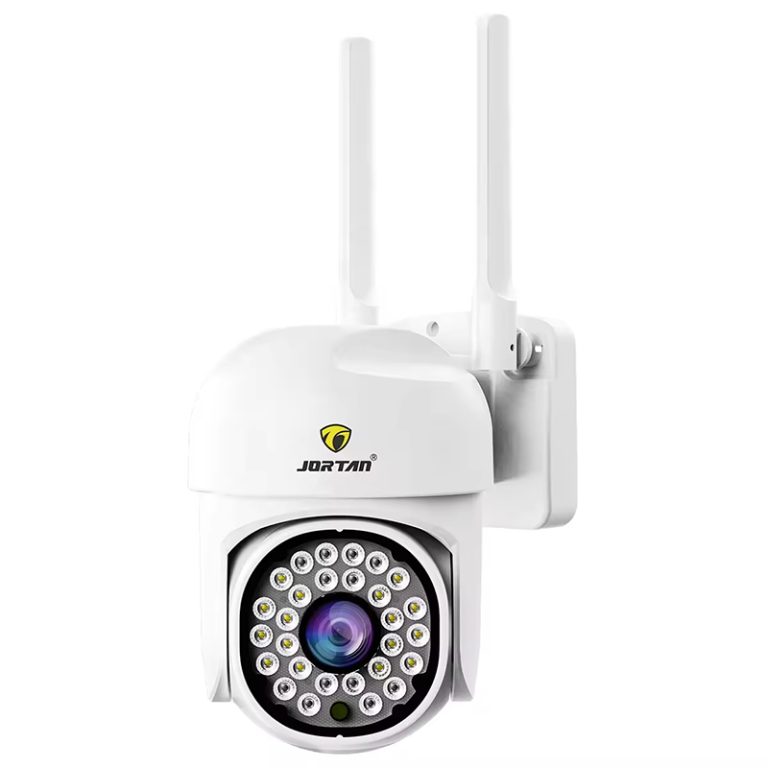
For outdoor applications, a reliable device should be selected that has the functions of wireless installation, stable solar charging capability, and a stable mounting base, so as to facilitate quick installation. If you are looking for such a camera, you might want to take a look at Jortan3. In areas with changing weather or partial shade, choose cameras with efficient panels, strong battery storage, and low power consumption to maintain steadier operation.
Maintaining Long-Term Performance Efficiency
Keeping smooth work means steady check habits for eye connectors, batteries, and panel tops for rust or dirt piles. Put in software fixes quickly, since many makers drop better code that lifts energy handling each year.
FAQ
Q1: How many hours of sunlight does a typical solar security camera need daily?
A1: Most systems require about three to six hours of direct sunlight per day; however, models using monocrystalline silicon panels can store enough charge within five hours to operate continuously during cloudy days.
Q2: What happens if my area experiences frequent rain or low-light conditions?
A2: Advanced designs use dual power systems combining solar energy with high-capacity lithium batteries capable of maintaining functionality up to fifteen days without sun exposure through intelligent storage management.
Q3: Which product offers reliable performance under limited sunlight?
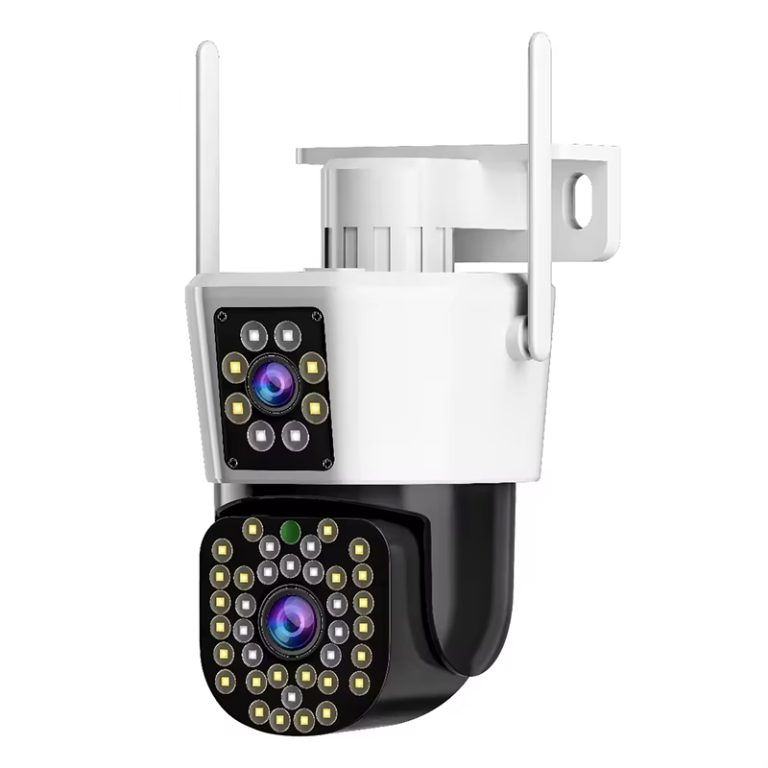
A3: For areas with less stable sunlight, Jortan’s JT-8699T can be considered because it is listed as a solar outdoor CCTV camera with dual 3MP video, PTZ design, and wireless surveillance functions. For better performance, the solar panel should still be placed where it can receive direct daily sunlight.