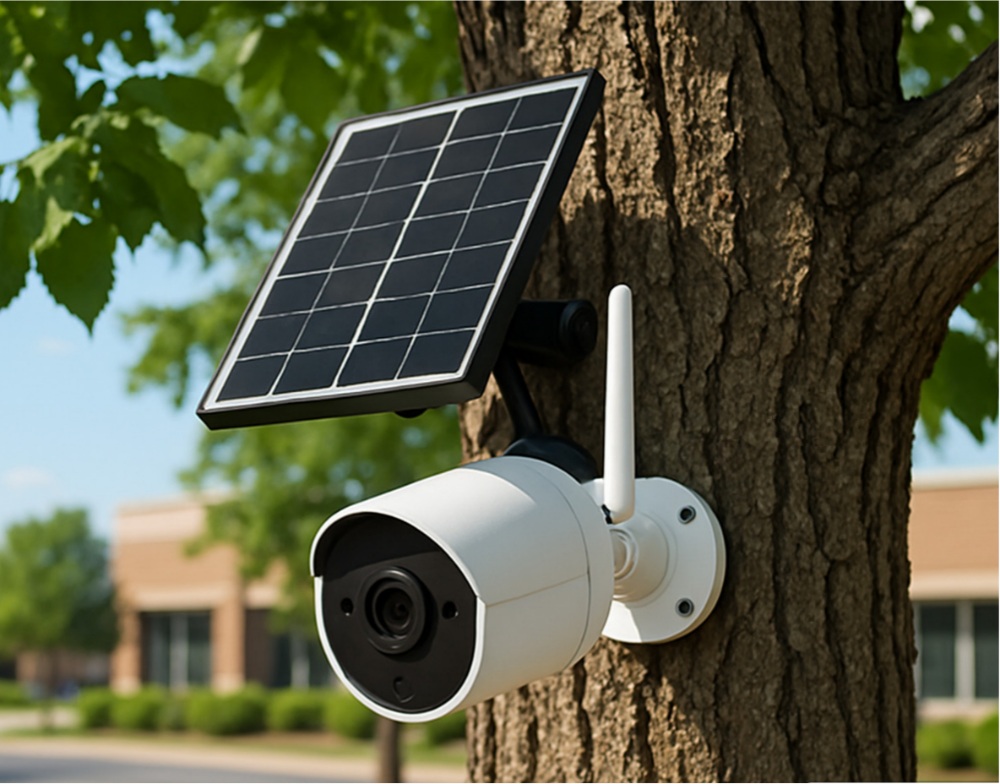
The outdoor security world has changed a lot thanks to solar-powered cameras. These devices mix green energy with smart watching tools. They have turned into key items for home and business owners who want solid, off-grid checking.
Technological Advancements Driving Solar Camera Adoption
The main push for this change comes from blending high-quality solar panels and big lithium batteries. A good mix uses monocrystalline silicon solar panels plus large-capacity lithium batteries. These can charge up fully in 5–6 hours on clear days. They also hold power for over 10 days in bad weather. As a result, new solar CCTV cameras keep running smoothly even when sun is scarce.
Smart tech plays a big role in how cameras work now. Features like human/vehicle spotting and action checking cut down on wrong alerts from things like blowing leaves or animals. The success rate for spotting reaches 98.7%. With AI motion detection, cameras tell real threats from small moves. This cuts false warnings and boosts safety checks.
Wireless links make these cameras easier to use. They have moved from cables to Wi-Fi and then to 4G. This makes them more practical. Units with built-in 4G or 5G parts let people check their space from afar. They do not need home internet setups. Together, better energy use, smart AI, and no-wire designs turn solar-powered cameras into must-have gear for today’s outdoor watching.
Market Trends Shaping Outdoor Surveillance in 2026
Green living grows as a worldwide focus. So, the need for earth-friendly safety tools keeps climbing. Low-power solar cell surveillance cameras win big because they fix setup issues for old gear in far spots or places without basics. At the same time, they fit the push for saving energy, guarding nature, and adding tech smarts. This change matches what buyers want and what companies aim for in green goals.
Smart home setups grow fast too. They pull solar CCTV cameras into wider IoT networks. In these, lights, alarms, and sensors talk to each other without trouble. Plus, better strength lets these tools work well in no-power zones like farms or build sites. Such places used to be too hard for regular safety systems.
Core Features Defining Modern Solar CCTV Cameras
Current solar CCTV setups blend top imaging tech with smart power control. They give steady work in many settings.
Power Management and Energy Efficiency Innovations
Smart energy use sits at the center of each solar-powered camera build. Quick solar charging happens with monocrystalline silicon solar panels. They fill up in 5–6 hours and handle dim light charging. Even in tough spots, they keep going. Smart save modes hold energy during quiet times. Yet, they stay ready for move-based recording. Built-in battery systems stop overcharge and lengthen life. This matters a lot for long jobs in far areas.
Connectivity and Data Transmission Capabilities
Links shape how people use their outdoor cameras these days. Units with 4G or 5G parts allow live checks from any place through phone apps or cloud sites. A built-in 4G/5G IoT card sends data afar without home internet. This brings “no-net watching.” Cloud storage keeps videos safe and easy to reach on many devices. It skips physical card limits. Quick alerts via apps tell users right away about moves or break-ins.
Imaging Technology and Night Vision Enhancements
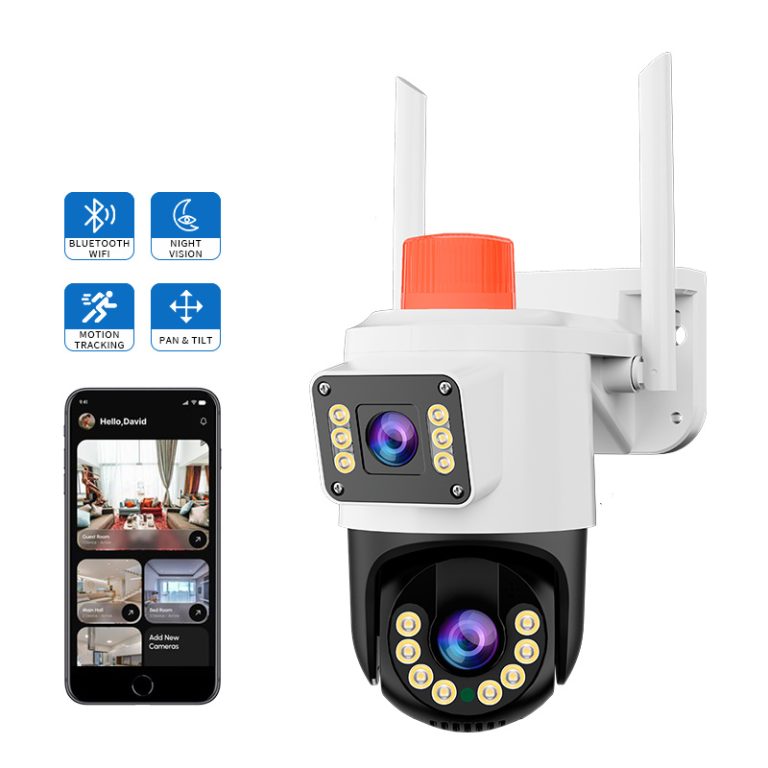
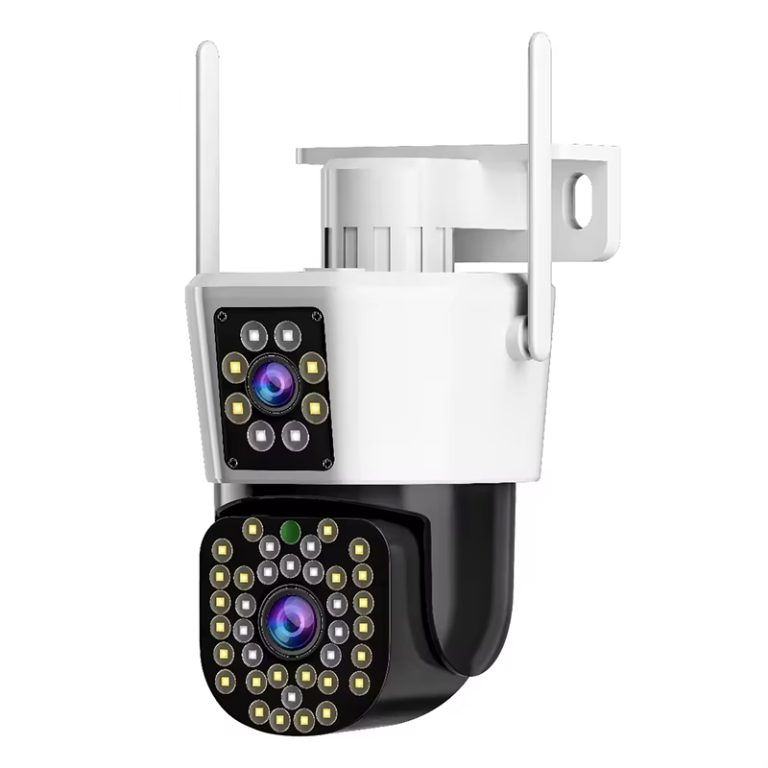
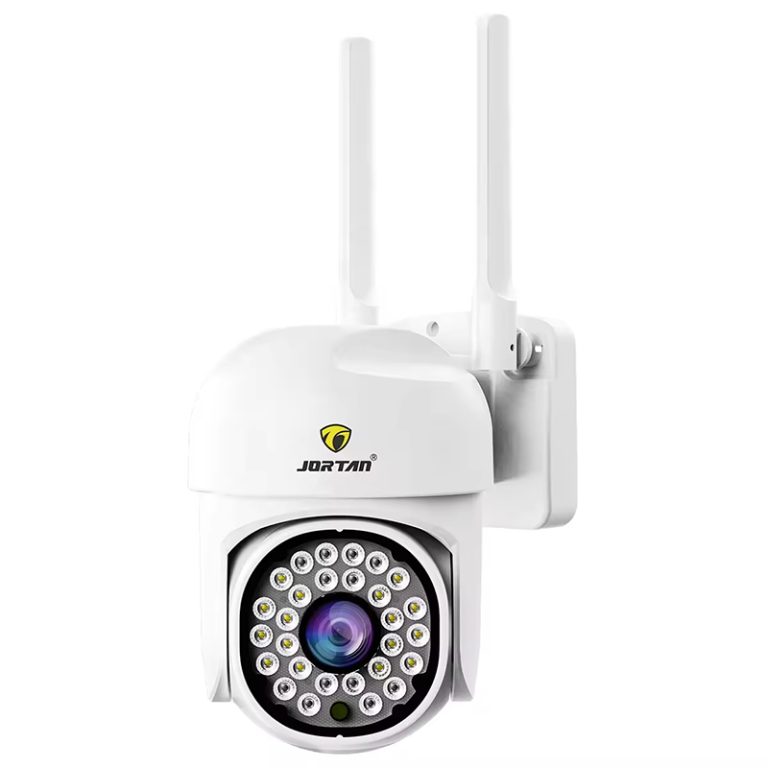
Clear pictures stay a basic need for good watching. New sensors grab fine details in bad light. For example, the JT-8176XM uses a 2MP 1/2.9″ CMOS sensor and warm light full color night vision to support clearer outdoor monitoring at night. It also supports 4G wireless digital signal transmission, 2.4GHz WiFi, and wide PTZ rotation, making it suitable for outdoor areas that need flexible coverage and better night visibility.
Factors to Consider When Choosing a Suitable Solar Camera
Picking the right solar-powered camera means weighing site conditions against work hopes and link needs.
Evaluating Location and Sunlight Exposure
Before putting it up, check sun access at the spot to best place the panel and set its angle. It helps to have three power options: solar energy, lithium battery, and plug-in power. These fit different site needs. Places with lots of clouds might need bigger panels or stronger batteries to run without stops.
Assessing Storage, Connectivity, and Security Requirements
Users differ in storage wants. Some like local SD cards for private control. Others choose cloud saves for extra safety. Checking net strength matters too. Poor signals can slow live feeds or late alerts. Look at safety codes closely. Video streams hold private info that needs guarding from wrong eyes.
Durability and Environmental Resistance Standards
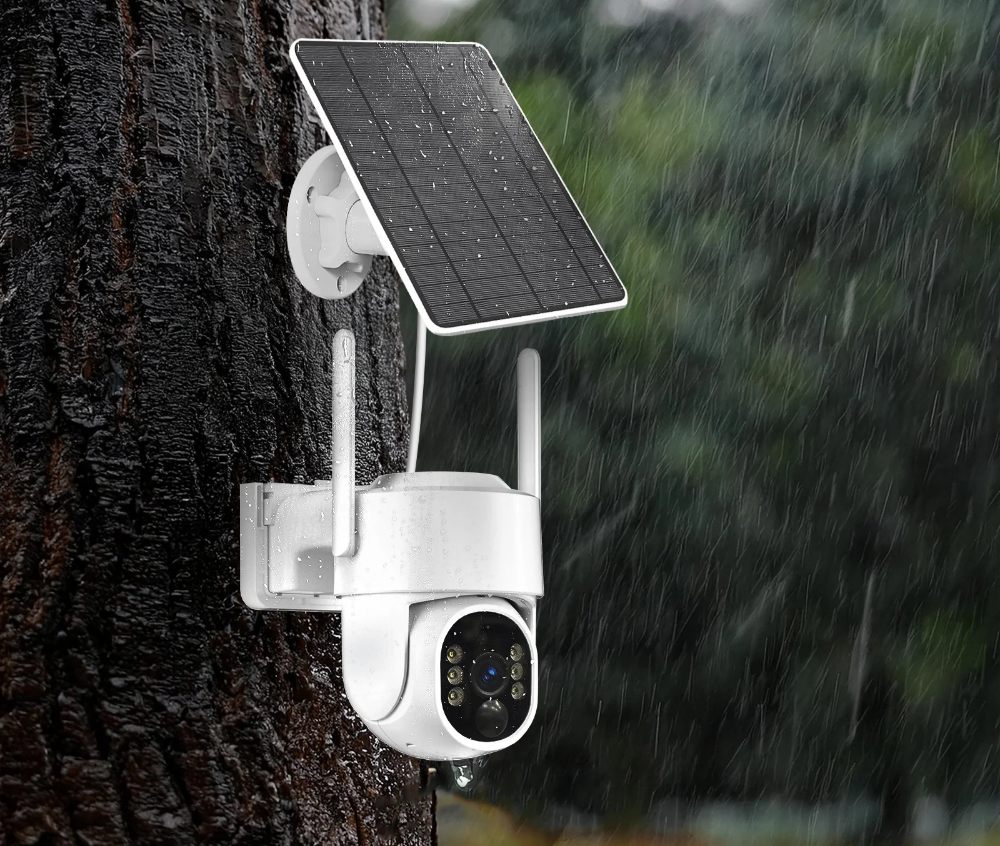
Strength decides how a camera handles rough weather over years. The water and dust rating should hit IP66 or IP67 to face hard rain, dust storms, and more. Rust-proof stuff boosts life in beach areas with salt air. For extra guard against breaks or steals, pick units with tough mounts made for outdoor jobs.
Integration of Solar Cameras into Broader Security Systems
New outdoor cameras do not stand alone anymore. They blend into smart networks for full site care.
Combining Solar CCTV with Smart Home Ecosystems
Blending lets one control point through voice helpers or hubs. These sync actions across tools when moves happen. Lights turn on by themselves at night if something stirs. At the same time, apps send alerts for fast replies. This linked way turns single parts into full teams. They build smart defense plans based on live data checks.
Applications Beyond Residential Use Cases
Solar-powered cameras stretch past home jobs into fields that need self-run work without power lines.
Commercial Properties and Construction Sites: Non-stop watching without grid ties cuts running costs. Shops gain from less upkeep since no wire work is needed.
Agricultural Fields and Remote Facilities: They aid animal watching, edge safety, and supply care in lone spots. Growers use them to watch stock pens or water lines well via phone links.
Future Outlook: How Solar-Powered Cameras Will Continue to Evolve After 2026
As smart AI grows more after 2026, guess-work checks will reshape ahead-of-time safety steps. They spot odd move patterns before trouble starts. Learning tech will keep sharpening spot accuracy for objects. It will tell people, cars, or beasts apart better than now. This drops wrong alerts even further.
Green ways will stay a key guide for new product lines from makers everywhere. Zero carbon cuts: One unit lowers carbon output by 1.2 tons each year. Coming builds will use reused stuff in cases. They will matchmake steps with clean rules.
FAQ
Q1: What makes solar-powered cameras ideal for remote locations?
A1: They run on their own from power grids using monocrystalline silicon photovoltaic panels paired with lithium storage systems that keep work going even in long cloudy times.
Q2: How do AI features improve outdoor camera accuracy?
A2: AI human/vehicle spotting cuts wrong alerts from natural things like swaying plants while making sure true event spots are for quick watch setups.
Q3: Which product offers reliable all-weather durability?
A3: Jortan’s JT-9687PRO is designed for outdoor security needs, with IP66 waterproof protection, color night vision, AI auto tracking, and solar camera 4G SIM card support. It fits sites that require durable monitoring in changing weather and low-light conditions.